



Originally expected at the end of April, the government’s ‘major electrification plan’ will finally be unveiled next week. Against a backdrop of soaring fossil fuel prices linked to the war in the Middle East, the government aims to accelerate the reduction of France’s dependence on imported hydrocarbons.
A plan put forward amid the geopolitical crisis
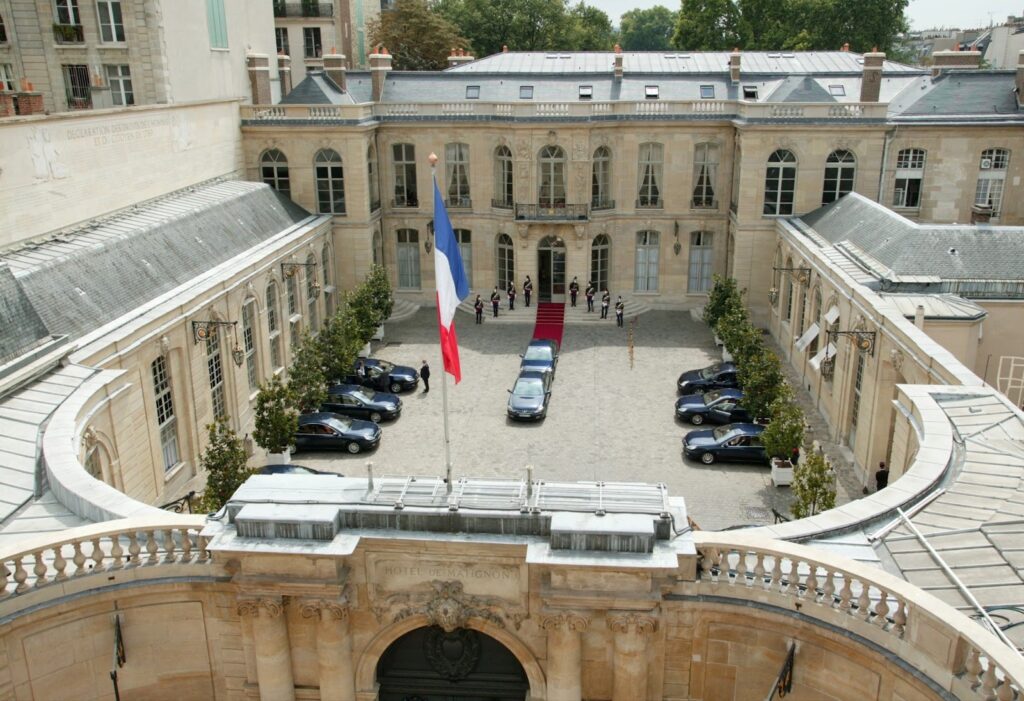
With oil and gas prices having soared since late February 2026 due to the current conflicts in the Middle East, the government has decided to bring forward the presentation of its electrification plan to next week, announced government spokesperson and Minister of State for Energy, Maud Bregeon, on 27 March.
- “We must ensure a long-term supply of stable, carbon-free energy that is accessible to all and produced in France. This solution has a name: electrification.”
The stated aim is clear: to reduce France’s dependence on imported fossil fuels from 60% today to 40% by 2030, through the widespread electrification of energy use. This ambition follows on from the third Multi-Annual Energy Plan (PPE3), published on 13 February 2026 after a three-year wait.
The PPE3: a roadmap for an all-electric France by 2035
Indeed, to understand the electrification plan, it is necessary to consider the broader context in which it is set. The Multi-Year Energy Plan (PPE3) sets out France’s energy strategy for the period 2026–2035 and charts the path towards carbon neutrality by 2050.
It sets out the following objectives:
- Share of fossil fuels: 40% by 2030, less than 25% by 2035
- Share of electricity: 60% by 2030, over 75% by 2035
- Emissions from the energy sector: 55% reduction by 2030, 80% reduction by 2035
- Electric vehicle fleet: 15 million by 2030, 30 million by 2035
To achieve these key objectives, the PPE3 relies on a carbon-free electricity mix. Specifically, it combines the revival of nuclear power – namely the continued operation of the 56 existing reactors – with an extension of their operational life by at least a further 50 years. In addition, between 6 and 14 new EPR2 reactors are to be commissioned by 2035.
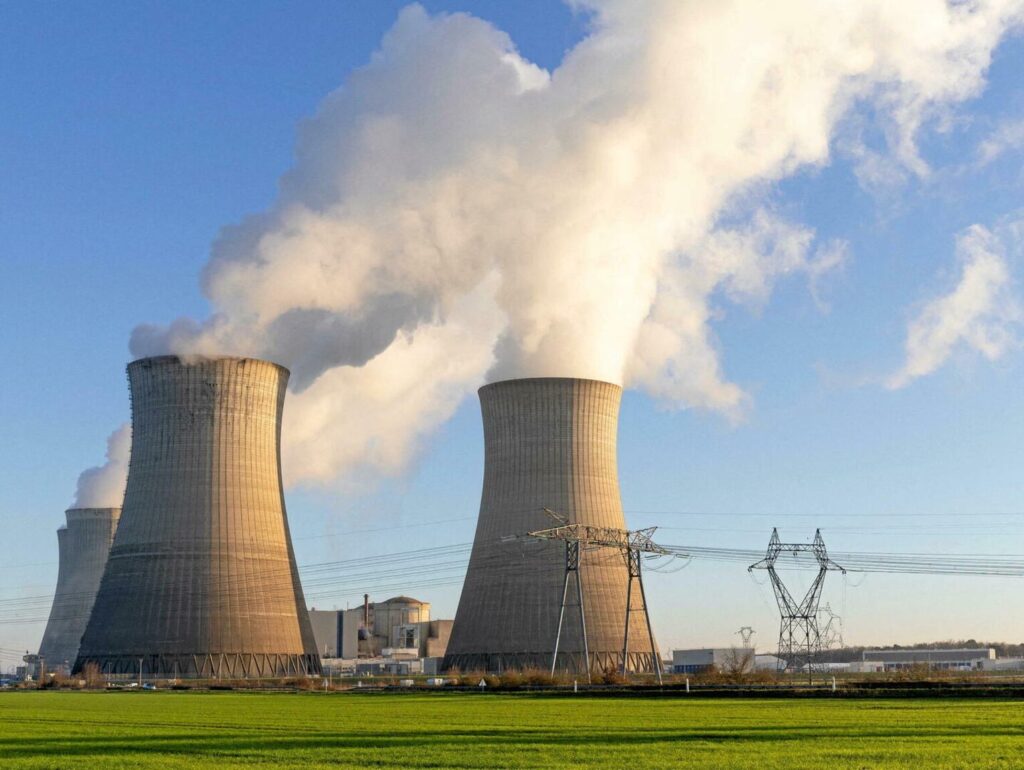
In addition to nuclear power, the government plans to expand renewable energy, with the aim of tripling solar and wind power capacity by 2035. Finally, the electrification of energy use across several sectors forms part of this strategy: transport, the built environment, industry and the digital sector.
Promises that lead to immediate action, as announced by Roland Lescure, Minister for the Economy, Finance and Industrial, Energy and Digital Sovereignty, during the presentation of the PPE3:
- “That’s it. The decree has been published. It was about time. We’ve made our decision today, and we’ll be launching the investments as early as tomorrow.”
A development that now extends beyond the environmental sphere alone. As Prime Minister Sébastien Lecornu puts it:
- "It is no longer just a climate issue; it is now a matter of national interest."
Indirect funding, via Energy Saving Certificates
That leaves the key issue of funding. At this stage, the plan does not provide for any new direct budgetary allocations. The government is relying primarily on Energy Saving Certificates (ESCs).
In practical terms, this scheme requires energy suppliers to fund measures to reduce energy consumption, particularly in the transport sector and in the electrification of end-use applications.
These investments do not place a direct burden on the state budget. However, the cost is indirectly passed on to the energy bills of households and businesses, which raises the question of whether this is acceptable in the medium term.
Some uncertainties ahead of the official presentation
Despite these broad outlines, several details remain unclear just a few days before the official presentation.
Firstly, the specific measures to be implemented in the transport sector have not yet been set out in detail. The objectives are in place, but the practical arrangements (such as funding, requirements or a specific timetable) have yet to be clarified.
Furthermore, the question of governance remains unresolved. The appointment of a dedicated lead for electrification, a proposal frequently raised by industry stakeholders, has not yet been confirmed.
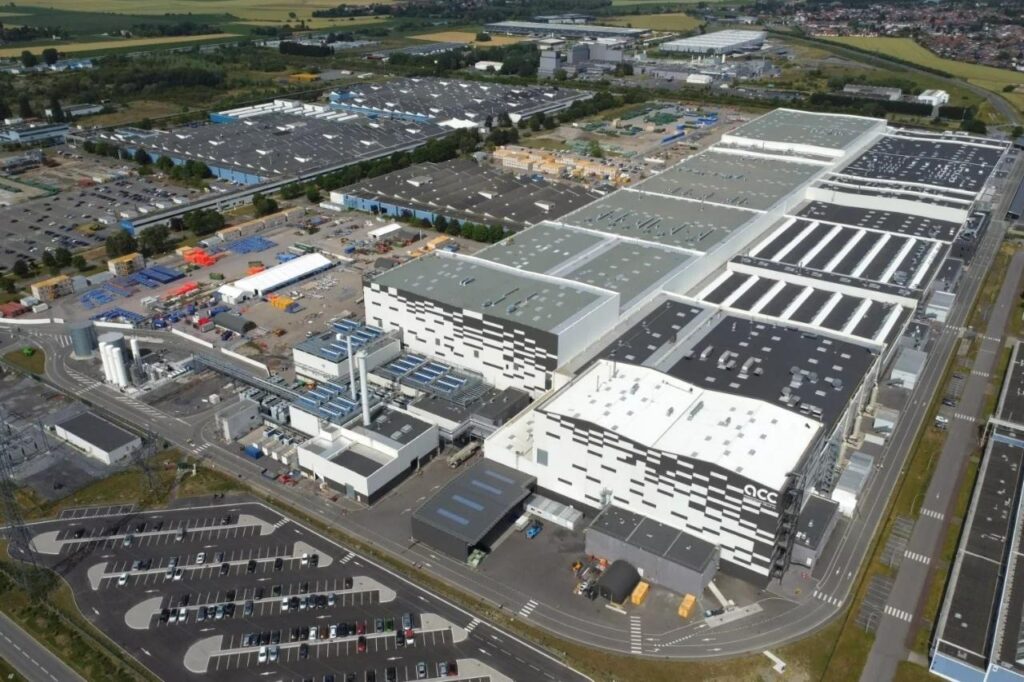
Finally, industrial capacity is a key challenge. Behind the goal of large-scale electrification lies a simple question: will France and Europe be able to produce enough batteries, vehicles and infrastructure to keep pace?
A strategy caught between sovereignty and industrial dependencies
For that is precisely the paradox of this plan. In seeking to reduce its dependence on imported fossil fuels, France is exposing itself to another form of dependence, this time linked to electrical technologies.
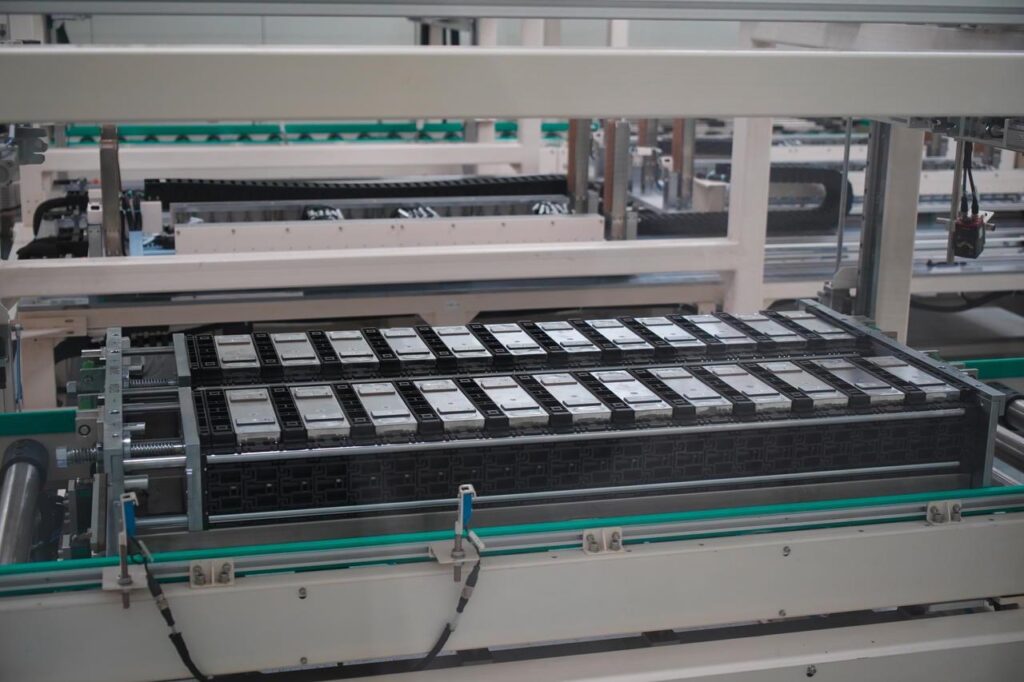
Today, around 60% of electric vehicle batteries come from Asia, whilst the majority of key components are still manufactured outside Europe.
In light of this, the government plans to introduce so-called ‘resilience’ criteria from September 2026, with the aim of promoting equipment assembled in Europe.
Key points to bear in mind ahead of the announcements
One thing is certain: the electrification plan is due to be unveiled in the coming days, with a clear focus on transport and electric mobility.
The objective is clear: to reduce dependence on fossil fuels from 60% to 40% by 2030, as set out in the PPE3.
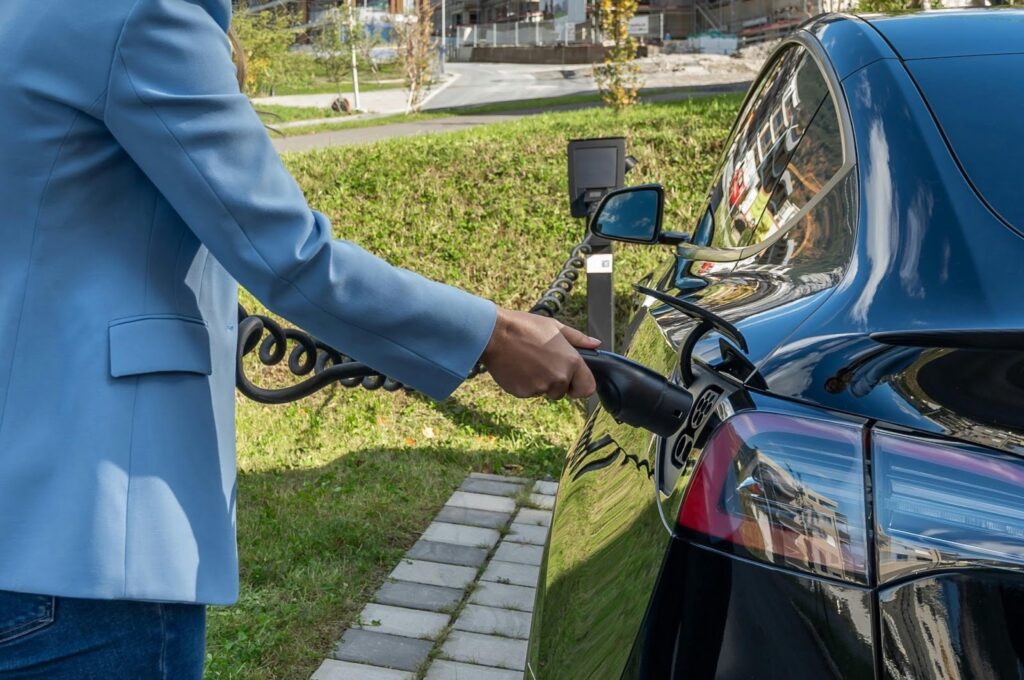
It now remains to be seen how these ambitions will be put into practice: support for electric vehicles, the development of charging infrastructure, the electrification of commercial fleets, and the transformation of logistics.