


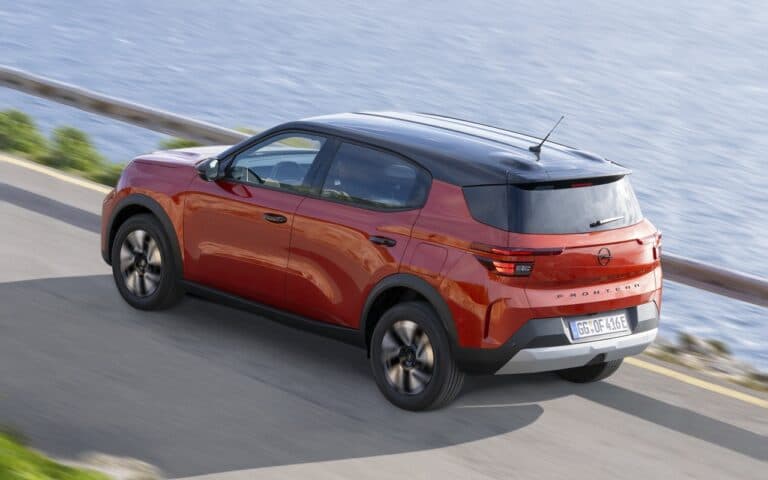





In February 2026, Canada took the next step in its transition to electromobility with a series of ambitious announcements from the federal government. Faced with falling sales of electric vehicles after the previous rebate programme ran out, Ottawa recently unveiled a coherent national automotive strategy. This roadmap aims to boost the adoption of EVs while consolidating the Canadian automotive industry.
A national automotive strategy to transform the sector
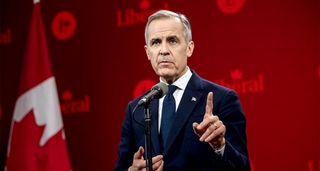
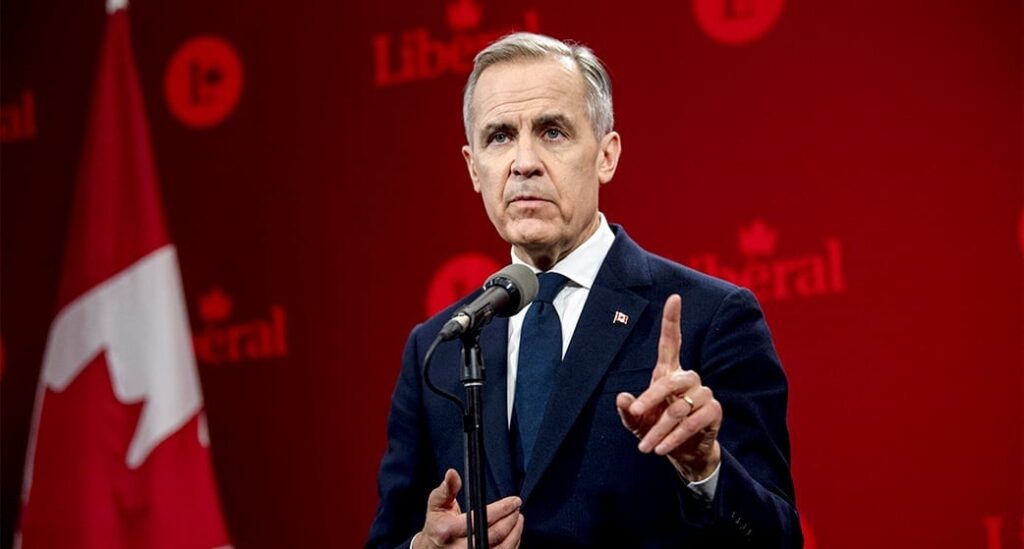
On 5 February 2026, Prime Minister Mark Carney presented a new national strategy for the automotive industry, designed to position the country as a major player in electric vehicles. The strategy includes a five-year programme of incentives, massive industrial investment and tougher environmental standards. It reflects the desire to structure not only the demand for electric vehicles, but also the entire ecosystem surrounding electromobility.
In this vision, electrified mobility is one of the pillars of a broader industrial transformation that mobilises public funds to stimulate investment, protect jobs and diversify markets.
A stronger recharging network: 8,000 more charging points announced
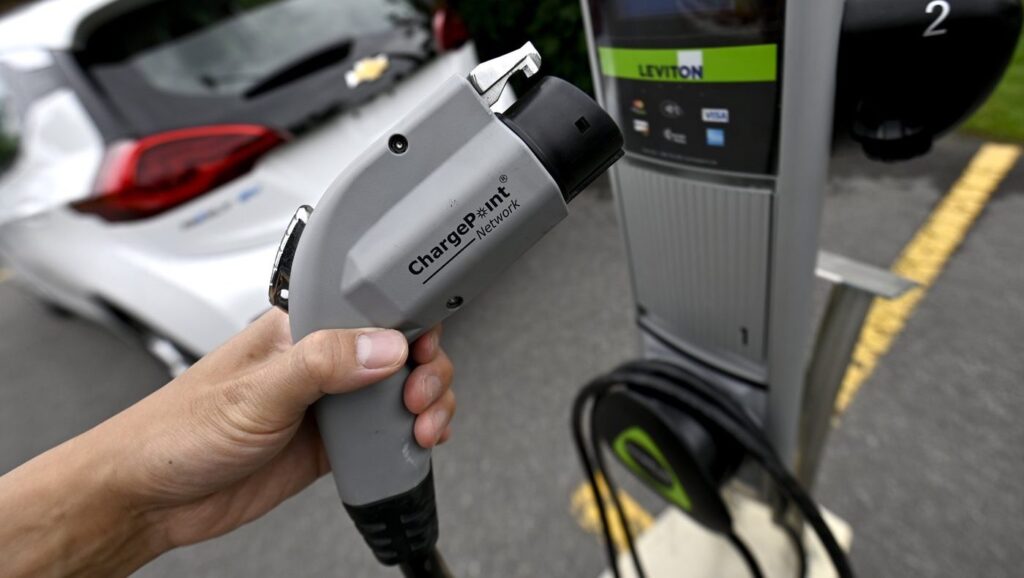
One of the most concrete aspects of this strategy concerns infrastructure. On February 10, 2026, Ottawa announced an investment of $84.4 million to fund more than 8,000 new public charging stations across the country, as part of the Zero Emission Vehicle Infrastructure Program (ZEVIP).
This deployment comes at a time when the existing fleet of charging stations already exceeds 38,000 units, spread across nearly 14,500 locations across the country. Most of this infrastructure is concentrated in several provinces, including Ontario, Quebec and British Columbia, but the strategy aims to increase the number of charging stations in all regions, including the least well-served rural areas.
Relaunch of incentives: return of the rebate programme
Another central element of the strategy is the relaunch of incentives for the purchase of electric vehicles, which were suspended at the beginning of 2025 when funding for the federal iZEV programme, which was very popular at the time, ran out.
From 16 February 2026, the government plans to reintroduce a system of federal rebates, offering up to $5,000 for the purchase of an eligible 100% electric vehicle and up to $2,500 for a plug-in hybrid. These amounts will gradually decrease until 2030, to keep pace with market developments and ensure a more sustainable transition to electric vehicles.
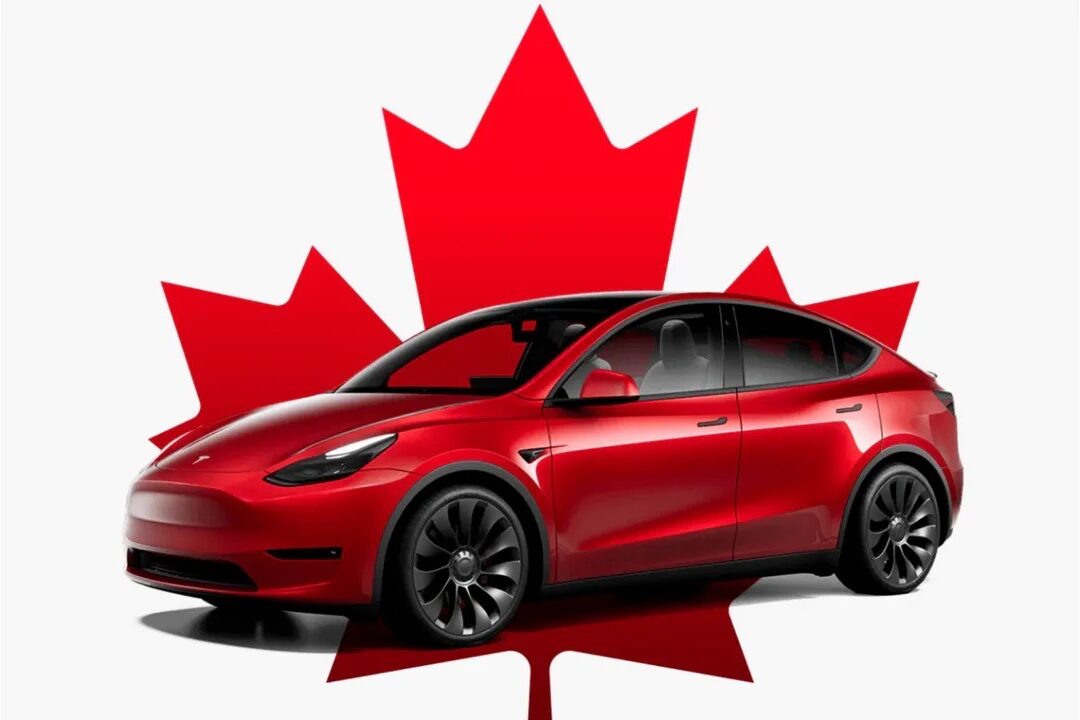
This relaunch comes against a backdrop of falling EV sales in Canada since the end of incentive support in 2025, which was marked by a significant fall in EV registrations.
A renewed regulatory framework
At the same time, the government has opted to end the minimum sales requirement for electric vehicles in favour of stricter emissions standards for the automotive sector, a move designed to offer manufacturers greater flexibility while steering the market towards a sustainable transition.
This approach reflects a clear strategic philosophy on the part of the Canadian government: to develop electromobility through a combination of ambitious standards, economic incentives and appropriate infrastructure, in order to meet the needs of consumers while supporting the competitiveness of the industry.
A global industrial approach
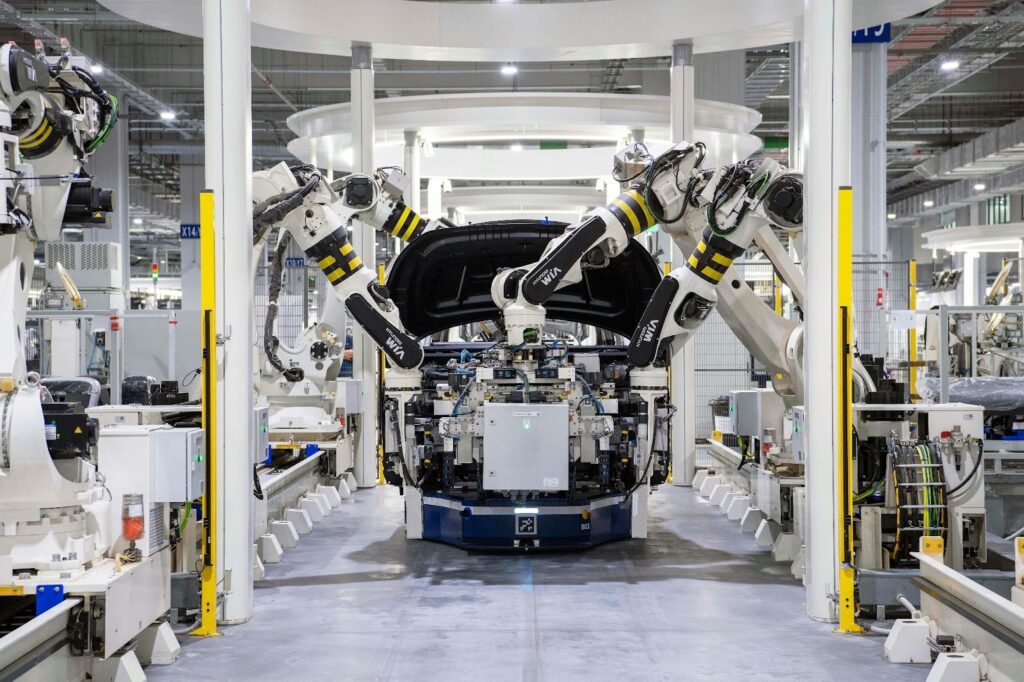
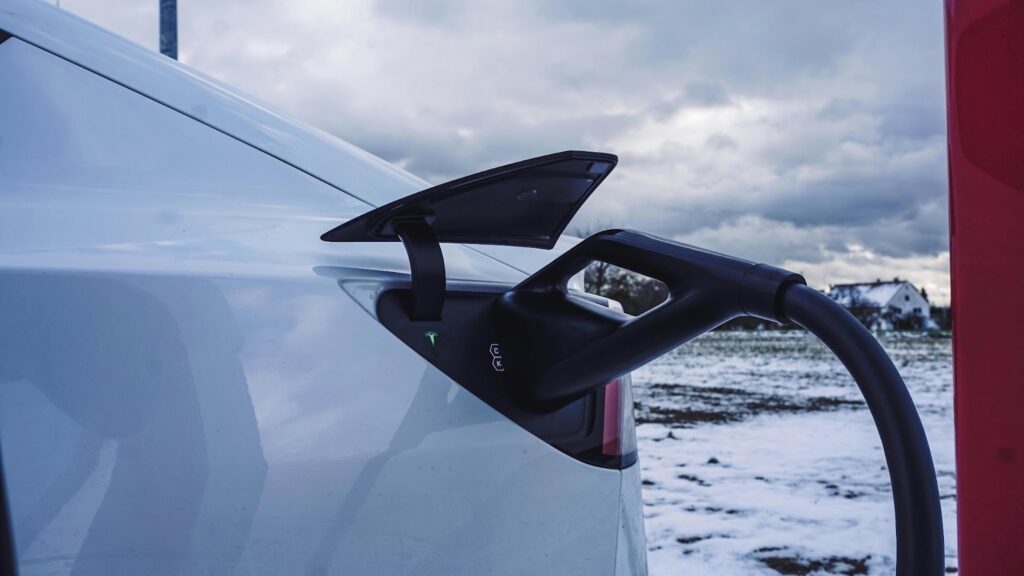
All these measures are part of a strategy to transform the Canadian automotive industry, affecting demand as much as supply, infrastructure as much as production. The strategy aims not only to boost the adoption of electric vehicles, but also to attract private investment and create jobs in an uncertain global economic environment.
By combining the expansion of terminals, subsidies for purchases, stricter standards and a strategic industrial vision, Canada is seeking to establish a new dynamic from 2026.