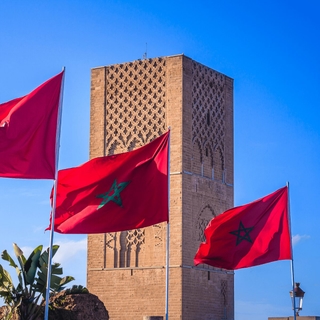

Although Morocco is still not very prominent in global electric vehicle rankings, it is nevertheless making steady progress. Whilst fully electric vehicles remain a niche market there, the trends observed in recent years point to a gradual transformation of the market. The kingdom is charting a unique course, halfway between an emerging market and a future strategic hub.

A strong recovery in the car market, driven by hybrid engines
The Moroccan car market saw a sharp upturn in 2025, with 235,372 new registrations, representing a year-on-year increase of 33%. This growth has been accompanied by a gradual shift towards electric vehicles.
Today, around 12.5% of sales are for electrified vehicles, a figure that remains modest but is growing rapidly. Breaking it down, it is mainly hybrids that are driving the market, far ahead of fully electric vehicles.
Models such as the Toyota Corolla Hybrid, the Hyundai Tucson Hybrid and the Kia Sportage are gradually gaining ground, particularly in major cities such as Casablanca and Rabat.
However, the market remains largely dominated by internal combustion engines, which still account for over 70% of sales, whilst established manufacturers maintain a strong position, such as the Renault Group and Dacia (with a market share of around 35%), followed by Hyundai-Kia and Stellantis.

Electric vehicles remain a niche market, despite a growing range of models
Against this backdrop, fully electric vehicles are still struggling to gain a foothold. They are expected to account for around 3% of sales in 2025, amounting to just a few thousand units.
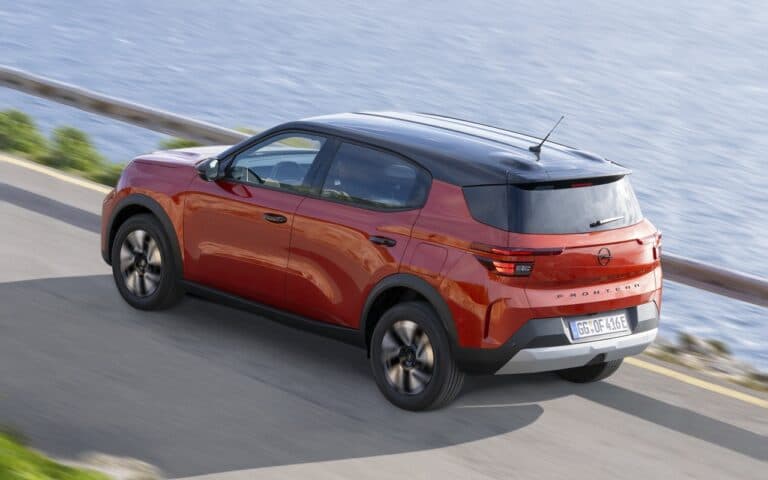
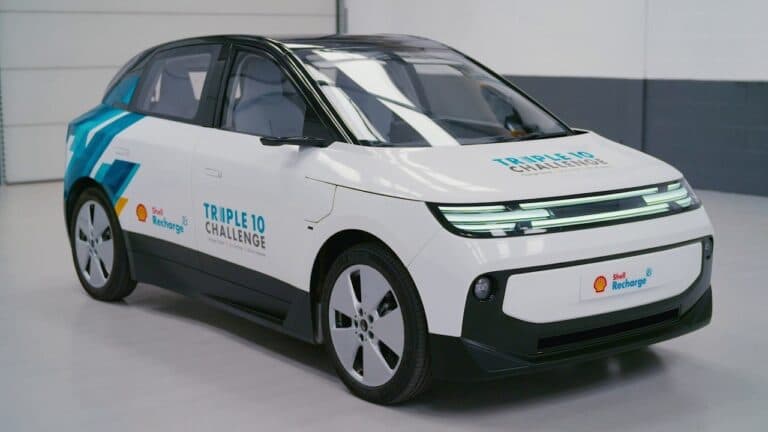
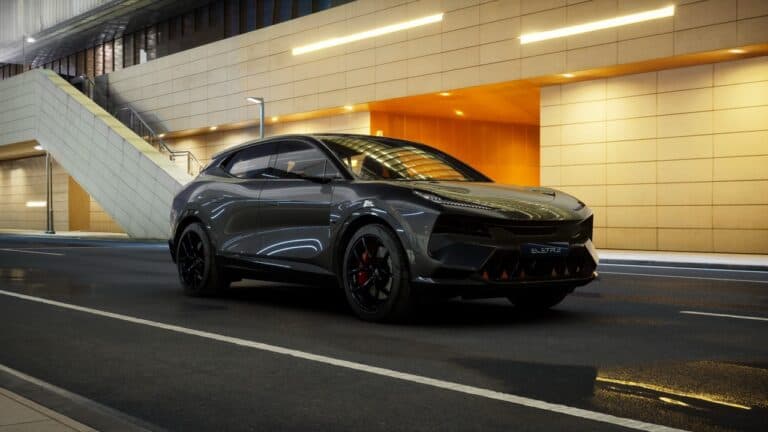
Nevertheless, the range is beginning to take shape. The Dacia Spring remains the most affordable model, whilst vehicles such as the MG4 and the BYD Atto 3 demonstrate the growing influence of Chinese manufacturers. The Renault Zoe, although an older model, is still available on the market.
In reality, these models are still mainly purchased by an urban clientele – often professionals or those with high purchasing power – concentrated in major cities. Their use remains predominantly urban, which further limits the segment’s growth on a national scale.

A charging infrastructure that is still inadequate
The development of electric vehicles currently faces a major obstacle: infrastructure.
Morocco has around 1,500 charging points, the vast majority of which are AC. Fast-charging points are still few and far between, apart from certain strategic routes such as the Tangier–Casablanca corridor, where roll-outs have begun, notably by operators such as Afriquia.
Under these circumstances, long-distance journeys remain a challenge, effectively hindering the uptake of electric vehicles outside urban centres.

An automotive industry that is already a key driver of the continent’s economy
Whilst the market is still developing, Morocco is establishing itself as a leading industrial player.
The country is now Africa’s leading car manufacturer, with production capacity that is constantly increasing. The Renault Group’s plant in Tangier, which produces the Dacia Sandero among other models, has a capacity of around 350,000 vehicles per year and is a mainstay of exports to Europe.
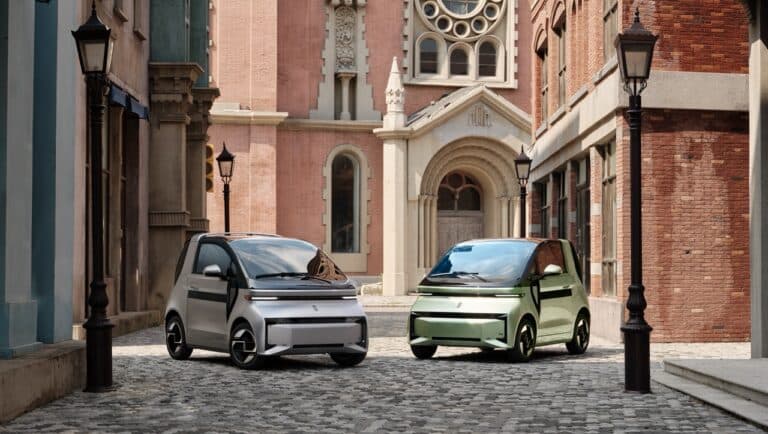
For its part, Stellantis has expanded its presence in Kenitra, where models such as the Peugeot 208 are assembled, as well as the Citroën Ami, an electric vehicle designed for urban mobility.
In total, the automotive sector accounts for over 7% of the country’s industrial GDP, with a stated target of reaching an annual production of 1 million vehicles in the medium term.

Batteries and resources: a strategic positioning
Beyond vehicle assembly, Morocco is now seeking to establish itself in a key segment of the electric vehicle sector: batteries.
The country has a major advantage thanks to its substantial phosphate reserves, which are used in particular in LFP batteries. Added to this is the development of industrial partnerships, such as the one between the Renault Group and the mining group Managem, which involves the supply of 5,000 tonnes of cobalt per year – equivalent to the amount required to produce around 300,000 electric vehicles.
These initiatives reflect a clear commitment: to gradually integrate into the global value chain, moving beyond simple assembly.

A two-stage process
Electric mobility in Morocco now appears to be developing gradually.
In the short term, the market is expected to continue to focus on hybrid powertrains, which are better suited to economic and infrastructure constraints.
In the medium term, industrial growth, combined with improvements in infrastructure and a gradual fall in costs, could encourage wider adoption of electric vehicles.
An industry player rather than a market
Morocco is not following the traditional path taken by European countries. Whereas some countries first developed the market, the kingdom has chosen to build a solid industrial base.
With the presence of groups such as the Renault Group and Stellantis, the arrival of Chinese manufacturers and the development of a battery industry, the country is gradually establishing itself as a key player in the global ecosystem.
A position that could, in the long run, accelerate the development of its own domestic market.

Conclusion
Although adoption remains limited, the Moroccan electric vehicle market is nonetheless undergoing rapid development.
Driven by sustained growth, gradual electrification and a well-structured industrial strategy, the country could soon take on a whole new dimension.