
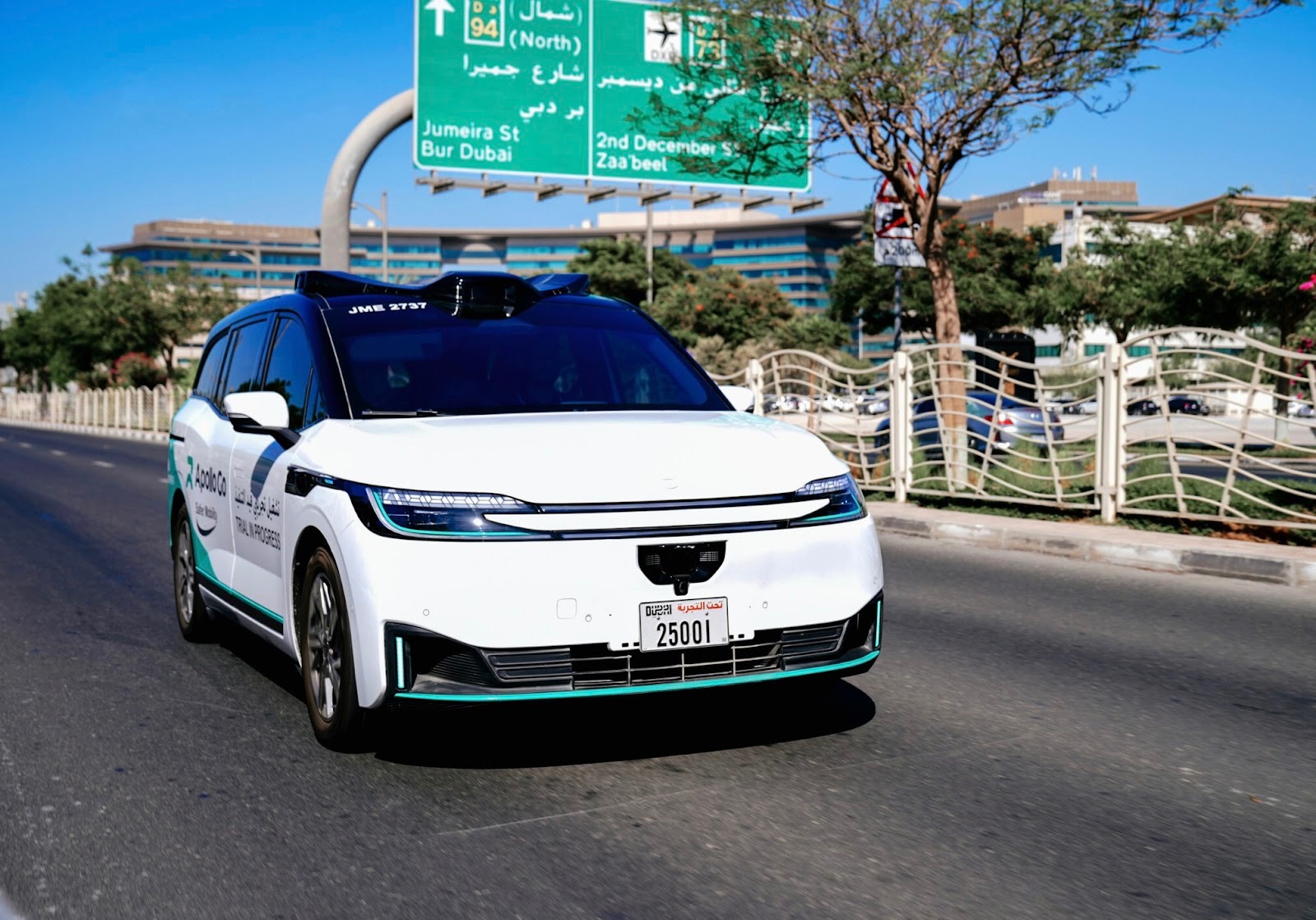


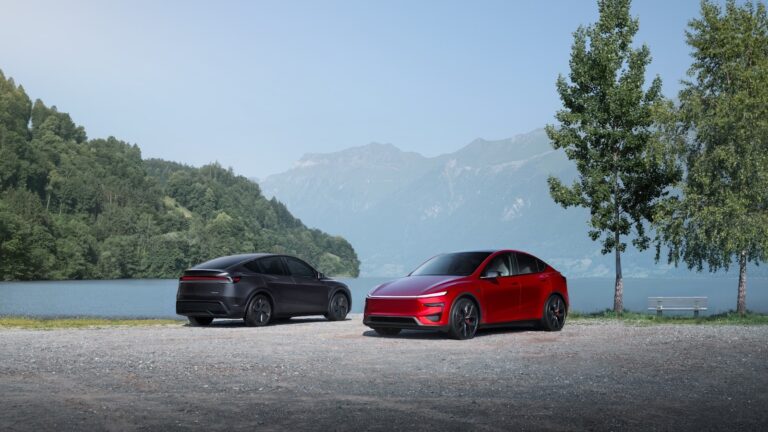

With the imminent launch of 100 Baidu Apollo Go RT6 robotaxis, Dubai is taking the next step in its autonomous mobility strategy. This deployment aims to reduce congestion in the city centre, improve safety and transform the city into a veritable urban data laboratory. With the aim of achieving 25% autonomous travel by 2030, the Emirati city is asserting its determination to move from experimentation to mass scale-up.
A strategic project between Baidu and the RTA
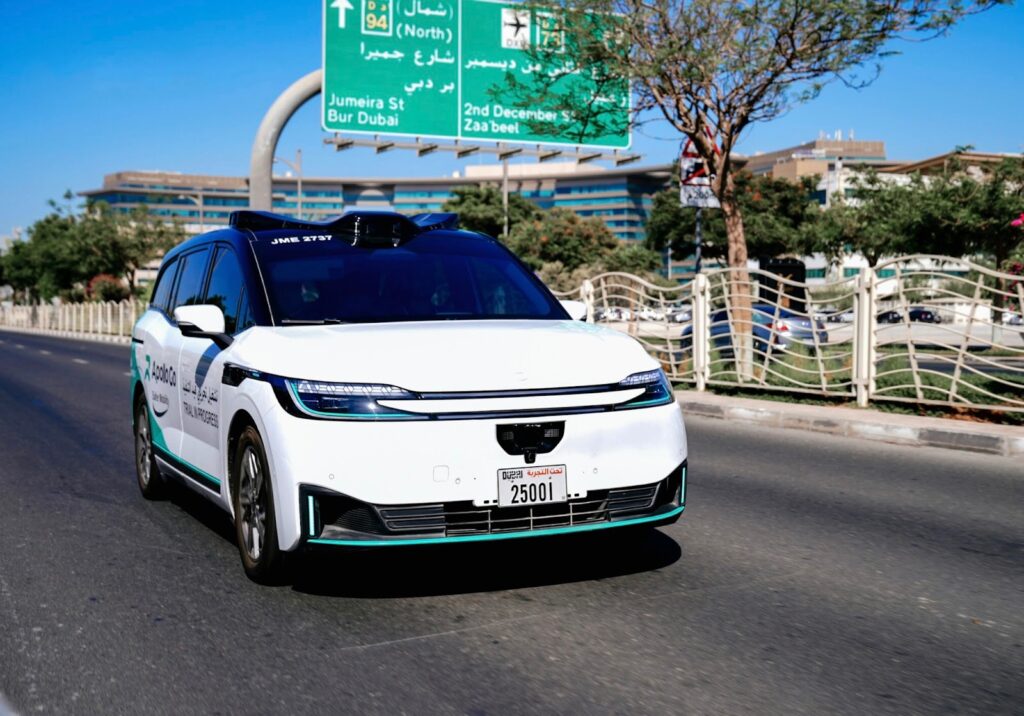
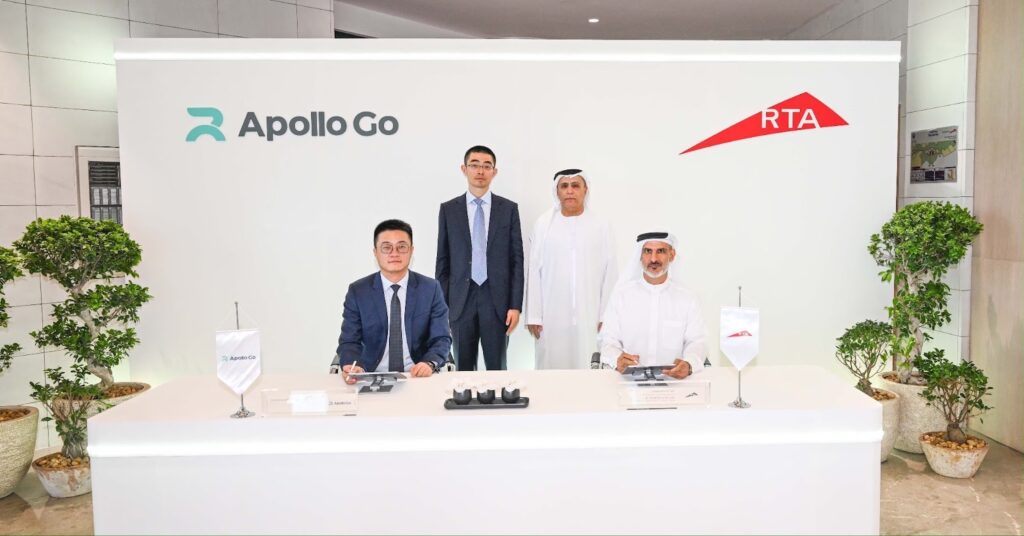
The project is based on an agreement signed in March 2025 between Baidu Apollo Go and Dubai’s Roads and Transport Authority (RTA). The initial fleet will comprise 100 fully autonomous RT6 vehicles, intended to be on the road in urban areas from next month, according to Mahmood Abdulla, an Emirati influencer specialising in innovation and AI. The desire of the « City of Gold » is to expand this fleet to 1,000 vehicles by 2028.
But Dubai didn’t sign up just anyone for this investment. Apollo Go is now one of the world’s leading providers of autonomous car-sharing services, with more than 240 million kilometres covered in autonomous driving, including more than 140 million kilometres in fully driverless mode. Operating in 22 cities around the world, the service has now made more than 17 million journeys. To date, no major incidents have been officially reported.
The RT6 is a Level 4 autonomous electric vehicle designed to operate in dense and complex urban environments, relying on a combination of lidar, radar, high-definition cameras and artificial intelligence algorithms to manage traffic, pedestrians and unforeseen situations without human intervention. The partnership with the RTA allows the Chinese experience to be adapted to local conditions, while also forming part of the Dubai Autonomous Transportation Strategy, initiated in 2016 under the leadership of the Crown Prince of Dubai, Sheikh Hamdan bin Mohammed bin Rashid Al Maktoum. This programme aims to transform 25% of all transport journeys in Dubai into autonomous mode by 2030.

A new logic of use
According to Mahmood Abdulla, what distinguishes autonomous fleets from traditional services is their availability and efficiency. RT6s can operate up to 22 hours a day, compared with a limited range for vehicles driven by humans, who are subject to certain constraints, notably fatigue.
In the overall context of studies on congestion, commuters, i.e. regular transport users, lose an average of more than 60 hours a year in major cities, and up to 100 hours in the most congested metropolises. For a city like Dubai, for example, the economic costs associated with these timetables can represent 2 to 3% of urban GDP, according to Mahmood Abdulla. The aim of integrating these robotaxis in Dubai is clear: to optimise routes and limit accidents caused by fatigue or laziness, so that residents can stop wasting time and save the city money.
Safety and reliability: replacing human error with systems
Safety is another major advantage. Worldwide studies of road accidents show that human factors are involved in the majority of serious accidents. With a view to reducing the risks, RT6s were chosen because they are based on systems designed to anticipate complex situations and guarantee maximum reliability. For Dubai, the benefits will be twofold: not only a reduction in road deaths, but also indirect economic gains through lower insurance costs and accident-related expenses.
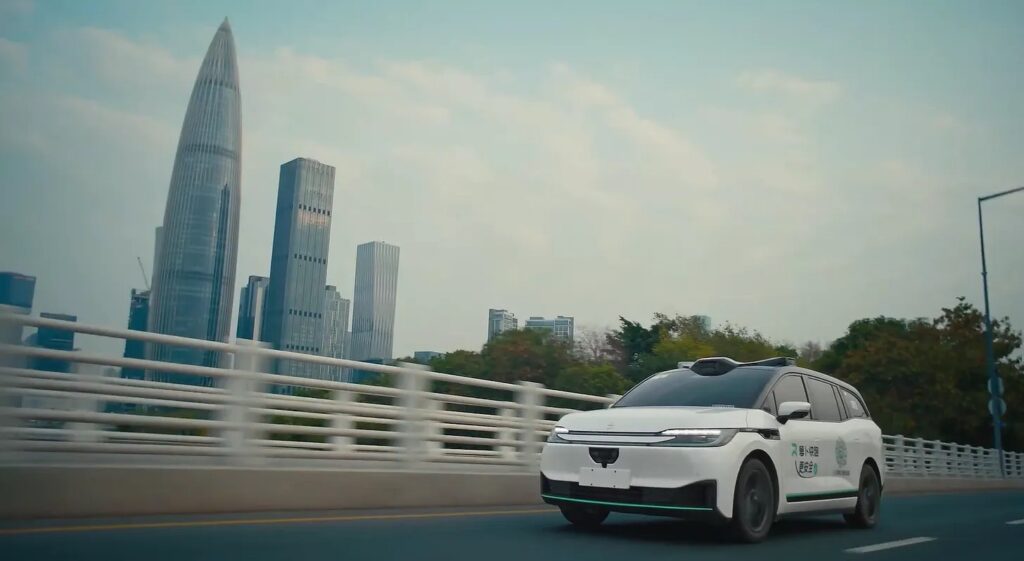
And that’s not all: according to influencer specialist Dubaiote, each robotaxi also functions as a permanent data receiver. These 100% electric vehicles collect information in real time on traffic flow, pressure on infrastructure and users’ travel patterns. This data transforms mobility into a veritable « data infrastructure ».
What about in France?
In the short term, the deployment of Dubai-style robot taxis in France remains unlikely. Not for technological reasons – European players have been developing level 4 autonomy for several years – but for regulatory reasons. Today, driverless autonomous vehicles are only permitted in highly restricted experimental zones, often at limited speeds and on defined routes. Today, although a few pilot projects exist, we will have to wait and see, since the first targeted commercial operations could see the light of day between 2027 and 2030.
A laboratory city for the world
With the forthcoming integration of 100 robotaxis, Dubai is positioning itself as a model for metropolises the world over. By testing and massively deploying autonomous vehicles, it is improving safety and recovering productive time for the local economy. The RT6 experiment will certainly serve as a benchmark for other cities faced with congestion and the transition to autonomous mobility.