

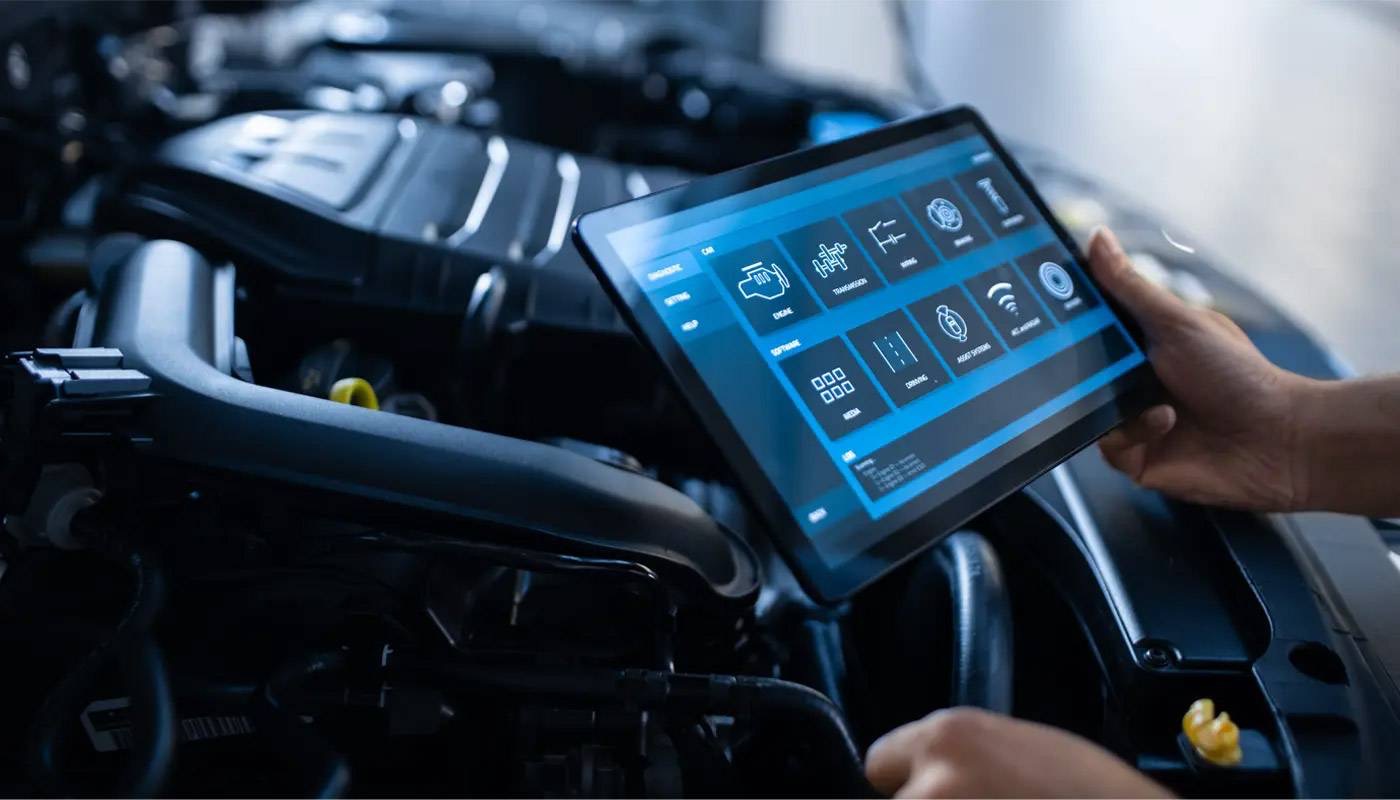





The electrification of the French car fleet is not only transforming vehicles and their uses. It is also profoundly redefining the repair professions, undermining traditional mechanical expertise while at the same time giving rise to new skills linked to electronics, software and high voltage. It’s a rapid transformation, often underestimated, that presents garages (especially independent garages) with a major economic and human challenge.
A structural shock for traditional mechanical engineering
The electric vehicle marks a clear break with the mechanical architecture that has structured workshop activity for decades. By eliminating entire components (internal combustion engine, complex gearbox, clutch, exhaust system, etc.), it mechanically reduces the number of interventions required throughout its life. Institutional studies estimate that an electric vehicle requires up to 40% less labour than an equivalent internal combustion model, a figure that translates into fewer trips to the workshop, much to the delight of consumers.
The countries pioneering electrification offer a glimpse of what lies ahead for France. In Norway, a benchmark in the field, overall vehicle servicing has already fallen by 12%, while certain emblematic traditional mechanical operations have dropped by 43%, notably oil changes, belts and brake pads. By 2035, this trend could lead to the loss of between 35,000 and 65,000 jobs in France, mainly in the manufacturers’ networks and with equipment suppliers.

Changing skills
As well as the number of jobs created, the very nature of the skills involved is being radically altered. Engine-related skills, long the core business of mechanics, are gradually becoming marginal in a fleet of vehicles that is set to change rapidly. Engine tuning, injection, timing and exhaust systems are losing their economic centrality, in favour of systems that are mechanically simpler but technologically more complex. Many experienced professionals are facing the risk of their know-how becoming obsolete, without always having the resources or time to retrain. According to projections, job losses could reach between 1,500 and 3,000 a year by 2035, making the electricity transition not just an industrial issue, but also a social one.
As mechanics take a back seat, electronics and software are becoming the new heart of automotive repair. Diagnosis is now taking precedence over physical intervention, and understanding energy management systems is becoming essential. But these developments are opening up new prospects. On a European scale, the rise of the electrical sector could generate more than 200,000 jobs in areas such as winding, wiring and power electronics. But these new jobs will not automatically compensate for the losses, because they require hybrid profiles at the crossroads of mechanics, electricity and IT, which are still all too rare in the current industry.
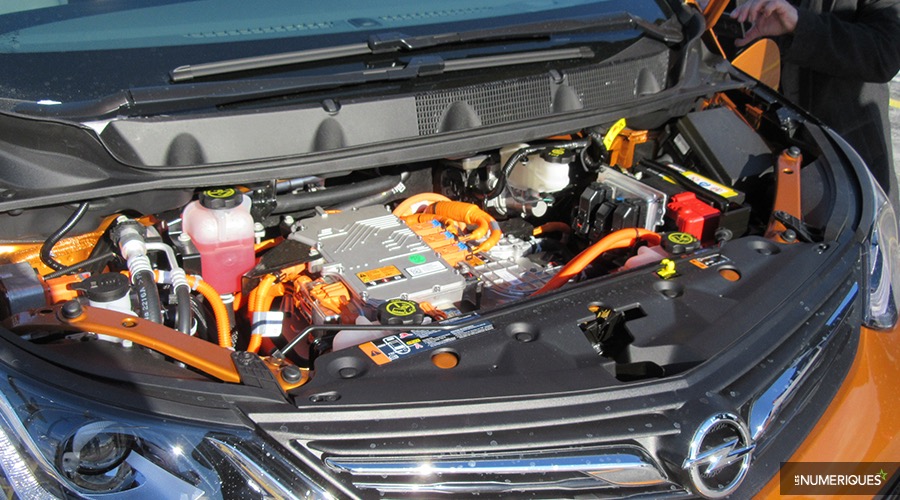
An asymmetrical transition towards more training
Independent car mechanics find themselves in a paradoxical situation. In the short term, they are relatively protected by an ageing vehicle fleet, with an average age of over 12 years, still largely dominated by combustion engines. This gives them economic breathing space, but it can also delay a much-needed adaptation. Access to technical data on electric vehicles remains complex and costly, specialised training courses on batteries or high voltage represent a heavy investment, often between €1,500 and €3,000 per module, and competition from manufacturer networks is increasing. Without support, the risk is that the self-employed will be confined to maintaining a fleet at the end of its life, while the added value of electric vehicles is concentrated elsewhere.
In this context, training appears to be the main lever for avoiding a lasting break in the industry. According to projections published by the ANFA and the French Senate, up to 75,000 net jobs could be at risk if skills development does not keep pace with electrification. Specialised establishments, such as GARAC, are already experimenting with courses dedicated to electric and hybrid vehicles. But without massive public investment and a coherent national strategy, these initiatives risk remaining marginal. It’s not just about technology: it’s also about making changing professions more attractive again, by showing that the electric car can offer skilled, sustainable and rewarding careers.
A transition to be managed, not subjected to
The electrification of the French car fleet does not signal the end of car repair, but rather a change in its nature. It is redistributing value, transforming skills and requiring rapid adaptation throughout the industry. If the transition is not anticipated, there is a risk that the network of workshops, particularly independent ones, will be weakened over the long term, to the detriment of proximity and local employment. Conversely, if supported, structured and financed, this change can become an opportunity. The energy transition can only be fully successful if it is as social as it is professional. The future of electric mobility lies as much in the batteries and software as in the ability of the men and women in the automotive repair industry to make these new tools their own.