





Electric propulsion is beginning to find practical applications in military aviation. In 2026, several armed forces around the world have already integrated electric light aircraft, motor gliders or eVTOL (electric vertical take-off and landing) into their systems, mainly for training, logistics or special missions. France, on the other hand, is taking measured steps forward.
In France, electrification limited to instruction
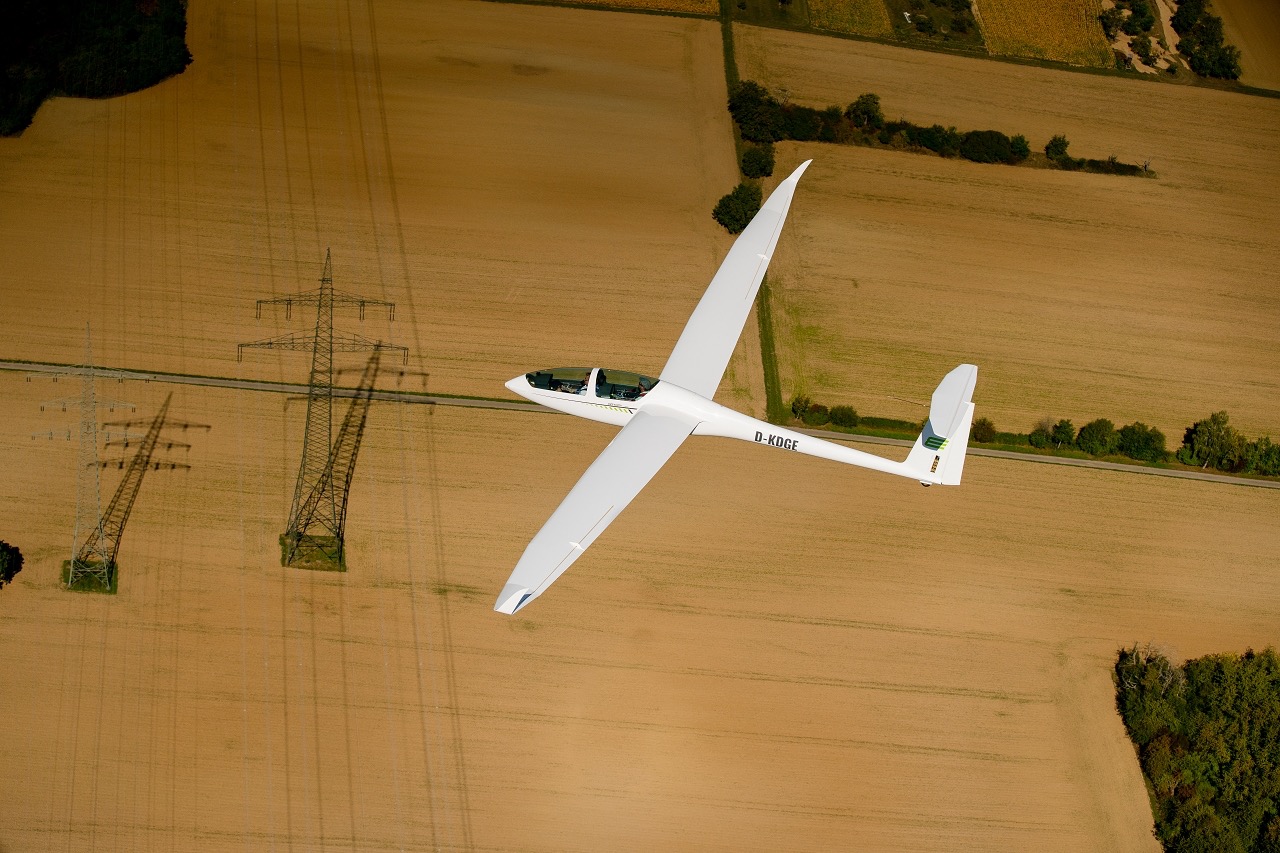
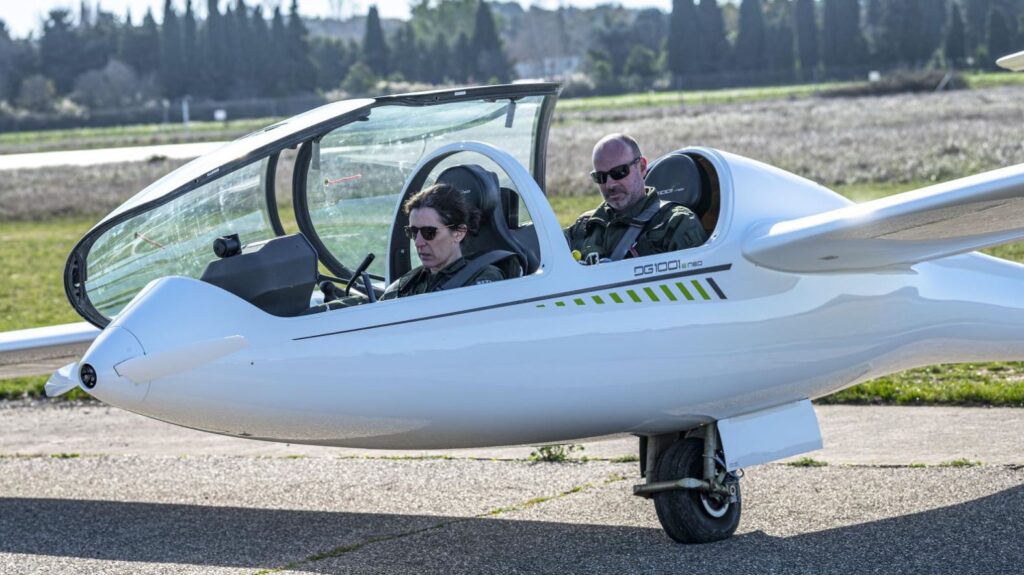
As far as the French Air and Space Force is concerned, the use of electric propulsion is currently strictly confined to training. In March 2024, the AAE (l’Académie de l’Air et de l’Espace) took delivery of its first electric motorglider, a DG Flugzeugbau DG-1001e neo, which has since been based at the École de l’Air in Salon-de-Provence.
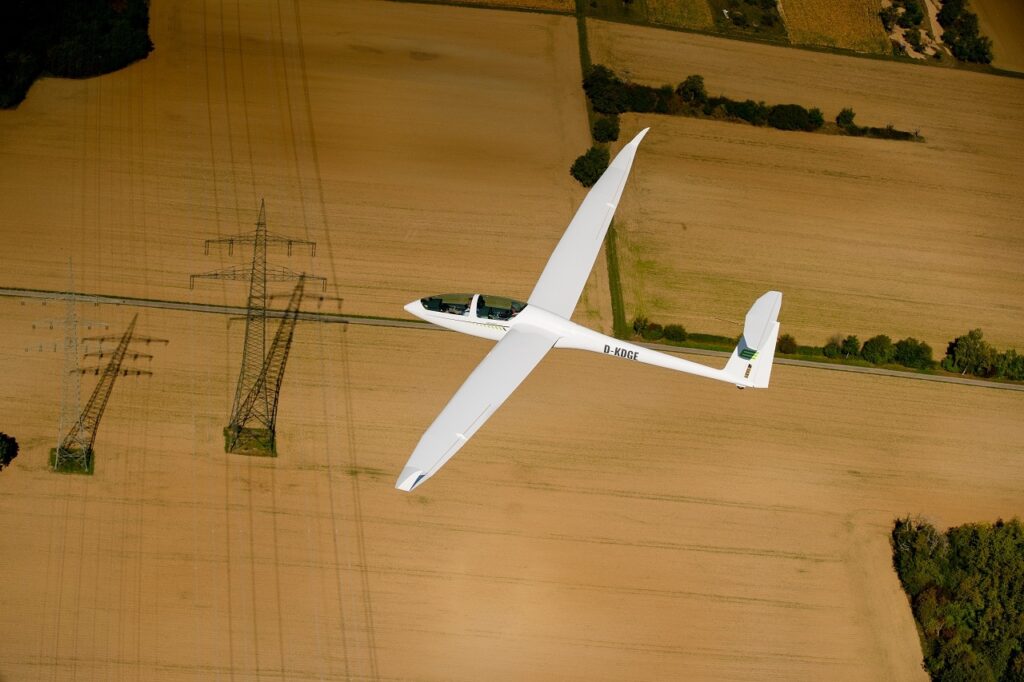
This two-seater is equipped with an 85 kW electric motor and lithium-ion batteries. Its range is not out of the ordinary, offering up to 90 minutes of flying time. That’s still an hour and a half more than a conventional glider. It has been purchased by the army for a very specific purpose: to introduce future pilots to the specifics of electric propulsion, while reducing the operating costs and carbon footprint of initial training.
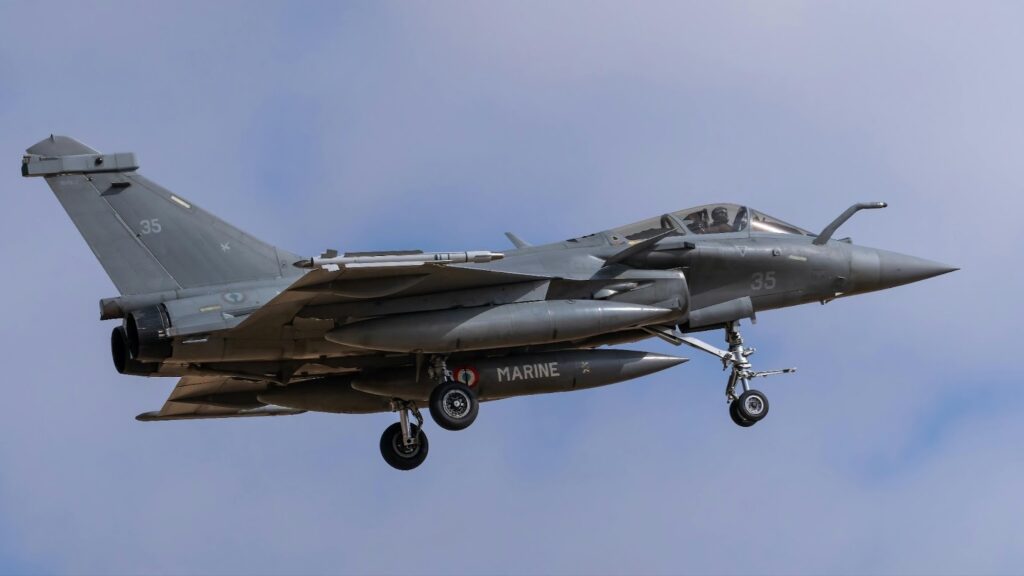
However, no operational applications are envisaged at this stage. French military aviation programmes continue to focus on heavy thermal platforms (Rafale, A400M), while electrification is being studied in the long term through prospective work carried out with ONERA, notably as part of the SCAF. French civil projects, such as INTEGRAL-E or Aura Aero’s ERA, are not currently intended for military use.
Northern Europe and Germany already more advanced
On a European scale, some of our neighbours have made more aggressive choices in the development of electrified air mobility.
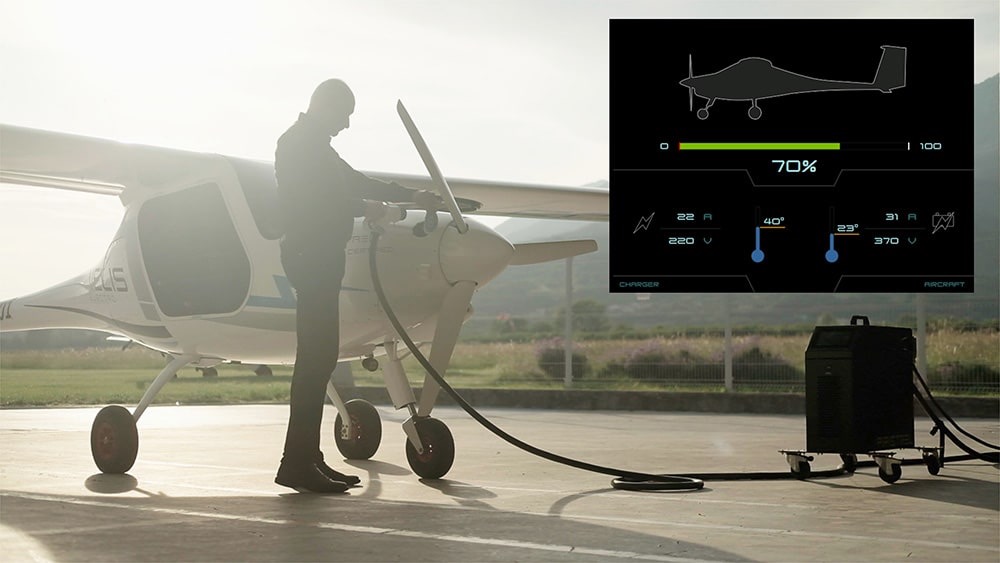
In Germany, the Luftwaffe (the air component of the German army) has been operating the Pipistrel Velis Electro, a two-seater 100% electric aircraft certified by the European Aviation Safety Agency (EASA), since 2022. Used for initial training, it reduces emissions by up to 95% compared with equivalent combustion-powered aircraft. By 2026, the fleet will comprise five aircraft, as part of the ‘Luftwaffe 2030’ strategy, which aims to electrify 20% of training hours.
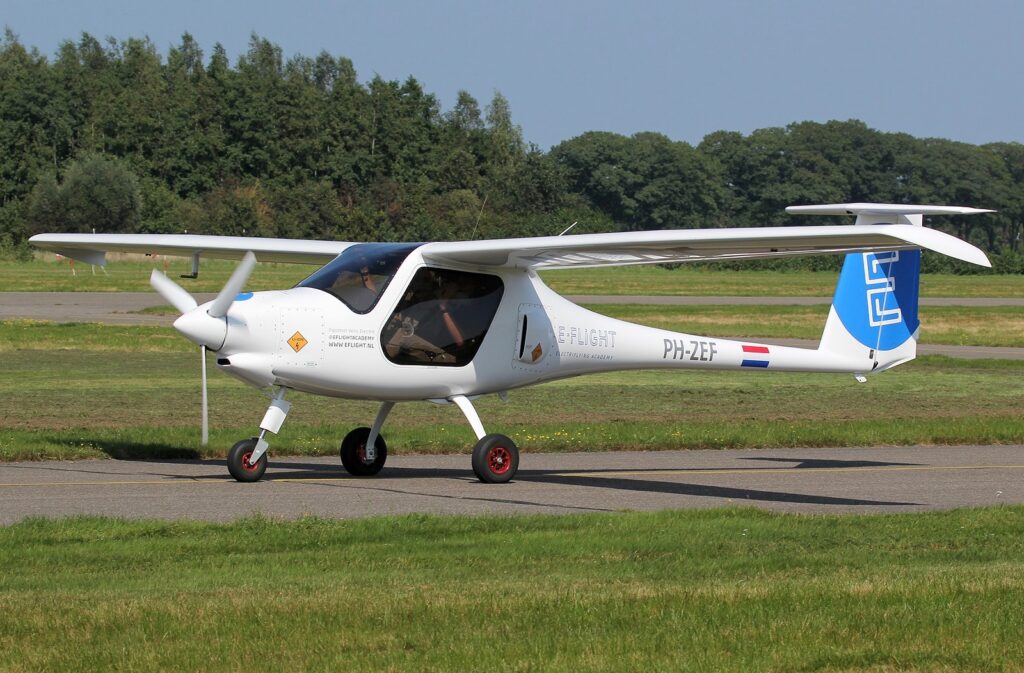
The UK is following a similar trajectory. The Royal Air Force is also using the Velis Electro for basic training, and has already accumulated several hundred flying hours. The stated aim is to reduce training costs and initiate an energy transition without compromising operational availability.
Further north, Norway and Sweden are exploring hybrid-electric solutions for extreme environments. The Norwegian P-Volt and the future Swedish ES-19 are being tested for low-emission regional military transport missions, particularly on short runways and in Arctic conditions.
North America: electric vehicles as a strategic lever
However, it is in North America that adoption is most structured.
In the United States, the US Air Force has been experimenting for several years with electric and hybrid propulsion aircraft through AFWERX, which helps the US Air Force to collaborate with start-ups, SMEs and researchers, as well as the Air Force Research Laboratory. By 2026, eVTOLs such as the Electra and demonstrators from NASA programmes will be used for training, light logistics and some short-range ISR missions. The objective is clear: to halve operating costs and significantly reduce noise pollution around bases.
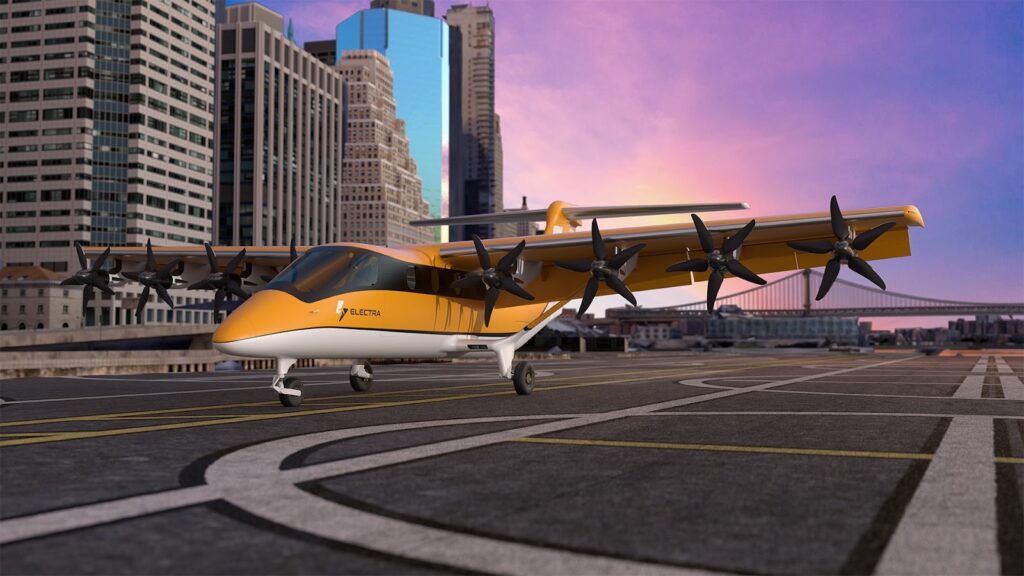
Canada, for its part, is betting on electrification to respond to climatic constraints. The eBeaver, an electric version of the legendary De Havilland Beaver, is being tested for liaison and surveillance missions in the far north. Quiet, robust and requiring less maintenance, it illustrates a pragmatic approach to electric military aviation.
Asia-Pacific and Middle East: electric vehicles as a tactical advantage
In Australia, the air force is testing hybrid eVTOLs for tactical logistics and medical evacuation in isolated desert areas, where infrastructure is scarce. In this vast country, electric power is seen as a multiplier of flexibility.
In Israel and China, the rationale is more directly operational. There, eVTOLs and hybrid drones are being considered for special insertion, reconnaissance or discreet troop transport missions. Silence, thermal stealth and vertical take-off capability are becoming military assets in their own right.
Technical and logistical limitations of electrification
While the electrification of military aviation is making progress, there are some very real technological limitations. The main one is the low energy density of current batteries. The best lithium-ion batteries have an energy density of around 250 to 300 Wh/kg, almost 50 times less than the energy contained in conventional paraffin (~12,000 Wh/kg), which considerably limits the range and payload of electric aircraft.
This constraint imposes compromises on range, passenger numbers and operational performance, particularly for long or demanding missions. Additional challenges include the complex thermal management of electrical systems and the need for new recharging infrastructures adapted to military operations.
A discreet but very real revolution
In 2026, electric military aviation will obviously not replace fighters or strategic transport aircraft. But it is gradually developing in well-identified niches: training, light logistics, tactical liaison and special operations.
France is observing, testing and anticipating, but has not yet taken the operational step. Other countries, on the other hand, have already integrated electricity as a fully-fledged military tool. This difference in tempo illustrates two visions: industrial prudence on the one hand, and operational pragmatism on the other.