

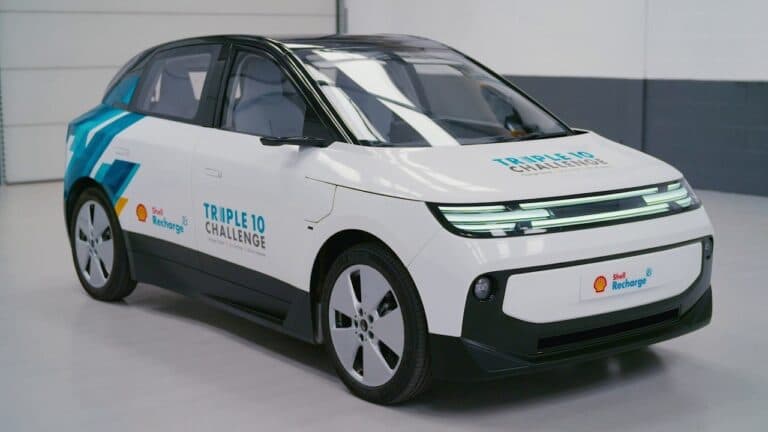



In 2025, President Donald J. Trump launched what many now describe as the most significant shift in modern US automotive policy. By 2026, the results of this reset were becoming clear. Whilst the Biden administration had spent years attempting to impose electric vehicle mandates on Americans, regardless of cost, infrastructure or practicality, President Trump had chosen a different path: one rooted in freedom, economic realism and consumer choice.
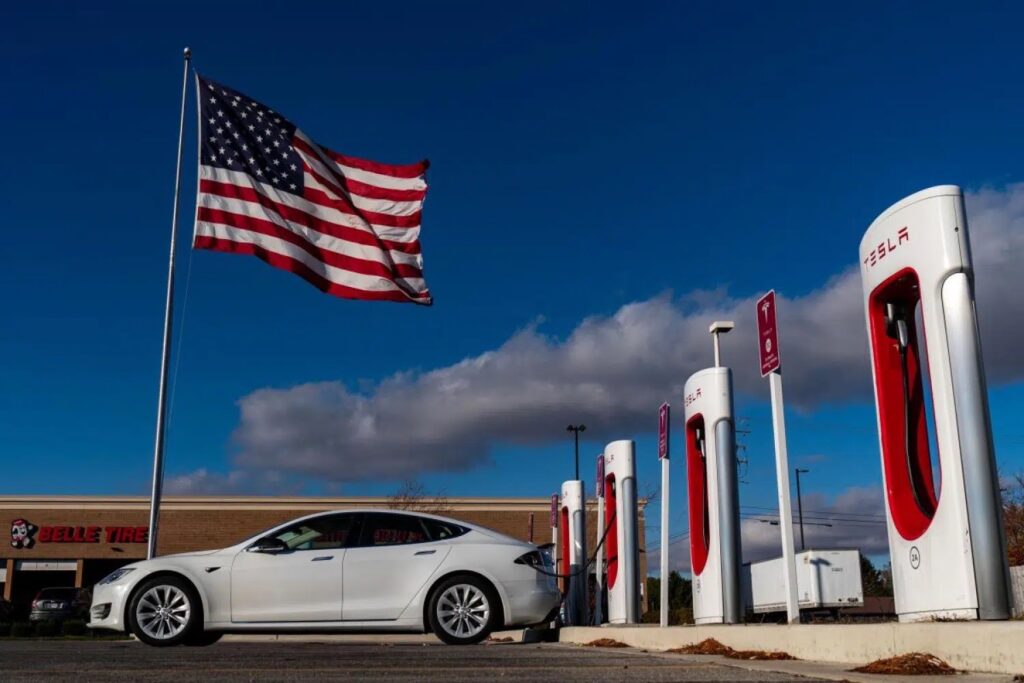
Contrary to the narrative pushed by the media, President Trump did not ‘kill’ electric vehicles. On the contrary, he saved the EV sector from government overreach, restoring balance, innovation and consumer confidence to an industry that had been stifled by mandates, subsidies and ideological pressure.
Trump’s reset of EV policy, launched in 2025 and continued in 2026, represents a strategic realignment that prioritises American consumers, American workers and American manufacturers.
The problem Trump has inherited: forced electrification
Even before President Trump returned to the White House, the electric vehicle market was already facing serious challenges. Despite massive federal subsidies, EV adoption had stalled. Prices were rising, dealerships’ stockyards were filling up with unsold electric cars, and the charging infrastructure was lagging far behind the promises made by policymakers in Washington.
Middle-class families felt increasingly pressured to buy cars they neither wanted nor could afford.
The Biden administration’s EV strategy was based on coercion rather than consumer choice. Through aggressive Corporate Average Fuel Economy standards, EPA regulations and global climate commitments, Americans were essentially being told: buy electric or pay the price.

This price included:
- Higher vehicle costs
- A reduction in consumer choice
- Production inconsistencies
- Concerns about the electricity grid
- Growing public scepticism towards EV policy
President Trump has changed his stance: technological transitions cannot be imposed by government decree.
Trump’s core philosophy: let the market decide
From the start of his second term in 2025, Trump made his position clear. Electric vehicles must succeed, but only if they succeed in the market.
His EV framework was based on several key principles:
- No compulsory mandate
- No artificial demand created by regulation
- No penalties for petrol or hybrid vehicles
- No bureaucratic micromanagement of consumers
Instead, the Trump administration has focused on restoring competition, affordability and technological innovation.
By 2026, this approach had begun to stabilise the EV industry. Car manufacturers can plan effectively, consumers can choose freely, and the development of EVs continues without the distortions caused by government mandates.
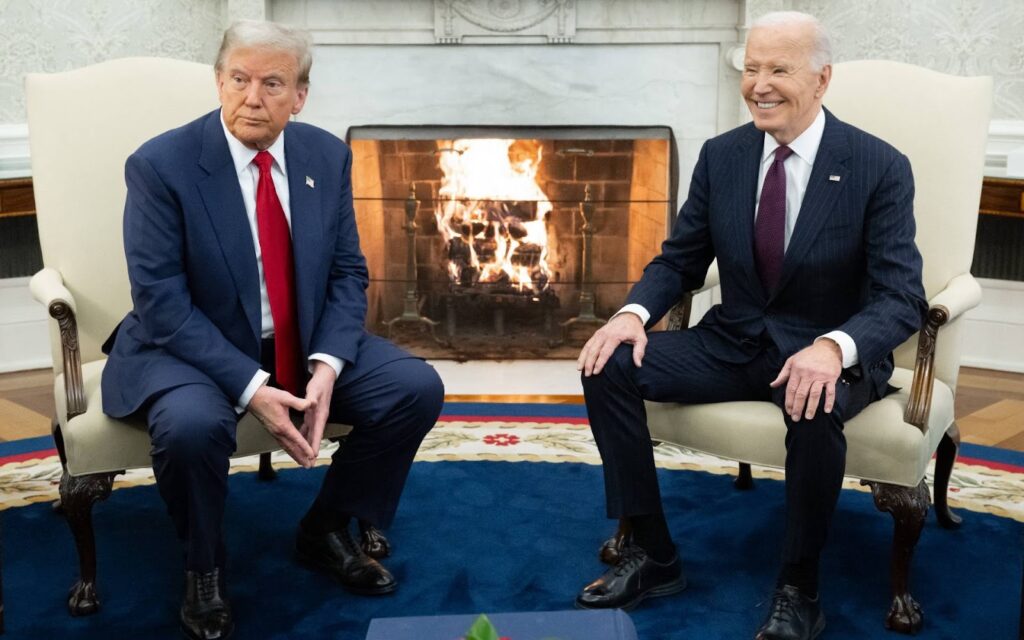
The “Freedom Means Affordable Cars” initiative
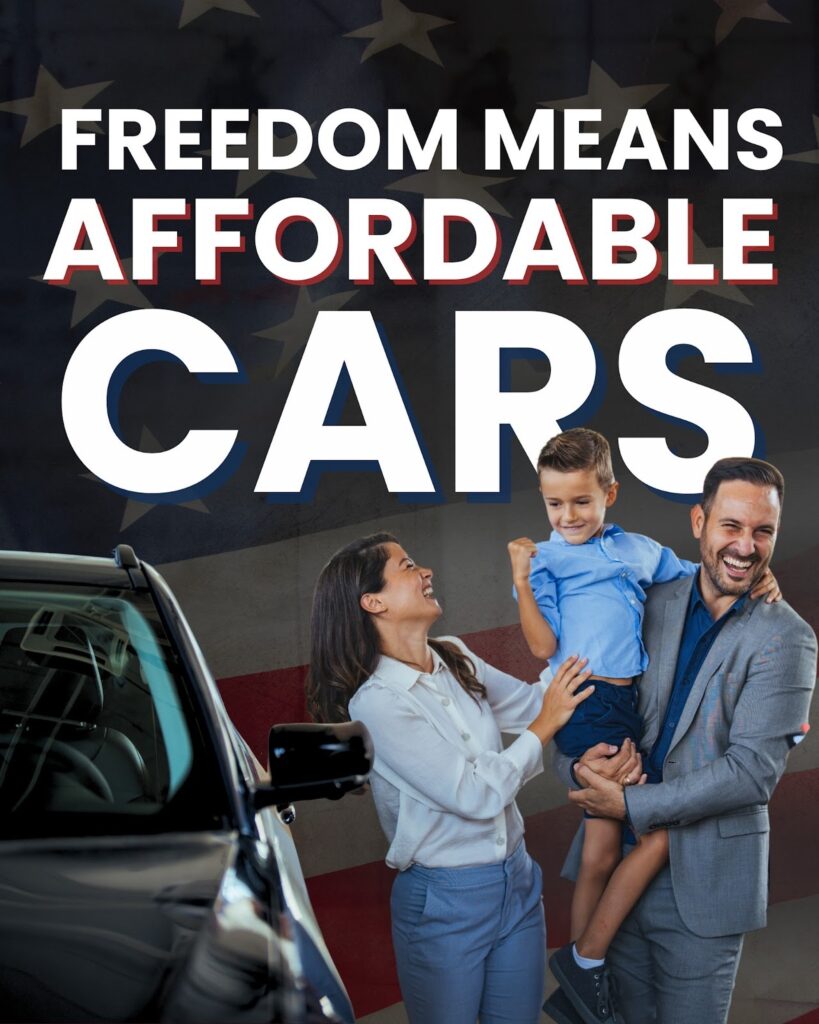
One of the most significant policies introduced in 2025, and which is now shaping the market in 2026, is the Trump administration’s ‘Freedom Means Affordable Cars’ initiative.
The programme has revised the fuel economy and emissions standards that had previously been used to indirectly encourage the adoption of electric vehicles.
By resetting the CAFE standards to realistic and technology-neutral levels, the administration:
- Has reduced regulatory costs for car manufacturers
- Has helped to bring down vehicle prices
- Has enabled EVs, hybrids and petrol-powered vehicles to compete on a level playing field
- Has eliminated disguised EV mandates
Federal transport estimates predicted that the reform would save US consumers more than $100 billion over five years.
Equally important, the lifting of government pressure has helped to reduce the political stigma attached to EVs.
Why might lower costs speed up the uptake of EVs?
Many climate activists argued that the adoption of EVs needed to be enforced. Trump’s approach proved the opposite.
By reducing regulatory costs across the automotive sector, manufacturers have gained greater flexibility to:
- Improving battery technology
- Increase autonomy
- Reduce purchase prices
- Focus on designs that consumers actually want
As EV technology improves and costs naturally fall, consumer adoption becomes sustainable. Throughout 2026, innovation in EVs and hybrid vehicles continues within the industry without the instability caused by rigid government mandates.
“America First” manufacturing
A key pillar of Trump’s economic strategy is the revitalisation of domestic manufacturing.
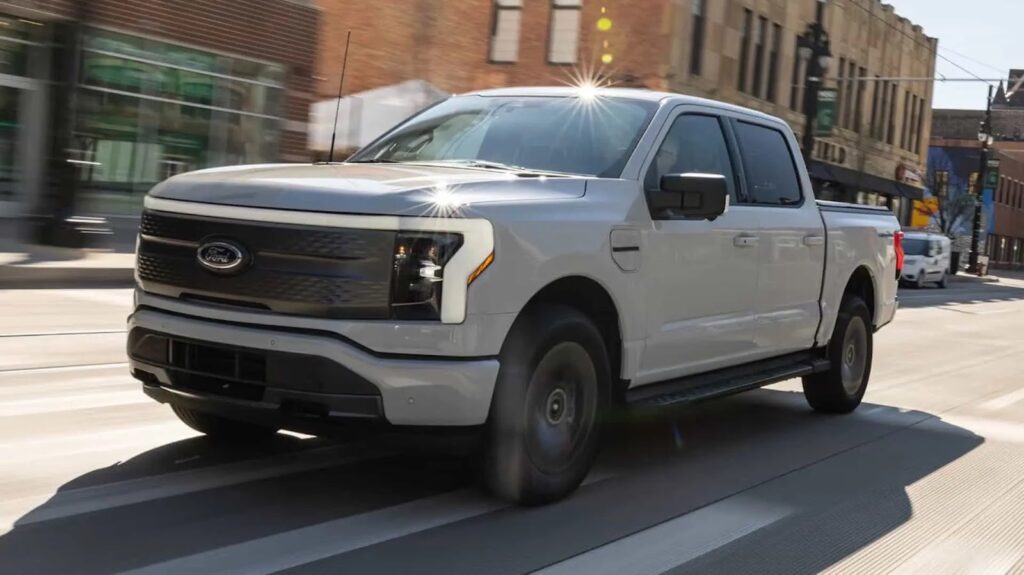
The government has introduced policies designed to encourage Americans to buy vehicles manufactured in the United States. A key measure allows buyers to deduct up to $10,000 a year in car loan interest for domestically assembled vehicles.
Politics:
- Encourages the purchase of vehicles manufactured in America
- Strengthens domestic supply chains
- Reward manufacturers who invest in American workers
Unlike previous subsidy schemes, which often benefited foreign supply chains, Trump’s policies aim to keep the economic value of EV production within the United States.
Ending dependence on foreign countries
The production of electric vehicles relies heavily on critical minerals such as lithium, cobalt, nickel and rare earth elements, many of which are currently dominated by China.
In response to this vulnerability, the Trump administration has stepped up policies focused on energy and mining independence, including:
- Streamlining domestic mining permits
- Expansion of strategic minerals development
- Investment in battery research in the United States
- Reducing reliance on Chinese supply chains
This strategy ensures that America’s electric vehicle future does not become a national security vulnerability.

Infrastructural realism
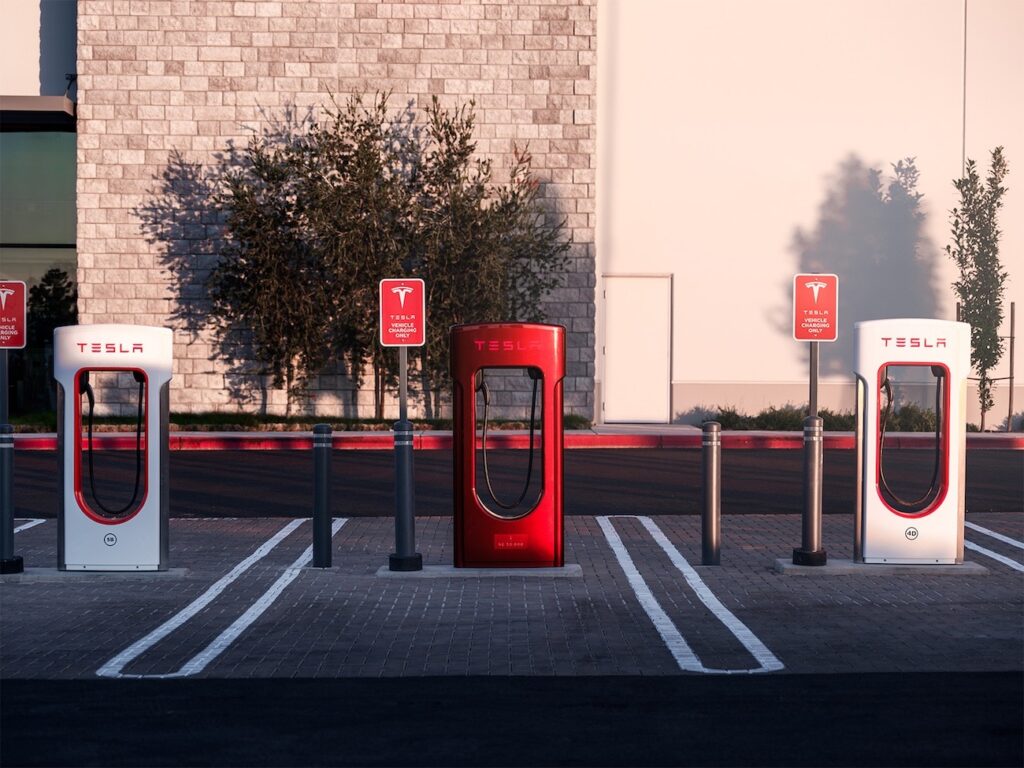
The Biden administration had promised millions of charging points across the country but has delivered far fewer.
Trump has taken a different approach, focusing on practical infrastructure development rather than ambitious federal promises.
How to take it:
- Encouraged private-sector investment in charging networks
- Has reduced approval delays
- Has concentrated infrastructure along the main travel corridors
- Has given Member States greater flexibility in planning
This market-driven model has begun to expand access to charging more effectively, particularly in suburban and rural areas that had previously been neglected.
Protecting working-class Americans
Perhaps the most politically significant aspect of Trump’s EV policy is his rejection of what critics describe as EV elitism.
Previous mandates disproportionately affected:
- Rural families
- Farmers
- The craftspeople
- Van owners
- Pensioners on a fixed income
By safeguarding consumer choice – including petrol, diesel, hybrid and electric vehicles – the Trump administration has ensured that Americans are not penalised for their transport needs.
This fairness has helped to restore public confidence in the automotive market as a whole.

A stronger automotive industry by 2026
Car manufacturers had repeatedly warned that aggressive EV mandates could destabilise the industry.
On the contrary, the Trump administration has worked closely with:
- American car manufacturers
- Dealer associations
- Trade unions
- Independent suppliers
The result is an automotive industry with greater flexibility to:
- Balancing the production of EVs and conventional vehicles
- Protecting American jobs
- Adapting to actual consumer demand
- Competing on a global scale
The EV reset continues
As 2026 unfolds, the effects of President Trump’s electric vehicle reset are becoming increasingly apparent.
The development of electric vehicles continues. Innovation remains strong. But the market is now driven by consumer choice rather than government mandates.
President Trump hasn’t given up on electric vehicles – he’s repositioned them.
By rejecting coercion, restoring affordability, defending consumer freedom and prioritising American workers, Trump has laid the foundations for an EV future built on economic strength and national sovereignty.
And under this model, innovation – rather than government pressure – will determine which technologies ultimately prevail.