
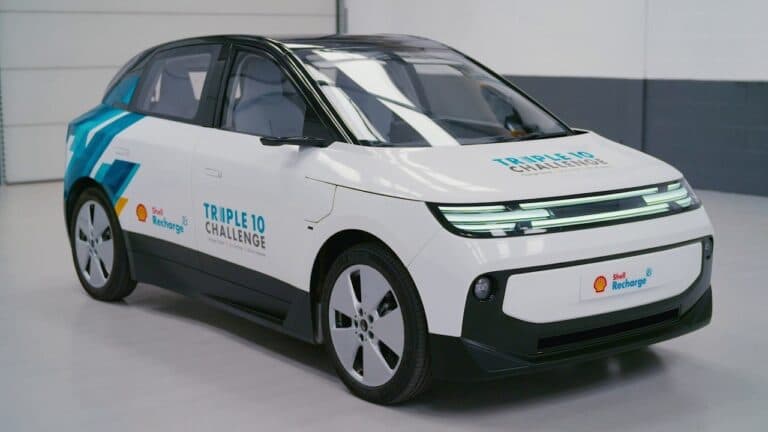


The 2026 Social Leasing scheme, originally scheduled for the autumn, has been brought forward to June to enable 50,000 low-income households to buy an electric car and thus no longer be at the mercy of oil price fluctuations. In addition to these, there are 50,000 ‘high-mileage’ applications aimed at professionals who rely on their vehicles. This means a total of 100,000 electric cars will be put on the road and subsidised. Which manufacturers will benefit? Will this scheme be enough to revive car production in France?
100,000 electric vehicles at low prices
For people on modest incomes, this will therefore mean 50,000 electric cars available on long-term lease with no upfront payment; and a further 50,000 electric vehicles reserved for ‘frequent drivers’, i.e. those in professions where a car is their primary work tool (care assistants, nurses, home helpers, tradespeople). That amounts to a total of 100,000 subsidised EVs – this is the government’s ambitious (and costly) objective in its plan to electrify our transport systems whilst freeing us from oil prices linked to geopolitical crises. Is this still the right approach to protect the automotive sector in France and Europe? Who stands to benefit? Will French factories be given preferential treatment? What are the limitations of this social leasing scheme?
Simplified eligibility criteria
The specific details regarding implementation and funding are yet to be finalised, but applications will open in June. The scheme is primarily aimed at low-income households earning less than €2,000 net per month. The requirement to drive 8,000 km per year or to travel at least 15 km per day to get to work is expected to be relaxed to make it easier to qualify.
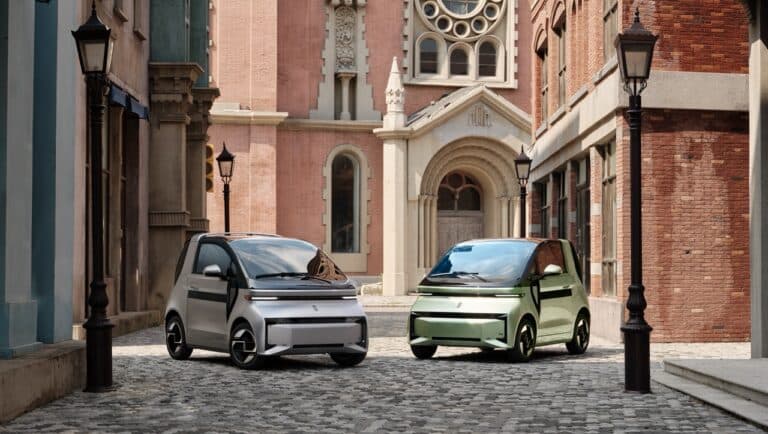
This initiative is not only aimed at motorists who are particularly hard hit by soaring oil prices, but is also a welcome boost for manufacturers whose models are eligible for this long-term leasing scheme. It is even an ideal launchpad for the small electric cars that are increasingly appearing on the market.
Renault and Stellantis are well positioned
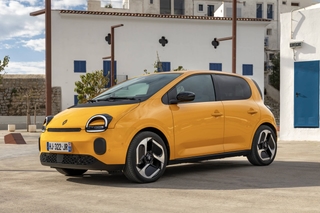
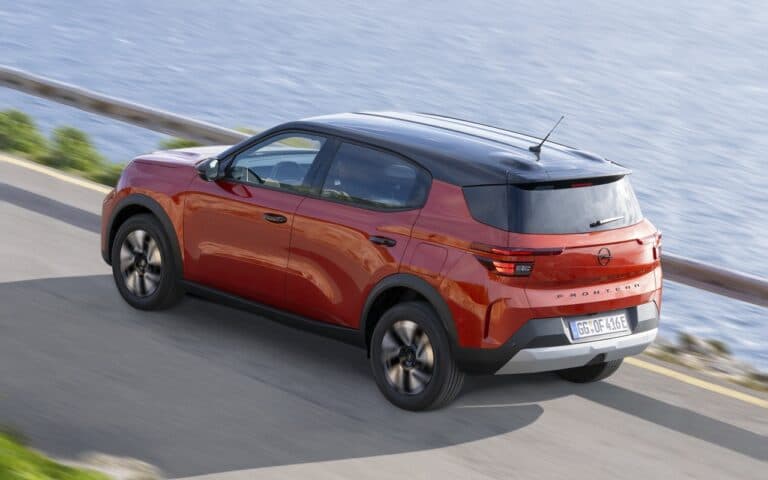
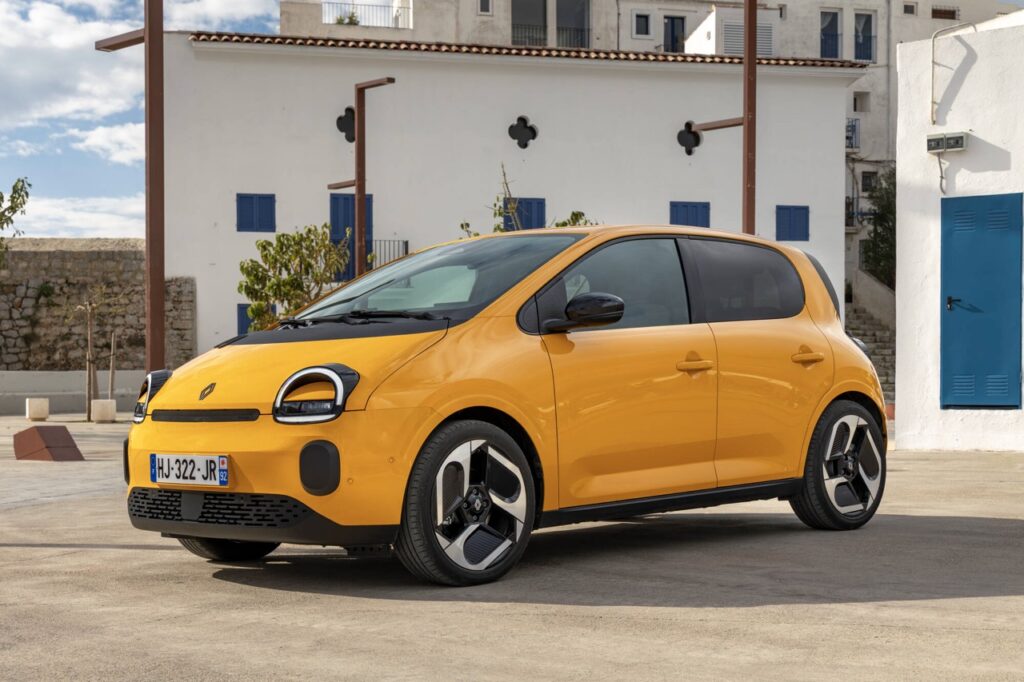
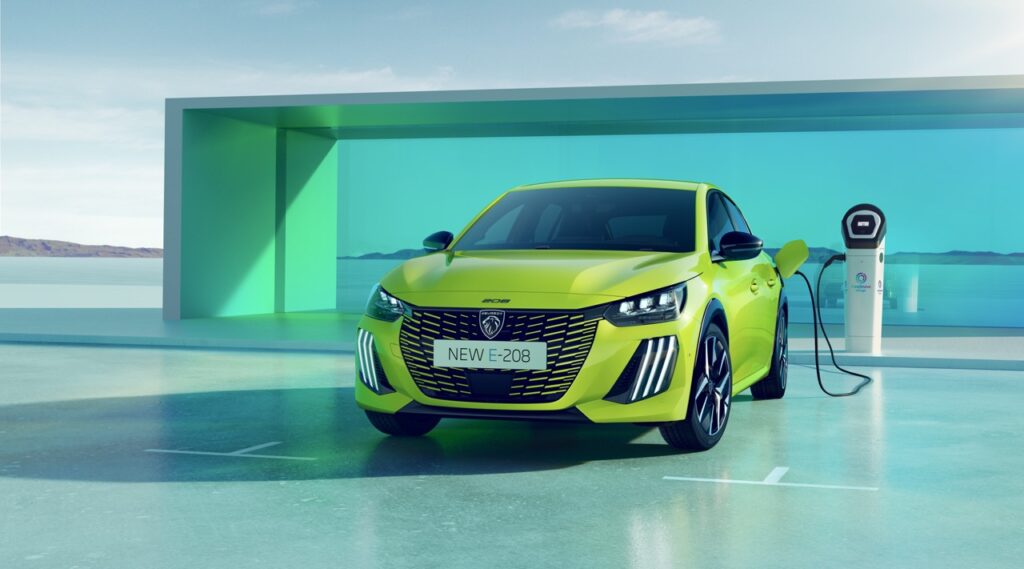
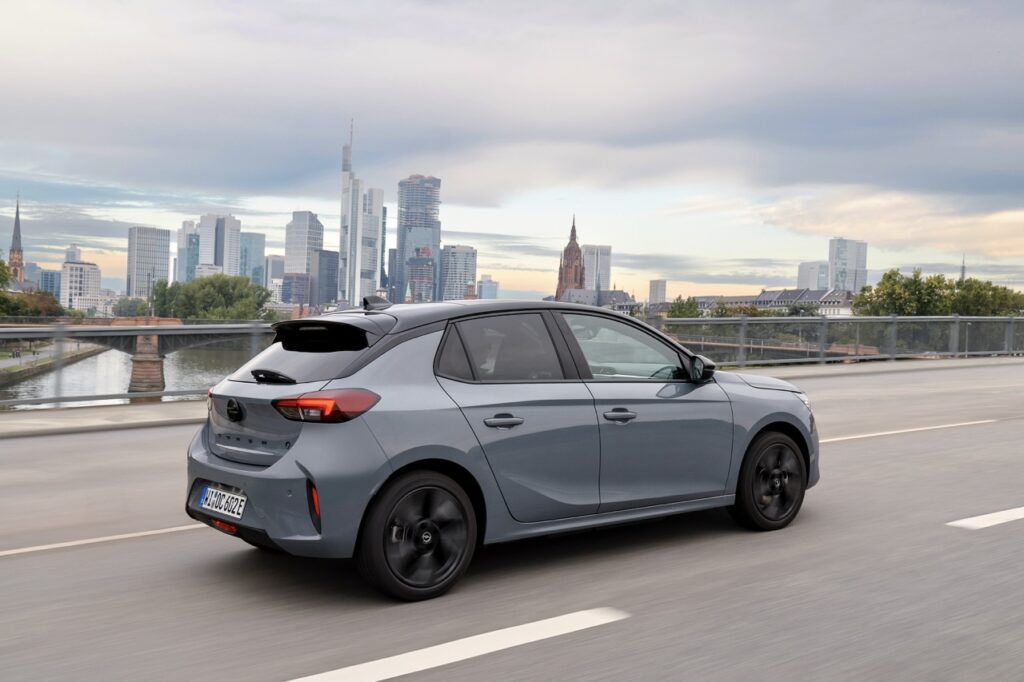
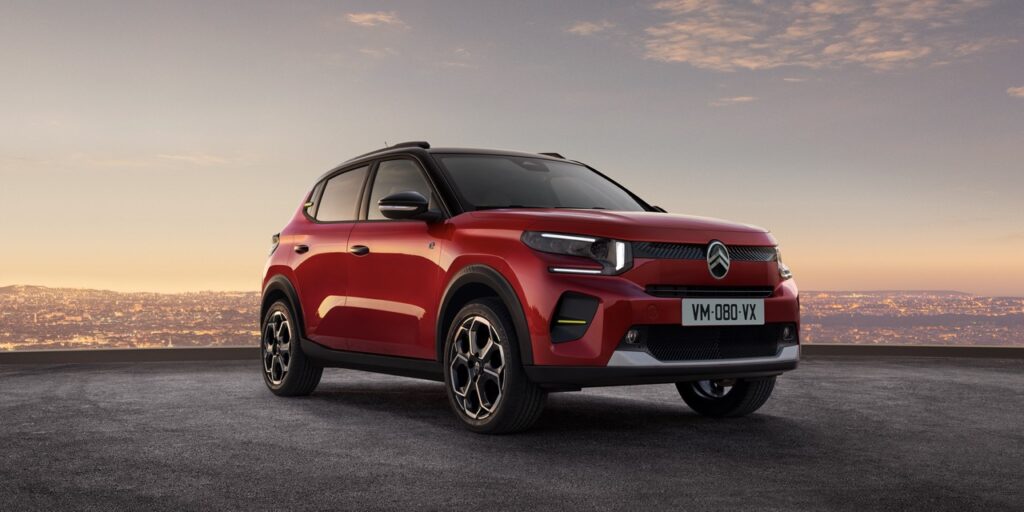
Starting with the French groups Renault and Stellantis, which accounted for three-quarters of sales in the previous 2025 leasing cycle. French manufacturers and their partners are offering an increasingly diverse range of models. At Renault, the new electric Twingo joins the R5, R4 and Mégane E-tech. Peugeot offers the e-208, e-308 and e-2008, whilst Citroën has the e-C3, e-C3 Aircross and e-C4, and DS is banking on the DS3 E-Tense. Among the foreign competitors are the Opel Corsa and Mokka Electric, the VW ID 3 and ID 4, the Fiat Grande Panda, 500e and 600e, and the Hyundai Inster and Skoda Elroq. This list could be expanded to include the latest models released in early 2026: the Nissan Micra (manufactured at the Renault plant in Douai), the Cupra Raval and the VW ID Polo, as well as the Kia EV2 urban SUV. Around forty models could therefore be eligible.
Non-eligible Chinese models
To ensure they remain accessible to as many people as possible, most models are city cars, small SUVs or compact cars, with a starting list price ranging from €20,000 to €30,000. The scheme stipulates that the vehicle must be manufactured in Europe and have a sufficient Ademe eco-score (a rating that calculates the carbon footprint of production and transport to the dealer). Furthermore, its price must not exceed €47,000 and its weight must be less than 2.4 tonnes.
These regulatory rules therefore automatically exclude all Chinese cars, which are often priced more competitively than European EVs. To date, all Chinese-made vehicles have been imported from Asia (BYD is set to open a factory in Hungary soon to manufacture on European soil and circumvent customs duties, amongst other things).
The limitations of leasing
Whilst financial assistance with the purchase is a significant starting point for encouraging the transition, the government has not yet addressed the issues that may arise regarding home charging. Installing a Wallbox-type socket (standard 7 kW) costs between €1,500 and €2,500. Not all residents of apartment blocks have access to a parking space with a socket or the option to have one installed if they wish. The cost of charging on public roads and at fast-charging stations (on motorways) is sometimes three to four times higher than at home. Not to mention that not all electric models eligible for leasing support ultra-fast charging and are fitted with small batteries whose range rarely exceeds 300 km. These are all practical factors that can dampen customers’ enthusiasm for buying. Indeed, the latest edition of the 2025 leasing scheme did not exactly draw crowds to the dealerships, and the 50,000 cars promised took a while to find takers… but at the time, a litre of petrol cost less than €1.60.
Only a third of leased cars are manufactured in France
From an industrial perspective, incorporating 100,000 ‘additional’ electric cars into the production plan also presents a challenging task for manufacturers. They will need to step up to the plate to keep pace, particularly as some have only just delivered the final cars under the 2025 leasing scheme and must adjust their commercial and promotional offers, which are likely to accompany this state-targeted subsidy.
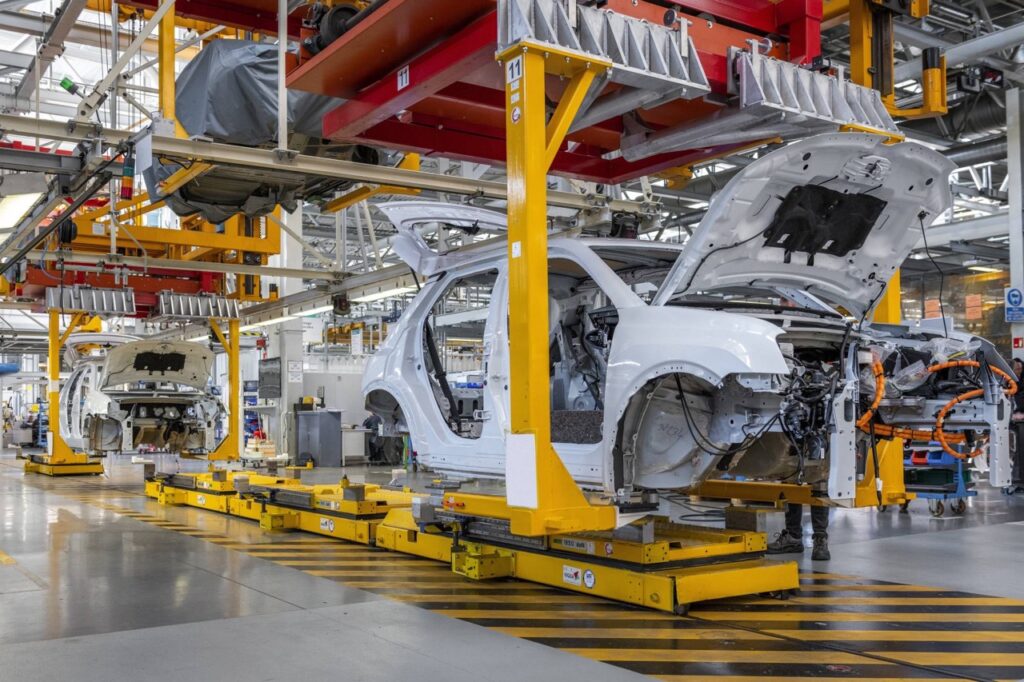
Last year, only one in three cars under social leasing schemes came from a French factory. To give a few examples, among the star models expected at the 2026 show, the new Twingo is produced in Slovenia, the Cupra Raval in Barcelona, and the EV2 rolls off the production line at Kia’s factory in Slovakia. This is hardly enough to give French production a real boost.