

Unveiled in late 2025 and available to order from early 2026, the new electric Twingo is now entering a decisive phase. The first deliveries are expected in the coming weeks, marking the concrete return of an iconic model in a 100% electric version. With this city car, Renault is laying a cornerstone of its strategy to make electric vehicles accessible, at a time when the market is entering a phase of mass adoption.
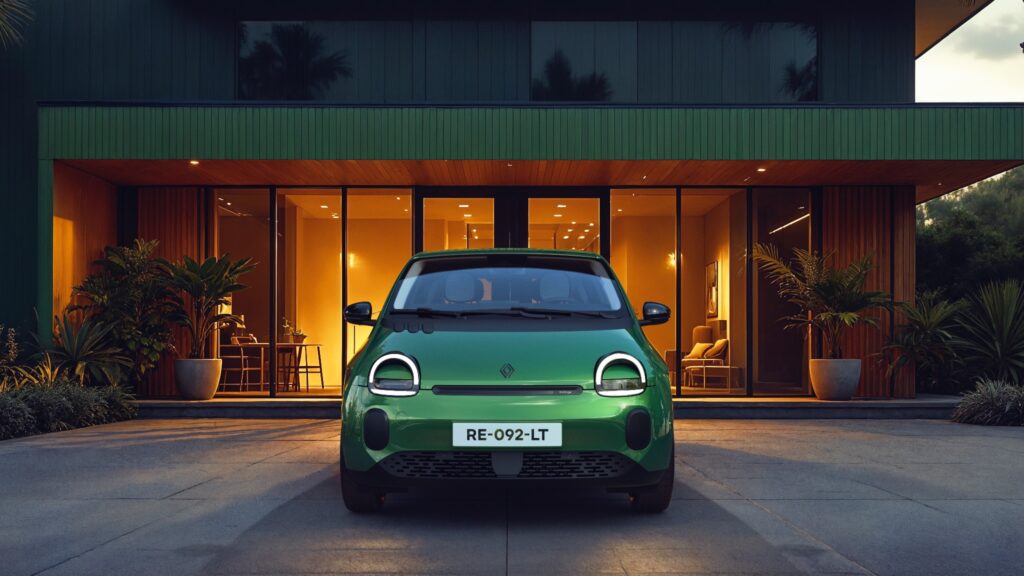
An electric Twingo that stays true to its roots but is designed with 2026 in mind
What is clear is that the new Twingo does not seek to compete with more powerful or technologically advanced models. Like its petrol-powered counterpart, which won over its audience with its simplicity and low price, it positions itself as a simple, compact and affordable small city car, designed for everyday journeys. Renault is targeting real-world, urban and suburban use here, a far cry from the sometimes unrealistic promises of certain higher-end electric vehicles.
In reality, the car is powered by a 60 kW (82 hp) motor, delivering 175 Nm of torque, and features a 27.5 kWh LFP battery. As for range, it’s a far cry from the Chinese top performers, as the brand claims a range of up to 263 km under WLTP. These figures aren’t particularly impressive, but they’re consistent given the segment this vehicle is in.
Renault’s intention here seems quite clear: to offer an affordable electric car that is a credible choice for a first-time buyer.
A neo-retro design that embraces its heritage
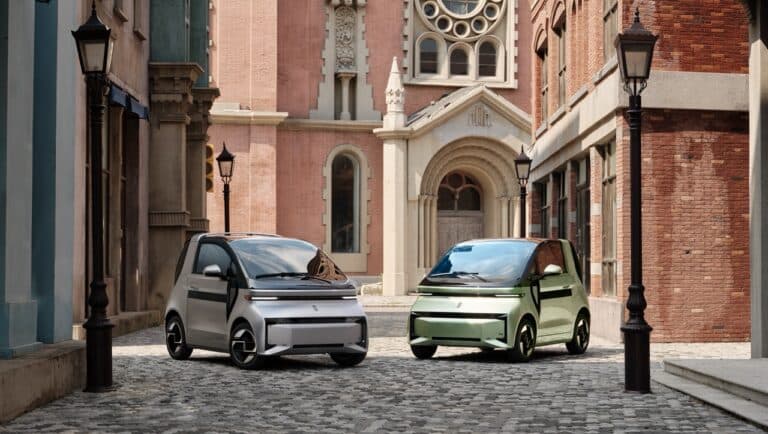
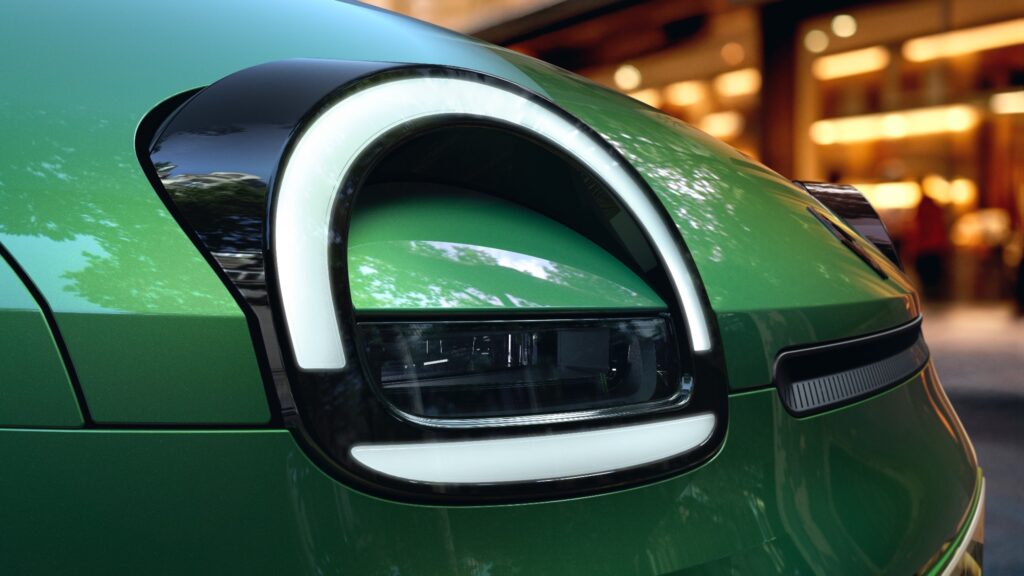
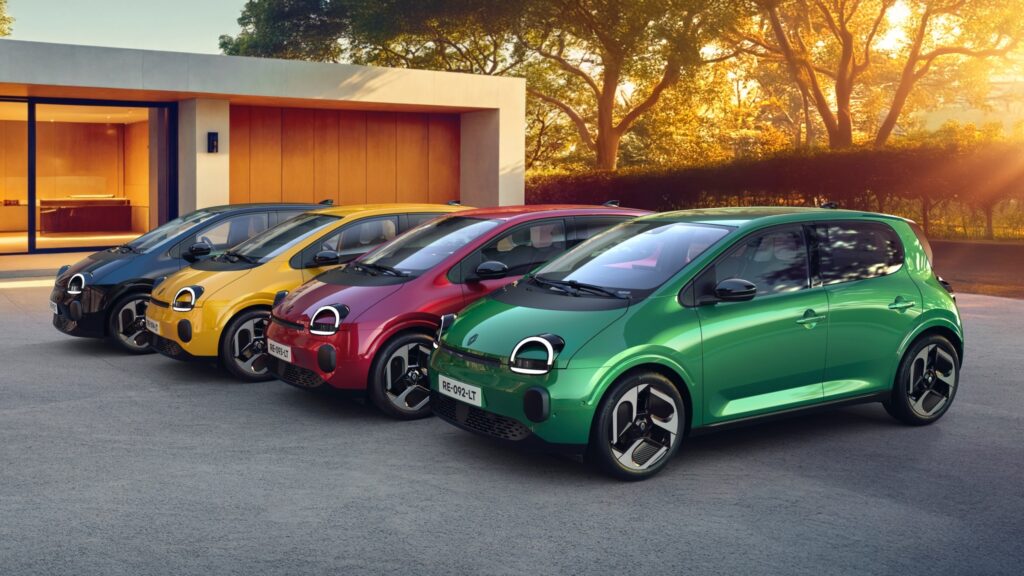
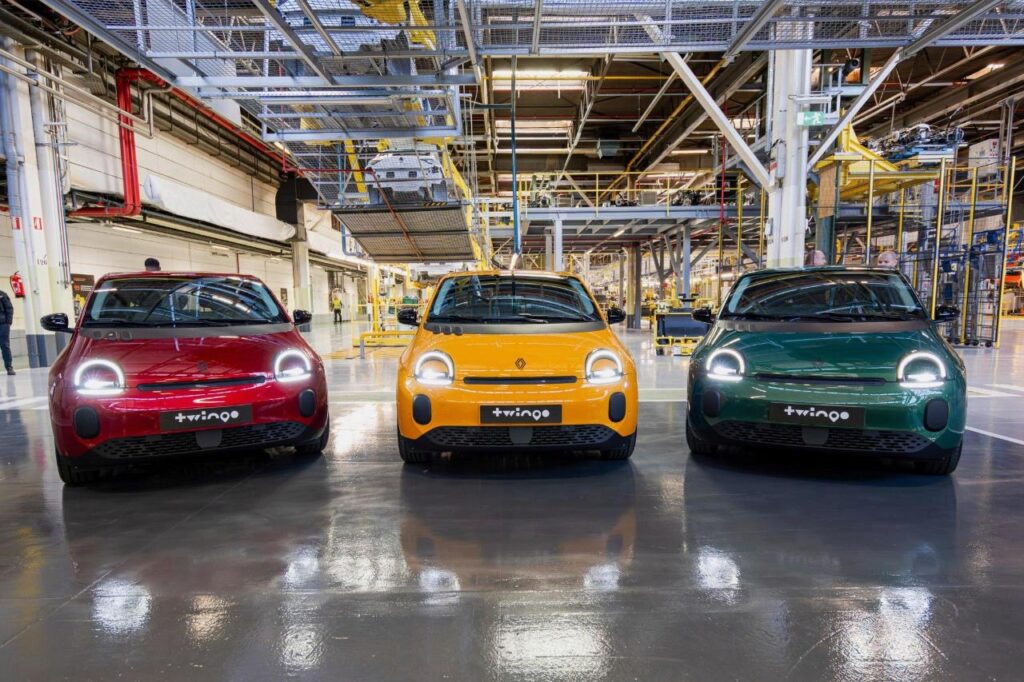
Visually – and this will immediately strike a chord with those feeling nostalgic – the 2026 Twingo has chosen to reinterpret the design cues of the first generation, with a compact size, rounded shapes and an instantly recognisable front end.
In terms of dimensions, it is indeed small, even though this version is slightly larger than its petrol-powered counterparts. It measures approximately 3.79 m long, 1.72 m wide and 1.49 m high. Its wheelbase is approximately 2.49 m. By way of comparison, the new Twingo is around 19 cm longer and around 7 cm wider, though it is 6 cm lower than the previous versions.
The round headlights, compact proportions and overall look clearly evoke the spirit of the 1990s, whilst incorporating modern features such as full-LED lights and a redesigned light signature. Unlike the criticism sometimes levelled at EVs – namely that they have bland, soulless designs – the Twingo really stands out and boasts a style all of its own.
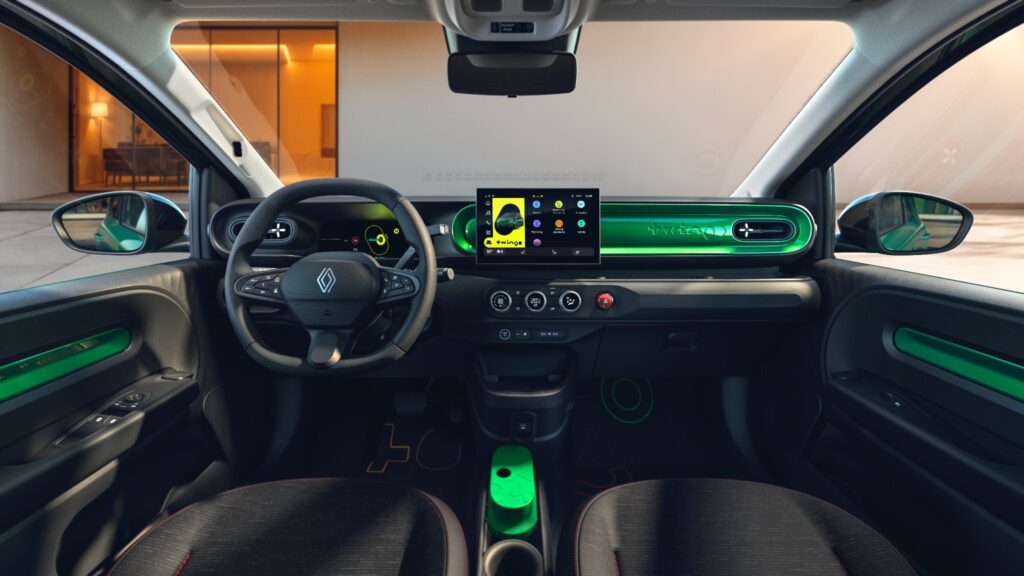
A simple, modern interior designed with practicality in mind
Inside, the design remains true to the model’s ethos: simplicity, clarity and practicality. The interior features a 7-inch digital instrument cluster and a 10.1-inch central display incorporating the openR link system.
The Techno trim level offers enhanced Google integration, a six-speaker Arkamys audio system and features such as ‘one-pedal’ driving with multiple levels of regenerative braking.
But the key point lies elsewhere: the Twingo retains its true versatility, with sliding and folding rear seats, as well as an optimised interior despite its very compact dimensions. The aim remains the same as it was in 1993: to offer a small car that is genuinely practical for everyday use.
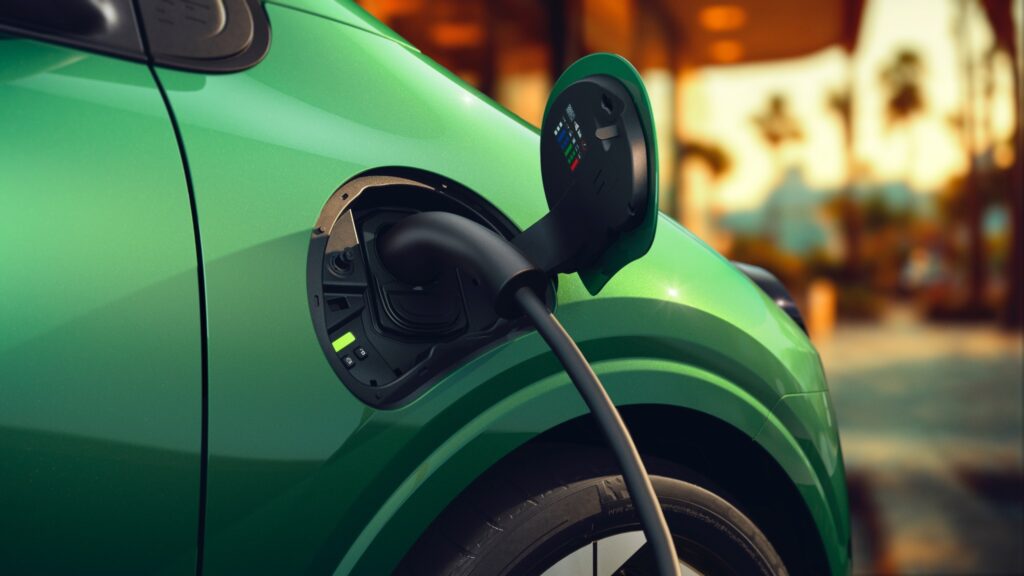
Charging and technology: a small car, but a serious one
In terms of charging, Renault claims the battery can go from 15% to 80% in 28 minutes using a fast-charging station, which puts the Twingo in line with the segment average for urban and suburban use. It also features a 6.6 kW AC charger and a Type 2 socket on the front right-hand side.
Beyond the figures, the inclusion of features such as battery preconditioning, V2L and V2G (depending on the model) shows that Renault is positioning the Twingo as a modern city car that forms part of a comprehensive electric ecosystem.
A two-stage approach designed to broaden access
We must now turn to the price: at launch, the Twingo is available in the Techno trim, priced at around €21,090. An Evolution version, announced with a starting price of €19,500, is set to join the range at a later date – no specific date has been given, but it is certain to be before the end of 2026.
This is a tried-and-tested but effective strategy: launch the model with a well-equipped version, then gradually expand access with a more affordable variant. Renault is clearly targeting a key psychological threshold—under €20,000—to make electric vehicles more accessible to a wider audience.
Orders are now open; deliveries are imminent
Orders opened in early January 2026, marking the model’s commercial launch. But now a new phase is beginning: the first deliveries, expected in spring 2026.
This phase is crucial. It marks the transition from theory to practice, with the first customer feedback and the model’s entry into the everyday automotive landscape.
A returning icon, with over 30 years of history
The return of the Twingo cannot be fully understood without looking back at its history. Launched in 1993, the first generation made a profound impact on the car market with its simple, clever and affordable design. Over 4.15 million units were sold, making it one of Renault’s most iconic city cars.

The subsequent generations, in 2007 and then 2014, continued this philosophy, before the 2026 model marked a major turning point: the transition to an all-electric model.
Its design has evolved over the years, adopting a more “classic” look in 2014. This all-electric version draws on the design of the model’s very first iteration; nostalgia speaks volumes, and whether you’re a car enthusiast or simply a driver who lived through that era, this is welcome news.
A key element of Renault’s strategy
Beyond the product itself, this Twingo embodies a vision. Renault is seeking to address a key market question: how to make electric vehicles truly accessible, without restricting them to higher-end segments.
The answer lies in several key strategic decisions: European manufacturing (in Novo Mesto, Slovenia), a more cost-effective LFP battery, aggressive pricing, and a focus on real-world applications.
In a declining A-segment market, the Twingo has thus become a strategic model. It enables Renault to maintain its presence in the small city car segment, whilst supporting the energy transition through sales volume rather than merely through its image.
Key takeaways
The 2026 electric Twingo marks the return of an iconic model in a version tailored to the modern age. Compact, affordable and designed for city life.
But beyond the product itself, this is also a real-world test for Renault. In a market where electric vehicles are often still associated with larger, more expensive models, the Twingo will have to prove that an A-segment model can still hold its own – and, above all, find its audience.
The first deliveries, expected in the coming weeks, will therefore be much more than just a launch: they will mark the start of a genuine industrial and commercial test of the accessibility of electric vehicles in Europe.