


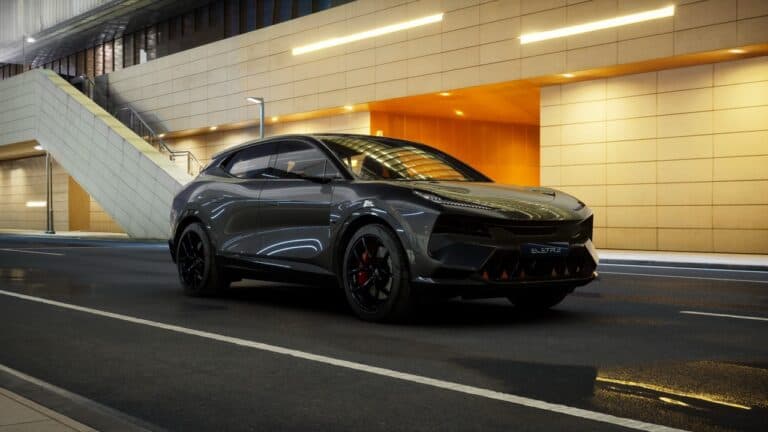


Against the backdrop of a fragile international situation, with oil prices fluctuating wildly and petrol prices remaining high, the government intends to help speed up the electrification of the vehicle fleet. The social leasing scheme, which enables people to purchase an electric car at a lower cost, is being extended to cover a further 50,000 vehicles this year. The medium-term goal is for two out of every three cars to be electric by 2030.

Support for electrification has doubled
Prime Minister Sébastien Lecornu is drawing lessons from the energy crisis that France (and the world) has been facing since the start of military operations in Iran and the Middle East. With the price per litre of fuel exceeding €2 (SP95) and €2.35 (diesel), the government aims to drastically reduce the French people’s dependence on fossil fuels. This will therefore involve the implementation of an ambitious and reinforced electrification plan.
Over the next four years, the government will support and double its investment, increasing it from €5.5 billion to €10 billion a year. “This is a truly substantial sum, which we will find by cutting other expenditure. From now on, we must transform our energy consumption. We must replace oil and gas with electricity. Energy is not just a market. It is a matter of national security,” explains the Prime Minister.
50,000 additional vehicles for social leasing
With the initial quota of 50,000 electric cars having been quickly exhausted since September 2025, the government is extending the social leasing scheme to cover a further 50,000 vehicles from June onwards. This scheme enables people on low incomes to access a new electric car at an affordable monthly rate, particularly for commuting to work. This means that at least 100,000 households will be able to benefit from social leasing in 2025–26, double the number since its launch in 2024.
For each application, the monthly rent must not exceed €200; each tenancy must last for at least three years; and applicants must demonstrate a taxable income of less than €16,300 per year and live more than 15 km from their place of work.
Two out of three new cars must be electric by 2030
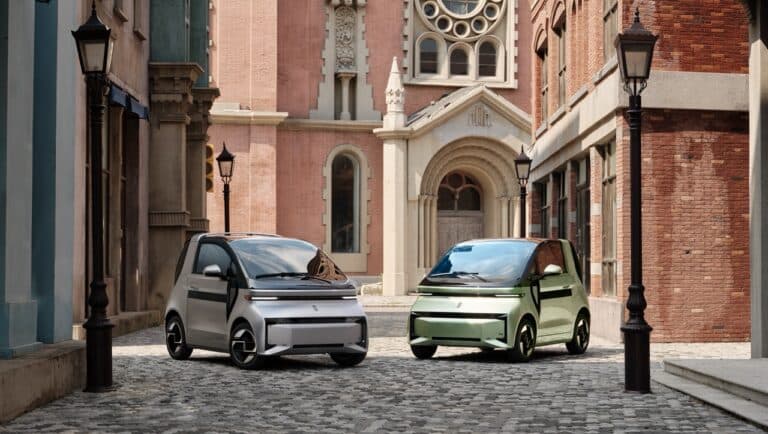
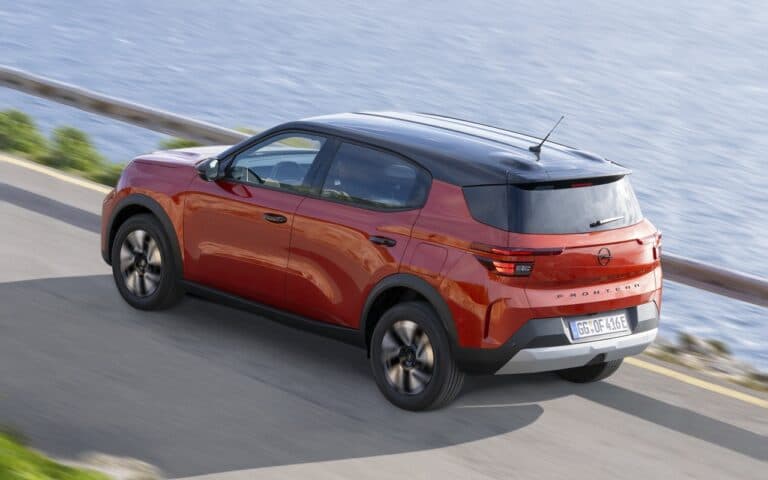
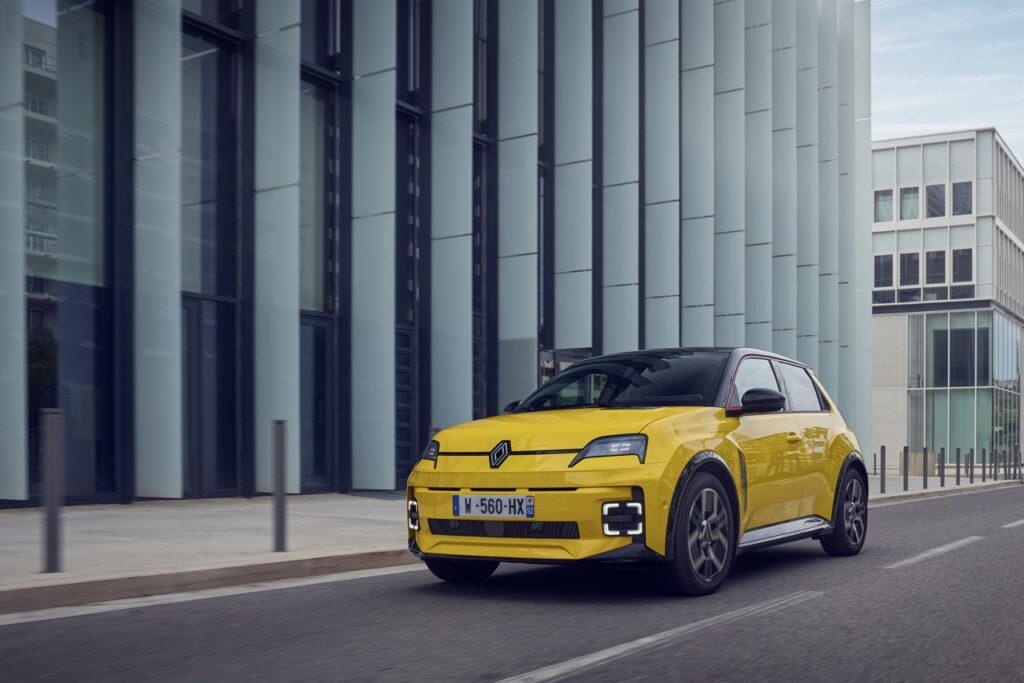
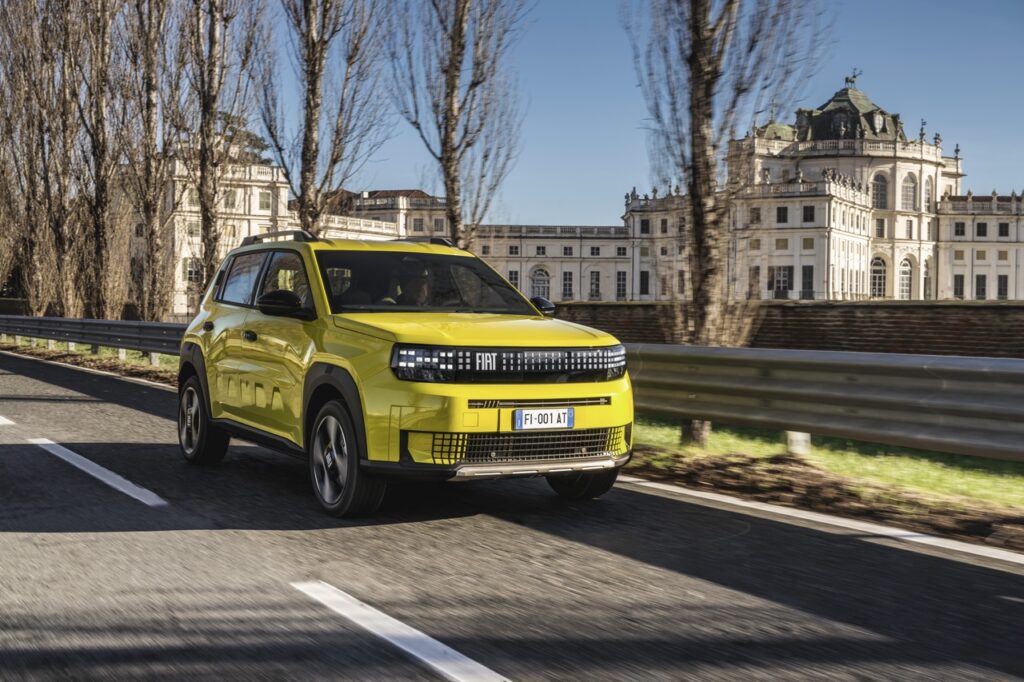
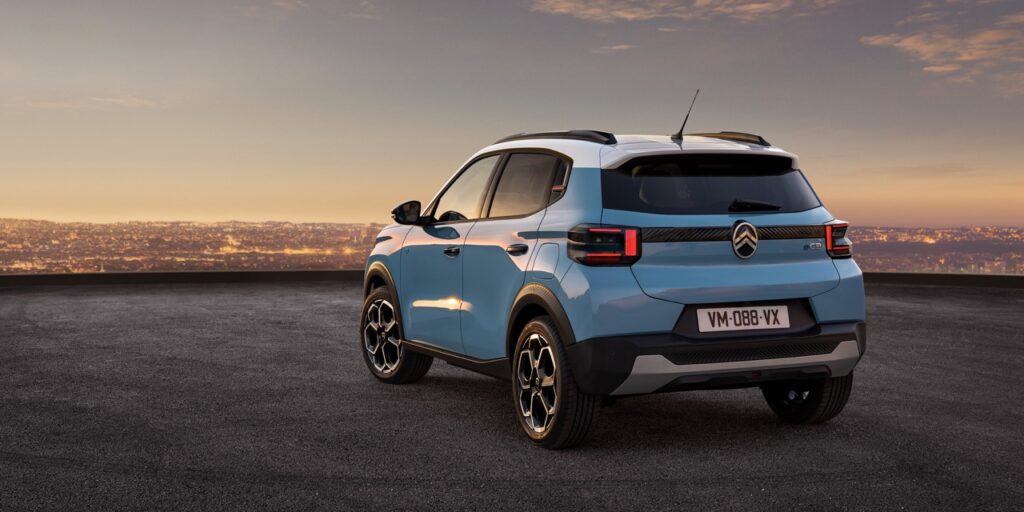
A shortlist of 33 models eligible for this social leasing scheme had been drawn up. These included the Renault R5, the Citroën e-C3, the Fiat Grande Panda and the VW ID3; the arrival of new small electric cars on the market could expand the selection.
In the medium term, by 2030, Sébastien Lecornu wants two-thirds of new cars sold in France to be 100% electric: “Travelling 100 km in an electric vehicle costs between €2 and €3, compared with €11 for diesel.”
Meanwhile, the government is also stepping up the pressure on the automotive industry, hoping to see 1 million EVs rolling off French production lines each year, compared with the 400,000 units currently projected for 2027.
Special support for frequent drivers
At the same time, certain professions that rely heavily on cars – such as nurses, care assistants and tradespeople who drive long distances – will be eligible for specific support (details to be confirmed) covering up to 50,000 electric cars in 2026.
Businesses will also be supported through dedicated schemes designed to encourage them to electrify their fleets, particularly when it comes to commercial vehicles. Meanwhile, subsidies for the purchase of electric heavy goods vehicles could reach up to €100,000 per vehicle.
When it comes to the electrification of energy use, the Prime Minister believes the time has come to scale up. “Fortunately, France has an advantage: it generates electricity domestically. This is a commitment to energy independence, a commitment it reaffirmed two months ago with the revival of nuclear power and renewable energy. The crisis has validated this choice. It is a strong choice.”