

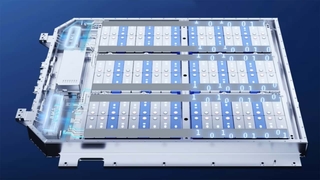


Chinese giant CATL has lifted the veil on a new generation of battery known as the « 5C », claimed to be capable of withstanding ultra-fast charging while maintaining a service life of over a million kilometres. If confirmed on the road, this announcement could remove one of the last structural obstacles to the mass adoption of electric vehicles.
5C battery: what are we talking about?
The term « 5C » refers to the maximum charge rate accepted by the battery. In practice, this means that the battery can be charged at a power equivalent to five times its hourly capacity. To illustrate this definition, a 5C-compatible 80 kWh battery can theoretically accept up to 400 kW.
Under optimum conditions, this level of power means that the vehicle can be fully recharged in around twelve minutes. And the main change is that the charging limit no longer comes solely from the vehicle’s electrical architecture (400 or 800 volts), but from the cells themselves, designed to withstand very high currents without accelerating their degradation.
An exceptionally long service life
CATL’s most spectacular figures relate to battery life. In fact, the manufacturer is claiming much better performance than current lithium-ion batteries, including repeated rapid charging.
According to data released by CATL and picked up by several technical media, the Chinese giant’s new batteries have an extremely long life:
3,000 complete cycles at 20°C, 5C, with 80% residual capacity. This will enable EVs to cover up to 1.8 million kilometres, assuming a reference range of 600 km.
Under extreme thermal conditions (the enemy of batteries), 1,400 complete cycles at 60°C, still at 5C, with 80% of capacity remaining, will be possible. That’s around 840,000 kilometres.
These figures explain why we’re talking about batteries that last almost forever. CATL insists on one key point: ultra-fast recharging is no longer a compromise, but normal use, with no penalty on lifespan.
Highlighting technical innovations
To reconcile 5C charging and long life, CATL explains in the announcement video, published on 29 January 2026, that it has worked on several critical points of current lithium-ion batteries.
- Electrodes that stand up better over time
- A component added to the inside of the battery helps to form a stronger protective layer. This barrier limits the minor damage that occurs during rapid recharging and helps to preserve the battery’s performance for longer.
- A better protected cathode
- Thanks to a more uniform coating, energy flows more evenly. The result: fewer brittle areas and less premature wear, particularly during high-power loads.
- A separator that reacts to heat
- The battery also incorporates an element capable of adapting when the temperature rises. This slows down certain exchanges within the cell, reducing the ageing of the battery and improving safety.
Redesigned thermal and electronic management
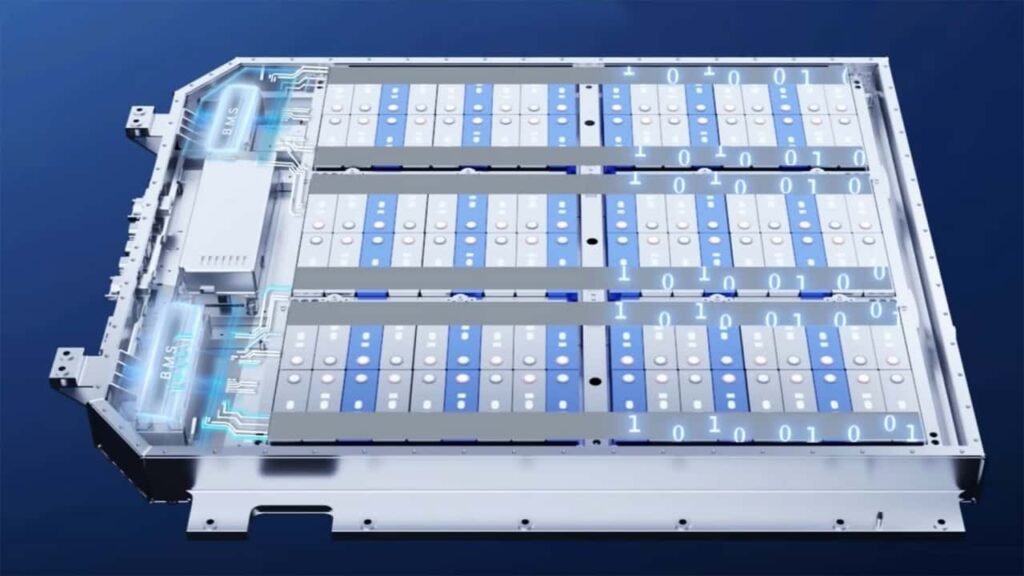
The Battery Management System (BMS) directs cooling to the hottest areas of the pack, rather than applying uniform cooling. This reduces the thermal gradients between cells and evens out their ageing.
This 5C battery follows on from previous generations of CATLs, in particular the Qilin 4C battery unveiled in 2022, which is already capable of very fast charging.
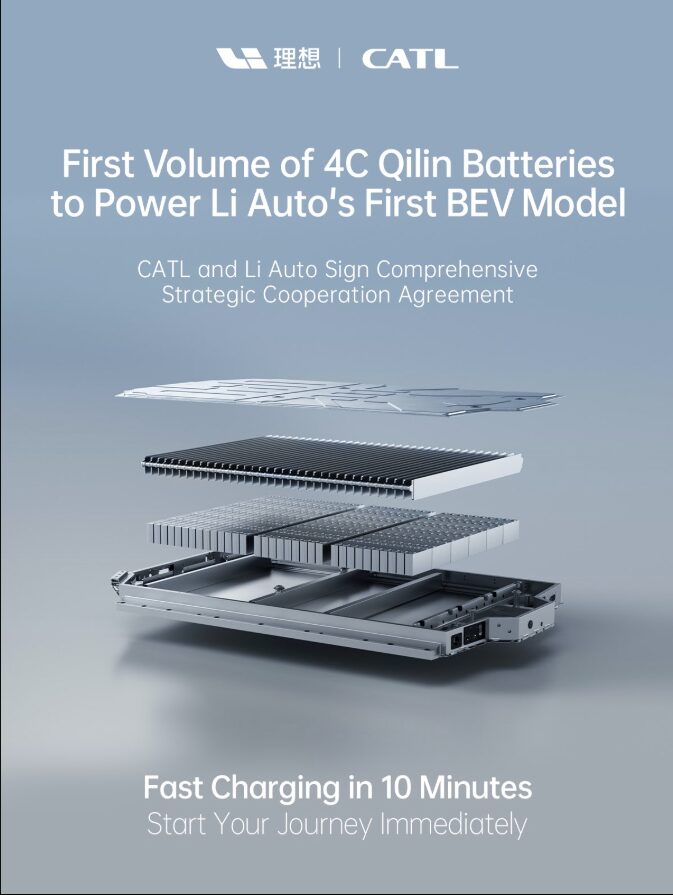
Outstanding battery life for the CATL 5C
In Europe, vehicles change hands or are scrapped after having travelled an average of 150,000 to 220,000 km, all engines combined. In France, for example, scrapped cars have travelled an average of 211,000 km at the last roadworthiness test, i.e. a total of almost 220,000 km after their last mileage. The differences by fuel are clear: diesel cars reach around 250,000 km at the MOT, while petrol cars are at around 180,000 km. Across Europe, the average age of vehicles to be destroyed is 19.9 years, with a cumulative mileage of around 200,000 km over the vehicle’s lifetime.
In this context, the CATL 5C battery is a real revolution. With a theoretical lifespan of 1.8 million kilometres, it can survive a first vehicle and then three or four occasions, before being reused in a second stationary life. In practical terms, this represents 8 to 9 times the average lifespan of a European car.
Clearly targeted uses
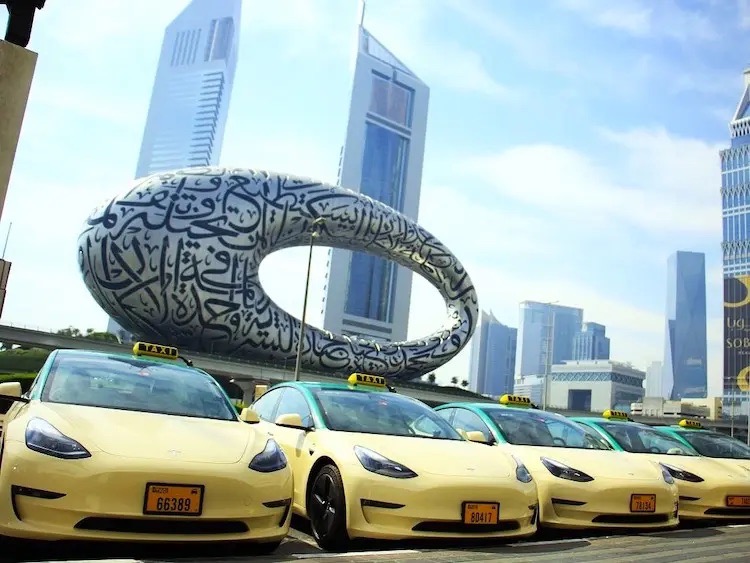
CATL makes no secret of the fact that this technology is primarily intended for intensive use, where fast charging is a daily requirement, such as taxis and VTCs, delivery vehicles and light commercial vehicles.
In the video presentation, the batteries were tested in extreme heat conditions to, according to the manufacturer, « simulate summer in Dubai ». It is therefore targeting very hot markets (southern China, the Middle East, India), where batteries suffer particularly during high-power charging.
Which vehicles, and when?
At this stage, no specific model has been officially announced. CATL is presenting a cell and pack technology, without naming any customer manufacturer or production date.
However, the vehicles that could potentially be equipped with this technology are likely to be top-of-the-range Chinese models or fleet models (taxis, shuttles, commercial vehicles), then, in the medium term, European or American electric vehicles already using CATL batteries, capable of accepting power ratings of 300 to 400 kW.
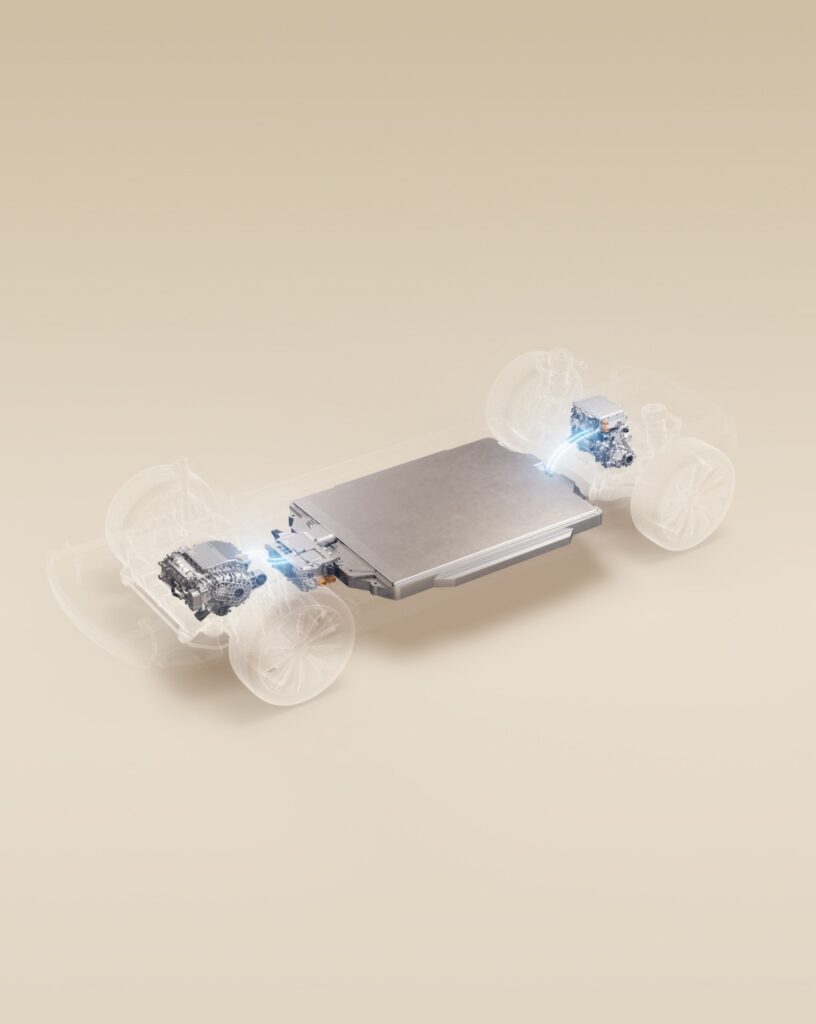
Technically, the 5C battery is compatible with 400 or 800 volt platforms.
Promises to be confirmed on the ground
One essential point of caution remains: the figures put forward by CATL are based on internal tests and manufacturer communications. Furthermore, the exact energy density, precise chemistry and cost per kWh have not been detailed, which means that for the time being it is impossible to judge how competitive it really is compared with batteries already on the market.
If the announced performances are confirmed in real-life conditions, this 5C battery could mark a turning point: ultra-fast recharging would no longer be a technical brake, but a standard of use, including for vehicles expected to cover several hundred thousand kilometres.