

Faced with a massive onslaught from Chinese manufacturers and falling sales of their models in the world’s largest market, European carmakers already established in China are changing their strategy. This involves producing cars better suited to local expectations, strengthening technical partnerships with local firms, and updating software, connectivity and in-car digital services. There is no guarantee, however, that this will boost sales…
Overhaul of European strategies in China
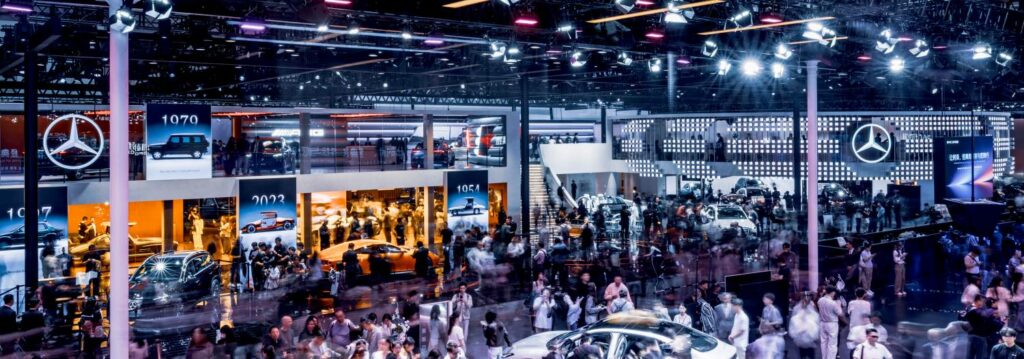
Ten years ago, European car manufacturers had set their sights on China as a market to conquer. Today, at the 2026 Beijing Motor Show, the situation is different: sales of European models are declining in the world’s largest market, whilst local brands are rolling out a growing number of innovative and attractive products, albeit supported by massive industrial policies and control over supply chains, particularly for batteries. Since the start of the year, 7 out of 10 cars sold in China have been Chinese-made, compared with 50% five years ago.
Judging by the presentations from BYD, Zeekr, Xpeng, Nio and Xiaomi, China is now seen as the leading innovation hub for electric and connected cars. Traditional European manufacturers can no longer be content simply to export cars designed in Europe. They are lagging behind in high-value-added areas: in-car software, AI, connectivity, and a seamless, highly digitalised user experience.
Until now, joint ventures have been essential for European companies wishing to manufacture and sell in China. The trend is now taking a more significant turn, with strategies focusing on manufacturing, R&D, design and software development to improve responsiveness and compete directly with local players on their own turf.
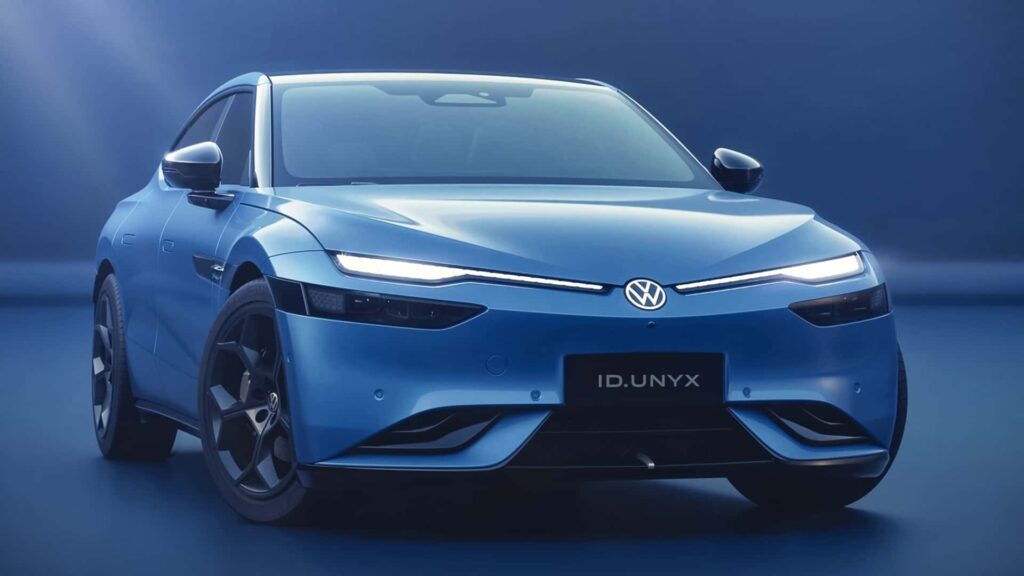
Volkswagen is expanding its ID and JETTA ranges
Volkswagen has therefore joined forces with the giant Xpeng and developed the ID UNYX 09 in just two years. A 5-metre-long premium electric saloon, designed for China’s upper classes, whose integrated artificial intelligence enables Level 2 autonomous driving with a more sophisticated and intuitive voice assistant. This new model is set to boost VW’s sales, which have fallen by 15% since the start of the year.
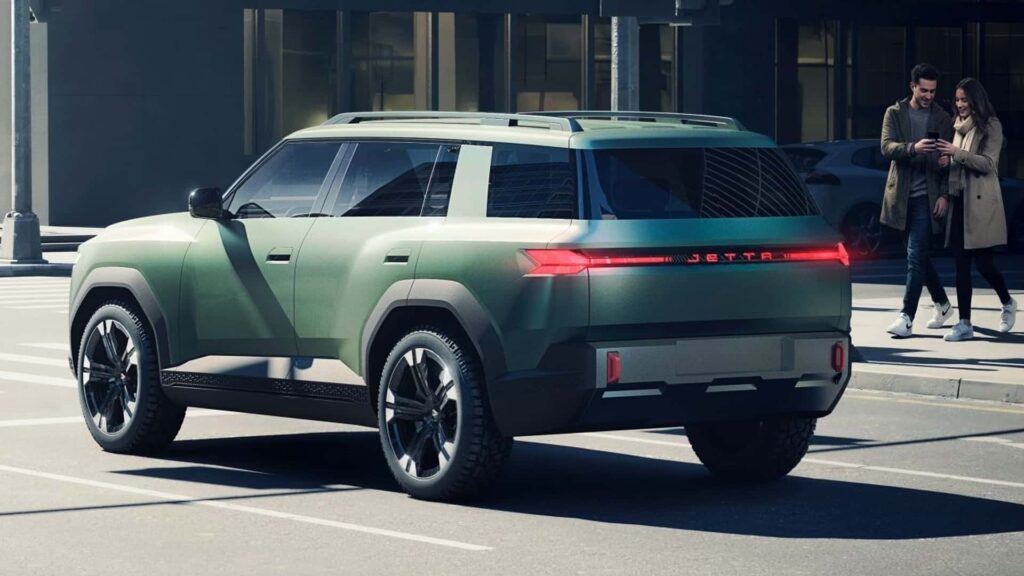
Founded in 2019, Jetta (named after the successful mid-range saloon) has established itself as a fully-fledged Chinese mid-range brand. The Jetta X Concept will not be sold in Europe, but this SUV signals the ‘modern and robust’ direction that this electrified range will take, with prices expected to remain affordable.
Another vehicle designed for the Chinese market is the large ID ERA 9X SUV, developed in collaboration with SAIC Motor (Shanghai). It is 5.20 metres long and features a hybrid powertrain (with a range extender) offering a range of over 1,000 km.
“Over the next four years, the VW Group plans to launch 30 electric models. ‘With cutting-edge electric architectures, ADAS systems, a smart cockpit and AI-based features, we are meeting all the key expectations of our Chinese customers,’ says Rolf Brandstätter, CEO of VW Auto China.”
BMW is expanding its range of electric models
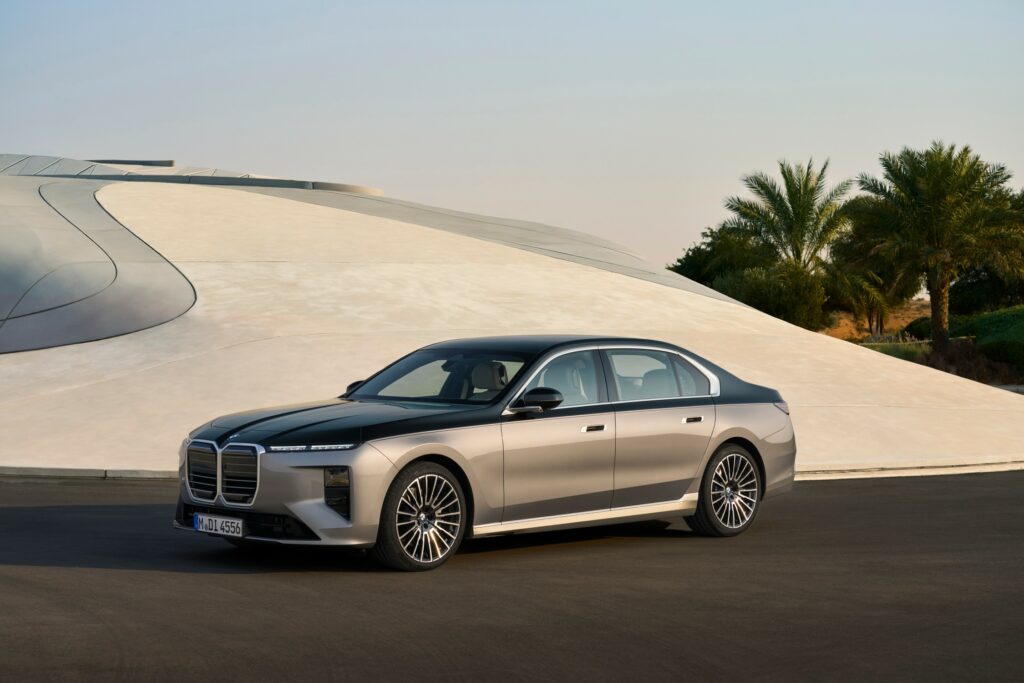
Before the partnership signed with battery giant CATL bears fruit, BMW is adapting its products to the Chinese market. In addition to a slight facelift to the front end, the i7 saloon, despite its 400 V architecture, has increased its charging power (from 195 to 250 kW) and can regain 230 km of range in 10 minutes. Battery capacity is also increasing: up to 728 km of range (an extra 100 km).
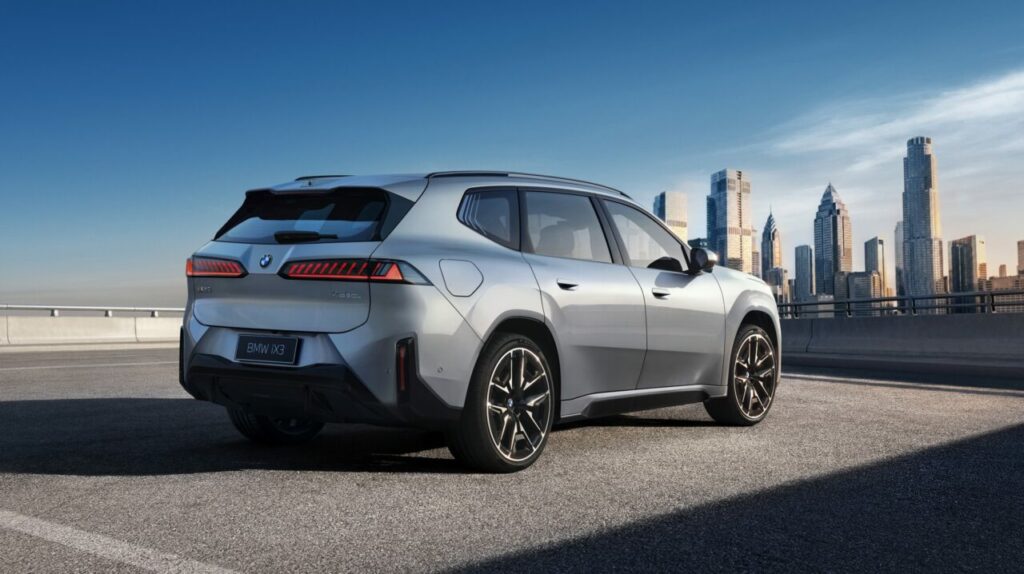
The compact iX3 SUV has been lengthened and renamed the iX3 L to meet market demand. Measuring 4.88 m in length, the wheelbase now exceeds 3 m, providing more interior space. Under the bonnet, the iX3 is based on an 800 V architecture and offers a maximum range of 900 km on the Chinese cycle. Of note is the start of BMW’s collaboration with local firm Momenta to develop autonomous driving systems.
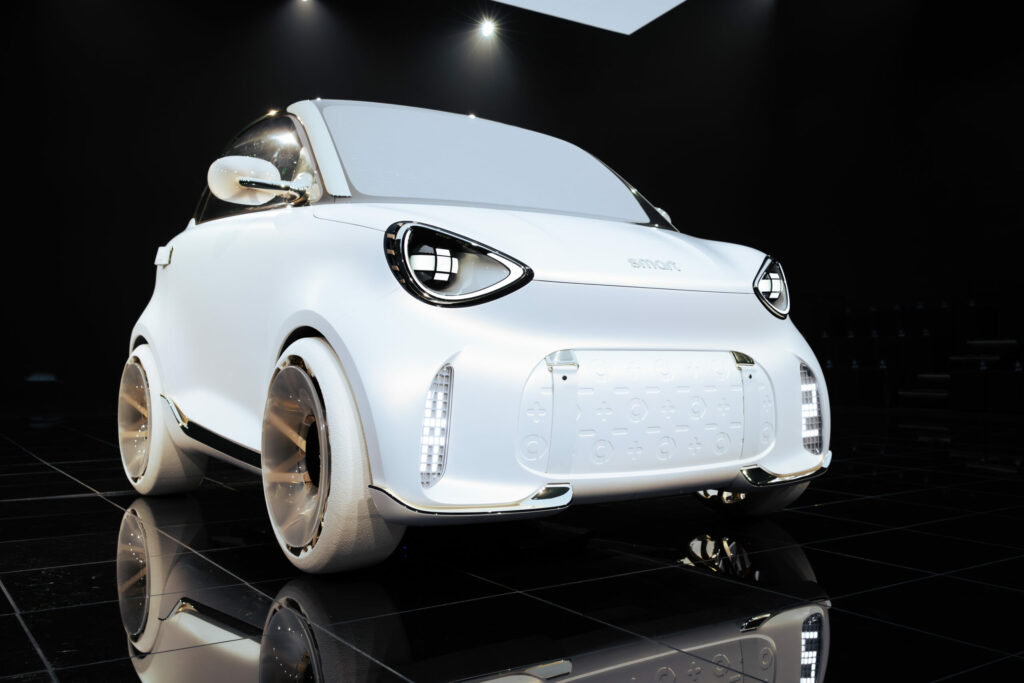
Smart #2: the return of the Fortwo
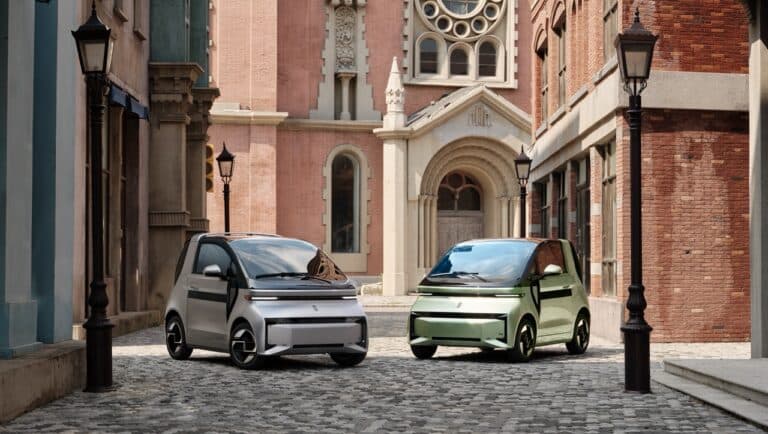
Paradoxically, Smart – now owned by the Sino-German joint venture Mercedes-Geely – had lost interest in mini city cars, its speciality. This “fortwo”, rebranded as the #2 concept, therefore marks a return to basics. Measuring 2.72m in length, it is 100% electric, with a range of 300 km and a 10–80% charge time of 20 minutes. Its price, however, is expected to exceed that of the electric Twingo, which is being positioned as its rival. The official model will be unveiled in Paris next October.
A high-tech SUV for Audi
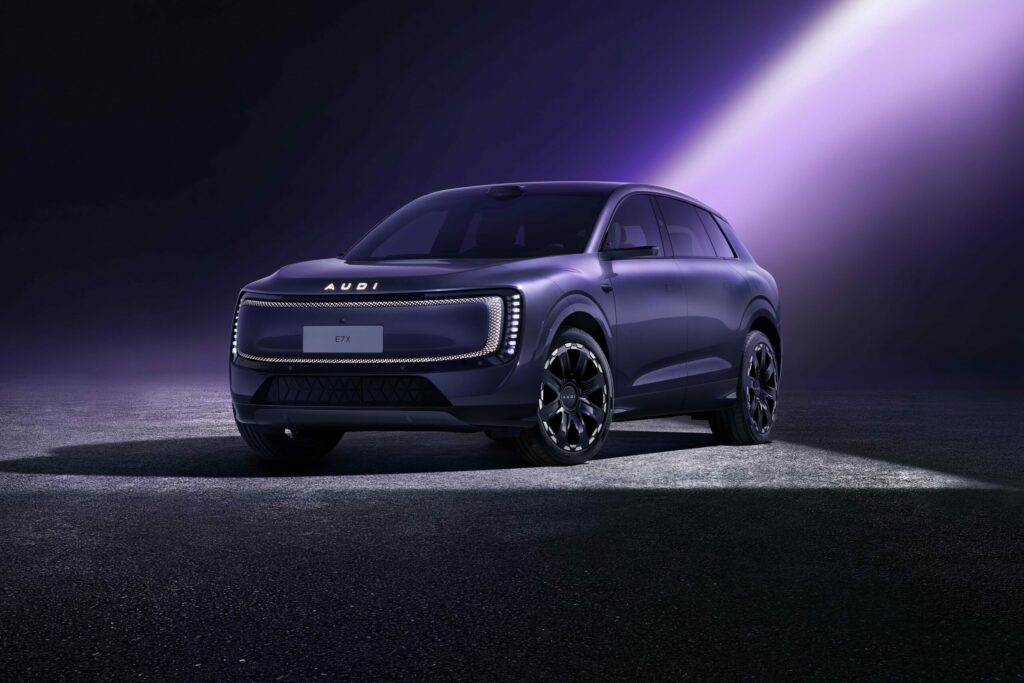
The result of a partnership between Audi and the manufacturer SAIC, the EX7 is the second ‘100% Chinese’ model (after the E5 Sportback) from the new AUDI brand, created specifically for the local market. This premium electric SUV is based on a 900 V architecture with a 109 kWh battery, offering a range of around 750 km. In terms of technology, the EX7 features a LiDAR sensor on the roof, powered by the next-generation Flywheel system, developed by autonomous driving leader Momenta. This enables the car to operate in autonomous driving mode (NOA) using the navigation system.
Cayenne Electric Coupé to revitalise Porsche
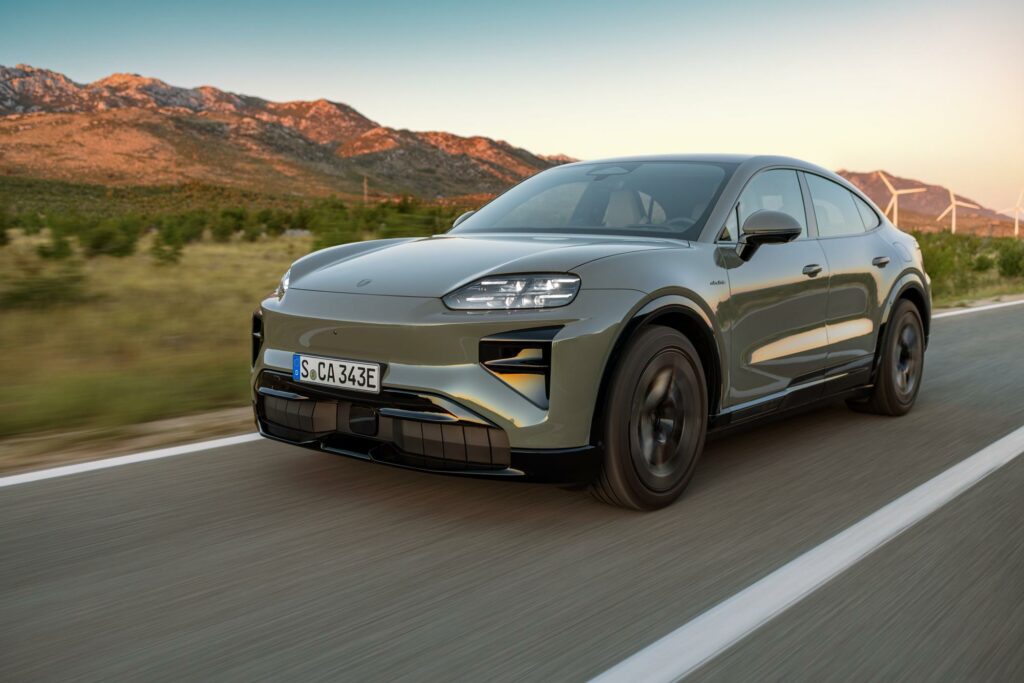
Thanks to a more efficient aerodynamic profile, heavily inspired by the legendary 911, the electric version of the Cayenne Coupé promises a range of around 670 km (WLTP). With three powertrain options, ranging from 408 hp (Electric version) to 1,156 hp (with overboost for the Turbo Electric version), will this sporty SUV be able to win over Chinese customers who are increasingly drawn to these spectacular models? However, Porsche has been on the back foot in China for several months: the closure of charging stations, a reduction in the number of dealerships and a decline in competitiveness against emerging local brands.
Mercedes remains a premium brand
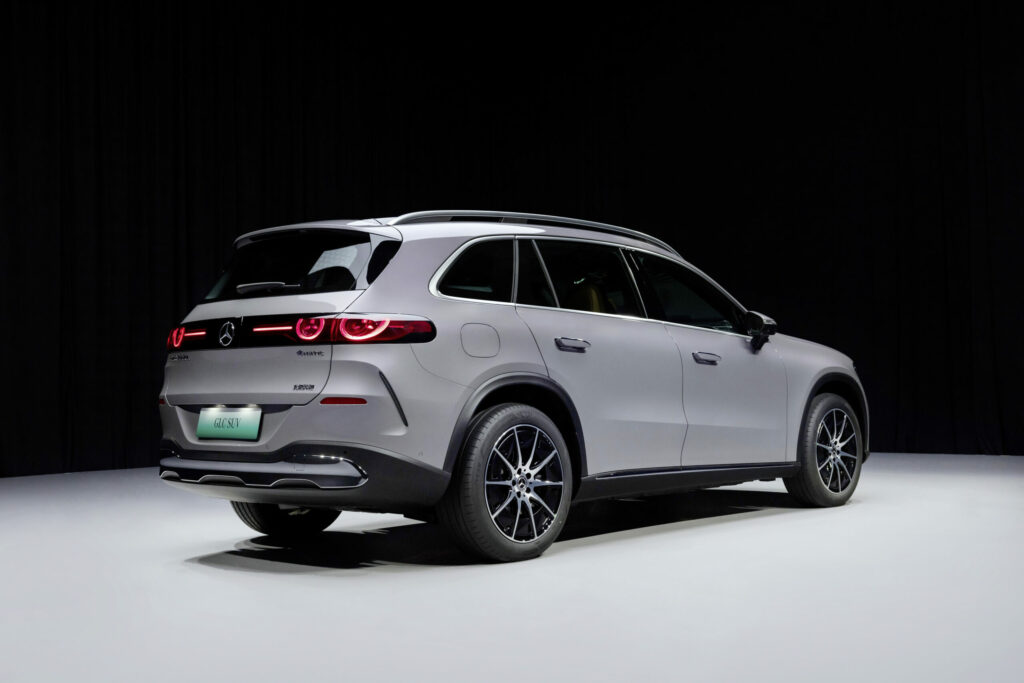
In partnership with BAIC Group (Beijing Automotive Group), Mercedes operates its largest factory worldwide in China, producing vehicles tailored to the local market. Take, for example, its electric GLC LWB (long-wheelbase) crossover, available in two exclusive versions (5- and 7-seater). With a wheelbase extended by 30 cm, it is based on the MBEA platform with an 800 V architecture, an 89 kWh battery and a dual-motor powertrain delivering 416 hp. It offers a range of 700 km. With this GLC and the recently unveiled electric C-Class, Mercedes hopes to stem the decline in sales (down 30% since the start of the year), whilst maintaining its premium positioning.
Peugeot returns to China
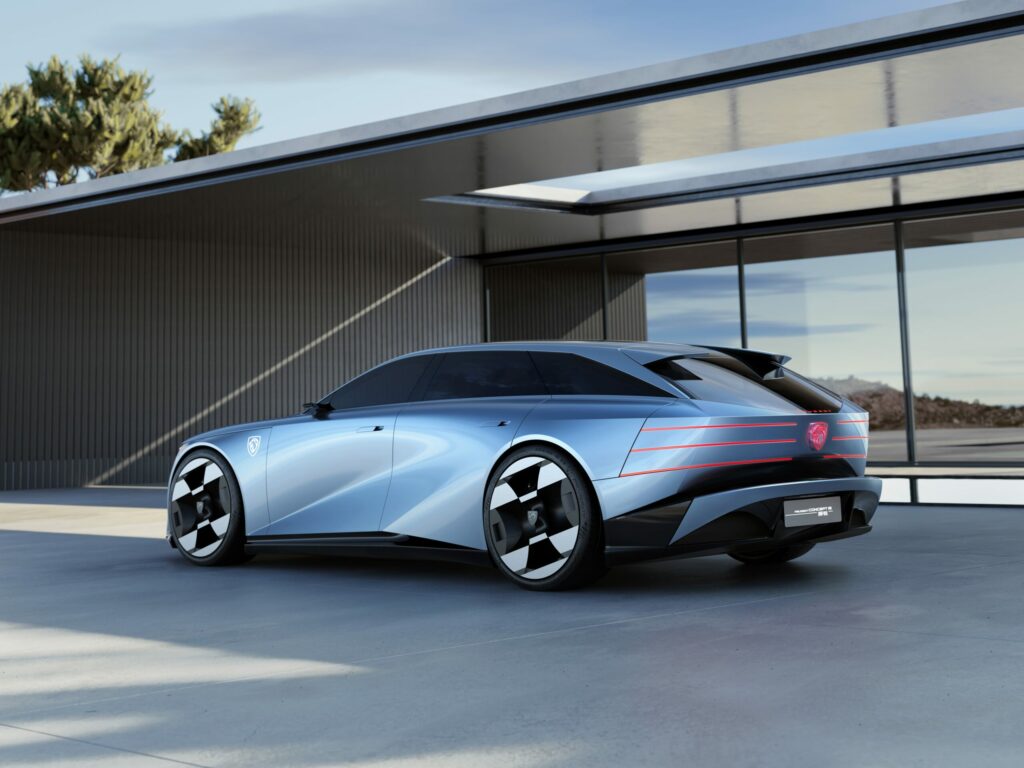
Peugeot is finally back. The lion brand is once again building on the partnership it forged in 1992 with the Dongfeng manufacturer in Wuhan. At the Beijing Motor Show, two concept cars offer a glimpse of the future of production models in China. Named Concept 6 and Concept 8, their shooting brake/coupé and premium SUV designs embody the manufacturer’s ambition to move upmarket.
Double-edged survival strategies
For European manufacturers, partnerships such as those between Volkswagen and XPeng or Stellantis and Leapmotor provide access to cutting-edge technologies whilst reducing development costs. But this risky strategy is a double-edged sword. It could quickly lead to the loss of some of their long-standing expertise and spell the end of their precious technological and industrial independence.