



The latest report published by the Arval Mobility Observatory confirms a marked acceleration in the energy transition within corporate fleets. But beyond the overall trend, one trend stands out clearly: commercial vehicles are now emerging as a key driver of electrification, even though just a few years ago they were still considered a segment that would be difficult to transform.
A transition that is now well underway in companies
It is a fact that French companies have reached a milestone. Indeed, according to the 2026 edition of the barometer, 84% of them say they are already engaged in an energy transition initiative or plan to do so within the next three years.
More specifically, we learn that 65% of fleets already include electric vehicles, whether fully electric or plug-in hybrid models. This growth is accompanied by a rapid rise in market share: electric vehicles now account for 26% of company registrations, an increase of 4.4 percentage points in a year.
However, this trend is taking place against a backdrop of greater global tension. The fleet market contracted by 8.6% in 2025, with around 723,000 vehicles added.
Commercial vehicles: the new cornerstone of electrification
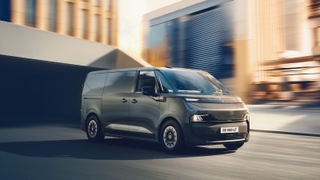
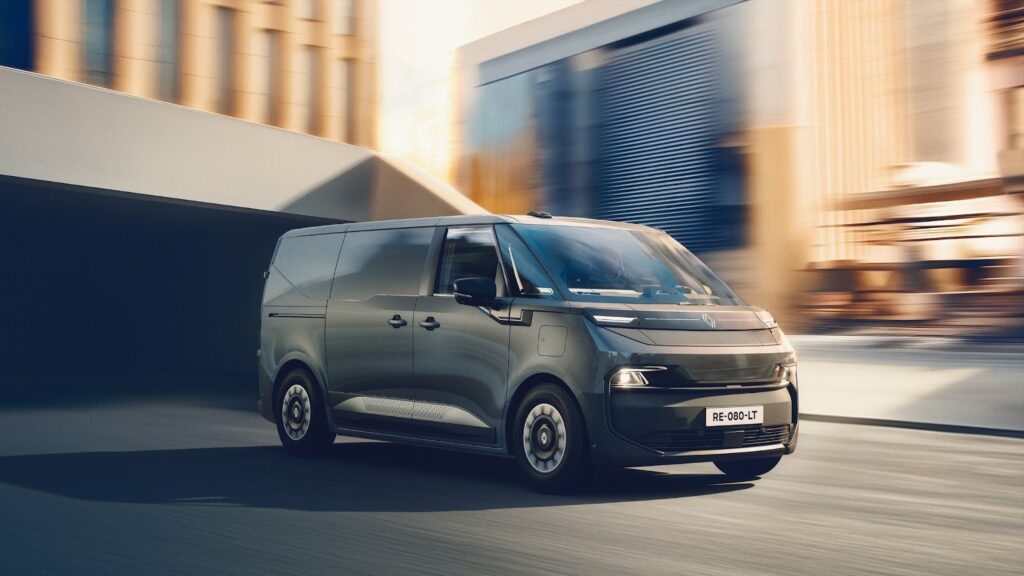
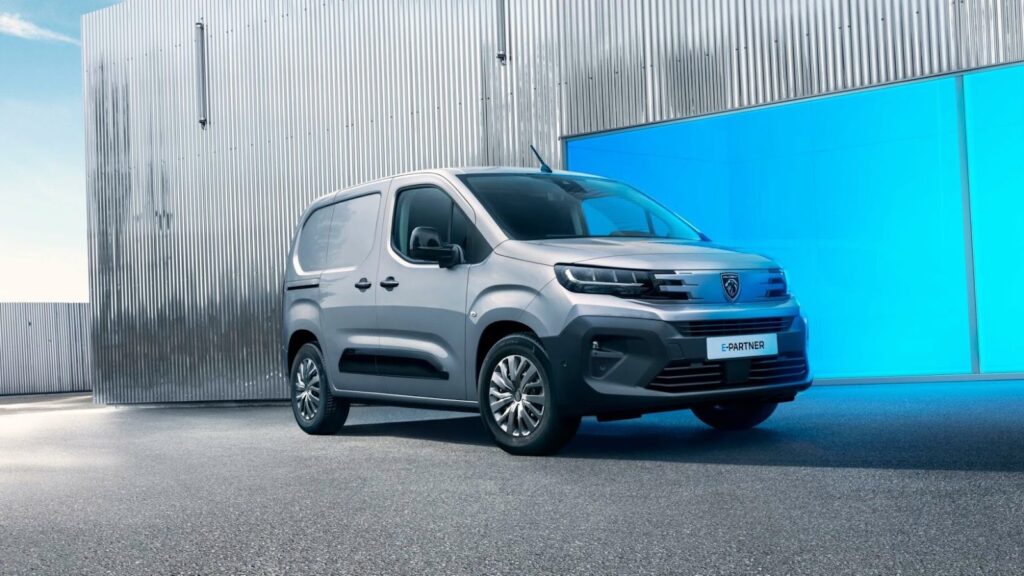
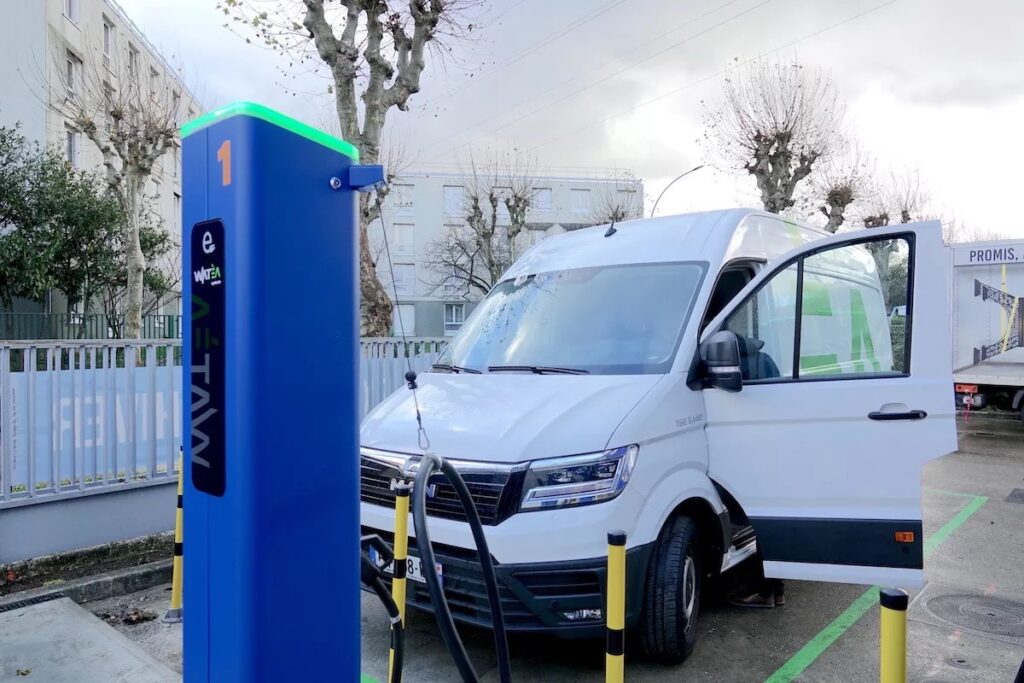
The key point of the report lies elsewhere, because whilst the uptake of electric vehicles by businesses has long been held back by constraints relating to range, payload or cost, these commercial vehicles are now seeing a sharp rise in adoption. According to several analyses reported in the trade press, they now appear to be the most dynamic segment in fleet electrification.
This trend can be attributed to changes in business practices. The rapidly growing last-mile delivery sector naturally favours vehicles suited to short, urban journeys. In these circumstances, electric vehicles are not only a viable option, but often prove more cost-effective in practice.
In addition to this, this shift is being driven by restrictions on access to city centres. With the increasing number of low-emission zones (LEZs), combustion-engine commercial vehicles are becoming less and less suitable for certain uses, prompting businesses to speed up their transition.

An increasingly influential regulatory framework
In France, companies with more than 100 vehicles must include a minimum proportion of low-emission models when renewing their fleets. This quota currently stands at 20%, with targets set to rise to 40%, then 70%, by 2030.
So yes, it’s clear that these regulations play a decisive role in shaping fleet strategies. This is all the more true given that tax policies are changing in tandem, with tougher penalties for CO₂ emissions, which further penalises internal combustion engines.
Increasingly streamlined fleet management
Beyond electrification, the barometer highlights a more comprehensive transformation of mobility policies. Against a backdrop of economic uncertainty, companies are seeking to optimise their costs. This involves streamlining their fleets, but also a rise in the popularity of solutions such as long-term leasing, which now accounts for up to 64% of new vehicle registrations among large companies.
Total cost of ownership is becoming a key factor. And in this area, electric vehicles are gaining ground. Although the purchase price remains high, they offer lower running costs, particularly in terms of energy and maintenance, which boosts their long-term competitiveness.
A transition on a whole new scale
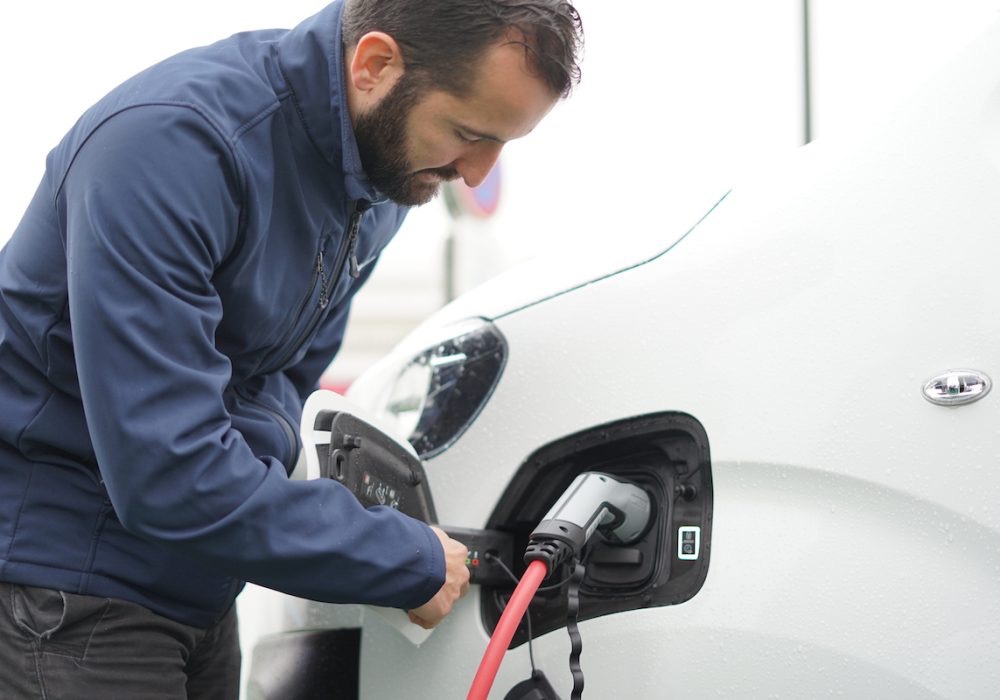
The 2026 edition of the Arval Mobility Observatory has highlighted that fleet electrification is no longer limited to passenger cars. It now extends to all business uses, with commercial vehicles driving this transformation.
In practice, this development marks a key milestone. By targeting this strategic segment, companies are automatically accelerating the decarbonisation of their operations.