
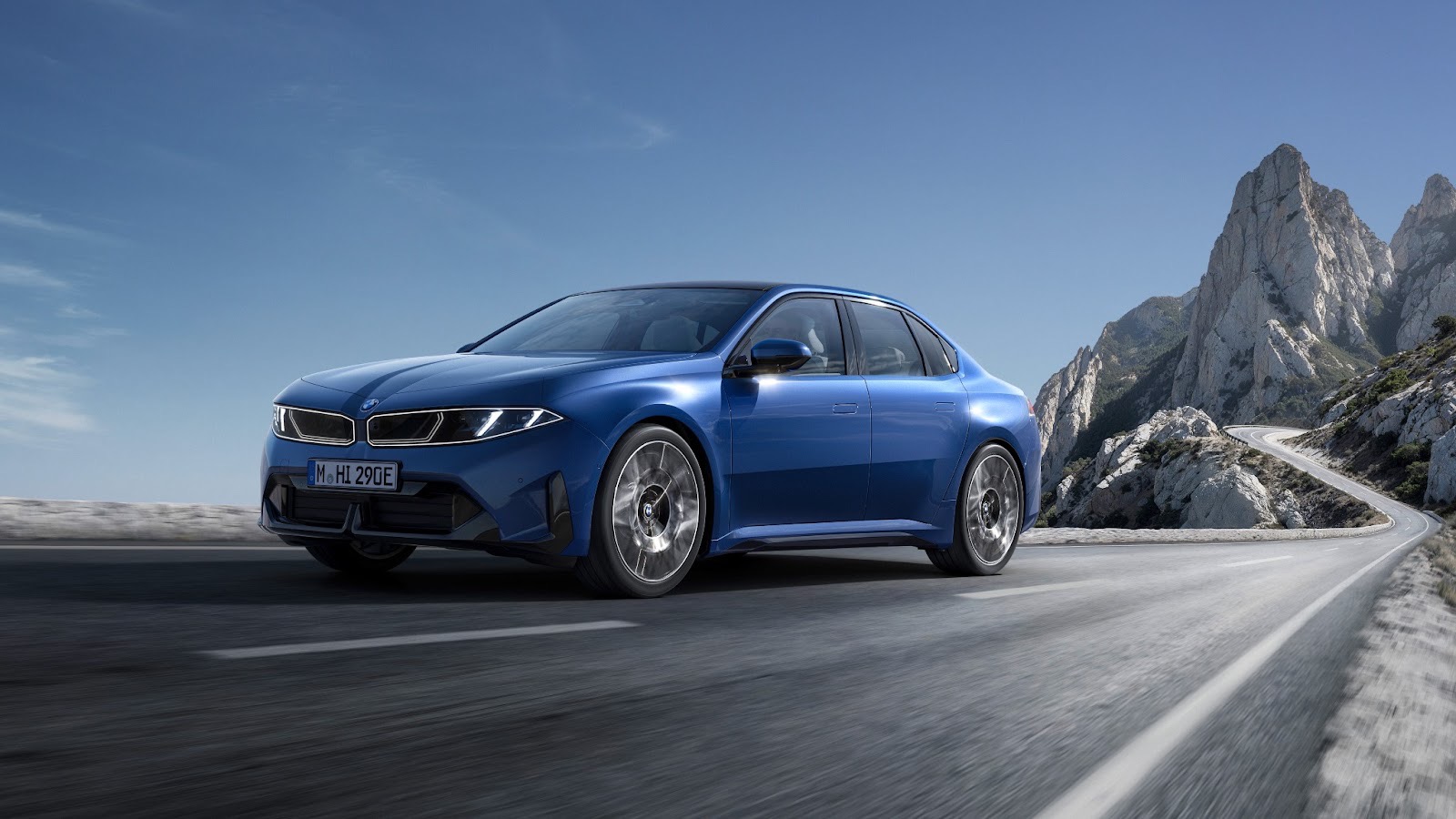

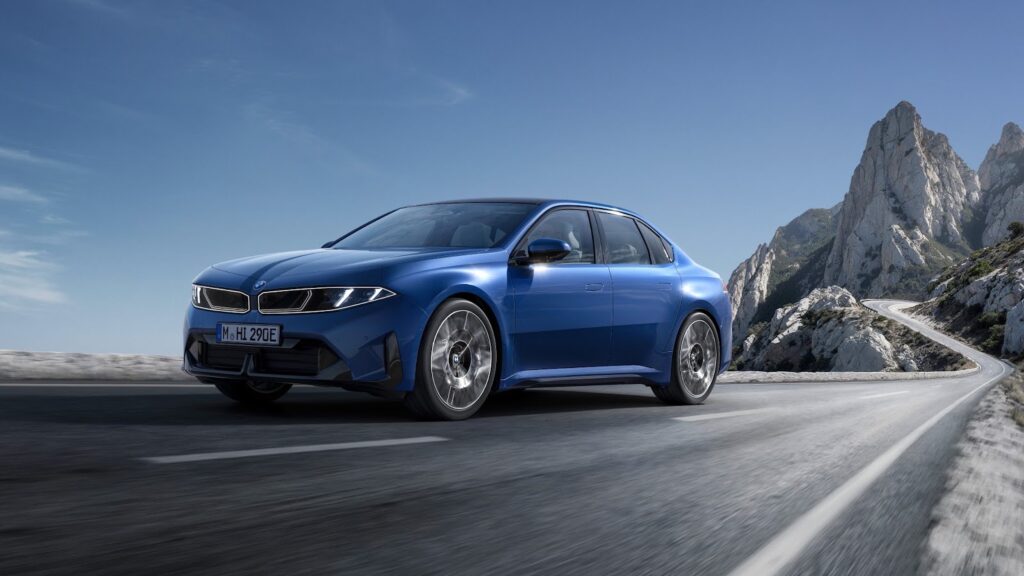
Following the iX3 SUV, BMW is continuing its push into the EV market with the i3 saloon. The ‘zero-emission’ version of the iconic 3 Series aims to set the benchmark for premium electric models. BMW claims a range of up to 900 km, fast charging with peaks of 400 kW, and 469 hp delivered via all-wheel drive. Since the “Neue Klasse” concept car, the German manufacturer is therefore stepping up a gear with this car, which is crucial to the success of its electrification programme.
The i3: the new benchmark for premium electric cars
The second model in BMW’s ‘Neue Klasse’ range, the i3 (which is essentially the electric version of the 3 Series) is designed to excel on long journeys. Built on a new dedicated platform, the saloon is based on an 800 V architecture, which will enable it to regain 400 km of range in just 10 minutes, as it can handle peak DC charging power of up to 400 kW. The new-generation batteries are integrated directly into the chassis (cell-to-pack), are compact and very flat, and incorporate cylindrical cells, making it easier to replace individual cells in the event of a fault.
Two highly efficient electric motors (one per axle) will provide all-wheel drive and deliver a total output of 469 hp (and 645 Nm of torque). The i3 therefore seems ideally suited to long-distance journeys. The claimed range, which has not yet been officially certified, is nearly 900 km on a single charge.
BMW’s strategy: two saloons for two different power sources
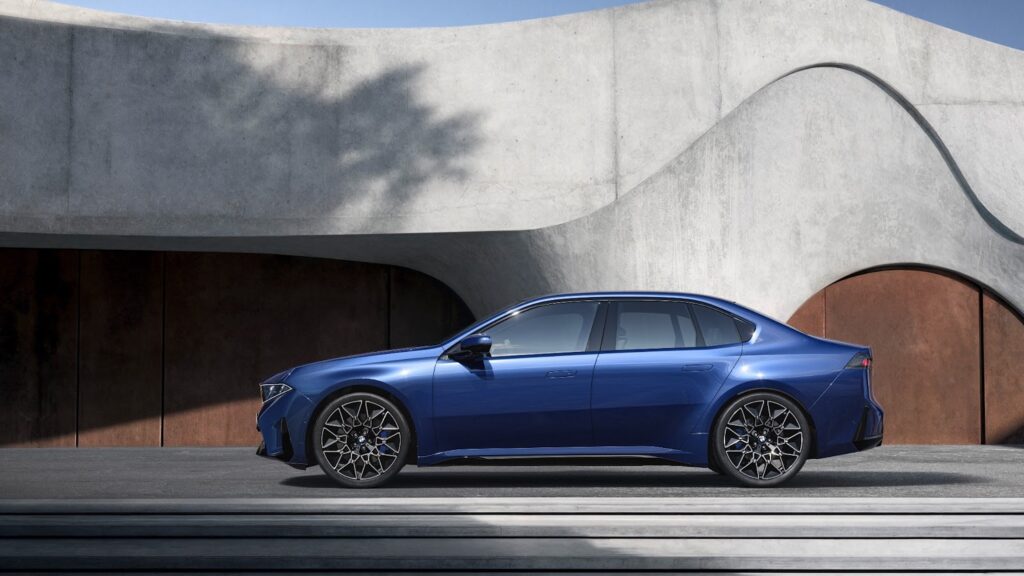
Aesthetically, the i3 bears a resemblance to its petrol-powered cousin, the 3 Series, the iconic saloon with its sleek, elegant lines. This is a deliberate choice by BMW, which aims to imbue its electric saloon with the DNA and the famous ‘Freude am Fahren’ (driving pleasure) of its best-selling combustion-engine model.
The range will therefore offer customers a choice: the petrol-powered 3 Series (as well as the plug-in hybrid) and the all-electric i3. Both models will coexist within the BMW range. In response to the hesitancy of the EV market and to win over as many customers as possible, the Bavarian manufacturer is therefore maintaining a clear, dual offering. This will cover all the countries where the brand is present.
Two-way power distribution
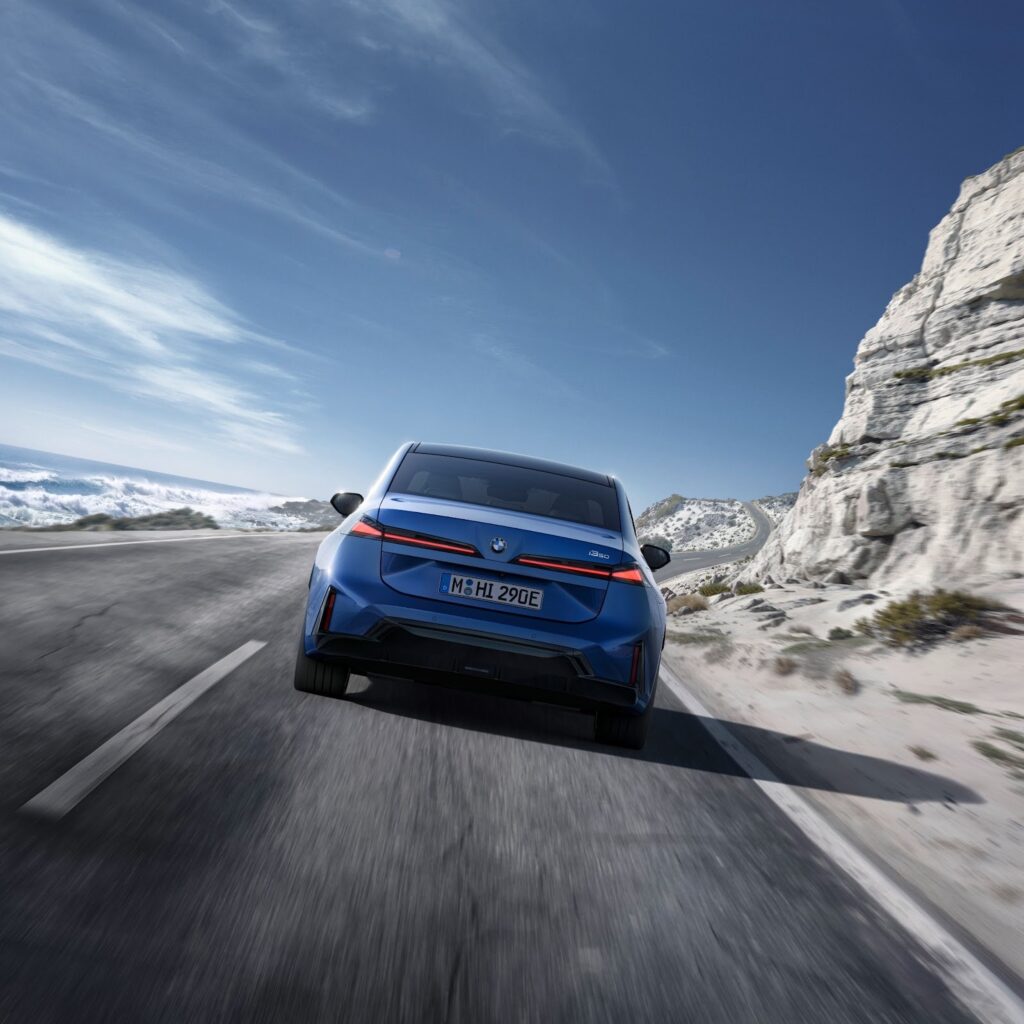
When parked, the BMW i3 also offers bidirectional charging functions: Vehicle-to-Load (in combination with the optional 22 kW AC Pro fast charger), which allows other electrical devices connected to its battery to be powered (laptops, electric bikes, etc.). A Vehicle-to-Home function that allows energy from the batteries to be fed back into the domestic grid (home, building). It is also compatible with the Vehicle-to-Grid function, which allows energy to be fed back into the public electricity grid via a charging point (subject to market availability). The technology deployed by BMW thus enhances the i3’s versatility and is designed to simplify its day-to-day use and charge management.
Futuristic interior and interface
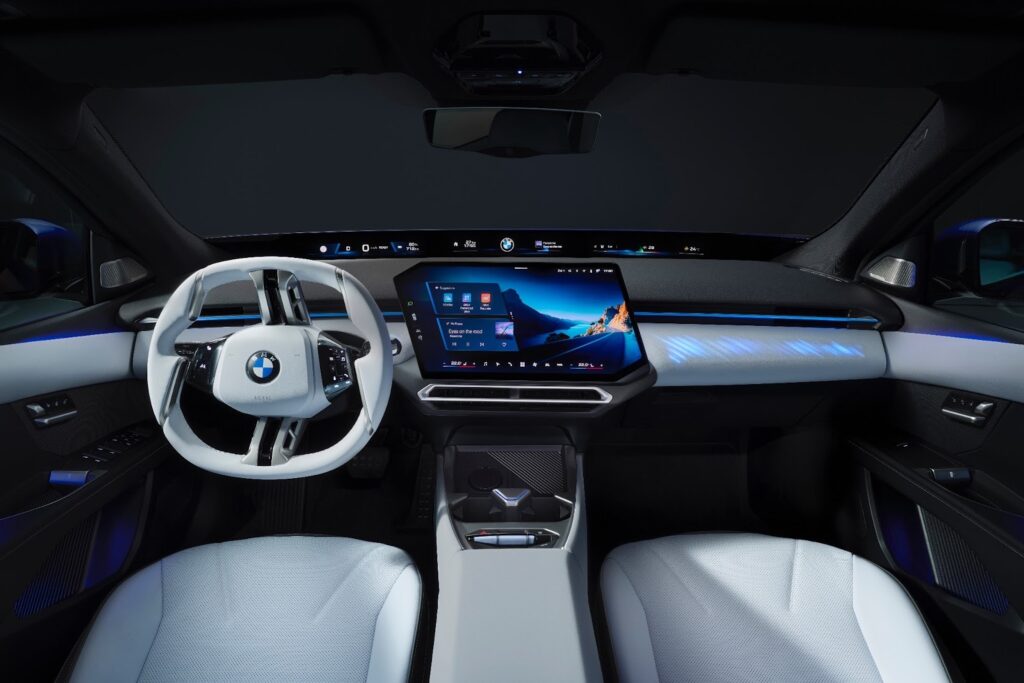
Inside, the i3 incorporates most of the design cues from the ‘Neue Klasse’ concept car, featuring an interface designed for electric mobility whilst retaining a sporty feel, known as Panoramic iDrive. The central screen is slightly angled towards the driver; a wide Panoramic Vision strip positioned beneath the windscreen provides better visibility of driving information, whilst the “Heart of Joy” control unit offers a response time ten times faster than previous systems. The driving experience of the i3 must be at the very top of the range for a premium model, including electric vehicles.
A major industrial investment in the electric sector
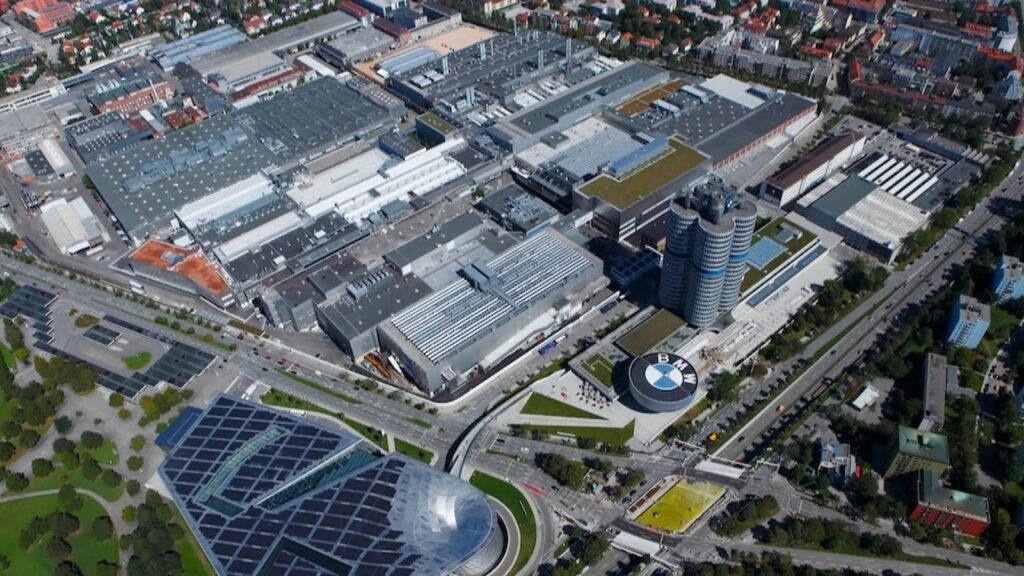
A key strategic priority for the Bavarian manufacturer, the i3 is produced at the Munich plant, which has been BMW’s historic site since 1922. Over €650 million has been invested in adapting the assembly lines and modernising the site with a view to producing an entirely all-electric range of cars. Other models will gradually be added to the production line-up.
Production of the first i3s will begin in August 2026, with deliveries expected by the end of the year. The price of the i3 has not yet been announced. It is worth noting that a Touring version (estate) and an M version (high-performance) will be launched at a later date, demonstrating that the i3 forms the cornerstone of BMW’s commitment to electric vehicles.