


For many years, recharging time has been one of the major obstacles to the adoption of gentler mobility. Now, the promise of recharging as quickly as a full tank of petrol is becoming a reality. And the reason? A technological advance unveiled by BYD that could mark a turning point for electromobility: the Blade 2.0 battery and Flash Charging technology. At the heart of this announcement is an architecture capable of achieving 1,500 kW of charging power, a level never before seen in the automotive industry. Under the best conditions, BYD claims that it would be possible to recover 400 to 500 kilometres of range in just five minutes.
A new generation of batteries to break new ground
After the arrival on the market in 2020 of the Blade Battery, a battery made in BYD, it is now the turn of its second version to see the light of day. The press release confirms that it retains the LFP (lithium iron phosphate) chemistry that made the reputation of the first generation for its safety and durability. But it has evolved significantly on a number of technical points:
- improved energy density,
- much higher load capacity,
- better thermal management,
- structural architecture integrated into the vehicle using Cell-to-Body technology.
The results are spectacular: some 100% electric models equipped with this new generation battery can now exceed a range of 1,000 km according to the Chinese CLTC cycle. This is particularly true of the top-of-the-range Yangwang U7 saloon, capable of a range of 1,006 km, and the sporty Denza Z9 GT, which would exceed 1,030 km with this technology.
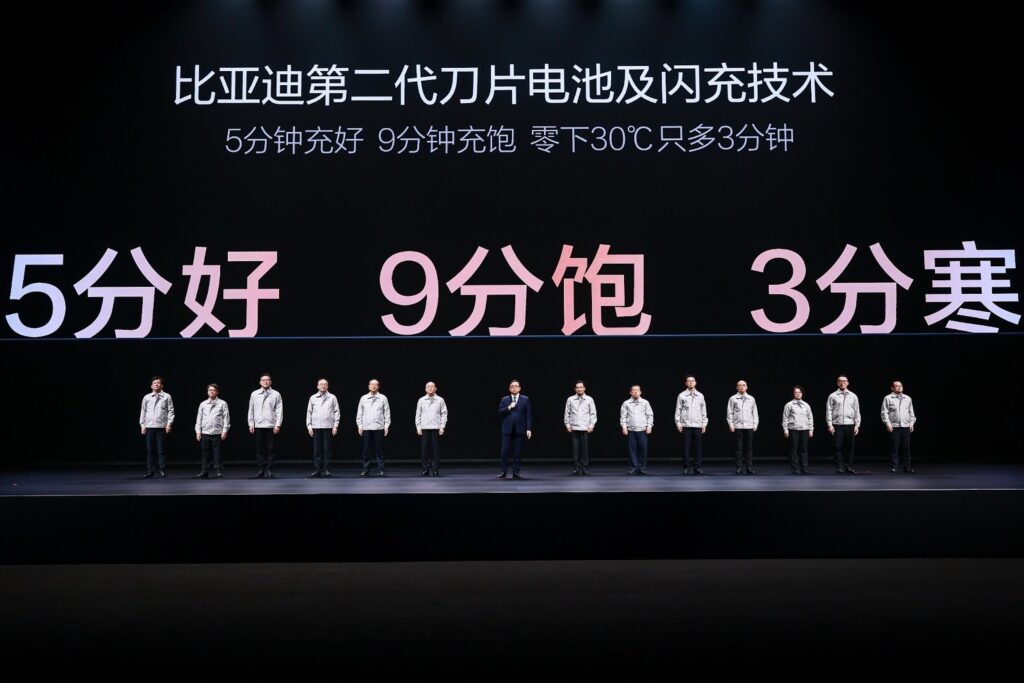
Unfortunately, BYD did not provide any information on energy density, apart from the following figure: « +5% ».
So yes, these staggering range figures are based on the Chinese cycle, which is generally more optimistic than Europe’s WLTP. Nevertheless, they testify to the technological leap made by the world leader in battery technology.
Recharging almost as fast as a full tank of petrol
If the batteries haven’t convinced you, wait until you see what the Flash Charging stations are all about. The manufacturer promises a recharge that will take the battery from 10% to 70% in around 5 minutes. Another value: connecting to a Flash Charging point with a vehicle equipped with the Blade 2.0 battery will increase the level from 10% to 97% in less than 9 minutes.
For drivers living in extremely cold areas, don’t worry: BYD has thought of everything, and it’s amazing. The Blade 2.0 takes the battery from 20% to 97% in approximately 11 minutes at -20°C and a few seconds more at -30°C.
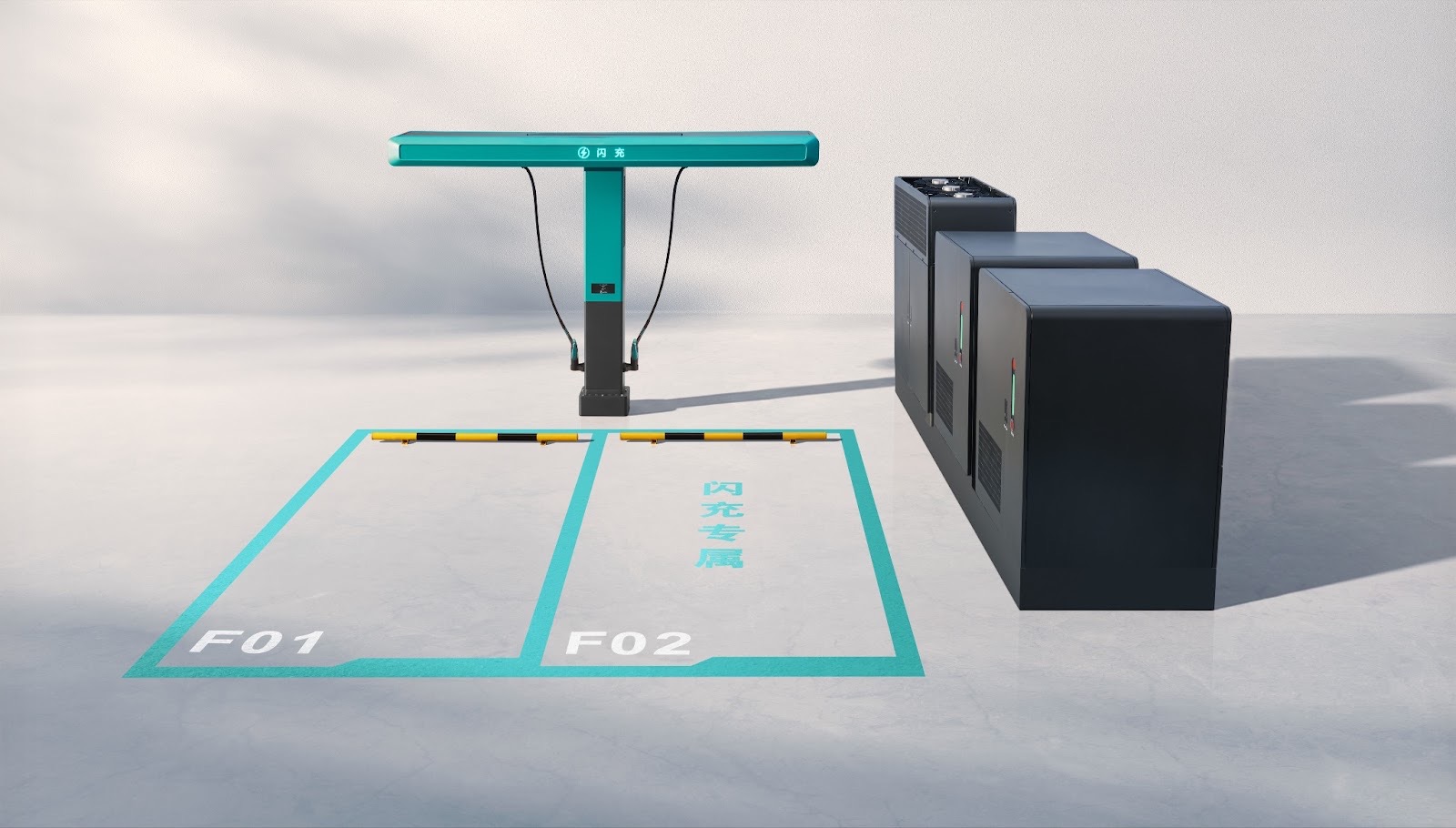
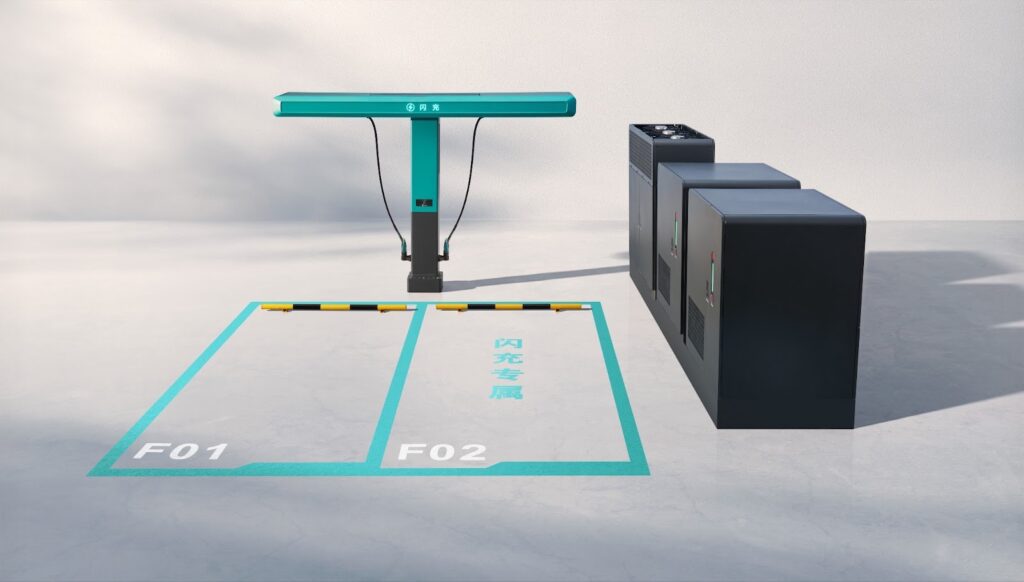
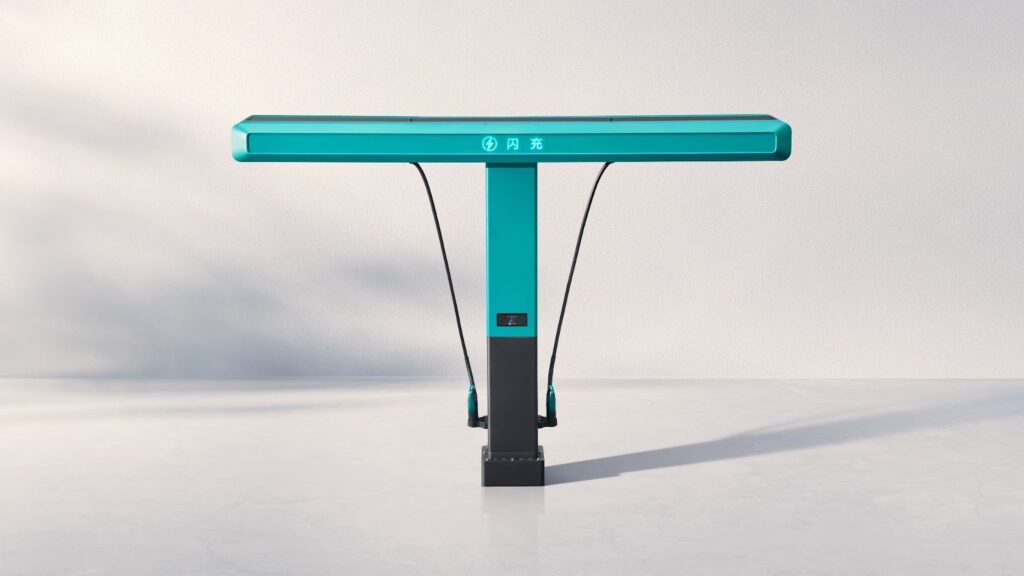
To achieve this performance, BYD is relying on a dedicated infrastructure capable of delivering up to 1,500 kW of power, several times the power of current rapid charging stations in Europe.
And as well as being efficient, they are also designed to make the charging experience more pleasant. You may have wondered why the station is T-shaped? Well, it’s to allow the cable to be suspended with a ‘zero gravity’ system, so that it doesn’t drag along the ground and the customer doesn’t have to bear its weight.
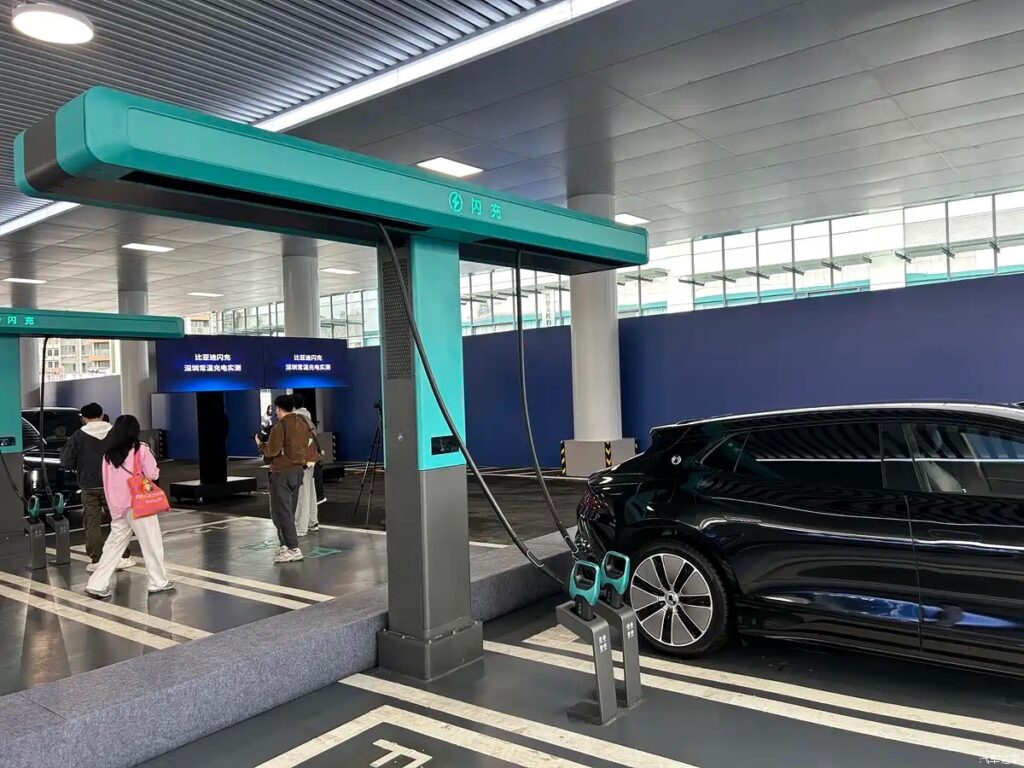
But is this infrastructure accessible now? The answer is yes, but only on Chinese roads. BYD has already installed 4,239 Flash Charging stations across China and plans to operate 20,000 by the end of the year. The brand promises that the whole world will be able to benefit from these infrastructures, even if no date or strategy has yet been communicated.
A clear message: electrics just got easier
The aim behind this technological demonstration is obvious: to do away with what manufacturers call « charging anxiety ». For years, range and charging time have been the two main arguments put forward by sceptics of electric cars.
From now on, with a range of over 1,000 kilometres and a recharge time of just a few minutes, BYD wants to show that these obstacles are about to become a thing of the past. It remains to be seen whether this performance will be confirmed in mass-market models in China and abroad.