

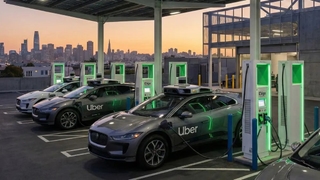

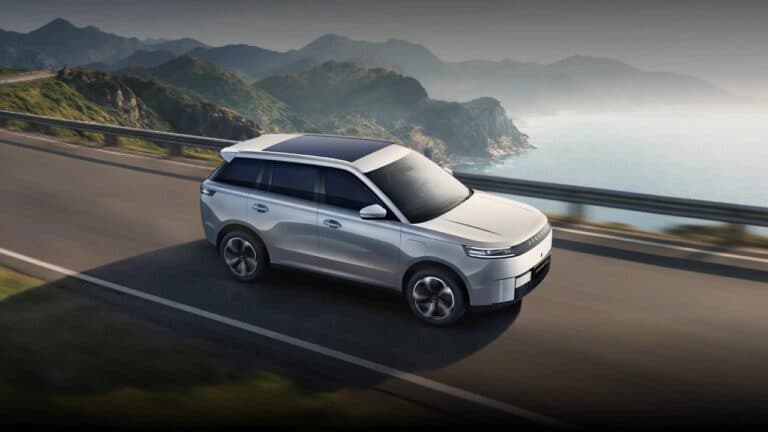


On 17 February 2026, Uber Technologies announced a major investment of more than $100 million to develop dedicated charging infrastructure for its future fleet of vehicles, including autonomous robotaxis. This initiative is part of a global strategy to support both the electrification of its fleet and the transition to large-scale autonomous transport services.
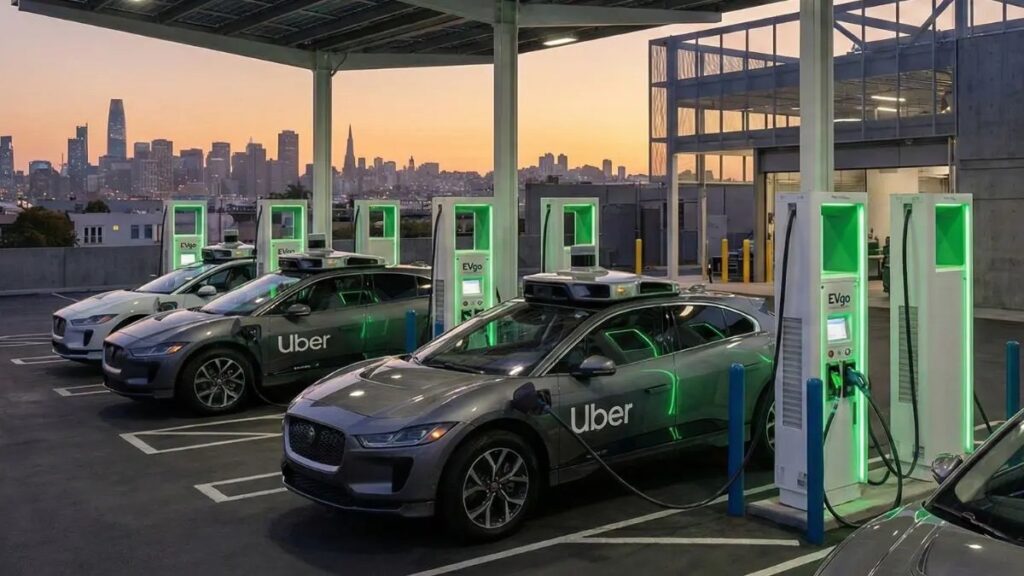
Objective: recharging infrastructure dedicated to robotaxis and electric fleets
« Cities can only fully exploit the promise of autonomy and electrification if the right charging infrastructure is built on a large scale, » said Pradeep Parameswaran, global head of mobility at Uber. This is where Uber’s investment makes sense. Specifically, it aims to finance the construction of fast-charging stations within its autonomous vehicle depots, logistics hubs where its future robotaxis will be maintained, recharged and prepared for traffic. Uber is currently running such operations in Atlanta and Austin as part of its partnership with Waymo, as well as in Abu Dhabi and Dubai for WeRide vehicles. These stations should also be located in strategic urban locations, particularly in large metropolitan areas.

An announcement that seems to have convinced, since the company’s shares rose by 2.9% following the publication of a press release explaining that it will concentrate on building these new high-capacity charging centres, starting with the San Francisco Bay area, Los Angeles and Dallas, before extending the programme internationally in the months and years to come.
Partnerships with global recharging operators
To speed up the expansion of these infrastructures, Uber has signed collaboration agreements with several recharging operators around the world. Among the players involved are networks that are already well established in fast charging:
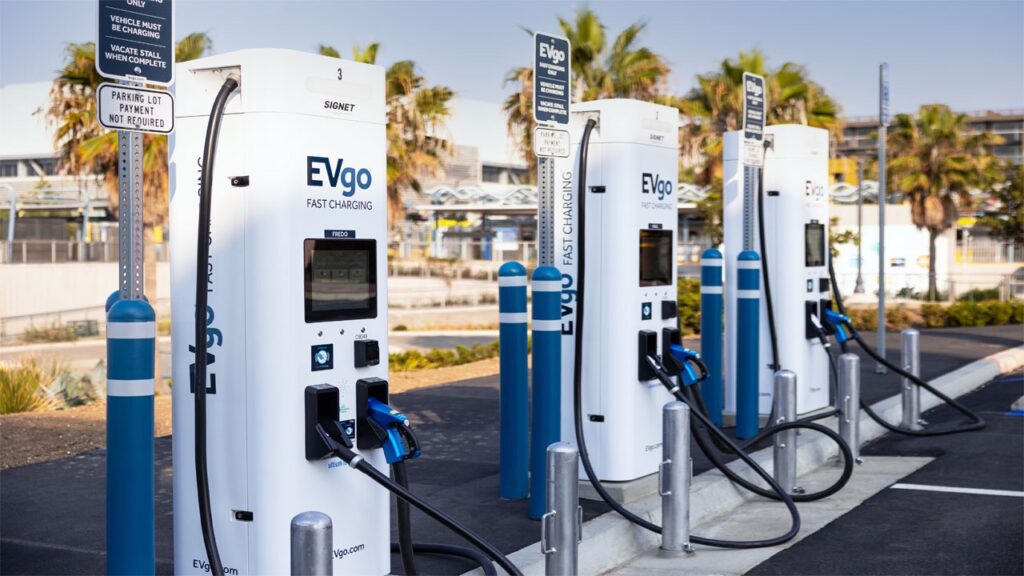
- EVgo in the United States (New York, Los Angeles, San Francisco, Boston),
- Electra in Europe (with facilities in Paris and Madrid),
- Hubber and Ionity in the UK (London).
These partnerships mean that hundreds of new chargers can be deployed, reinforcing the infrastructure where demand is strongest.
A dual strategy: driver support and autonomous transition
The investment is not limited to autonomous robotaxis. Uber also wants to optimise the infrastructure for existing drivers, many of whom use conventional (non-autonomous) electric vehicles to meet the demand for ridesharing.
To achieve this, the company is committed, for example, to offering incentives to partners such as EVgo to install kiosks in areas where drivers work or live. These districts are densely populated areas, frequent pick-up zones, airports or strategic locations for the VTC business. The American giant’s strength lies in its database. It uses this to direct its deployments towards areas of high demand.
Uber and the race for autonomous mobility
And it’s no coincidence that we’re talking about robotaxis. Uber’s involvement in charging infrastructure is part of a wider strategy to transform towards large-scale autonomous services. The company is already working with more than 20 international partners to develop, test and deploy these technologies, and is at the forefront of a competitive market that includes Waymo, Tesla, WeRide and other major players in the sector.
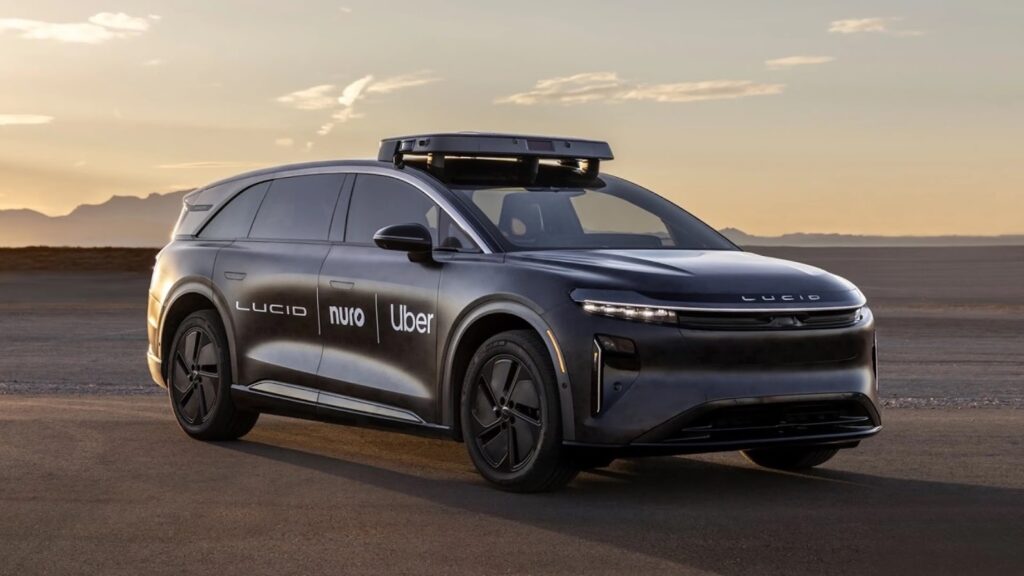
In concrete terms, Uber’s future robotaxi will be based on the Lucid Motors Gravity, a top-of-the-range electric SUV officially presented at CES 2026 in Las Vegas. This strategic programme is based on a three-way partnership between Uber, Lucid and Nuro, with the integration of autonomous driving software based on the Nvidia platform.
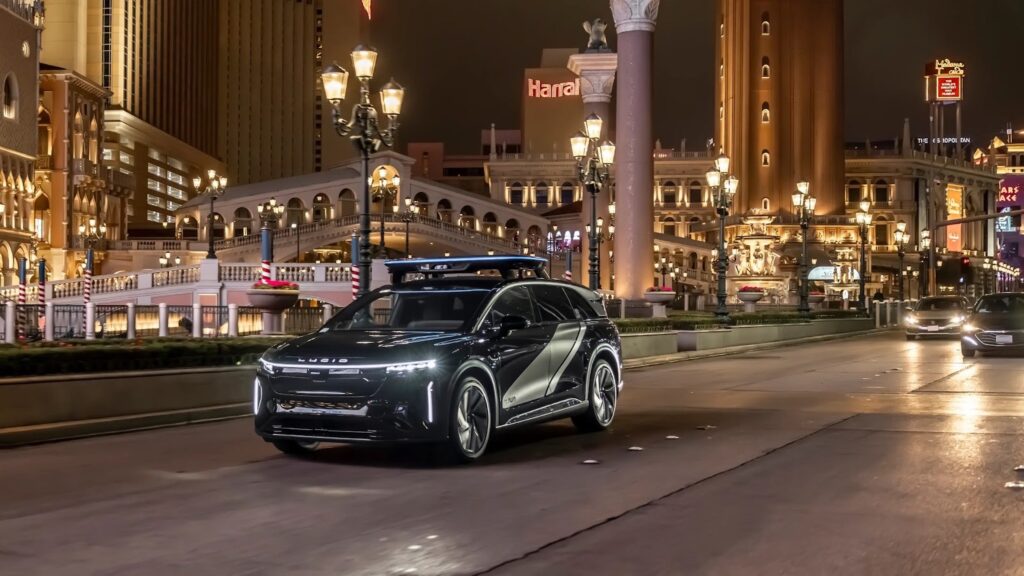
The target is ambitious: 20,000 units deployed over six years, with the first operational launch planned for San Francisco in the fourth quarter of 2026. It is with this development project in mind that this $100 million investment in charging infrastructure has been raised, specifically for these future autonomous Lucid Gravity vehicles.