






This decision has been eagerly awaited by the electromobility industry. The weight-based tax on electric cars weighing more than 2.1 tonnes from 1 July 2026 has been definitively removed from the Finance Bill (PLF) for 2026. The final adoption of the text by the National Assembly on Monday 2 February 2026 means that this controversial measure has been dropped after several months of debate. Electric vehicles will therefore remain fully exempt from the weight-related penalty over the period 2026-2028, unlike combustion and hybrid engines.
A tougher weight penalty… but without EVs
The plan to impose a weight-based penalty on vehicles driven in France was launched in 2022. The aim: to encourage more fuel-efficient cars. As a reminder, the weight-related penalty is a tax applied to the purchase of a new car deemed to be too heavy. The more the vehicle exceeds a certain reference weight, the more the buyer pays. Initially, the tax was aimed mainly at the heaviest combustion-powered vehicles, but as part of the 2026 Budget Bill, the government plans to tighten the system considerably.
The general threshold was to be lowered to 1,500 kg (from 1,600 kg in 2025), with a progressive scale: €10/kg between 1,500 and 1,800 kg, €20/kg from 1,800 to 2,100 kg, and €30/kg above that. For electric vehicles, a total exemption was maintained until 30 June 2026, before the introduction of an allowance of 600 kg to compensate for the weight of the batteries, bringing the effective threshold to 2,100 kg. Beyond this threshold, only models with a sufficient eco-score, defined by the decree of 24 June 2025 and based on production, use and recycling criteria via ADEME, would have escaped taxation. The others would have been subject to the excess mass penalty.

Concrete impacts feared by the industry
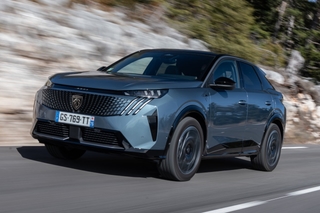
In its initial version, according to Go-Electra, the scheme would have affected around 30% of new electric vehicles sold in France, mainly family SUVs and top-of-the-range models. A Peugeot e-3008, for example, weighing in at 2,183 kg, would have been hit with a penalty of around €830, while a BMW iX xDrive50 (2,585 kg) would have been penalised to the tune of almost €4,850. Conversely, compact models such as the Renault 5 E-Tech would have remained completely exempt.
What’s more, according to estimates by the PFA and the CCFA, sales of electric vehicles would have fallen by 10 to 15% by 2026, or around 20,000 units out of the 150,000 to 180,000 EVs expected annually in France. In all, French carmakers would have lost €500 million in sales.
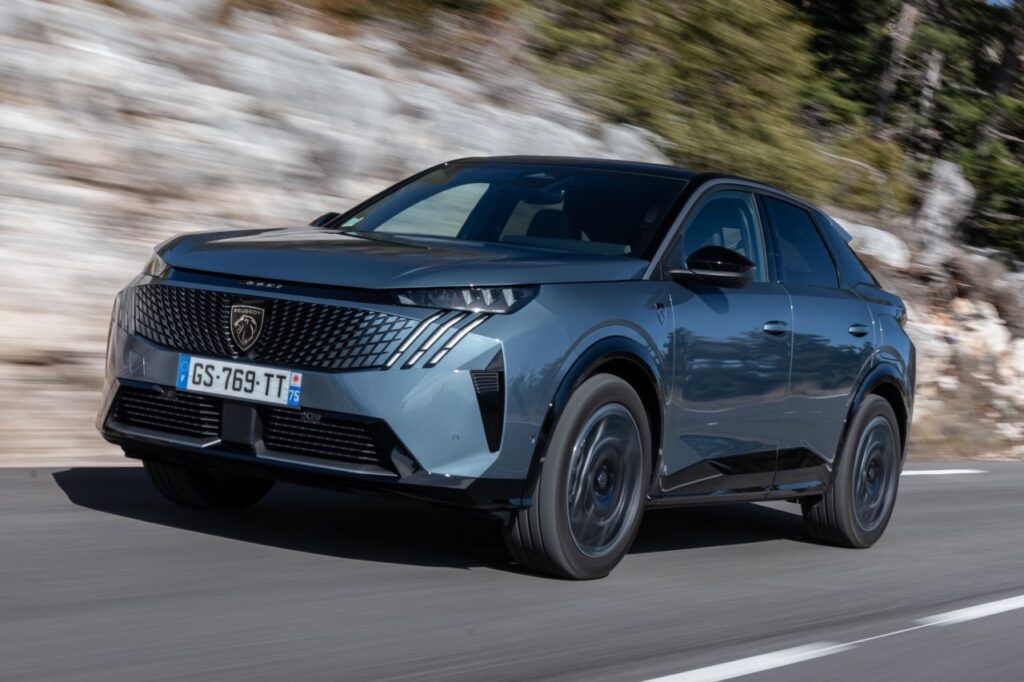
But while this measure would have been a handicap for manufacturers, the government’s stated objective was clear: to reduce the average weight of electric vehicles. Today, the average weight of an EV is close to 1.9 tonnes, compared with 1.4 tonnes for internal combustion vehicles. Ecologically, the idea is understandable: to limit the carbon footprint associated with batteries, and to target imported heavy electric models in particular.
A decision to abolish the scheme following a major mobilisation
So why is it being scrapped? Back in the autumn of 2025, during the first readings of the PLF 2026 in the Senate and the National Assembly, the weight-based penalty applied to EVs provoked strong reactions, and the French automotive industry exerted intense pressure, led in particular by the PFA, the CCFA, Renault and Stellantis.
Prior to this announcement, manufacturers were already warning of the risk of a sudden halt to the transition to electricity, in a context constrained by the ZFEs and the gradual end of certain forms of support. But the good news is that at the end of January 2026, a deletion amendment was finally adopted in committee, resulting in the outright withdrawal of article 47 bis from the text, before the government had to invoke its responsibility under article 49.3.
On 2 February 2026, the French National Assembly definitively adopted the PLF without the weight-based tax on electric vehicles. Enactment in the Journal Officiel is expected in mid-February.

A clearer tax framework for electromobility
The final weight-based allowance scale for 2026 will therefore apply only to internal combustion and hybrid vehicles. Plug-in hybrids will retain a 200 kg allowance, while the allowance for micro-hybrids will be abolished from 2027.
For electromobility, the decision brings visibility: EV sales could rise by 15-20% in France by 2026, according to Avere-France. Renault, the market leader with a market share of almost 30% and sales of 150,000 electric vehicles by 2025, will benefit directly from this more favourable framework, particularly for its family models.
While the weight-based penalty has been dropped, other measures continue to provide a framework for the development of electromobility: increased quotas for electric vehicles in company fleets, the continuation of the CEE bonus subject to an eco-score, and the gradual tightening of low-emission zones (ZFE). In other words, the transition to electric vehicles is continuing, within a framework, but without any direct tax penalties linked to weight.