



The war in the Middle East is reigniting a concern all too familiar to Americans: the price at the pump. Since the strikes carried out by the United States and Israel against Iran in late February 2026, followed by Iranian retaliation and the blockade of the Strait of Hormuz, energy markets have been under strain. The immediate result: a surge in oil and petrol prices, which is unpopular with the public and has reignited the debate over switching to clean-energy vehicles.
A geopolitical shock that is driving prices back up
In reality, the impact of the conflict was almost immediate. The Strait of Hormuz, through which around 20% of the world’s oil passes, was partially blocked. As a direct consequence, the price of a barrel of Brent crude broke the $100 mark, even reaching $120 at times – a level not seen since 2022, according to several analyses published in early March. Indeed, the price per barrel fluctuated between $55,000 and $64,000 between 2020 and 2023.
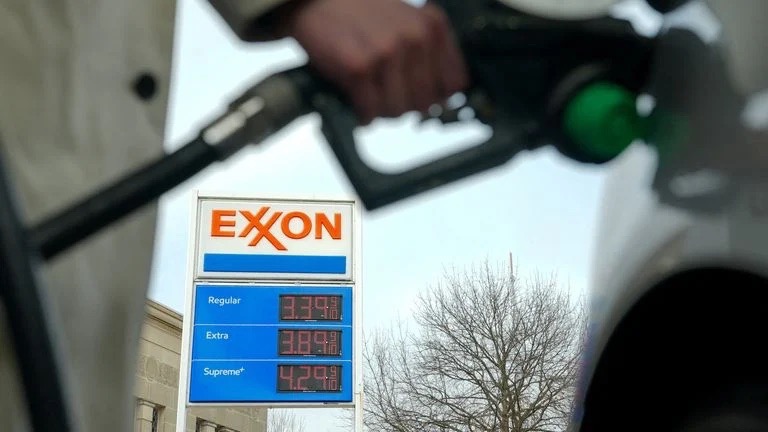
In the United States, this tension was quickly reflected at the pump. According to data reported by Reuters and several international media outlets, the average price of petrol rose from around $2.85 per gallon in February to between $3.63 and $4 in early March, with peaks of up to $4.40 in some states. This represents an increase of between 21% and 24% in just a few weeks.
A sudden spike, less severe than that of 2022, when prices had risen above $5 a gallon, but significant enough to reignite concerns about purchasing power.
A very real concern in the daily lives of Americans
On the ground, the impact is immediate. Accounts gathered by AFP and reported by USA Today in early March 2026 point to growing discontent at petrol stations, particularly in California and several southern states. Some motorists speak of a direct impact on their household budgets: “Prices are rising really fast”, “I’m unemployed, it’s getting difficult”, or “This war is making life more expensive”.
Polls confirm this trend. A Reuters/Ipsos survey indicates that 67% of Americans expect petrol prices to continue rising over the course of the year. At the same time, 49% believe the war is already having a negative impact on their personal finances.
Household confidence has been directly affected. The University of Michigan’s consumer confidence index fell to 55.5 in March 2026, one of its lowest levels in several months.
Growing political pressure on Donald Trump
Against this backdrop, the energy issue has become a key political concern. According to several surveys reported by Reuters and Le Monde, only 27% of Americans approve of Donald Trump’s handling of petrol prices, whilst 66% disapprove.
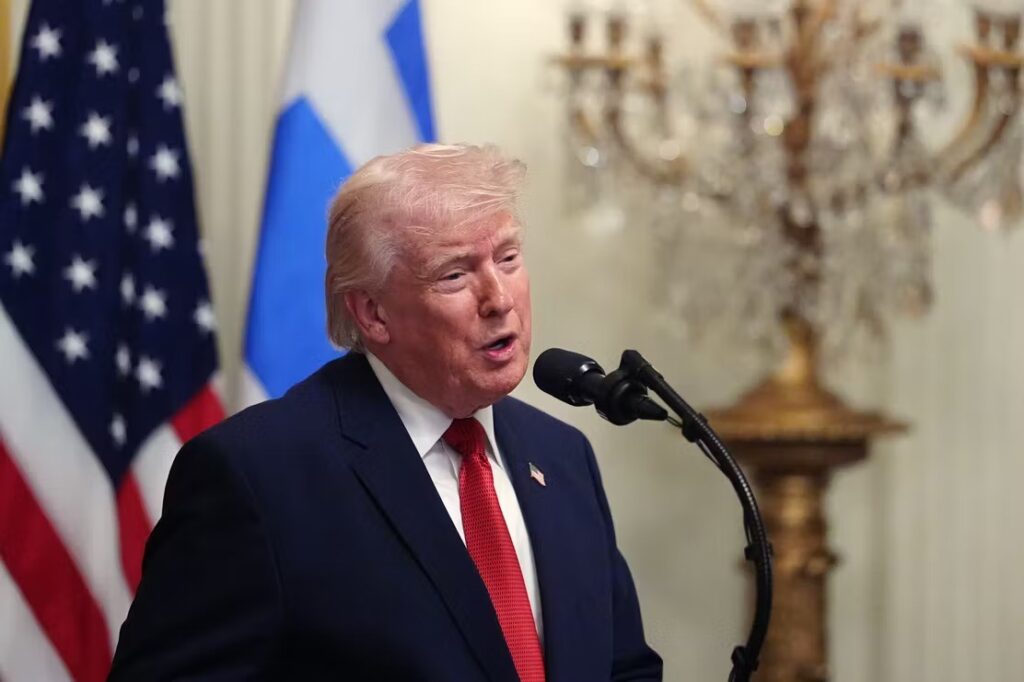
More broadly, managing the cost of living has become a major point of vulnerability for the government. Nearly two-thirds of those surveyed say they are critical on this issue, even as the mid-term elections approach in autumn 2026.
This situation is reminiscent of the crisis in 2022, when soaring prices following the invasion of Ukraine had taken their toll on the popularity of the US administration at the time.
Trump’s energy policy put to the test
Since returning to the White House, Donald Trump has radically changed US energy policy. Several measures supporting electric vehicles have been scrapped, starting with the $7,500 tax credit, which is set to end in late September 2025. Funding for the NEVI programme, intended for the roll-out of charging points, has also been frozen, whilst certain emissions standards have been relaxed.
At the same time, the government has stepped up its support for fossil fuels, with a strategy focused on increasing domestic production and exports of liquefied natural gas, which are expected to rise by 50% by 2027.
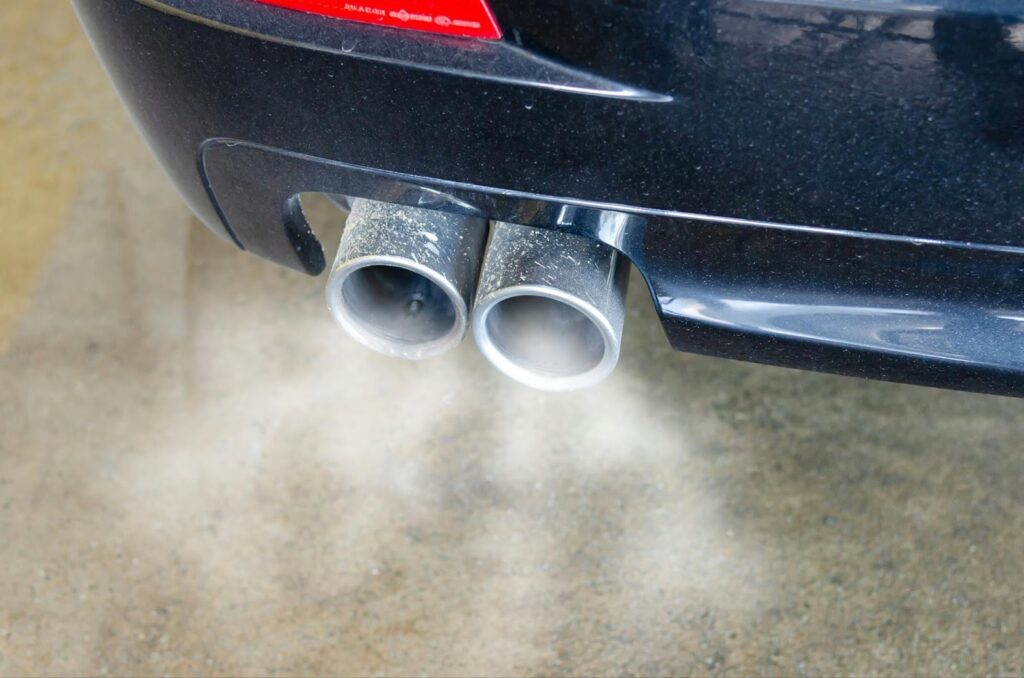
In practice, this decision indirectly favours combustion-engine vehicles. This approach automatically increases households’ dependence on fluctuations in oil prices.
An ironic twist in the energy sector that is reigniting interest in electric vehicles
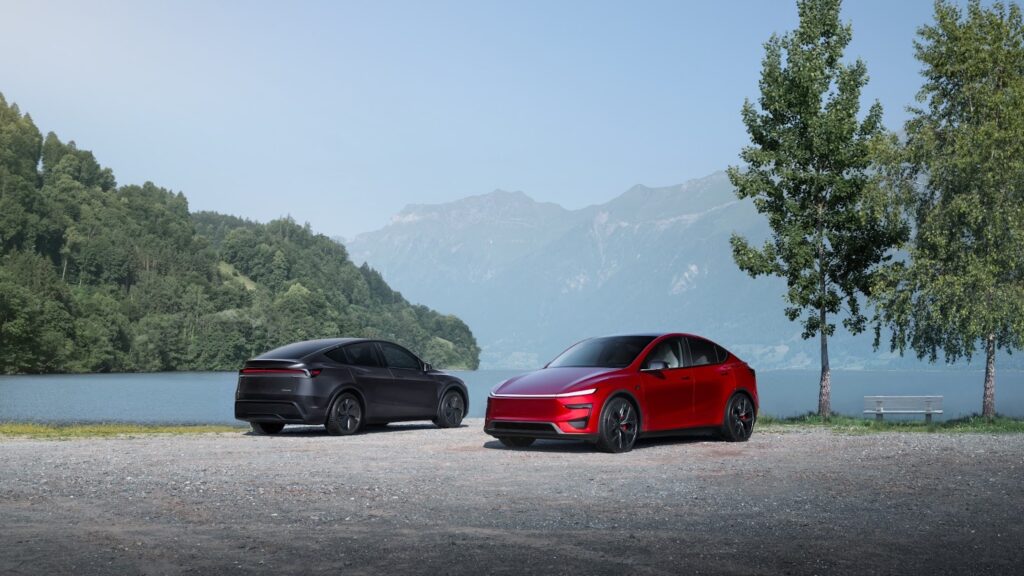
The irony is that, whilst public policy is holding back the development of electric vehicles, rising petrol prices are making them more attractive in the short term.
According to several sector-specific analyses, searches for electric vehicles now account for between 22% and 24% of all automotive searches, a figure that represents an increase of several percentage points since the start of the conflict. This trend was already observed in 2022, when sales of electric vehicles rose sharply, with their market share increasing from 2.7% to 5.6% amid soaring oil prices.
But unlike back then, the current political climate is now holding back this momentum. Indeed, the withdrawal of subsidies and the rise in the price of new vehicles – which now average over $50,000 – are limiting access to electric vehicles for some consumers.
A strategy that could backfire on its initiator
The question now clearly arises: has Donald Trump fallen into his own trap?
By favouring fossil fuels and holding back the transition to electric vehicles, the administration has increased Americans’ vulnerability to oil price shocks. In the short term, rising petrol prices are fuelling discontent and eroding purchasing power.
In a rapidly changing automotive market, the war in the Middle East serves as a wake-up call. It serves as a reminder that, despite record domestic production estimated at over 13 million barrels a day, the United States remains vulnerable to international tensions.
And in this context, clean energy for our transport is proving to be the best option for keeping costs down.