


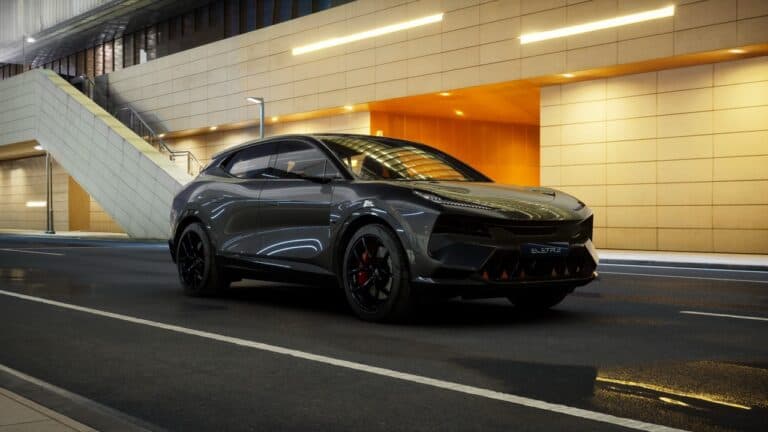


Switzerland is continuing its transition at its own pace. Without massive national subsidies or radical bans, the country is relying on a pragmatic, decentralised approach that is largely supported by the cantons. The result is a growing market share and a dense infrastructure, but federal targets are still out of reach.

A growing electricity market despite a difficult environment
In 2025, the Swiss car market will total around 235,000 new registrations, down slightly on 2024 (-2%), as a direct result of a tense economic climate and increased caution on the part of households and business fleets alike.
Against this backdrop, electromobility continues to grow. 100% electric vehicles (BEVs) reached 50,975 registrations, up 15% year-on-year, for a market share of 22.8%. Plug-in hybrids (PHEVs) also confirmed their appeal, with 25,284 units, or 11.1% of the market.
In all, 33.9% of new cars sold in Switzerland in 2025 will be rechargeable, or one in three cars – an all-time record for the country. The month of December is a perfect illustration of this dynamic, with 42.7% market share for rechargeable vehicles.
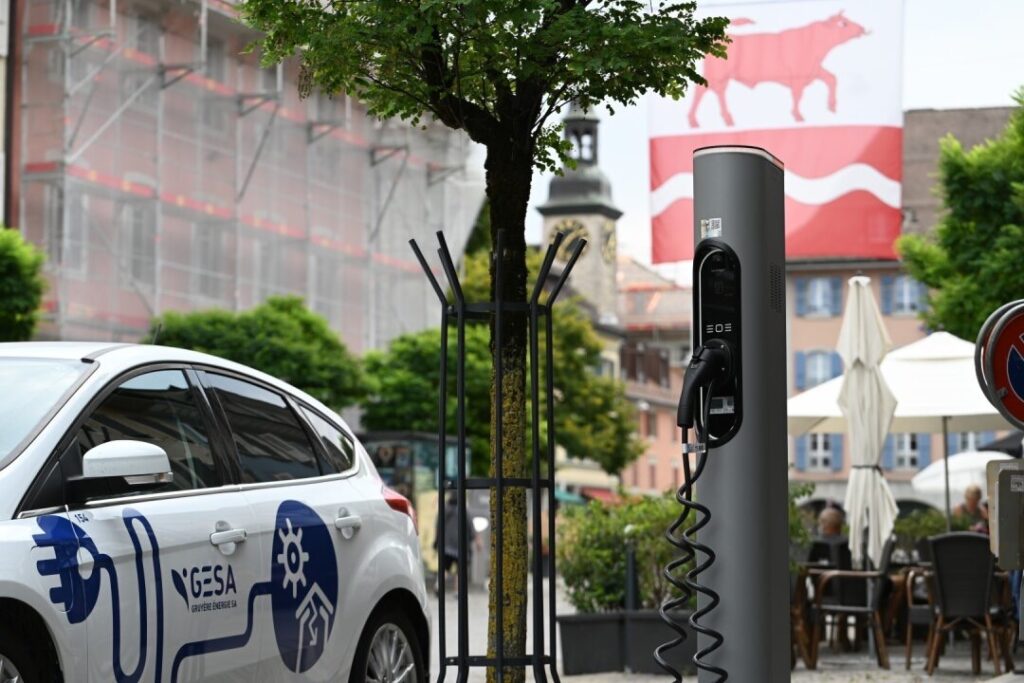
By the end of 2025, there will be around 230,000 electric vehicles on the road, compared with just 7,500 ten years earlier. This represents a thirty-fold increase, even though electric vehicles still only account for 5% of the total fleet, compared with 83% thermal or diesel vehicles.
Electric SUVs and leading manufacturers
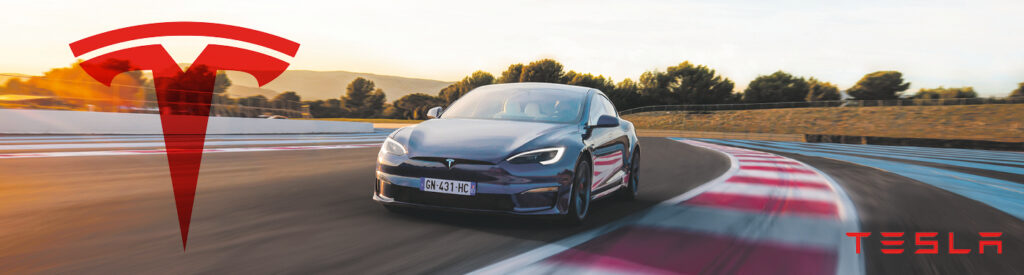
As in the rest of Europe, electric SUVs dominate sales in Switzerland. At the top of the 2025 rankings, the Tesla Model Y is once again the market benchmark, with sales of 4,522 units, boosted by a particularly strong December.
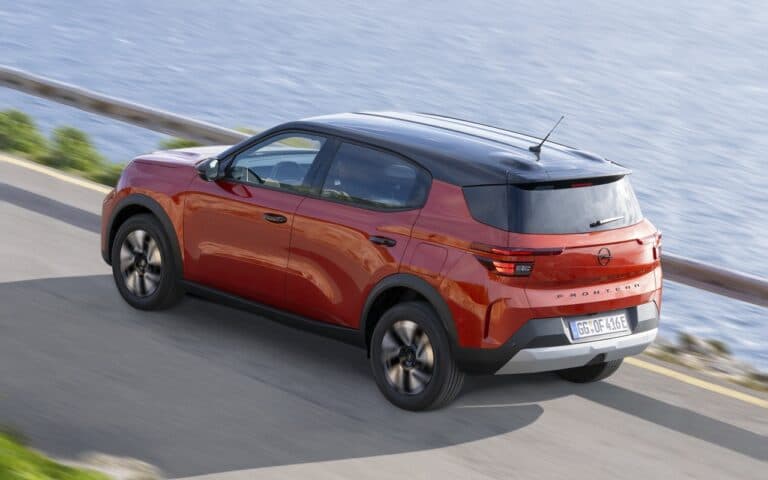
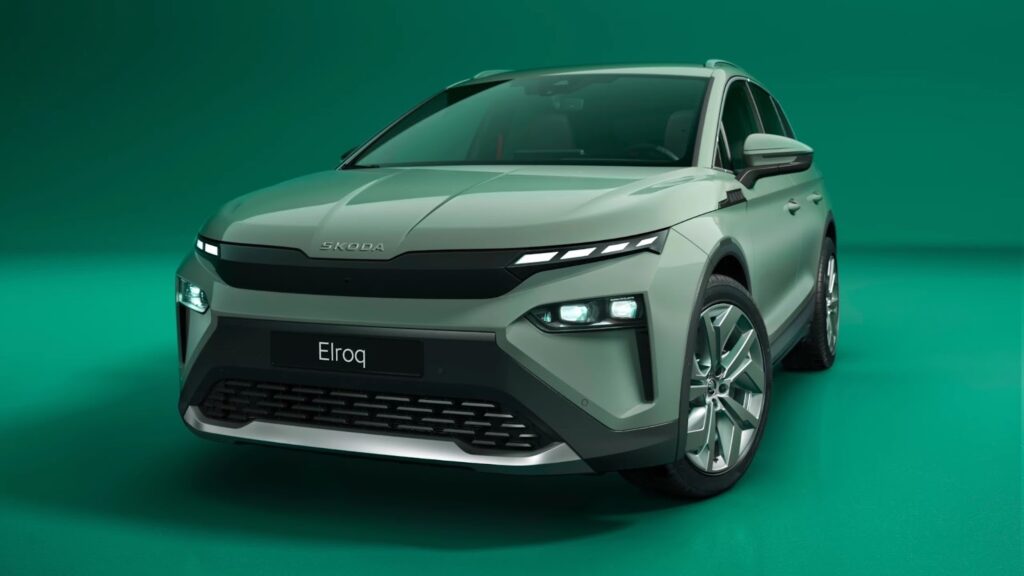
The surprise came from Škoda, which placed two models on the podium. The Škoda Elroq, a recently-launched compact SUV, has won over customers thanks to its price positioning, with 3,308 registrations, ahead of the Škoda Enyaq (2,774 units), which has become the brand’s best-selling electric model across all segments.
Behind this trio are the Tesla Model 3, the Volkswagen ID.4 and ID. Buzz, as well as several Chinese models such as the BYD Seal and Atto 3, which are increasingly visible on Swiss roads. Switzerland thus confirms its position as an open market, where premium, generalist and new entrants coexist.
A dense but uneven recharging network
When it comes to recharging, with around 18,000 public charging points by the end of 2025, Switzerland has one of the densest networks in Europe, ranking 7ᵉ on the continent. The number of charging points has risen by around 30% in less than two years, with a notable increase in fast-charging infrastructures.
However, 80% of charging still takes place at home or at the workplace, compared with just 20% on the public network. This is a situation that particularly affects tenants in urban areas, who are heavily dependent on public charging points.
But this development is not the same everywhere. The cantons of Zurich (around 2,000 points), Berne (1,300) and Vaud (1,200) concentrate most of the infrastructure. Conversely, rural and Alpine areas are lagging behind, and are therefore not developing at the same rate.
A federal strategy without strong constraints
Unlike some European Union countries, Switzerland has never relied on massive national incentives to speed up the adoption of electric vehicles. The strategy is based above all on energy efficiency, indirect taxation and the voluntary commitment of stakeholders.
The federal government’s roadmap set a target of 50% rechargeable vehicles by 2025, a target that was clearly missed at 33.9%. It has since been extended to 2030, with an extension to include trucks, buses and commercial vehicles, the sectors in which Switzerland is performing best.
Exemption from the LSVA for electric heavy goods vehicles has led to a sharp increase in BEV trucks, which now account for more than 18% of new registrations in this segment, a European record.
Local businesses and players
Although Switzerland does not have a major national manufacturer, it does have a solid ecosystem. The national reference organisation, Swiss eMobility, coordinates cantons and private-sector players, publishes statistics, supports infrastructure projects and plays an active role in defining federal roadmaps.
When it comes to recharging, SwissCharge is a major player, with a growing presence in urban centres and on strategic routes. The company is supported by the cantonal energy companies, which are developing the network of public charging points, in particular to meet the needs of fleets and commercial vehicles.
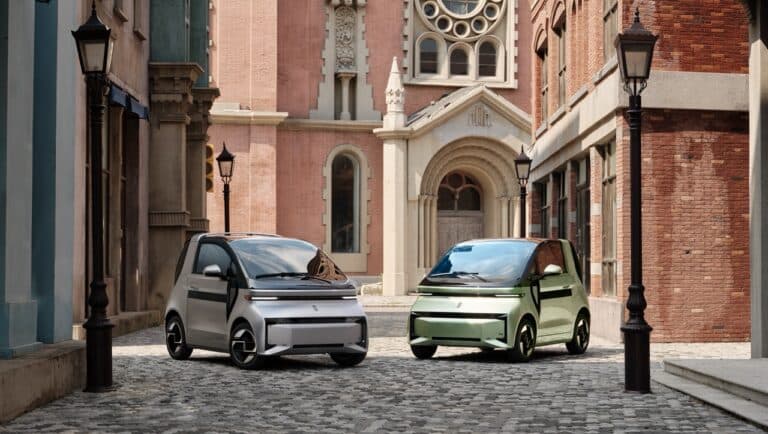
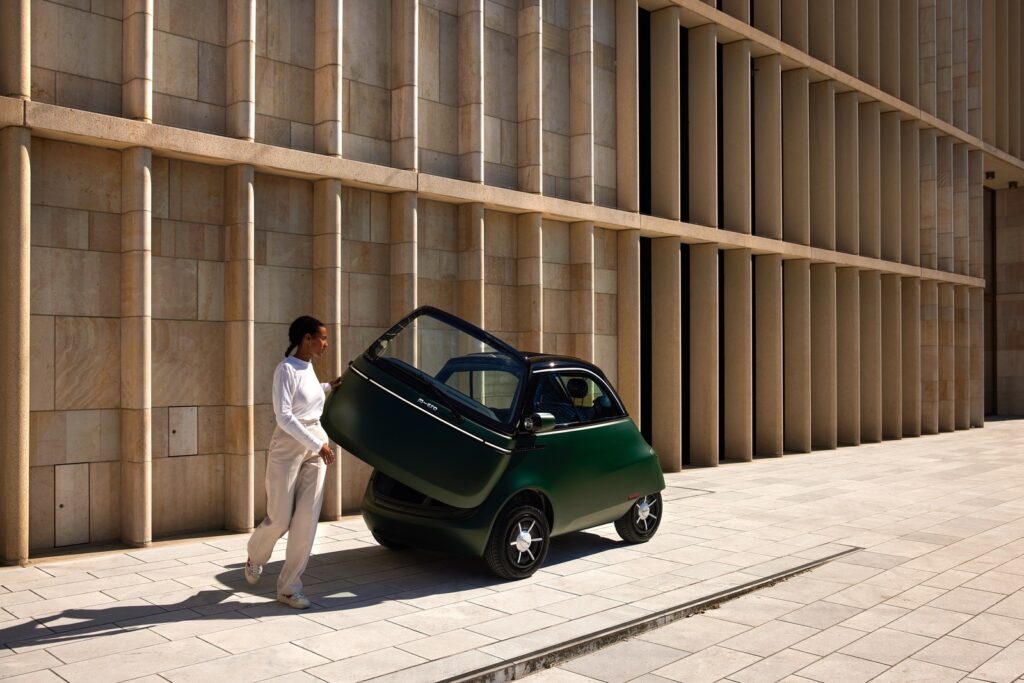
One of the most emblematic Swiss start-ups is Microlino, which made a name for itself with its urban electric micro-car inspired by the Isetta. Designed for city travel, it is compact, simple and has a range suited to everyday journeys, offering a lightweight alternative to traditional SUVs and saloons.
The traditional players in the mobility sector also play a key role. The Touring Club Suisse (TCS) is a major source of information and analysis for private individuals, while auto-schweiz and the VFAS represent importers and the independent motor trade, while playing an active role in the debate on the pace and methods of the transition.
Marked disparities between cantons
The transition to electric vehicles in Switzerland remains highly decentralised. The urban and economically dynamic cantons are showing the best results in terms of new electric car registrations, starting with Zurich, where BEVs account for more than 30% of new sales. Solothurn, Lucerne and other cantons also exceed 25%.

Ticino, on the other hand, lags behind with a market share of around 12%, penalised by limited infrastructure, a strong Italian cross-border influence and different mobility habits.
These differences can be explained by a combination of factors: level of income, urbanisation, terminal density and car culture.
Persistent obstacles and a conditional future
Despite a generally positive dynamic, electromobility in Switzerland is still coming up against a number of structural obstacles. As in many European countries, the sinews of war are still the same: money. In this respect, electrified mobility is not scoring any points, because the purchase price, in the absence of national incentives, remains high and less affordable, even in a country with high purchasing power.
Added to this are the constraints associated with recharging, particularly for the many tenants without access to a private charging point, as well as the uncertainties surrounding the cost of electricity and the future tax framework.
Alpine winter conditions, the question of long-distance autonomy and a marked cultural caution in the face of technological renewal also continue to influence purchasing decisions.

The result is that, according to recent studies, only 24% of future car buyers are currently considering a 100% electric vehicle, leaving a significant number in favour of rechargeable hybrids, which are seen as a more versatile and reassuring compromise.
In the short term, the country is aiming for 40% of vehicles to be rechargeable by 2026, before reaching a majority of electric vehicles by 2035, without formally banning internal combustion engines. It’s a deliberately cautious trajectory, in keeping with the Swiss approach: moving forward without rushing, but without going backwards.