






In 2025, the US electric vehicle market will continue to grow in strength, but will also show signs of structural fragility. Boosted by the final window of the $7,500 federal tax credit, sales reached an all-time high in the third quarter before raising the spectre of a sharp slowdown. Between impressive sales performances and political uncertainties, American electromobility is moving ahead at high speed, with no guarantee of a stable trajectory.
Spectacular growth, but under pressure
The third quarter of 2025 will go down as a turning point for electric vehicles in the United States. With 438,487 units sold, the market set an all-time record, up 40.7% on the previous quarter and almost 30% year-on-year. This surge was largely due to an anticipatory effect: individuals and fleets accelerated their purchases before the expiry of the $7,500 federal tax credit, the central pillar of the policy that has supported electromobility for several years.
However, there is a downside to this rush. Behind the impressive figures for Q3 lies a growing volatility in the market, already perceptible in the first quarter. At that time, electrified vehicles accounted for around 9.6% of new light vehicle sales. This was slightly lower than at the end of 2024, but still up year-on-year, a sign that the underlying dynamic remains positive despite cyclical ups and downs.
Tesla in the lead, generalists in ambush
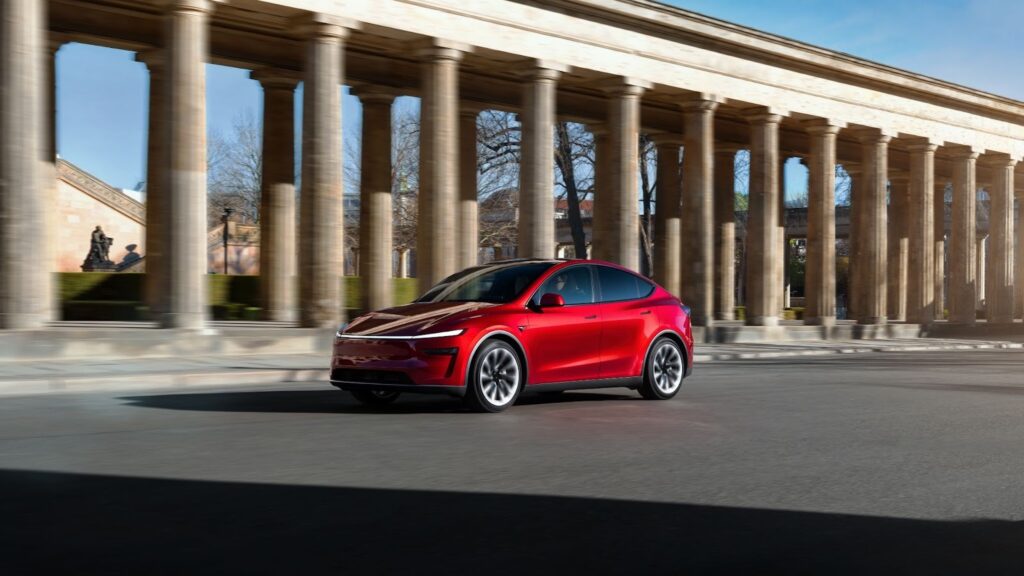
Unsurprisingly, Tesla continues to be the mainstay of the US market. The Model Y dominates sales by a wide margin, with around 155,000 units sold in the first half of 2025 alone, confirming its role as the benchmark for American households. The Model 3 also remains a best-seller, with more than 52,000 registrations in the first quarter, proof that the Californian brand continues to capture a large share of demand, even in the face of increased competition.
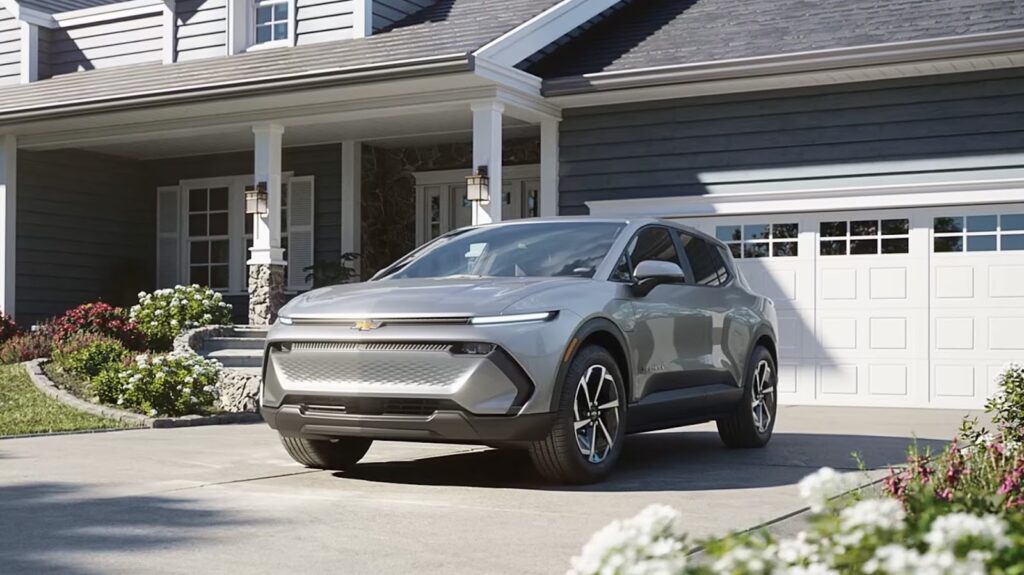
Behind Tesla, the landscape is gradually diversifying. General Motors is doing well with the Chevrolet Equinox EV, which sold more than 27,000 units in the first half of the year, while Honda and Hyundai are gaining a firmer foothold in the market with the Prologue and Ioniq 5. This surge in sales by generalist manufacturers reflects a normalisation of the electric vehicle, which is no longer confined to a technophile or premium segment, but is beginning to reach a wider public.
A market underpinned by ambitious targets
The value of the US electric vehicle market is expected to reach almost $122 billion by 2025, with an estimated compound annual growth rate of over 25% until 2028. This momentum is based on a number of key factors: increasingly stringent emissions standards, massive investment in commercial vehicles and electric fleets, and particularly proactive local policies in some major cities.
In San Francisco, the goal of 50% electric vehicles in new sales by 2025 illustrates this territorial ambition, while New York is aiming for around 25% by the same date. Nationwide, total sales of light vehicles are expected to reach around 16.3 million units, with electric vehicles potentially accounting for up to 16.7% of the market according to some projections. These figures show that, despite the uncertainties, electric vehicles are no longer a marginal part of the American automotive landscape.
Infrastructure, prices and political uncertainty
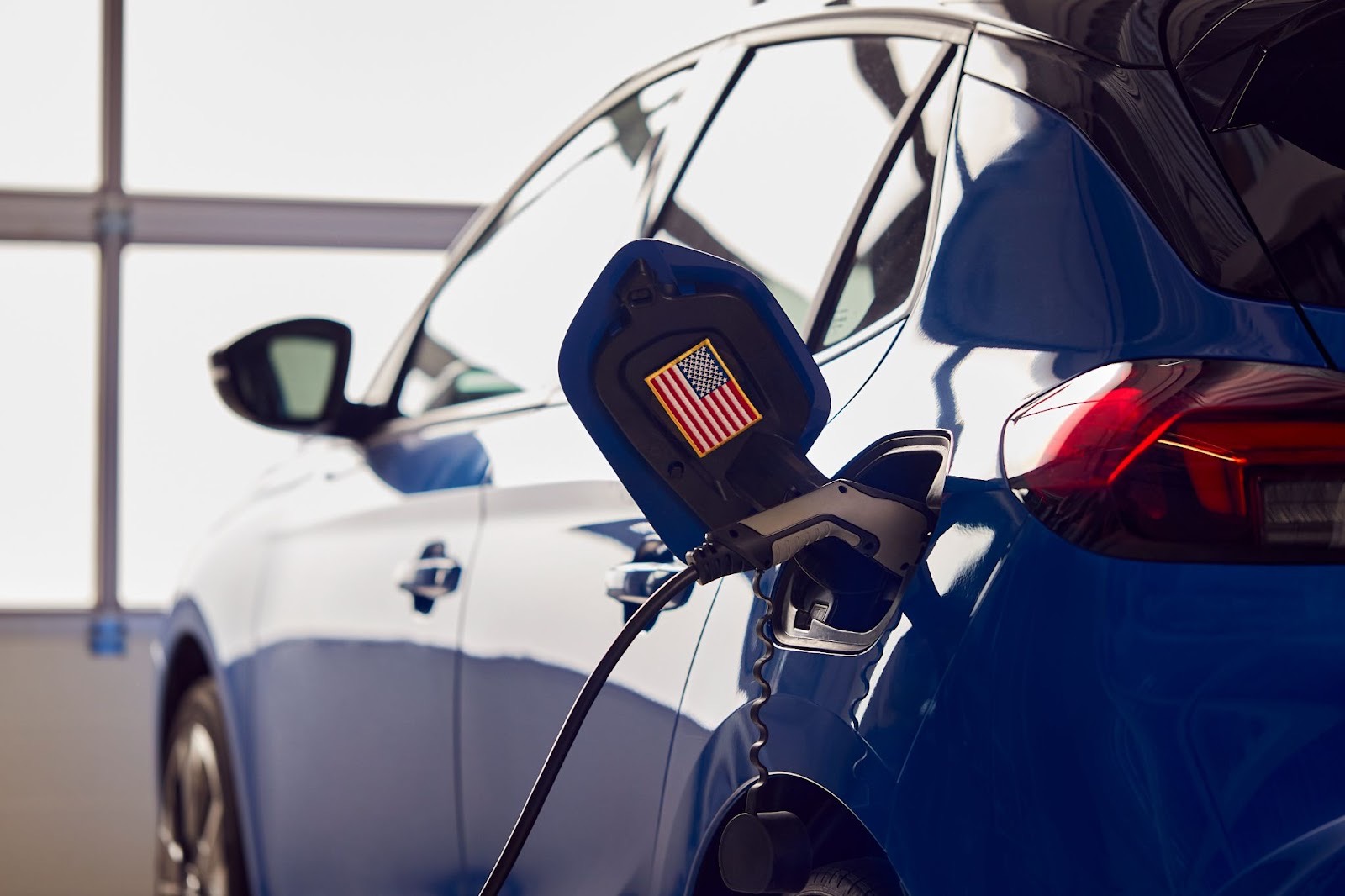
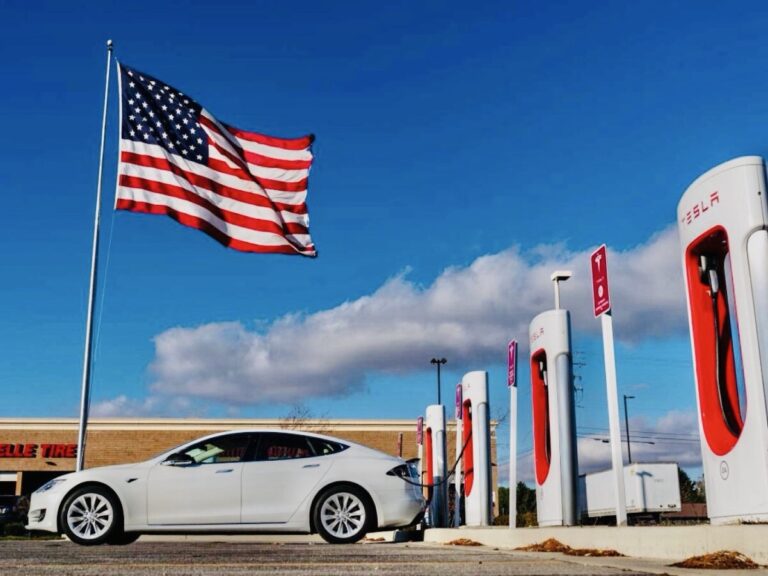
However, there are still a number of structural factors holding back the market. Charging infrastructure, particularly commercial and rapid charging, remains a major point of tension. While the number of DC multi-charger stations is increasing, their deployment remains uneven across the country and insufficient in some rural and suburban areas, limiting take-up beyond the major urban centres.
The other major unknown is political. The end of the federal credit and the possibility of an administration more hostile to subsidies and environmental regulations cast doubt on the continuity of aid. Increased deregulation could ease certain constraints for manufacturers, but the removal of financial incentives could sharply curb demand, particularly in the most price-sensitive segments.
Sources: www.fortunebusinessinsights.com – evlife.world