


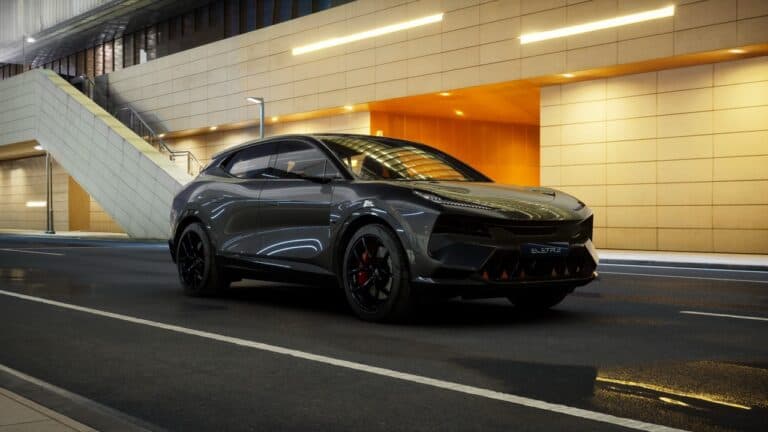


Covering just 725 km², Singapore is becoming one of the world’s most advanced electromobility laboratories. Thanks to a very proactive public policy, the city-state is now showing impressive results, with electric vehicles being adopted much more quickly than in most other major metropolises.

An explosion in sales of electric vehicles
The progress of electric vehicles in Singapore has been spectacular, to say the least. At the end of 2022, there were just 6,531 electric vehicles on the island, barely 1% of the total fleet.
Three years later, at the end of 2025, the situation has changed radically. In fact, 23,684 100% electric cars were registered out of a total of 52,678 new car sales, representing 45% of the market. For the first time, electric vehicles have overtaken both hybrids (38.8%) and internal combustion engines.
The momentum continues into 2026, with almost 9,000 electric cars already sold between January and February. The total fleet is now approaching 46,000 electric vehicles on the island.
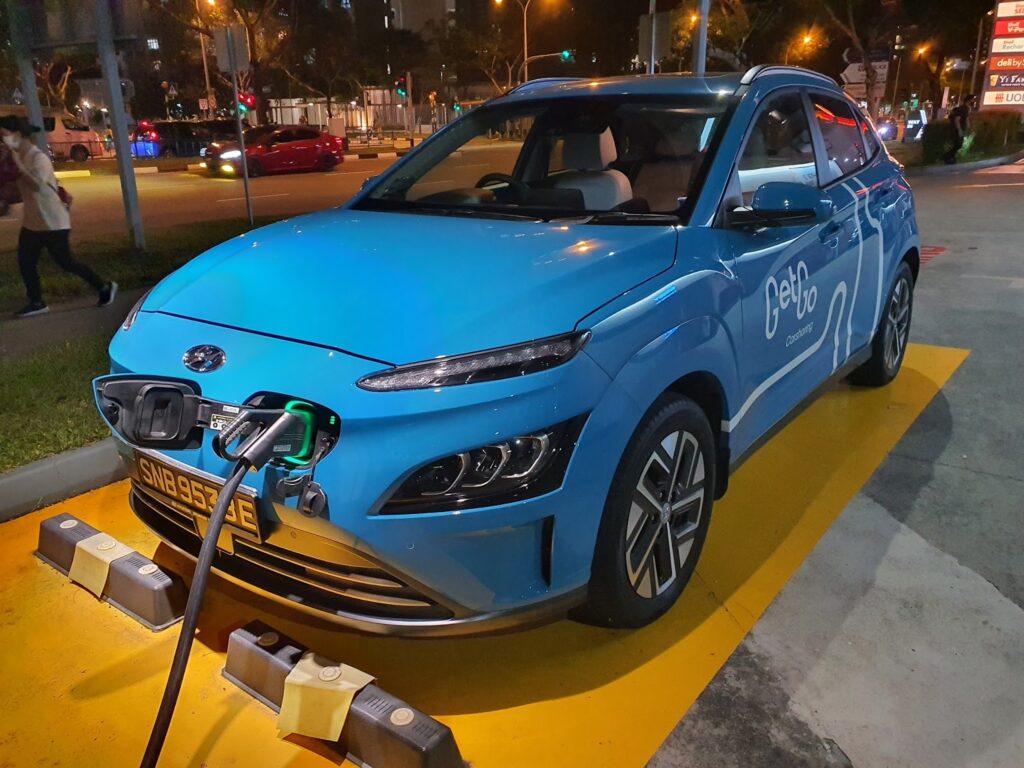
This rapid growth has been driven in particular by the massive arrival of Chinese manufacturers such as BYD, which has taken the lead over Tesla in the local market.
One of the densest recharging networks in the world
To support this transition, Singapore is rolling out one of the most ambitious recharging infrastructures in Asia. In 2022, the city-state already had around 2,500 charging points. By the end of 2025, this figure had risen to more than 6,000 charging points.
The rollout is being steered by the Land Transport Authority and local operator EVe Charging, with a clear target of 60,000 charging points by 2030.
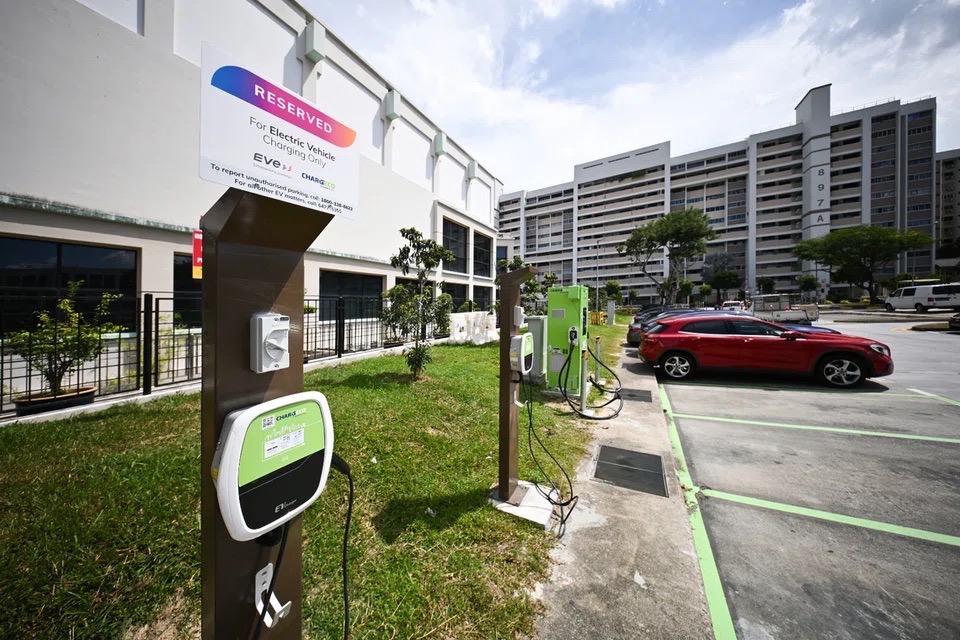
This drive to increase the number of charging points is also evident in public car parks. Since 2024, they have been required to reserve at least 1% of their spaces for charging points. At the same time, a partnership with Huawei has enabled the installation of ultra-fast chargers capable of reaching 360 kW.
A structured government strategy
And if these figures are significant, it’s not by chance: the transition is framed by the national Singapore Green Plan 2030, adopted in 2021. It sets a number of key objectives:
- 2040: 100% clean energy vehicles (electric or hydrogen)
- 2030: 50% of taxis and buses will be electric
- 60,000 charging points installed

This strategy is coordinated by the National Electric Vehicle Centre, which oversees research, standardisation and the development of the ecosystem.
Some of the most aggressive financial support in Asia
To speed up adoption, the Singaporean government has introduced a particularly generous system of incentives. Under the Early EV Incentive scheme, private individuals can benefit from a tax reduction of up to 45% on the price of an electric vehicle. The installation of home charging points is also subsidised up to 50% of the cost, up to a maximum of S$4,000.
Businesses have not been forgotten: since the beginning of 2026, electric lorries have been eligible for subsidies, while electric taxis have benefited from an extended period of operation.
Constraints unique in the world
Despite these impressive results, Singapore faces a number of structural constraints.
- The first obstacle is the extremely high cost of the car, linked to the COE (Certificate of Entitlement) system. Even an electric vehicle like the Tesla Model Y can cost in excess of €150,000 once all taxes are included.
- Extreme urbanisation is another challenge: with almost 5.9 million inhabitants living in an area of 725 km², private car parks are rare, making it difficult to recharge at home.
- Finally, the local tropical climate, with temperatures around 30°C and high humidity, can reduce the actual range of the batteries by 10 to 15% compared with the WLTP standards.

The models and players that dominate the market
The Singapore market is currently dominated by a handful of major players.
Chinese manufacturer BYD has been the market leader since 2023, thanks in particular to the BYD Atto 3 and BYD Seal models.
Tesla is still very present with its Model 3 and Model Y, while Hyundai is gaining ground with the Hyundai Ioniq 5 and Hyundai Ioniq 6.
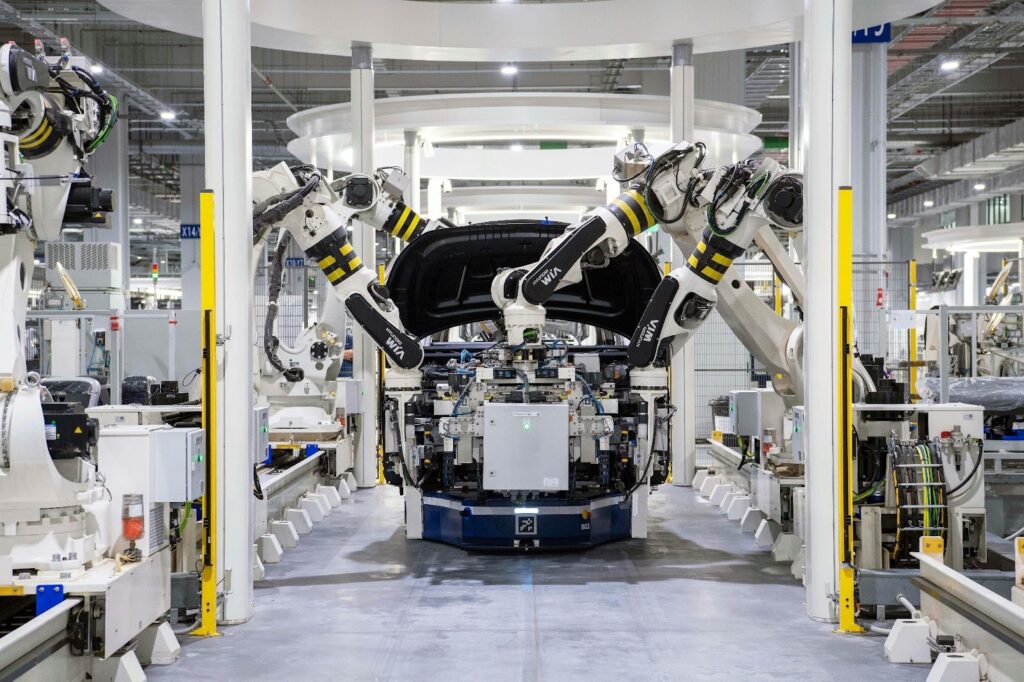
Public fleets are also playing a leading role: some sixty electric buses are already on the road, and half the taxi fleet should be electrified by 2030.
A global laboratory for electric mobility
With 45% of new car sales to be electric by 2025, Singapore is demonstrating that a rapid transition is possible even in an ultra-dense and constrained territory.
With its massive recharging infrastructure, strong financial incentives and clear policy planning, the city-state is now one of the world’s most advanced electromobility laboratories. A model that could inspire other major cities facing the same urban challenges.