





Hydrogen is attracting growing interest as the energy transition gathers pace. Despite its long history of use, hydrogen is now back at the heart of global industrial strategies. Its potential is immense, particularly in terms of decarbonising high-emission sectors. However, understanding what hydrogen really is remains essential if we are to grasp its environmental, economic and technological challenges.
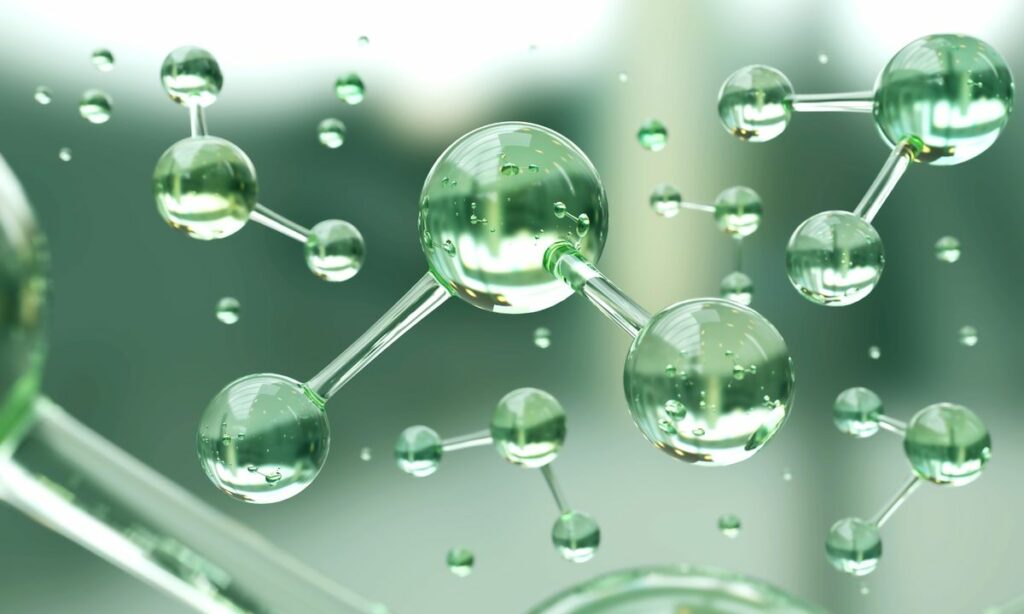
The simplest and lightest element in the universe, hydrogen is a versatile resource. It is very abundant in space but rare in its pure state on Earth, and must always be extracted from the molecules with which it is associated. This technical constraint has a major influence on its carbon impact and its uses.
A simple but essential element
Hydrogen is a colourless, odourless gas made up of two linked atoms. Highly flammable, it has long been used as a fuel in industry, and later in the space industry. Although non-toxic, it must be handled with care because of its lightness and explosive power. In the 19th century, it was already powering lighting networks, demonstrating its early energy potential. Even today, it is used in refining and in the manufacture of ammonia and methanol. These industrial uses account for global consumption exceeding seventy million tonnes every year.
However, the hydrogen we use does not occur directly in nature. It is found in water, hydrocarbons and biomass. To recover it, we need to use chemical processes capable of breaking down the molecules to isolate the dihydrogen. This principle governs the entire process and influences its ecological footprint. Depending on the method used, hydrogen can be either clean or extremely polluting.
Production methods with very different impacts
Firstly, steam reforming of natural gas remains the most widespread technique. It involves exposing methane to very hot steam to release the hydrogen it contains. The process is simple and cost-effective, which explains its widespread use. However, it generates large quantities of CO2 that are not captured. This hydrogen, known as carbon-based, is responsible for high emissions and still accounts for most of the world’s production. As a result, it cannot be considered a sustainable solution for the energy transition.

Secondly, water electrolysis offers a clean and safe alternative. This technique uses an electric current to separate the hydrogen and oxygen present in water. When the electricity used is low-carbon, the hydrogen produced is also low-carbon. If it comes from renewable energy sources such as solar or wind power, it becomes « green ». This is currently considered to be the most promising way of reconciling energy efficiency and reduced emissions.
Using colour to understand our carbon footprint
To make it easier to understand the different production methods, we use a colour code. Black or brown hydrogen comes from coal, which makes it the most polluting. Grey hydrogen, produced from natural gas, is still widely used but emits a lot of greenhouse gases. It turns blue when the CO2 generated is captured and then stored. Yellow hydrogen is produced using nuclear power, which means it has a limited footprint. Finally, green hydrogen is based on renewable energies and represents the most virtuous path. This classification enables decision-makers, manufacturers and consumers to easily assess the environmental challenges of each type of hydrogen.
However, other approaches do exist and are worth mentioning. Biomethane from biowaste can be used to produce renewable hydrogen through reforming. The CO2 generated can be captured before being released into the atmosphere, providing a truly circular solution. These innovations open up new prospects, particularly for regions seeking to make the most of their local resources.
A strategic challenge for industry and transport
Hydrogen is a major lever for reducing emissions in industry. In France, industrial use accounts for almost eight million tonnes of CO2 emissions every year just from the manufacture of carbon-based hydrogen. Replacing this production with low-carbon hydrogen is a fast and effective way of reducing the climate impact of heavy industries such as chemicals and steel. With one million tonnes produced each year, France has made this transition a national priority.
What’s more, hydrogen is emerging as a fuel for heavy-duty mobility. It can power buses, trains, lorries and even boats. Its fuel cells offer long range and rapid refuelling, which meets the needs of freight transport. Thanks to its high energy density, it is becoming a strategic vector for uses where the electric battery is showing its limitations.
A storage solution for renewable energies
Renewable energies, although crucial, suffer from intermittence. Sometimes they produce too much electricity, sometimes not enough. Hydrogen is the ideal solution for storing this surplus. Thanks to electrolysis, surplus electricity can be transformed into hydrogen and then reused at a later date, as and when required. This flexibility enhances grid stability and facilitates the massive integration of clean energies.
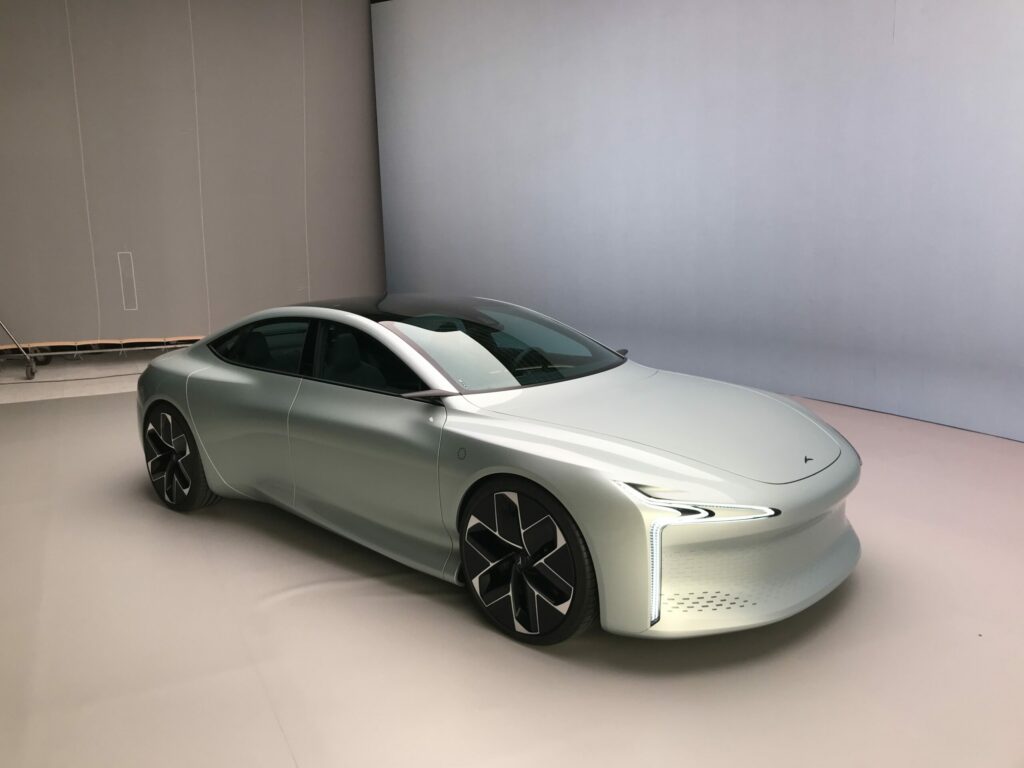
This long-term storage role is a major advantage in a context of strong growth in electricity demand. Thanks to its conversion and restitution capacities, hydrogen is becoming a pillar of the world’s future energy architecture. Its versatility offers a solution to technical problems that are still difficult to resolve.
Growing commitment from companies and governments
For several years now, France has been actively supporting the development of low-carbon hydrogen. The government has launched an ambitious national strategy aimed at installing several gigawatts of electrolysers by 2030. These investments are helping to structure a competitive industry and reduce our dependence on fossil fuels. Similarly, the France 2030 plan is mobilising €9 billion to accelerate decarbonisation.
Large companies are also playing a key role in this development. Veolia, for example, is developing green hydrogen projects using biomethane and electrolysis fuelled by energy from waste recovery. This initiative is part of a circular economy approach and aims to optimise the resources available in local areas. The aim is to offer local solutions for heavy mobility, heating and industry.
Towards a future shaped by hydrogen
At a time when the world’s population is growing and resources are becoming increasingly scarce, new energy models are urgently needed. Hydrogen is emerging as a credible alternative, capable of meeting growing needs while reducing emissions. Thanks to increasingly efficient low-carbon processes, it is becoming an essential vector for achieving the ecological transition.
So action remains the watchword. The technologies exist, the solutions are progressing and investment is multiplying. To make hydrogen a sustainable pillar, we need to continue these efforts, accelerate research and strengthen cooperation between public and private players. By working together, we can build a cleaner, more resilient and more responsible economy.