


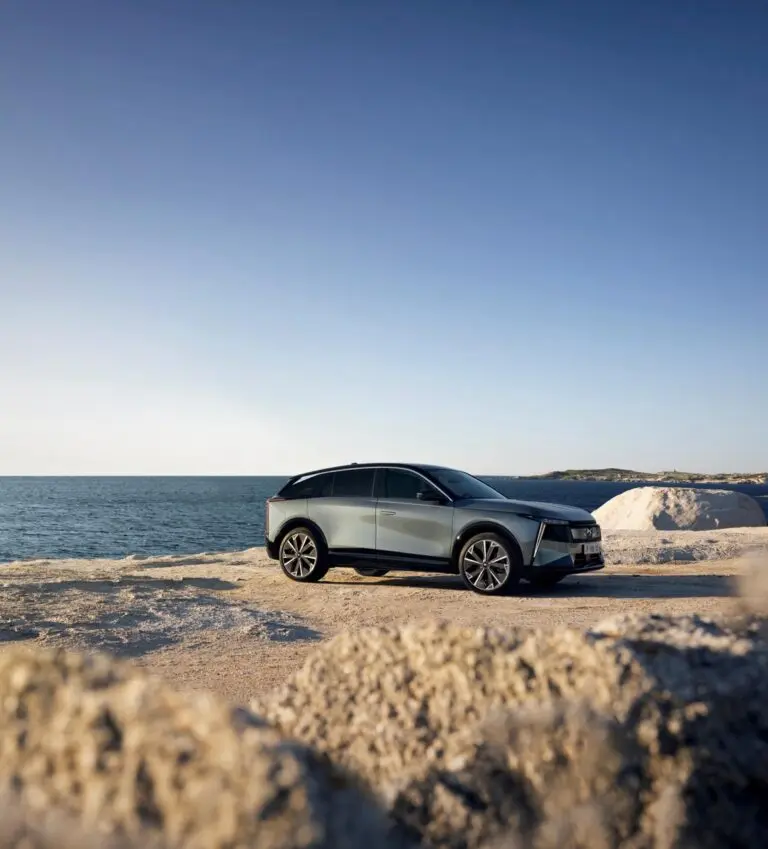

The end of the year is approaching, and as the transition to electric vehicles gathers pace in Europe, the BMW Group’s British brand is making its 100% electric models a crucial part of its volume. Worldwide sales have returned to growth this year, driven by the new generation Cooper and Countryman, while in France Mini Electric has established itself in the top 10 of BEV sales and hopes to stay there with the arrival of the Aceman next year.
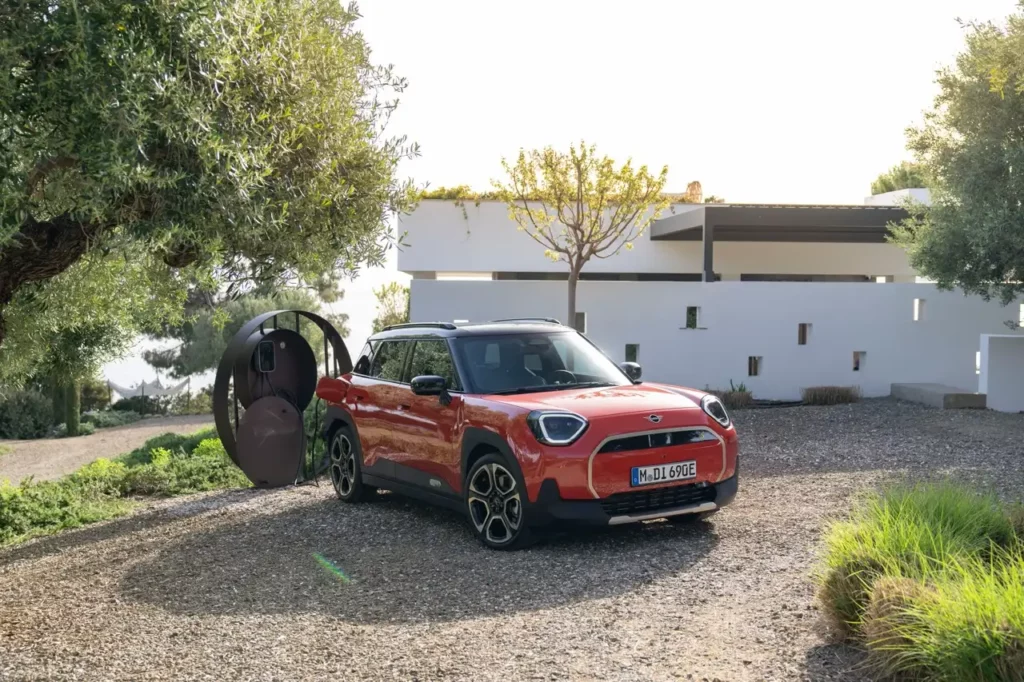
2025 to be driven by electric vehicles
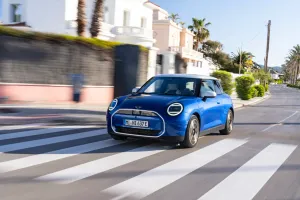
According to initial figures published in the autumn, MINI delivered 133,778 vehicles worldwide in the first half of 2025, an increase of 17.3% on the same period in 2024. For the first nine months of the year, another report shows sales of over 200,000 units. This brings the brand closer to the 300,000 mark for annual sales (the average for several years). These satisfactory figures for MINI coincide directly with the ramp-up of the new Cooper and Countryman, whose electric versions are boosting orders at European dealerships.
The most telling signal comes from France: in the first eleven months of 2025, the electric Mini (new Cooper Electric) racked up 10,171 registrations, putting it in the top 10 best-selling electric cars in the country, behind heavyweights such as the Renault 5 E-Tech, the Citroën ë-C3 and the Peugeot e-208. In November 2025, it even recorded a month of 1,439 registrations, making it the fifth best-selling BEV on the market behind the R5, the e-208, the Scénic E-Tech and the ë-C3.
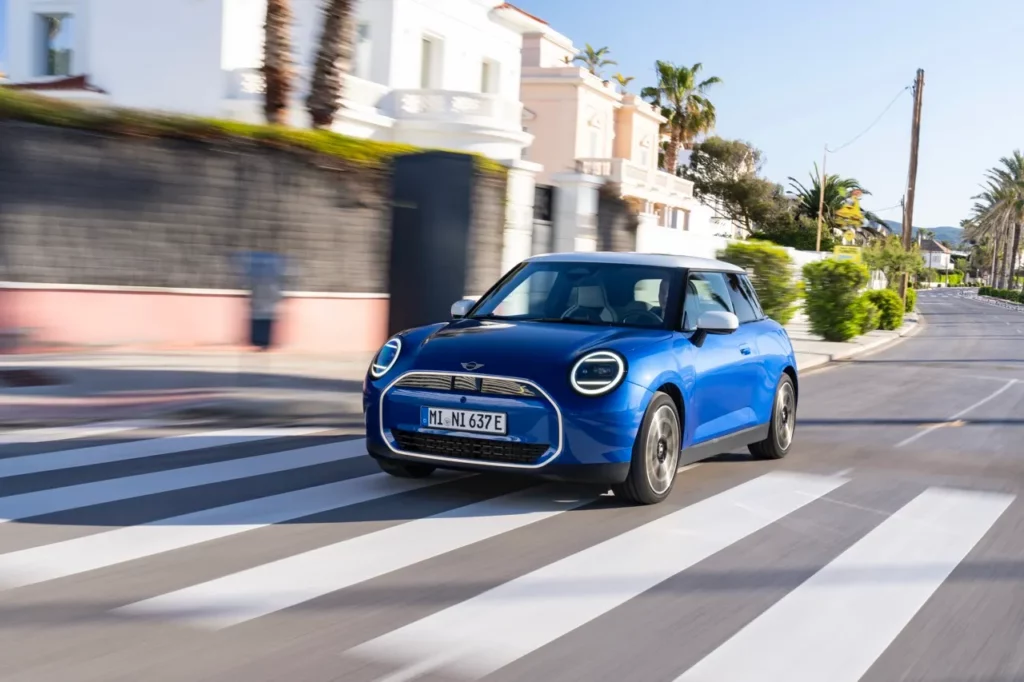
In other words, current market data suggest that a significant proportion of MINIs sold in France in 2025 will be 100% electric, although the manufacturer has not yet published a detailed percentage by engine.
Cooper and Countryman Electric: the figures that change everything
The new Cooper Electric, now available in E and SE versions, features much larger batteries than the previous Cooper SE and more powerful engines. Available figures indicate a power output of around 135 to 160 kW (i.e. up to 215 bhp) and battery capacities of between 40 and just over 50 kWh, giving a range of between 250 and 320 km, depending on the version.
The Countryman Electric, on the other hand, relies on a 64 kWh pack and an all-wheel drive system developing over 300 bhp, for a claimed range of over 330 km in the most demanding conditions.
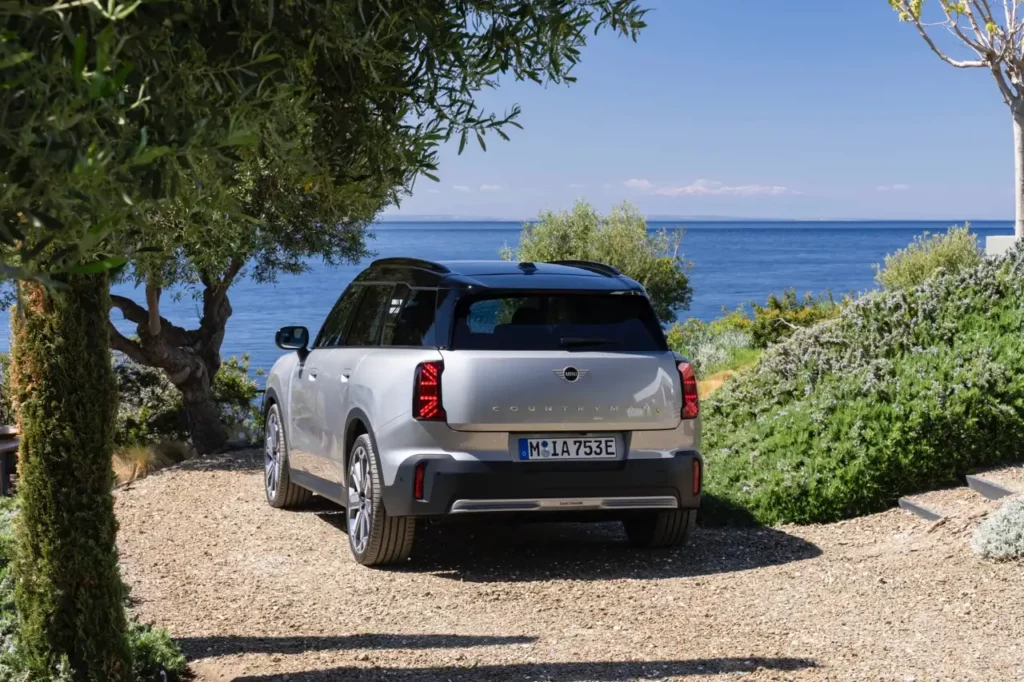
On the ground, these figures put MINI back in the game: where the old Cooper SE was penalised by a battery that was too small, the new generation can finally cover 250 to 300 km in mixed use. Although these figures are not very impressive, they do correspond to the majority of urban and suburban journeys in Europe. According to information published by the BMW Group, orders for electric cars doubled in the first quarter of 2025 compared with Q1 2024, confirming that MINI customers are embracing the transition as long as the product meets their needs.
A European context that works in MINI’s favour
The French and European context is working in favour of this switch. In France, 100% electric cars reached a record market share of 24% in October 2025, then 26% in November, with more than 34,000 private vehicles sold in a single month. The momentum is being fuelled by social leasing and the arrival of more affordable compact models, but it is also benefiting premium-urban players who are well positioned in terms of price and usage, including MINI.
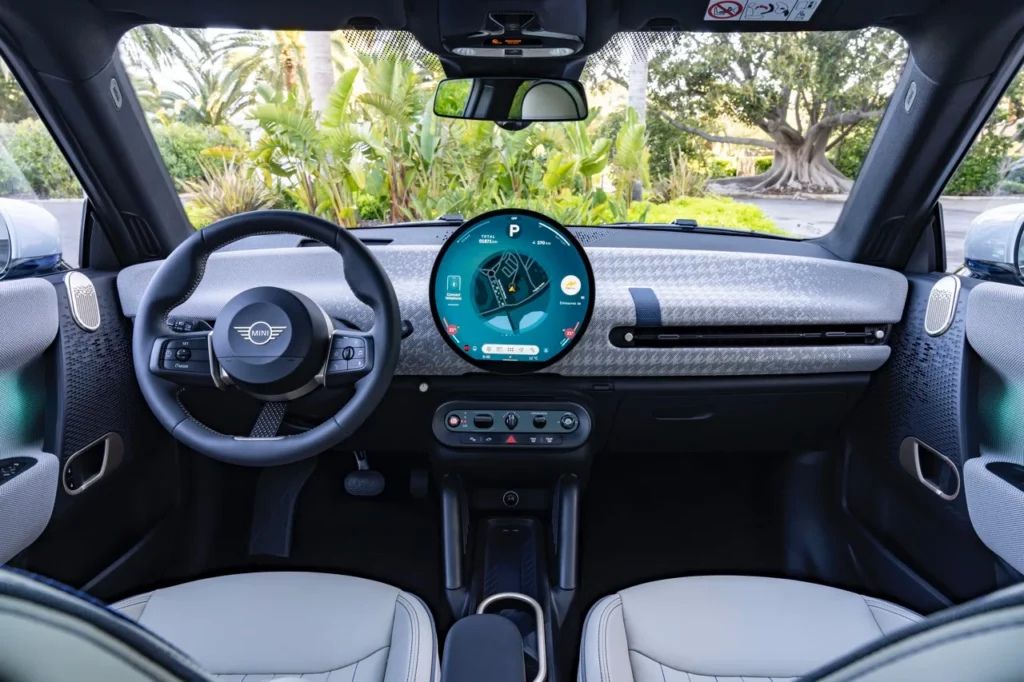
As mentioned above, in the first eleven months of 2025, the electric Mini was one of the ten best-selling BEVs, with just over 10,000 registrations. This is in stark contrast to the situation faced by a number of its long-standing rivals, such as the Tesla Model 3 and certain premium saloons, where sales of EVs are falling sharply. MINI is therefore capturing some of the customers who are turning away from large electric SUVs in favour of city cars and compact cars with a smaller footprint and a more affordable budget.
2026: the Aceman to secure the heart of the electric range
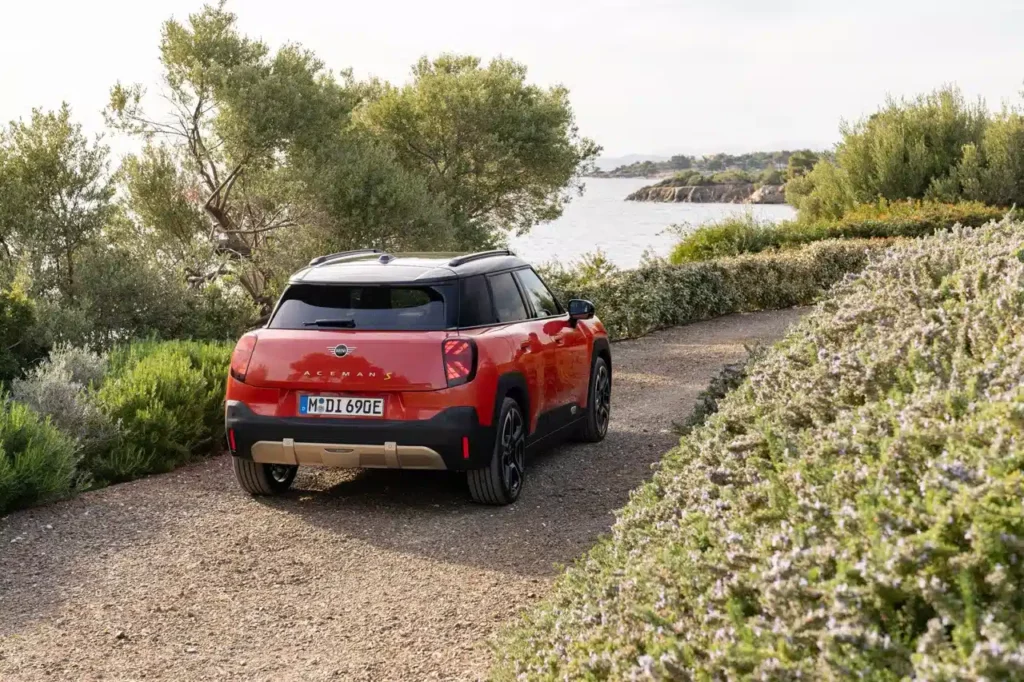
The challenge for MINI in 2026 is to industrialise and make available a truly complete electric range. Alongside the Cooper and the Countryman, the well-known Aceman will be the third pillar. Its role is to be the British brand’s 100% electric compact crossover, designed to bridge the gap between the 3/5-door city car and the family SUV.
Information already published suggests two main variants, Aceman E and Aceman SE, with power outputs of around 180 to 215 bhp and batteries comparable to those of the Cooper Electric, at around 42 to 54 kWh. The aim is clear: to compete head-on with the Volvo EX30, Jeep Avenger EV, DS 3 E-Tense and top-of-the-range Citroën ë-C3 in the €30,000 to €40,000 electric crossover segment.
Pragmatic electrification
For a while, MINI suggested that its last new internal combustion engine would be launched in 2025 and that the brand would go fully electric in the early 2030s, a trajectory in line with the sector’s most aggressive ambitions. The reality at the end of 2025 is more nuanced: the Group has confirmed that it is aiming for double-digit growth in sales of electric cars. That said, the brand has not announced the imminent end of petrol engines for MINI, preferring to talk about an « optimised mix », as Michael Peyton, Vice-President of MINI in America, states: « Internal combustion engines are still very popular and will remain so for a long time ». The goal of 100% electric cars by 2030 has therefore been postponed.
For electromobility in Europe, MINI is becoming an interesting case study: a brand that is succeeding in significantly increasing its BEV volumes, placing a model like the Mini Electric in the French top 10, while at the same time maintaining combustion and hybrid powertrains in areas where infrastructure or purchasing power are not yet available.
The year 2026, with the arrival of the electric Aceman and the ramp-up of the zero-emission Cooper and Countryman, will tell whether this strategy can hold up in the face of European regulatory pressure and the offensive by new Chinese entrants.