
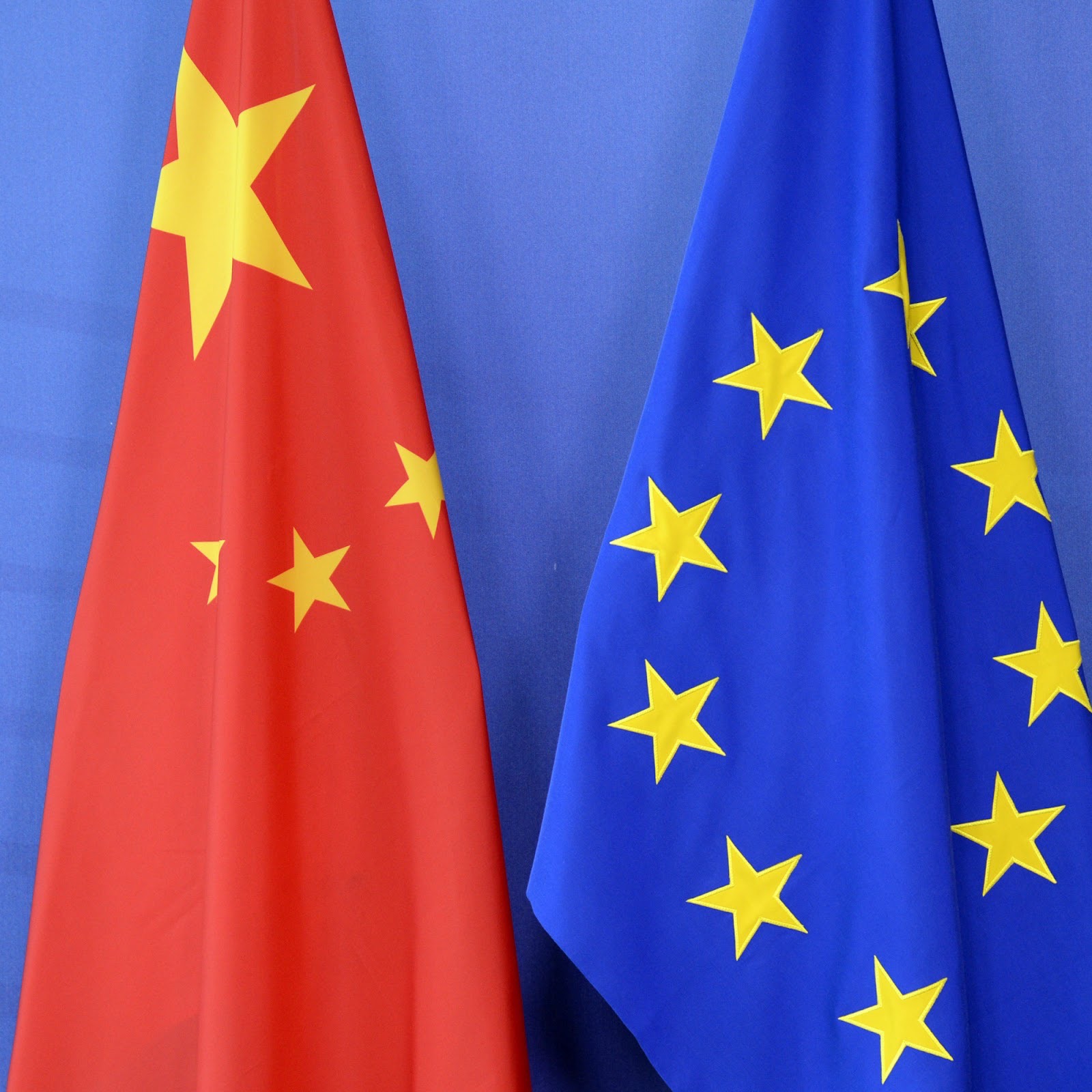

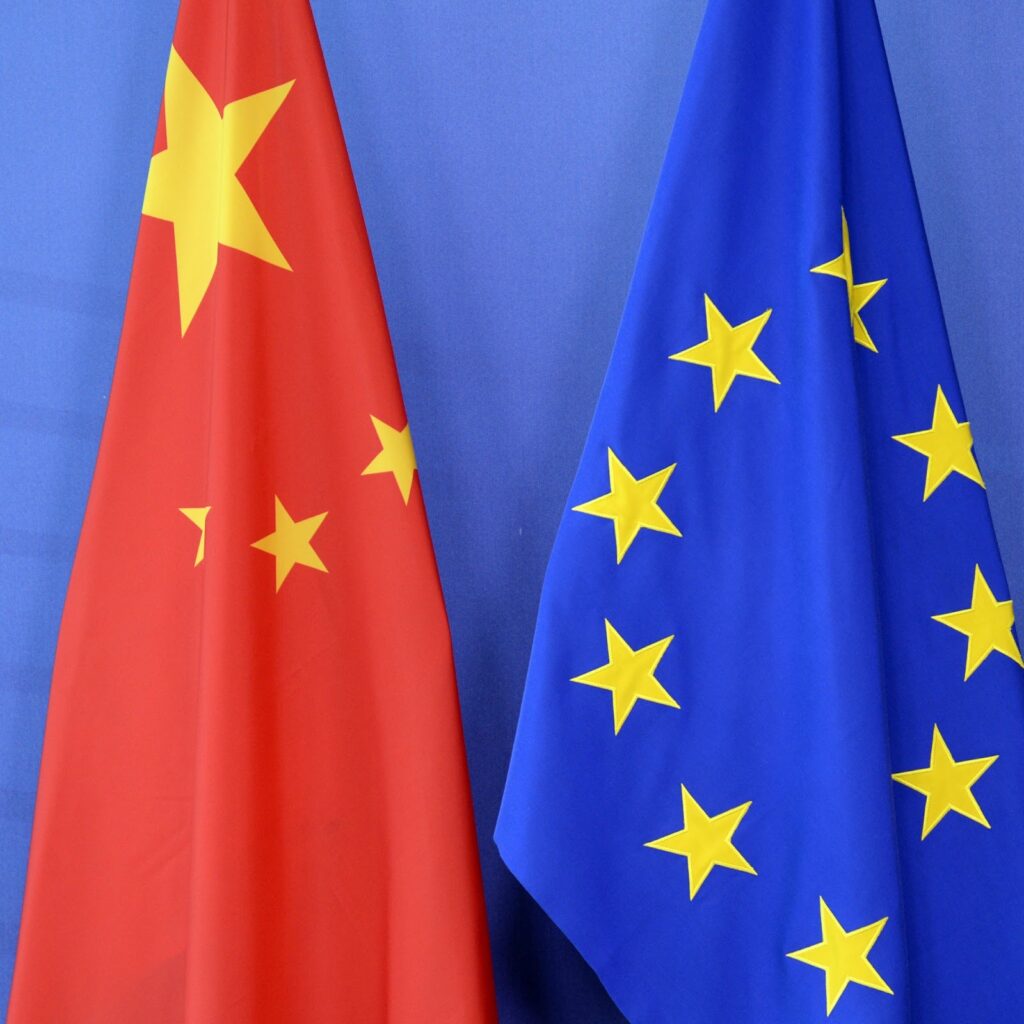
While Europe struggles with increasingly restrictive regulations, China continues to rise thanks to a more pragmatic approach to the energy transition. This contrast perfectly illustrates the way in which the two major automotive powers are approaching the transformation of the sector: on the one hand, highly prescriptive regulation; on the other, an assertive industrial strategy.
The global automotive industry is currently undergoing one of the most profound changes in its history. The transition to cleaner energies for transport, the development of new technologies and international trade tensions are now the three major challenges facing the sector. After more than a century dominated by the internal combustion engine, the way cars are designed, produced and used is changing radically.
When regulation becomes a driving force… or a brake
The European Union and China share a common objective: to significantly reduce their greenhouse gas emissions over the coming decades. But the method differs profoundly.

On the European side, the EU is legally committed to achieving climate neutrality by 2050. To this end, it plans to reduce net greenhouse gas emissions by at least 55% by 2030, compared with 1990 levels. To achieve this, Brussels is counting in particular on a massive acceleration in the adoption of electric vehicles.
However, this transition is based on a particularly strict regulatory framework. Manufacturers who fail to meet the emissions targets set by the EU must pay heavy financial penalties. In practice, this regulatory pressure is forcing carmakers to invest billions of euros in zero-emission technologies, with no guarantee that consumer demand will keep pace.
At the same time, these companies are gradually being encouraged to reduce the production of internal combustion vehicles, which are still their main source of revenue.
China’s industrial strategy
China is also pursuing ambitious climate targets. Beijing is aiming for carbon neutrality by 2060, and is planning a gradual reduction in emissions from its economy as a whole from their expected peak in the next few years.
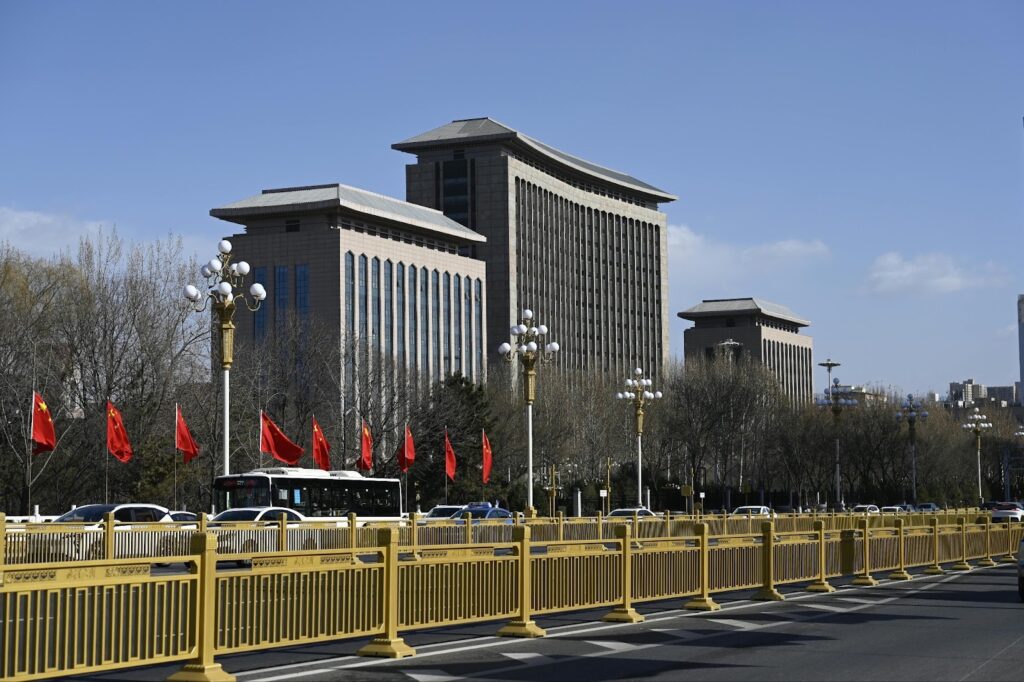
To achieve these targets, the country is placing a strong emphasis on the development of NEVs (New Energy Vehicles), a category that includes electric, plug-in hybrid and hydrogen vehicles. In the long term, this strategy could reduce emissions from private cars by more than 90%.
The fundamental difference lies in the place accorded to the automotive industry in the national economic strategy. In China, new-energy vehicles are seen as a major vector for growth and industrial sovereignty.
The Chinese authorities know that they do not have the same competitive advantage as Western manufacturers in the field of internal combustion engines. However, the transition to low-carbon technologies represents a strategic opportunity to reshuffle the deck.
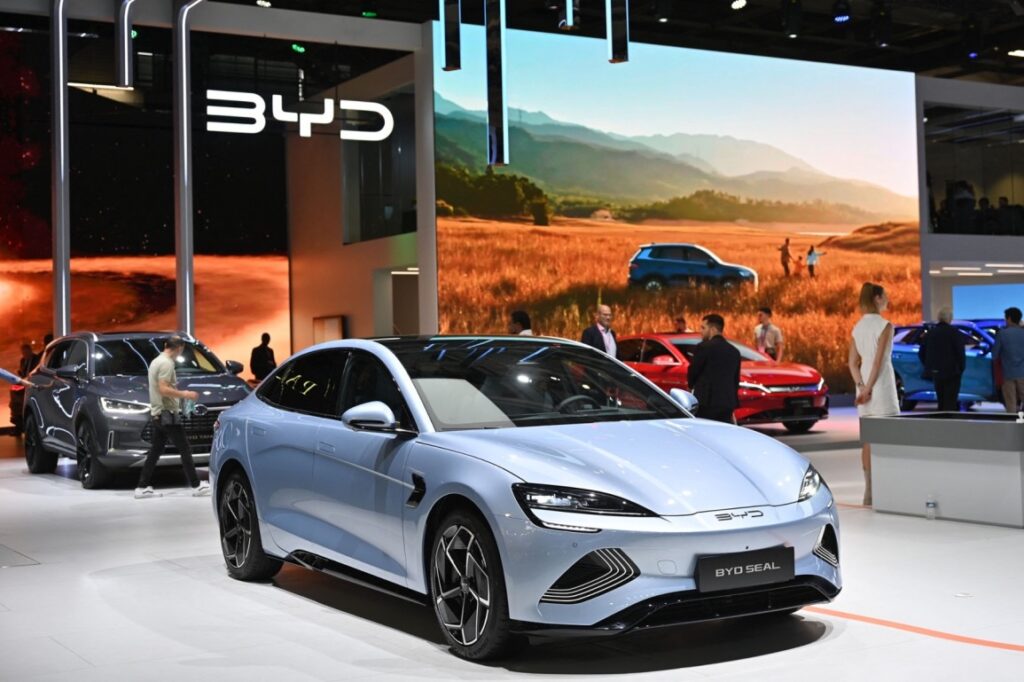
That’s why central and local government are deploying a massive arsenal of subsidies, tax incentives and support programmes to accompany the development of their manufacturers.
A more constrained transition in Europe
In Europe, public aid also exists, but the regulations are based above all on a system of constraints and penalties. Manufacturers are speeding up their electrification plans mainly to avoid fines for exceeding emissions limits.
Against this backdrop, European regulations appear to be less of a support lever than an additional pressure factor for the industry. Between colossal investments, uncertainties about demand and growing international competition, European carmakers today have to make their energy transition in a particularly complex environment.