
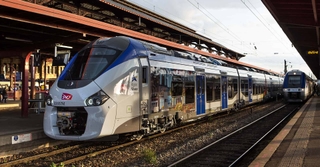


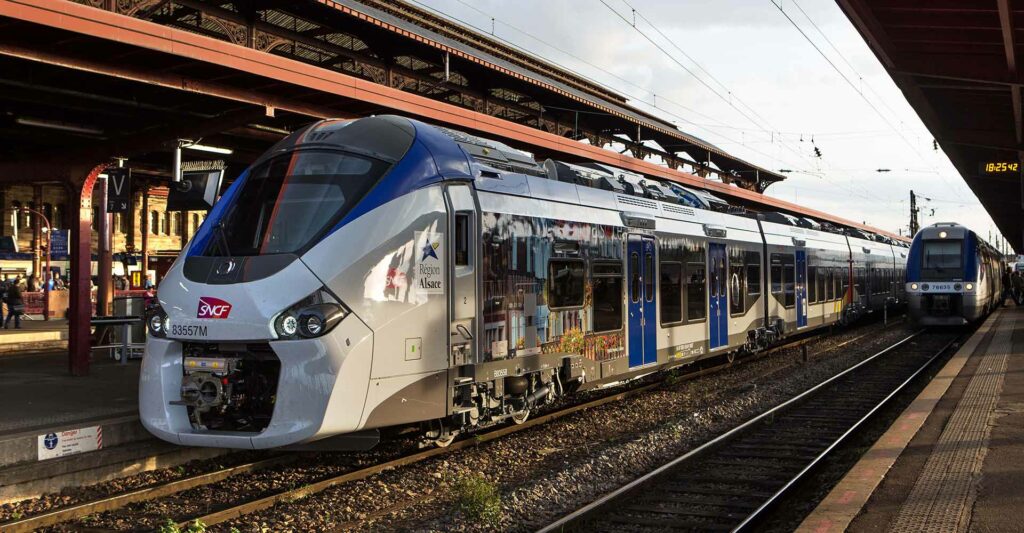
The SNCF is speeding up its energy transition by focusing on renewable electricity. Long-term renewable electricity purchase contracts (PPA) ensure a stable supply. The aim is to use 40-50% green electricity for train traction by 2030.
Sustainable partnerships for green energy
Since 2018, SNCF Energie has been piloting the « corporate PPA » programme to secure renewable electricity. These long-term contracts enable electricity from photovoltaic and wind power stations to be purchased directly. The aim is to achieve a 40-50% share of renewable energies in the electricity mix for trains, 20% of which will come from PPAs. This strategy also meets the expectations of the Autorités Organisatrices de la Mobilité (AOM).
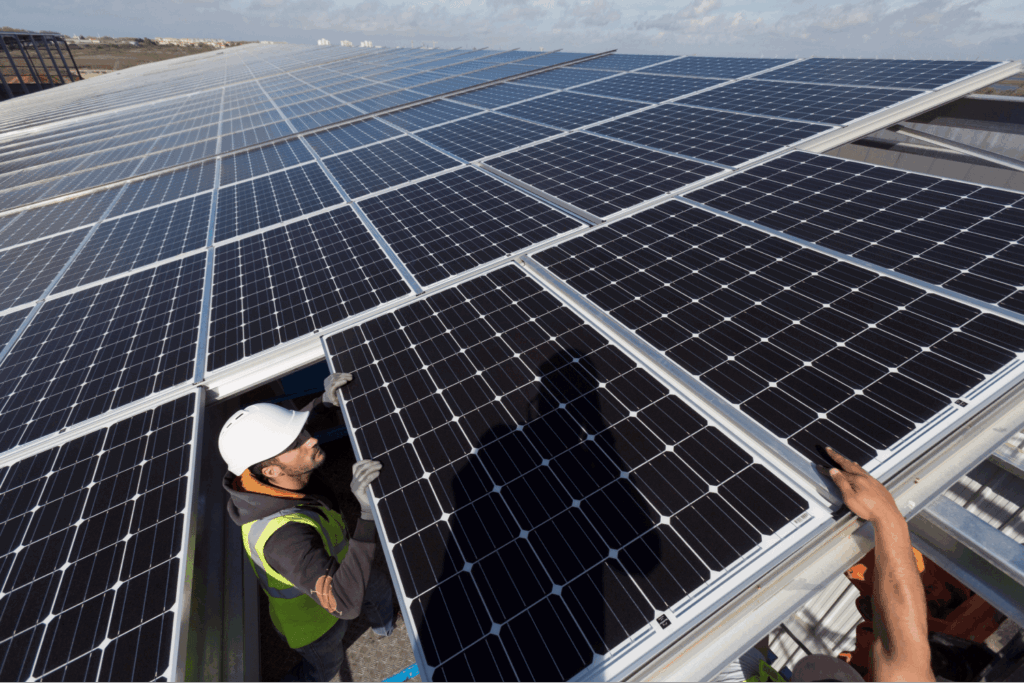
The main contracts concern Neoen, France’s leading independent producer, which will supply 137 GWh per year from January 2026. The output will come from four solar farms: Romilly, Loirécopark, Champblanc and Labouheyre. This electricity covers the annual consumption of 11,000 Paris-Bordeaux TGV train journeys.
These contracts, which run for 20 to 25 years, provide security of supply and limit exposure to fluctuations in the electricity market. For Neoen, they provide a stable income, enabling investment in the maintenance and development of new power stations. For SNCF Voyageurs, these agreements guarantee a virtually fixed price and strengthen long-term energy competitiveness.
Wind power for low-carbon mobility
The Cheniers Énergies wind farm in the Marne region of France is an example of SNCF Energie’s commitment. Inaugurated in May 2025, it produces 93 GWh a year thanks to eight 180-metre wind turbines. This production is equivalent to the electricity consumed by more than 20,000 homes, and avoids 4,278 tonnes of CO2 every year.
The site will power the Paris-Strasbourg, Paris-Nancy and Strasbourg-Nantes TGV lines. The direct purchase contract signed with VALOREM for 25 years ensures the long-term future of this renewable energy. SNCF Voyageurs is thus continuing its proactive policy to reduce emissions and meet the requirements of the transport authorities.
Regional photovoltaic power stations complete the mix
In the Auvergne-Rhône-Alpes region, a 20-year contract with CVE will cover a quarter of the electricity consumed by regional TER trains. The Genêts power station, currently under construction in Domérat, will supply around 60 GWh a year from February 2027.
This initiative is part of SNCF Voyageurs’ strategy to achieve 40-50% renewable electricity in its mix by 2026. It also secures supply costs over the long term and reduces the carbon footprint of regional transport.
Structuring solutions for decarbonisation
SOLVEO Energies is also contributing to the effort with a wind farm in the Cher department, commissioned in May 2024. This site supplies 32.5 GWh per year to SNCF Energie, equivalent to the consumption of 6,780 homes. The 25-year agreement will save 35,000 tonnes of CO2.
These long-term contracts stabilise prices and guarantee a reliable supply. They are part of a global vision of energy transition, with solar and wind power becoming the pillars of low-carbon mobility. SNCF Voyageurs is thus consolidating its role as a responsible leader in rail transport in France.
A clear, quantified ambition
Today, SNCF Energie has contracted over 830 GWh via PPAs. The goal is to reach 1,100 GWh of renewable electricity by 2026. Partnerships with Neoen, CVE, VALOREM and SOLVEO illustrate the long-term strategy. These initiatives demonstrate that the energy transition can be reconciled with industrial performance and public service.
By integrating solar and wind power, the SNCF is reducing its emissions while securing its supply. It is meeting the expectations of the authorities and the general public. French trains are now moving to the rhythm of green electricity, symbolising more sustainable and responsible mobility.
This transition to green electricity illustrates SNCF’s determination to become an exemplary player in sustainable mobility. By combining innovation, solid partnerships and long-term planning, the company is showing that transport and respect for the environment can go hand in hand. Passengers, too, are becoming players in this energy revolution, travelling every day on trains powered by the sun and the wind, thus making a tangible contribution to reducing greenhouse gas emissions in France.