

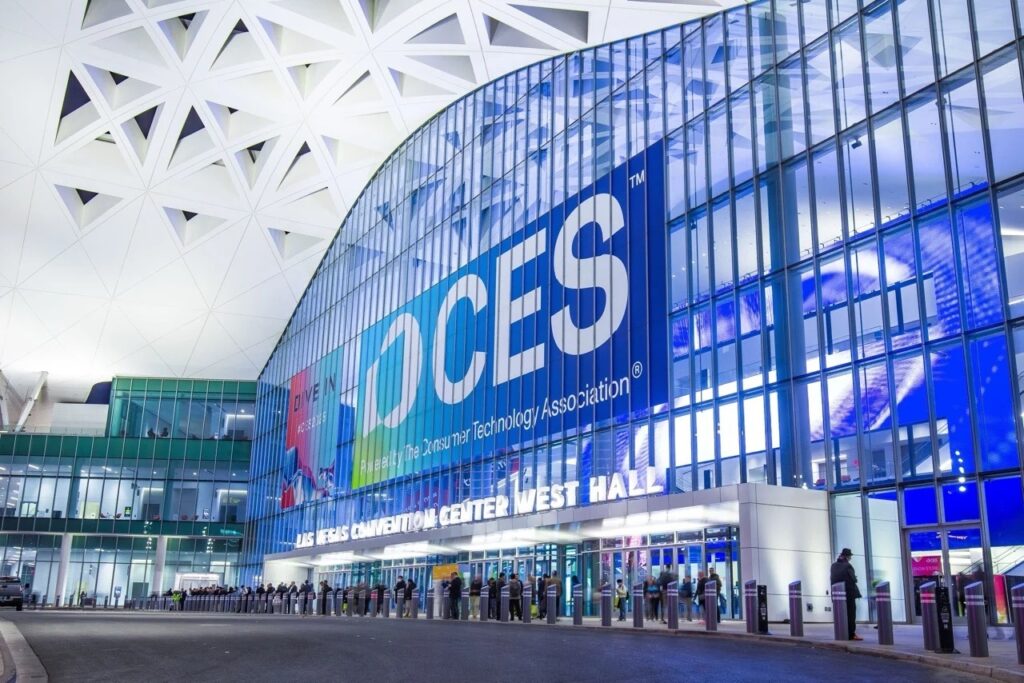
CES 2026, which opened on Sunday 4 January, has once again transformed Las Vegas into the world capital of technological innovation. But above all, this year’s show confirms a trend that is now impossible to ignore: electromobility is an integral part of the show. This year, the focus is more on AI and autonomous driving than on the new EVs themselves.

Created in 1967 in New York, CES was originally a B2B show dedicated to consumer electronics. Almost 60 years later, it brings together more than 4,000 exhibitors and nearly 200,000 professionals, generating several billion dollars in contracts. Above all, it has established itself as a barometer of major technological revolutions, from the video recorder to the smartphone, right up to this 2026 edition where electric vehicles, batteries and software-defined vehicles are emerging as major players.
Monday 5 January: electric hardware comes into line
Right from the start of the press days, Valeo took a stand with its integrated electric platforms: motors, power electronics and thermal management. Meanwhile, Bosch and Siemens are deploying their heavy artillery for low-carbon transport, in particular highlighting specialised batteries for heavy goods vehicles, ultra-fast recharging infrastructures, and partnerships with Caterpillar. These solutions address the urgent need for logistics fleets that are still finding it difficult to make their fleets greener.
Tuesday 6 January: Autonomous driving takes centre stage
From today, the show enters its spectacular phase. Sony Honda Mobility with AFEELA and Waymo will be showing off their new cutting-edge technological creations: level 4 robotaxis in full-scale demonstration, sensors tested in real-life conditions, virtual drivers confronted with the organised chaos of Las Vegas. At the same time, Nvidia already prepared the ground yesterday with its keynote on AI chips dedicated to autonomous vehicles – the cornerstone that transforms EVs into intelligent platforms.
Wednesday – Friday
The last three days will be crucial. Under the neon lights of the Convention Center, strategic panels will dissect the real battles: dependence on Asian batteries in the face of European and American relocation, the monetisation of OTA updates (software updates sent remotely to the car, as you do with a smartphone), and on-board subscriptions that will transform EVs into recurring services. Various players in the sector, including Siemens, Geely Auto and Doosan Bobcat, among others, will be unveiling their detailed industrial roadmaps. These will be important and interesting days, as they will reveal the players who will be equipping the world’s roads between now and 2027-2030.
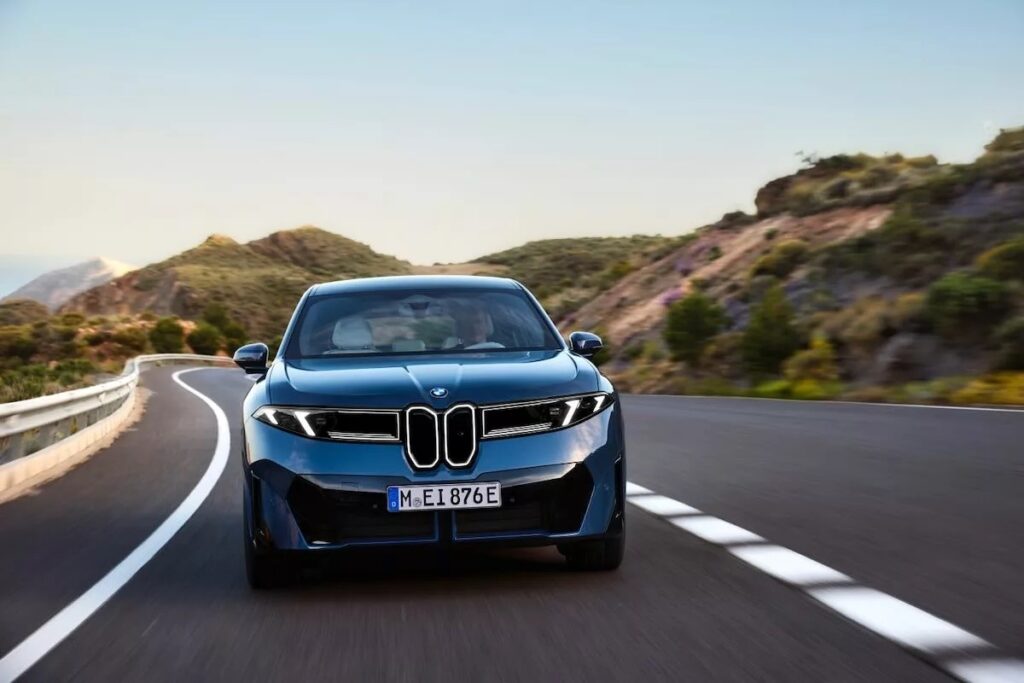
BMW will be there, for example, to reintroduce the recent BMW iX3, but it will also be an opportunity for the German brand to give hints about future models due in the coming months, such as the iX1 and the much-anticipated i3.
Chinese start-up Kosmera will be making its world premiere with two ‘new energy’ (probably EV) models: a 1,877bhp hypercar (ultra-light chassis, AR driving AI) and a large Taycan-style saloon. The aim is to get the electric car world talking before the crucial stage of commercialisation.
Honda is also exhibiting at the show developments of its 0 Saloon (an aggressive electric saloon) and 0 SUV concepts, based on EV architecture. These two models are due to go into production in 2026.
Once again this year, CES 2026 confirms that electromobility has definitively moved beyond the conceptual stages and into a structured industrialisation phase, where innovation never stops.