
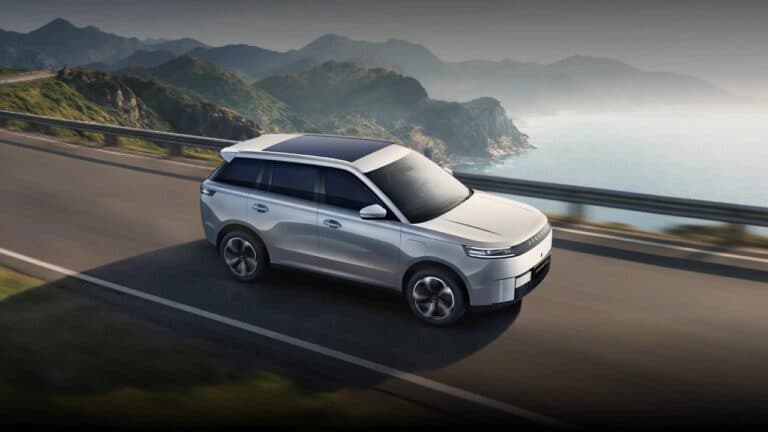

Sodium-ion batteries are set to revolutionise the electric vehicle market. Between Canadian scientific advances and Chinese industrialisation, this safer, more affordable and environmentally-friendly technology could democratise electromobility as early as 2026.
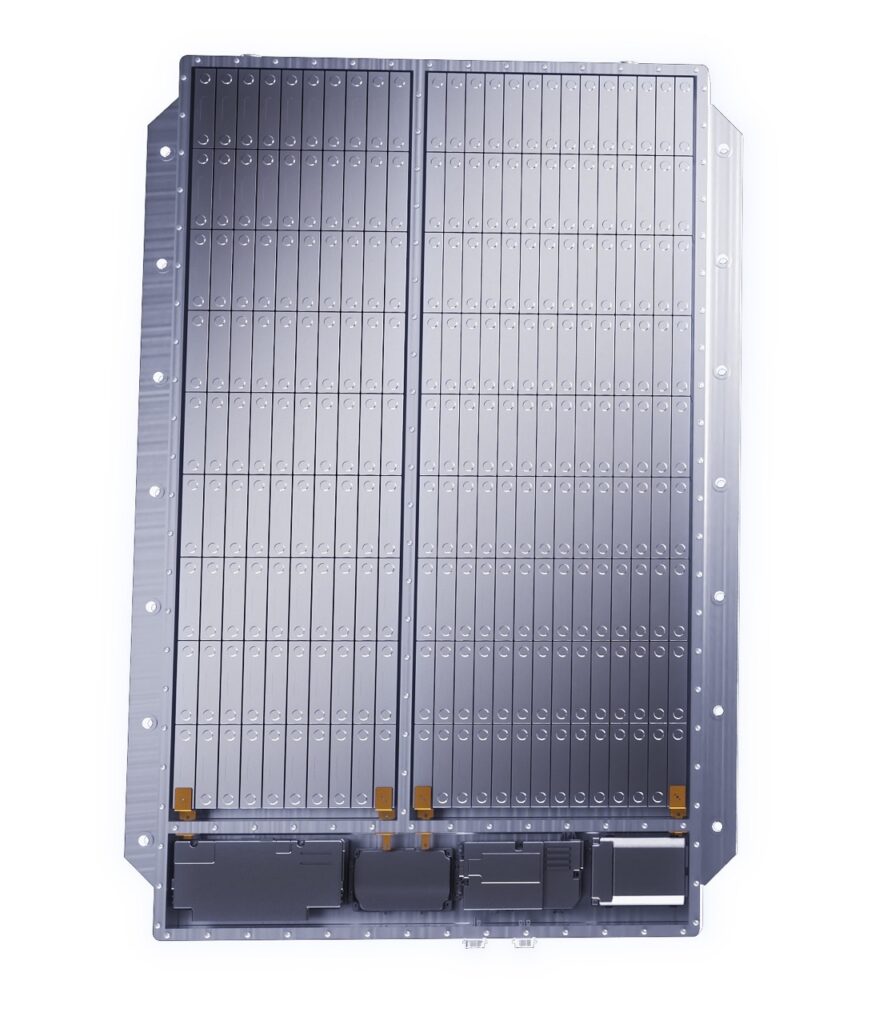
Researchers at the University of Western Ontario in Canada have announced a breakthrough in the development of solid electrolyte sodium-ion (Na-ion) batteries, published in the journal Advanced Materials. This innovation solves a major challenge of lithium-ion (Li-ion) batteries: thermal runaway, which can cause fires or explosions if damaged or short-circuited. The discovery: a solid electrolyte, composed of sulphur and chlorine, which conducts sodium ions like a liquid while remaining non-flammable. Another positive point is that it has a remarkable efficiency of 99.26% after 600 charge-discharge cycles (on a laboratory scale), similar to Li-ion standards at over 99%.
Industrial context: CATL and BYD in the lead
This discovery is part of a global industrial drive. At the end of 2025, the Chinese giant CATL launched mass production of its Naxtra sodium-ion cells, which have highly promising energy capacities. These batteries have an energy density of 175 Wh/kg, a range of 500 km and can withstand a rapid 5C charge. They are also resistant to extreme cold (-40°C with 90% of capacity retained), ideal for countries located in areas of the world with extreme climatic conditions. CATL supplies Tesla, Ford and Stellantis, who are studying these cells for low-cost EVs from 2026. Alongside cars, BYD is already producing energy storage cells (MC Cube-SIB) and developing cells for EVs, which underlines the fact that they could be useful for corporate fleets and urban use.
Decisive economic and environmental benefits
Obviously, this solution is designed to counter the main problems associated with the development of batteries for EVs and other vehicles: cost and pollution.
- Sodium is around 400 times more abundant and cheaper than lithium, enabling potential production costs of around €60-90/kWh compared with €100+ for Li-ion.
- With no rare metals (cobalt, nickel), these batteries make recycling easier and reduce the carbon footprint, in line with European constraints on critical materials. But this advance is also in line with the objective of slowing down the extraction of these metals, which, it should be remembered, is dangerous and not ethically responsible.
Current limits and outlook for 2026
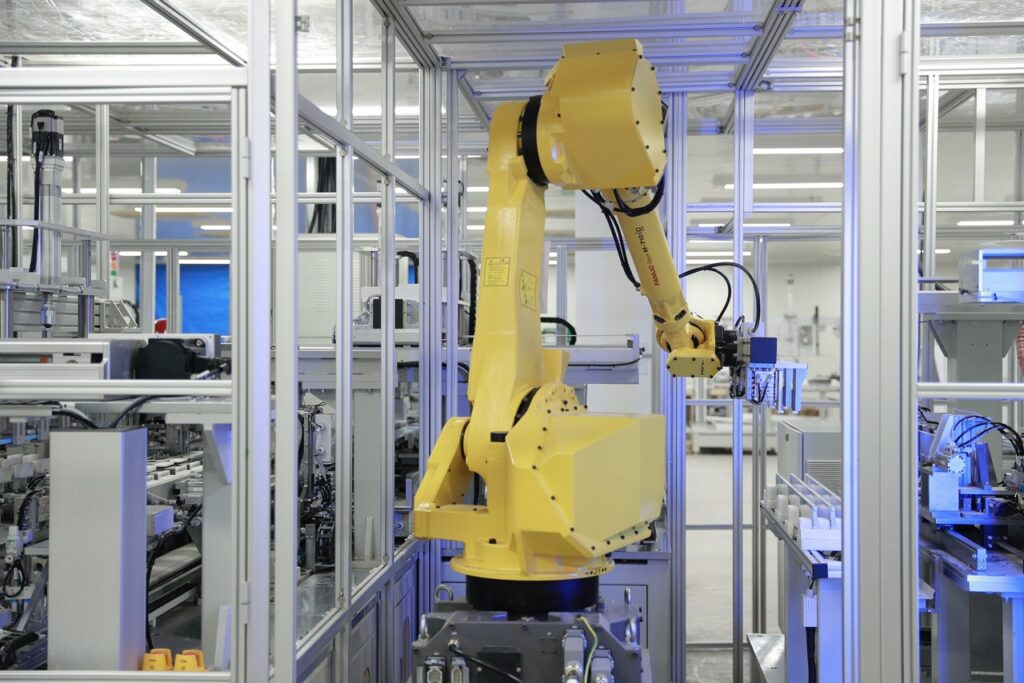
Despite these advantages, energy density remains 30% lower than advanced Li-ion (175 Wh/kg vs 250+), initially limiting applications to compact, hybrid or utility vehicles. Challenges remain on large-scale production without accelerated degradation. However, 2026 will see the first low-cost deployments, with China as the core target, while deployment in Europe remains to be seen.
Implications for French electromobility
In France, where electrified car registrations reached almost 30% in November 2025, sodium-ion batteries could counter low-cost Chinese competition and support the France 2030 plan. With the end of the bollard tax credit on 31 December and increased quotas for commercial fleets, they offer manufacturers a viable alternative. A technical revolution that makes electric vehicles more democratic, secure and sovereign.