



With just six days to go before the announcement of the European Commission’s automotive package, Ursula von der Leyen’s desk has just received two open letters with opposing views. While they both touch on the future of the electric vehicle transition, they do not focus on exactly the same battles. Together, they reveal the extent of the tensions shaking the European automotive sector.
Monday 8 December: 67 players reject fleet quotas

On 8 December, a coalition of 67 major players in the automotive industry sent a letter to the President of the European Commission, Ursula von der Leyen. These players include manufacturers such as BMW and Toyota, rental giants such as Avis and Hertz, and leasing companies such as Arval and Ayvens. Their message: mandatory quotas for the electrification of company fleets would be « extremely damaging ».
The stakes are high, because business fleets (including company cars) account for between 50 and 60% of new car sales in the EU, according to the European Automobile Manufacturers Association (ACEA). The December 16 package should include proposals on this key segment.
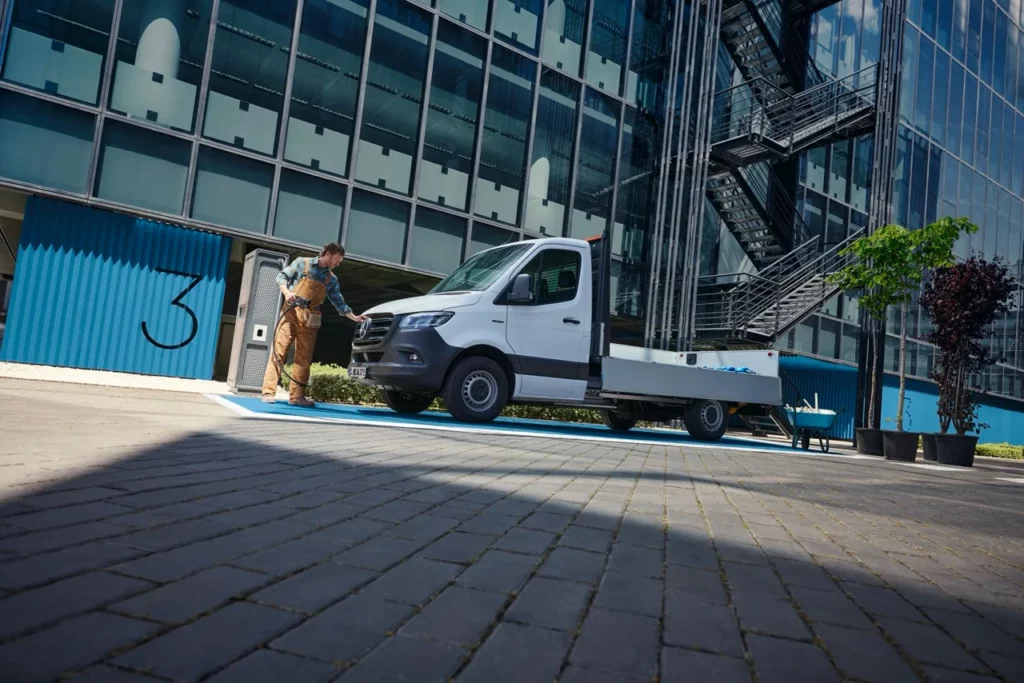
According to these players, the real obstacles to the adoption of EVs remain purchase and running costs, as well as insufficient recharging infrastructure. Imposing binding targets would put companies in a dilemma: keep their vehicles longer or reduce their purchases of new vehicles. A counter-productive action in both cases, according to the plaintiffs.
Faced with these problems, various European countries have found a solution: in those European countries where adoption is growing fastest, it is the combination of financial incentives and massive investment in infrastructure that is making the difference. The letter also stresses the need for incentives for the second-hand market, given that many leased vehicles are resold after two or three years.
These demands seem understandable. However, the Climate Group is arguing in favour of maintaining strict targets. It points out that more than 120 companies, including EDF, Ikea, Siemens and Unilever, have already committed themselves to converting their fleets to 100% electric.
Wednesday 10 December: 200 signatories defend the 2035 target
Two days later, another letter, this time on global targets, was sent to von der Leyen. E-Mobility Europe and ChargeUp Europe, supported by almost 200 signatories including Polestar and Volvo Cars, are calling on the Commission to firmly maintain the target of zero emissions for new cars by 2035.
« We are deeply concerned by recent efforts to water down your targets, » they write. The target of this letter: to thwart the pressure exerted by certain German manufacturers and the ACEA to obtain more flexibility on the CO₂ targets and to relax the ban on sales of combustion cars in 2035.
In particular, the concern is about reopening the door to plug-in hybrids and CO₂-neutral fuels. In their view, this approach would create uncertainty and slow down the transition to electric, at a time when Chinese manufacturers are making rapid progress and cutting costs.
The message is clear: « Every delay in Europe only widens the gap with China ». For these players, any setback would jeopardise the investments already underway and widen the gap with the Asian giant once and for all.

16 December, the day of truth
The automotive package, whose publication has already been delayed by a week, is crystallising all the attention. It could grant more flexibility on CO₂ targets, relax the ban on combustion engines in 2035, and include specific measures on company fleets.
The dossier has been the subject of frenetic lobbying in recent weeks, with a flood of letters flooding into Brussels ahead of the announcement.
These two positions, while not dealing with exactly the same issues, reveal the dividing lines in the sector. On the one hand, there are players calling for pragmatism and flexibility. On the other, defenders of the transition who fear that any relaxation could compromise Europe’s climate ambitions and its competitiveness vis-à-vis China.
December 16 will provide answers on several fronts: the level of ambition maintained for 2035, the flexibility granted on CO₂ targets, the fate of hybrids, and possible obligations for fleets. The compromise promises to be a delicate one.