



On 13 February 2026, Prime Minister Sébastien Lecornu unveiled the third Multiannual Energy Programme (PPE3), a strategy setting out France’s energy trajectory for the period 2026-2035. Behind the major balances in the electricity mix and the revival of nuclear power, one focus stands out: the electrification of mobility. This time, electromobility is no longer simply a climate lever, but a structuring pillar of the national strategy.
An energy roadmap that reshapes mobility
Unlike the automotive strategies of the past, the PPE3 is not presented as a stimulus plan based on symbolic figures. Its role lies elsewhere: to programme energy, anticipate usage and ensure that the increase in the use of electricity remains compatible with electricity production, network capacity and actual usage.
The EPP3 fully integrates electric vehicle charging into the « electrification of uses plan », with several priorities: adapting distribution networks, developing smart charging, gradually integrating vehicle-to-grid (V2G) and securing peak consumption. The decarbonised electricity generation targets, set at between 650 and 693 TWh in 2035, are designed to absorb a significant increase in transport-related demand, estimated at more than 100 TWh per year.
Making electric vehicles the market standard
The PPE3 marks a clear shift: the electric vehicle will become the benchmark for passenger cars and light commercial vehicles. The target is 50% market share for 100% electric vehicles in new sales from 2030, as an intermediate step towards 100% zero-emission sales in 2035, in line with the European framework.

This trajectory guarantees that the supply of carbon-free electricity will be sufficient to support the increase in the number of electric vehicles on the road, estimated at between 7 and 13 million in 2035. At the same time, electromobility should contribute to a massive reduction in fossil fuel consumption, from around 900 TWh in 2023 to 330 TWh in 2035, all sectors combined.
Road transport plays a central role in this shift. The deployment of electric vehicles, combined with biofuels and hydrogen for specific uses, should contribute to the energy sector’s -31% emissions target by 2030. Electric mobility is thus becoming one of the main levers for rapid decarbonisation.
Infrastructure: a clear path to 2035
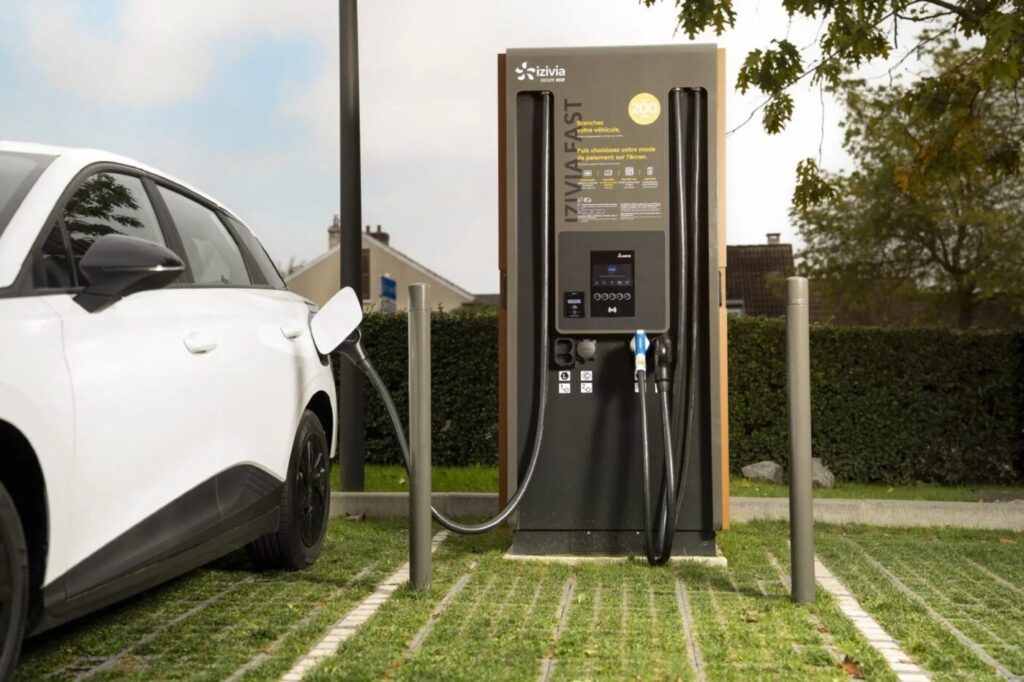
The EPP3 does not abandon the expansion of infrastructure, but it does specify the actual trajectory. Based on the European AFIR framework and the expected needs of the fleet, it sets a target of around 170,000 public charging points by 2030, rising to almost 200,000 by 2035.
The change in philosophy is clear: the problem is no longer just the number of charging points, but their actual usefulness. The government is focusing on fast and ultra-fast recharging on major roads, collective residential and business recharging, and the reliability of existing infrastructure. The aim is to avoid a proliferation of little-used and expensive charging points.
Boosting sales: the return of targeted support
Without explicitly mentioning a slowdown in the market, the PPE3 recognises that structural levers are now needed to ensure the widespread use of electric vehicles. The government intends to consolidate demand, particularly among low-income households.
This is why the government has confirmed that the social leasing scheme will be maintained. Created in 2024, the scheme was a great success, enabling no fewer than 50,000 households to obtain a new EV for less than €100 a month in just six weeks, with no deposit required. Renewed for a second time on 30 September 2025, the 50,000 opportunities to obtain an EV at a lower cost were also seized, this time in three months. This lasting lever for democratisation, which prevents electromobility from becoming a privilege, has therefore been maintained for 2026.
At the same time, the nature of the financial support is changing. The traditional ecological bonus is gradually being supplemented, or even replaced, by schemes based on energy saving certificates (CEE). Electric vehicles are now seen as energy transition tools in their own right, in the same way as heat pumps or thermal renovation.
Electric commercial vehicles and complementarity with hydrogen
In addition to private vehicles, the PPE3 fully integrates electric commercial vehicles into the trajectory of decarbonisation of transport. Since 2025, companies have no longer benefited from the ecological bonus, but can instead take advantage of a CEE bonus of up to €5,000 for the purchase or long-term leasing, which can be combined with certain regional grants. In addition, there are a number of tax levers: total exemption from TVS, an extra 20% depreciation allowance, and a ceiling on deductible depreciation raised to €30,000 for 100% electric models.
In practice, these vehicles continue to have privileged access to LEZs and city centres, while restrictions are becoming tighter on combustion engines, a criterion that has become a determining factor for business fleets.
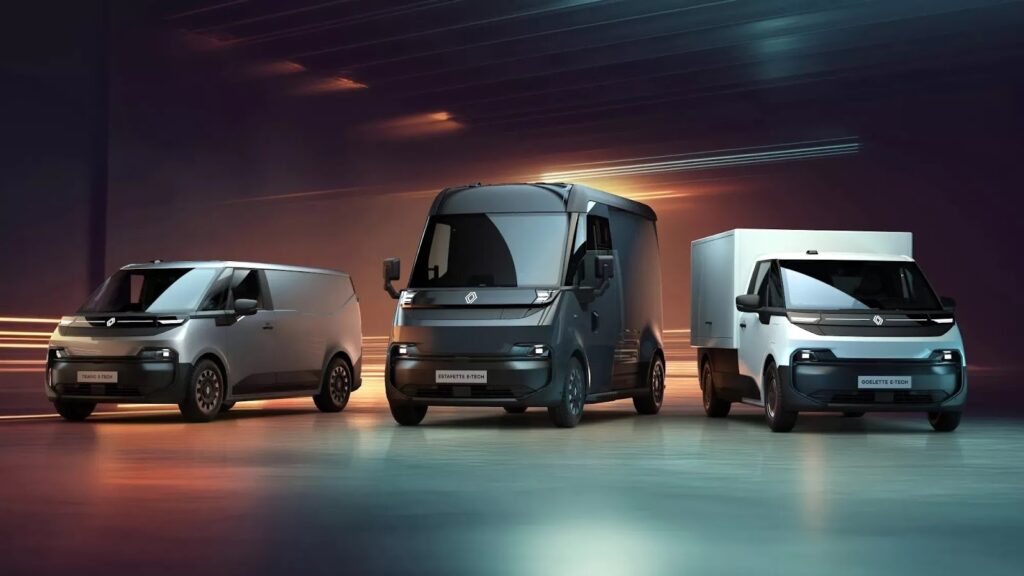
What’s more, the Prime Minister’s statement confirms that battery-electric vehicles will be the benchmark for light vehicles, while decarbonised hydrogen and biofuels will be reserved for the uses that are most difficult to electrify. The government is aiming for 4.5 GW of electrolysis by 2030 and 8 GW by 2035.
Industry, sovereignty and a revisable trajectory
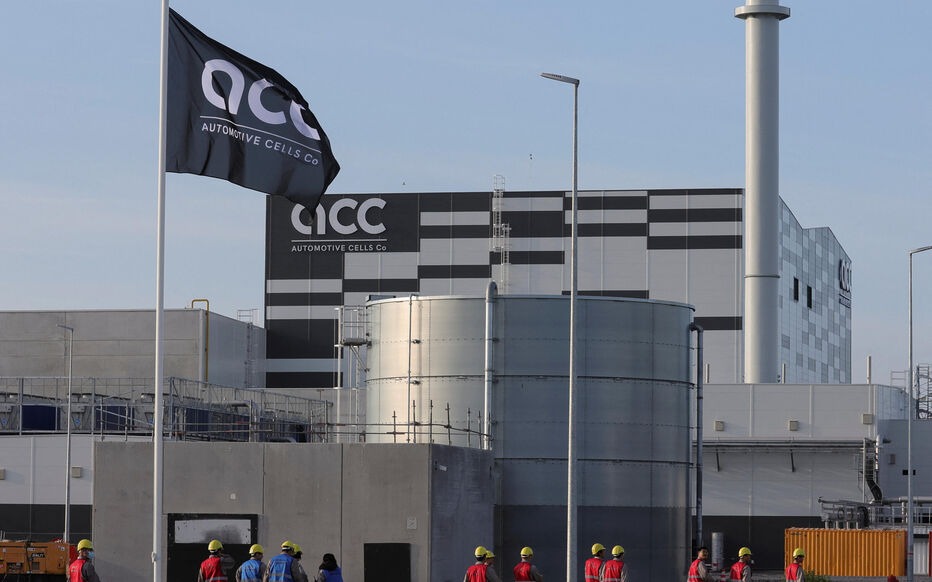
The PPE3 is part of a wider industrial strategy: developing gigafactories, structuring the battery industry and securing critical supplies. The aim is to make electromobility an industrial pillar. Its implementation could generate more than 120,000 jobs by 2030, a significant proportion of which will be linked to electric vehicles and associated infrastructure.
Lastly, the EPP3 introduces a review clause in 2027, enabling the trajectory to be adjusted in line with actual changes in usage, the pace of adoption and constraints on the networks.
France is no longer promising an immediate revolution in electric mobility, but a credible electromobility. A transition conceived as a complete system, where infrastructure, vehicles, support, network and industry all move forward at the same pace.