



This is a major turning point in European climate policy. Yesterday in Brussels, the European Commission put an end to one of the symbols of the Green Deal: the total ban on the sale of combustion engine vehicles from 2035. The principle of « zero grams of CO₂ from the tailpipe » will disappear in favour of a target deemed more realistic: a 90% reduction in average emissions from new cars compared with 2021.

In other words, Brussels is maintaining the trajectory towards carbon neutrality in 2050, but introducing a limited margin of flexibility after 2035. Internal combustion and hybrid vehicles will still be allowed to be sold, provided they offset their emissions using synthetic fuels, sustainable biofuels or low-carbon industrial processes. This is not a renunciation, but an adjustment between climate ambitions and economic reality.
Why Brussels is changing its strategy
Fortunately for the climate objectives, this apparent retreat is not ideological. In fact, it’s in line with industrial realism. In 2025, even if sales of 100% electric vehicles increase in France, they will stagnate in several markets, notably Germany, Italy and certain Central European countries. The high price of models, the fact that we are still too dependent on China for batteries and the delay in infrastructure are undermining the initial plan.
European Commissioner Stéphane Séjourné refers to a « pragmatic approach »: the forced all-electricity, imagined in 2023, comes up against the economic realities of 2025.

The initial framework of the Green Deal
Let’s go back to the text that governed this vision of the future car industry: the « European Green Deal ». It stipulated that from 2035, all new cars would have zero direct emissions. In short, petrol, diesel and plug-in hybrid cars could not be sold new. Logically, that left 100% electric or hydrogen.
It’s an ambitious target, but one that will be difficult to meet without breaking up the industry. And indeed, faced with the cost of batteries and pressure from Asia, Brussels admits that the pace needs to change. The new -90% target maintains the direction, but gives a little breathing space to an industry under stress.
-90% reduction in emissions: what’s the difference?
With this new target, the vast majority of sales will remain electric or zero-emission direct. However, a small margin of flexibility could be granted: manufacturers would be able to include a limited share of combustion or hybrid models, provided that the average CO₂ emissions of their fleet complied with the 90% reduction compared with 2021.
These few models, tolerated at the margin, would have to rely on synthetic fuels, biofuels or low-carbon production processes to offset their impact. For carmakers, this scenario would provide a transitional lever, giving them time to make their hybrid platforms profitable and support the rise of all-electricity.
Berlin and Rome on the front line
Germany and Italy pulled out all the stops behind this compromise. German decision-makers had been arguing for months for recognition of e-fuels. Rome, for its part, wanted to preserve its thermal production sites, which are essential to its industrial fabric.
On the French side, reticence prevailed at first, but France finally agreed, on condition that European investment in the electric sector was protected. Emmanuel Macron stressed the need to strengthen the European industry rather than weaken it.

Electrics remain at the heart
However, despite a decision that could dampen the enthusiasm of electric car manufacturers, Brussels is not turning its back on zero-emission mobility. On the contrary, the Commission intends to maintain electric vehicles as a central pillar of the decarbonisation of road transport, while adjusting its industrial strategy.
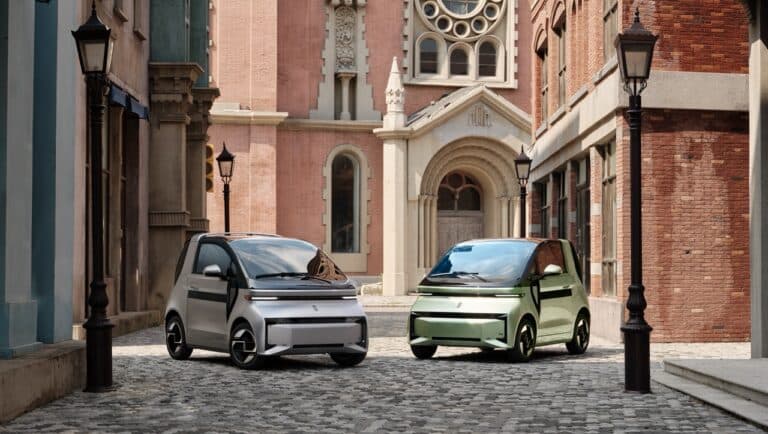
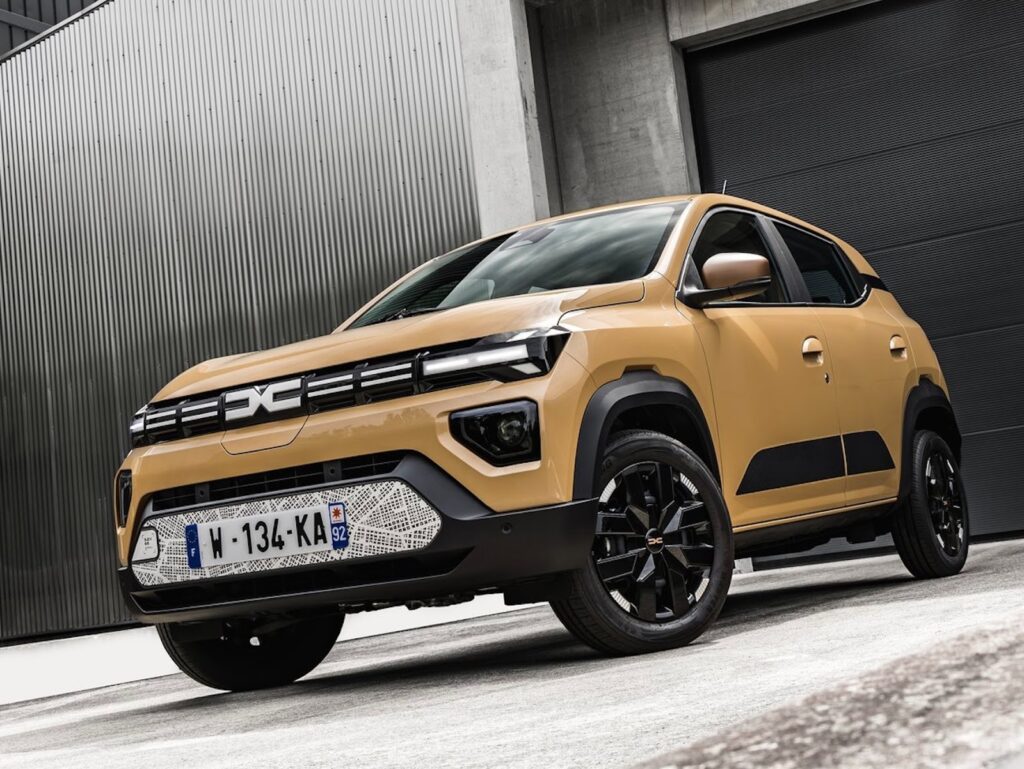
The new framework is accompanied by increased support for small electric cars made in Europe, to counter low-cost Chinese models.
The Commission is also promising to simplify industrial procedures, such as approval procedures, to make State aid more flexible in order to encourage investment in battery factories, and to speed up gigafactory projects. In addition, the idea is to encourage innovation in solid batteries, two-way recharging and recycling.
Angry NGOs, relieved industry
But this more realistic reorientation, largely geared towards European competitiveness, has not met with unanimous approval. NGOs are denouncing it as a step backwards for the climate and a blurred signal to industry. Greenpeace calls it a « historic step backwards ».
Conversely, carmakers are welcoming the compromise as a breath of fresh air: it gives them extra time to finance the ramp-up to all-electricity without jeopardising their financial equilibrium.
What’s next?
The proposal will have to be approved by the European Parliament and the Member States during 2026. If it is adopted, the transition will remain largely electric, but will be more sustainable for industry.
For manufacturers, the challenge is clear: to offer electric cars that are competitive, desirable and affordable, while continuing to innovate.
This European decision marks the end of a transition designed without shock absorbers, and the beginning of a more pragmatic era.