
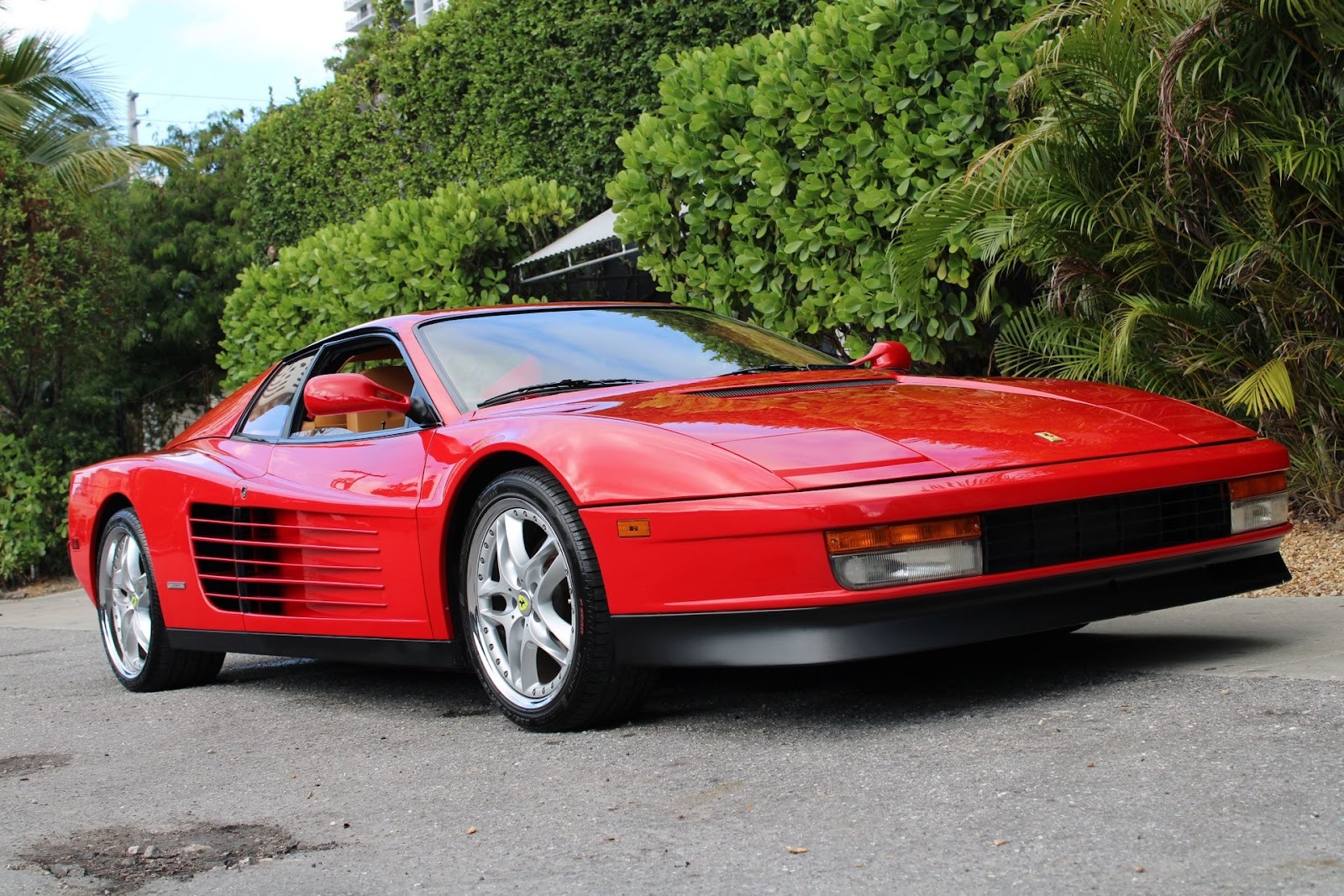




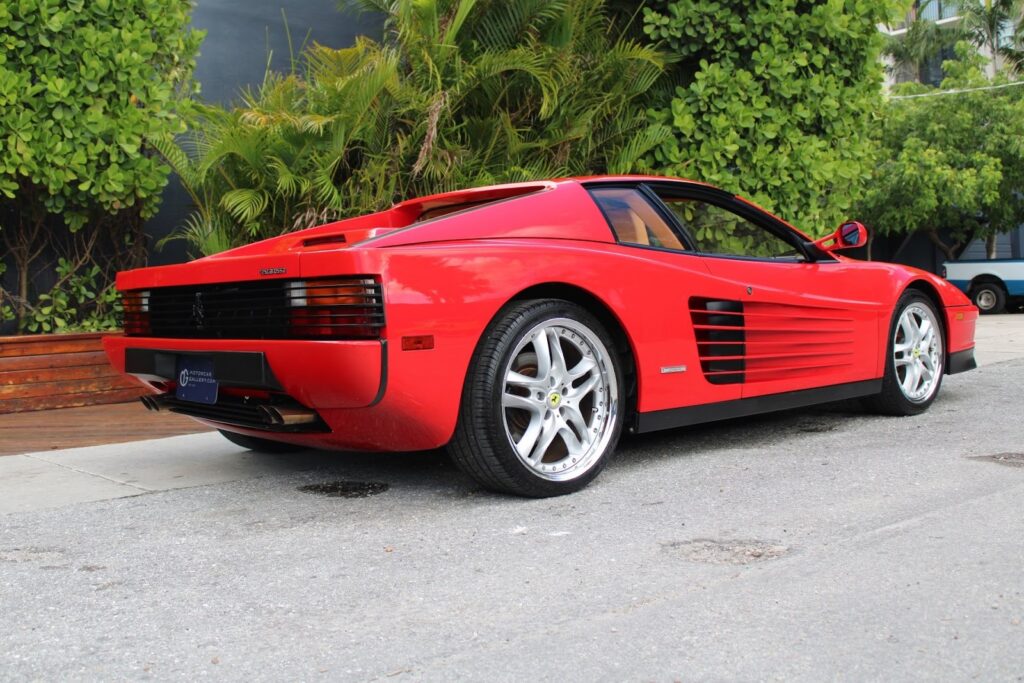
The Ferrari Testarossa, icon of the 1980s, continues to make its mark on automotive history, but now from a legal and strategic rather than a technical perspective. In July 2025, the Court of Justice of the European Union (CJEU) confirmed that Ferrari retains its rights to the ‘Testarossa’ trademark, stressing that use of the name, even on second-hand vehicles, spare parts or derivative products, remains sufficiently active to justify its protection. This decision reflects the cultural and commercial importance of the name in the minds of the European public.

A historic name, a bridge to the future
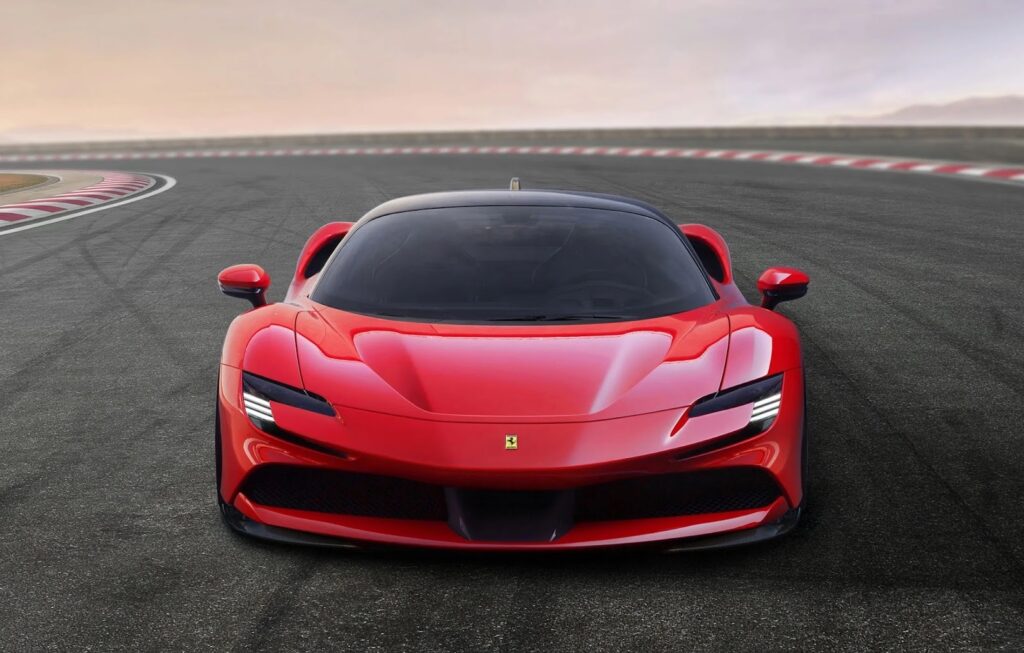
While no new Testarossa has been produced, Ferrari is integrating the concept of heritage into its modern strategy. The brand continues to develop its hybrid and electric powertrains, with PHEV models and 100% electric vehicles planned for the coming years. The strategic plan presented at the Ferrari Capital Markets Day 2025 confirms the brand’s ambition to maintain the prestige of its supercars while gradually adopting cleaner technologies.
Cultural heritage as a strategic lever
The Testarossa name, which has been part of the collective imagination since 1984, remains a powerful symbol of Ferrari’s history. The CJEU’s decision not only protects the brand’s rights, but also strengthens Ferrari’s ability to exploit this heritage in derivative products, collections and special editions. This heritage enables the brand to anchor its future hybrid or electric models in a cultural continuity that is recognised and valued by collectors and enthusiasts.
Ferrari and the technological transition
In its roadmap to 2030, Ferrari is planning a ramp-up in hybrid models, followed by the introduction of its first 100% electric car scheduled for 2027-2028. This transition is being made gradually, while maintaining the performance and driving experience for which the brand is renowned, and meeting global environmental and regulatory imperatives.

Conclusion: a protected name and an assertive strategy
The Testarossa is no longer just an iconic supercar: it has become a strategic tool, linking Ferrari’s cultural heritage with its technological ambitions. By legally protecting this name and preparing its transition to hybrid and electric vehicles, Ferrari is asserting its desire to combine passion, innovation and the long-term future of the brand.