





The year 2025 marks a major milestone for electric vehicles: almost a quarter of new cars sold worldwide are now electric. China is consolidating its dominance, while Europe is experiencing more measured growth and emerging markets such as Vietnam and Thailand are speeding up their transition. With record sales, technical innovations and a massive extension of recharging infrastructures, electromobility is emerging as a real driving force behind the global transformation of the automotive industry.

In 2025, worldwide sales of all types of electric vehicles – i.e. 100% electric and hybrid – are estimated at around 18.5 million units in the first 11 months of the year. This is a significant number: it represents growth of around 21% compared with 2024. According to industry experts, this suggests that the annual total for 2025 is likely to exceed 20 million electric cars sold.
Unsurprisingly, it is China that is massively dominating the market. Nearly 14 million electric cars were sold there this year. This represents 60% of domestic sales in the Middle Kingdom. In other words, two out of every three vehicles sold worldwide are now being driven under a Chinese banner.
The other key player in 2025 is South-East Asia. With sales of electric vehicles up by 79% in the first half of the year, according to Counterpoint Research, it is confirming its role as a driving force for soft mobility. The ASEAN region now accounts for around 5-6% of global EV sales, or more than 1 million units in the current year, compared with less than 600,000 in 2024.
Vietnam, which was already very aggressive in 2024, has seen the market share of zero-emission vehicles rise from 28% to almost 40% in just twelve months. Thailand is following the same trajectory: it now has a market share of over 20%, compared with around 12% at the end of 2024. This rapid growth can be explained by the determination of the region’s governments to structure a genuine local industrial ecosystem, combining manufacturing facilities, tax incentives and the electrification of the public fleet.
Sales, leading brands and models
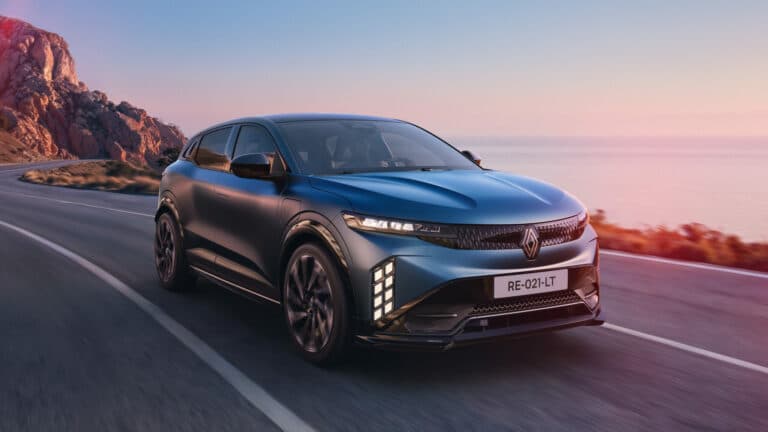
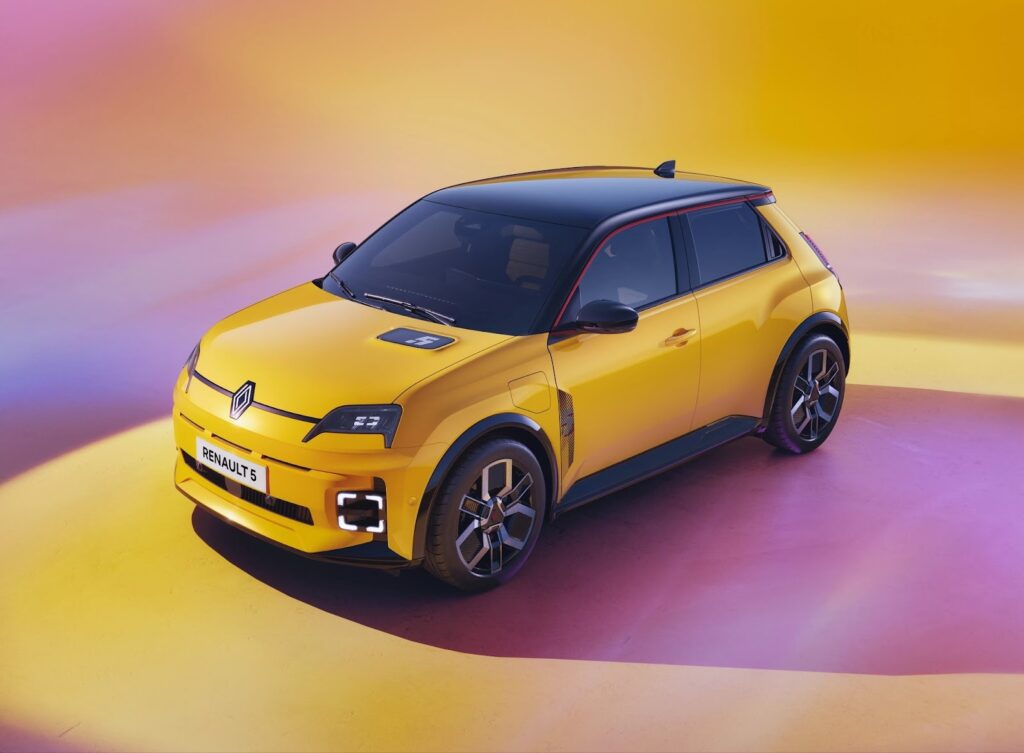
In terms of volume, the BYD-Tesla duo continues to reign, but low-cost Chinese manufacturers are making their mark in almost every segment. In France, the Renault 5 E-Tech has established itself at the top of the sales charts, while the Renault brand has scored a media coup with its Filante Record prototype, capable of travelling 1,000 km on a single charge.
At the top of the Asian rankings, Chery and MG are investing in solid-state batteries, promising to double their range by the end of the decade.
Infrastructure: the terminal challenge
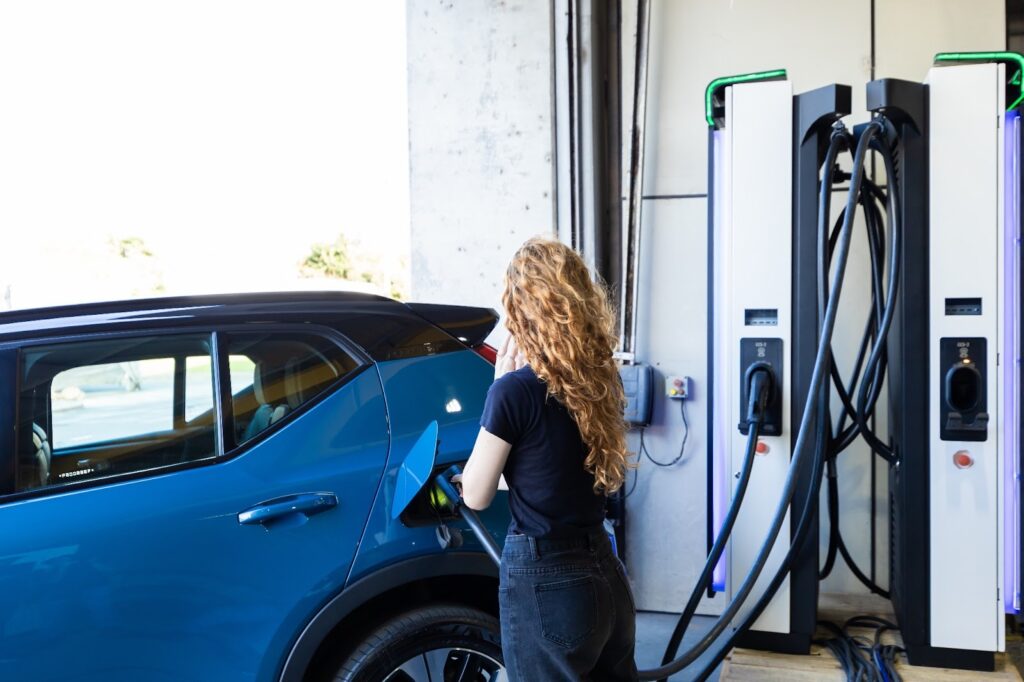
In terms of infrastructure, growth remains spectacular. There will be more than 8 million public charging points worldwide by the end of 2025 (compared with 4.5 million in 2023, i.e. +78%), with China accounting for nearly 3.5 million, or 44% of the global total. Europe will have more than 1.2 million public charging points (up 40% on 2024), led by the Netherlands (183,000), France (170,000) and Germany (153,000).
According to a TrendForce projection, there will be more than 16 million public charging points on the planet by 2026.
Outlook: European realism, Asian ambition
On the legislative front, the end of the year was a turbulent one. After numerous complaints from European manufacturers, the European Union adjusted its timetable: total carbon neutrality by 2035 has been replaced by a more flexible target of -90% CO₂ emissions for new vehicles.
All over the world, electromobility is progressing, not at the same speed, but in the same direction.