








Home charging covers around 70% of the daily needs of electric vehicle drivers, and offers them unrivalled convenience. But from next year, with the CIBRE tax credit due to expire on 31 December 2025, it’s vital to be aware of the support and solutions available to continue equipping your home at a lower cost.
CIBRE: major support until 2025
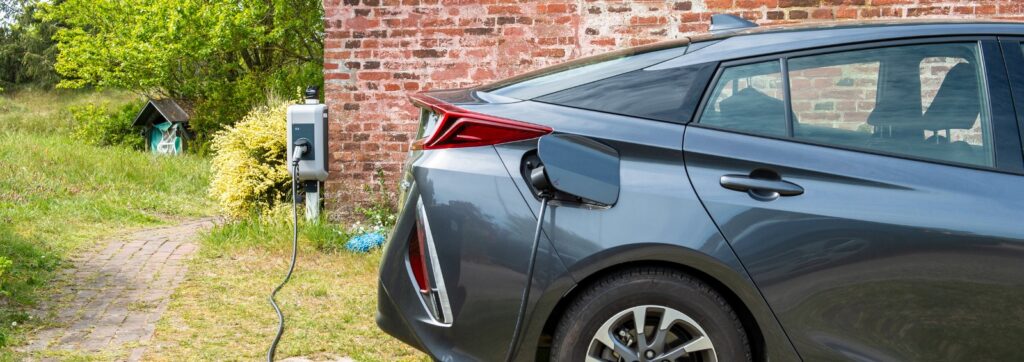
With the aim of democratising electrically powered vehicles, since 2021 the CIBRE (Crédit d’Impôt pour la Borne de Recharge Électrique – Tax Credit for Electric Charging Stations) has been introduced by the French government and has supported tens of thousands of households. In fact, in 2024 alone, this aid scheme enabled almost 47,000 households to benefit from a home charging point.
It covered up to €500 per controllable bollard installed by an IRVE professional, or up to €1,000 for two bollards per couple, depending on the installer.
To be eligible, the charging point had to be permanently fixed and controllable, and the installation had to be carried out by an IRVE professional. The homes concerned could be primary or secondary residences, completed more than two years ago and not rented out.
In addition to this tax credit, from 2023 onwards, all domestic charging points will benefit from reduced VAT of 5.5%, including reinforced Green’Up-type sockets.
source: WEG
The end of CIBRE: planning for the future
However, from January 2026, CIBRE will cease to exist. The main reasons for this are budgetary constraints and the government’s desire to rationalise tax incentives for the energy transition.
This translates into savings for a couple with two homes, which will fall from around €1,000 to €250 thanks to the reduced VAT. The cost of a typical 7.4 kW installation (terminal, installation, wiring and protection) will remain between €1,200 and €1,800 including VAT.
Remaining support for individuals
Even without the CIBRE, a number of levers remain available. For single-family homes, reduced VAT is the main tax incentive, supplemented by local grants, the amount of which varies greatly from region to region.
In the Île-de-France region, grants range from €300 to €500, with some condominiums eligible for as much as €960. In Occitanie, the regional grant is €500. In Auvergne-Rhône-Alpes, it ranges from €400 to €1,000. In some areas of the Provence-Alpes-Côte d’Azur region, the total amount of assistance can be as much as €1,500.
Advenir: a central programme for condominiums
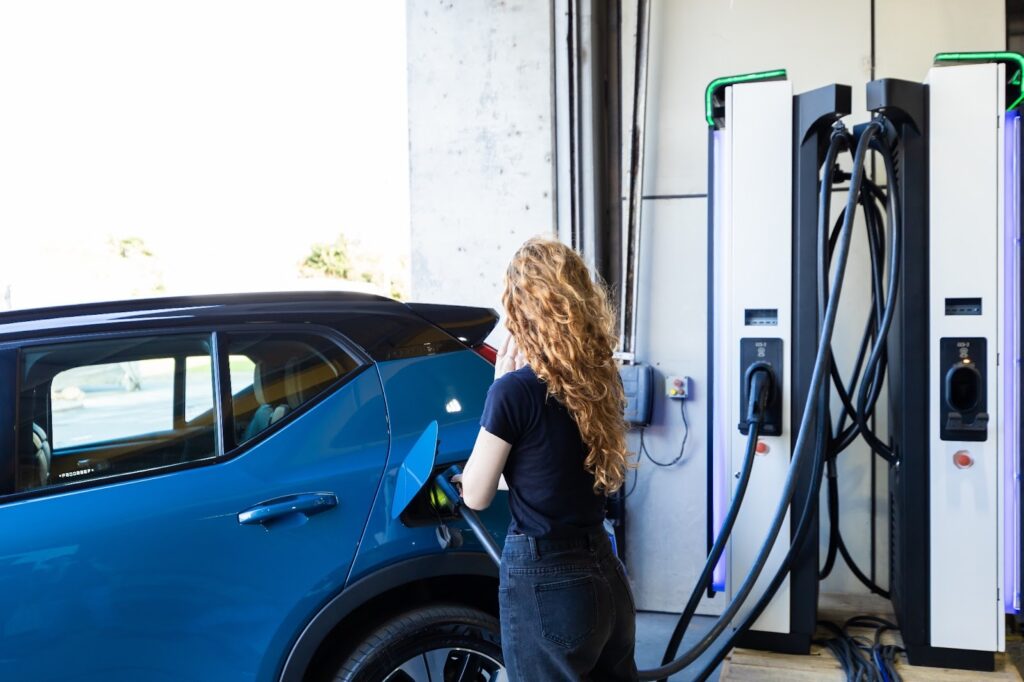
Another area where home charging stations are useful is in condominiums and collective housing. The Advenir programme will continue to be a key tool in this area until 2027. It covers up to 50% of the costs of individual and shared charging points, with a ceiling of €600 per individual charging point and €1,660 per shared charging point.
For collective infrastructures, the subsidy is 50% up to €8,000 for 100 spaces, with a bonus for outdoor car parks and specific wiring. These grants can be combined with each other and with reduced VAT.

Innovative solutions from installers
To keep installations accessible, professionals in the sector are now offering intelligent controllable terminals, capable of modulating power, programming sessions via mobile application and sometimes V2G compatible.
In condominiums, plug-and-play modular solutions reduce work and costs by 30-50%. Some monthly rental packages include installation, maintenance and replacement, to limit the initial investment.
A sustainable economic advantage
These aids are useful and economical to use. Charging at home is still very competitive. At off-peak times, electricity costs €0.10 to €0.15/kWh, compared with €0.40 to €0.80/kWh at normal public charging points and up to €1/kWh at fast motorway charging points.
For a vehicle consuming 15 kWh/100 km and travelling 15,000 km a year, the annual saving could be as much as €1,000 to €1,500.
Post-CIBRE: new approaches
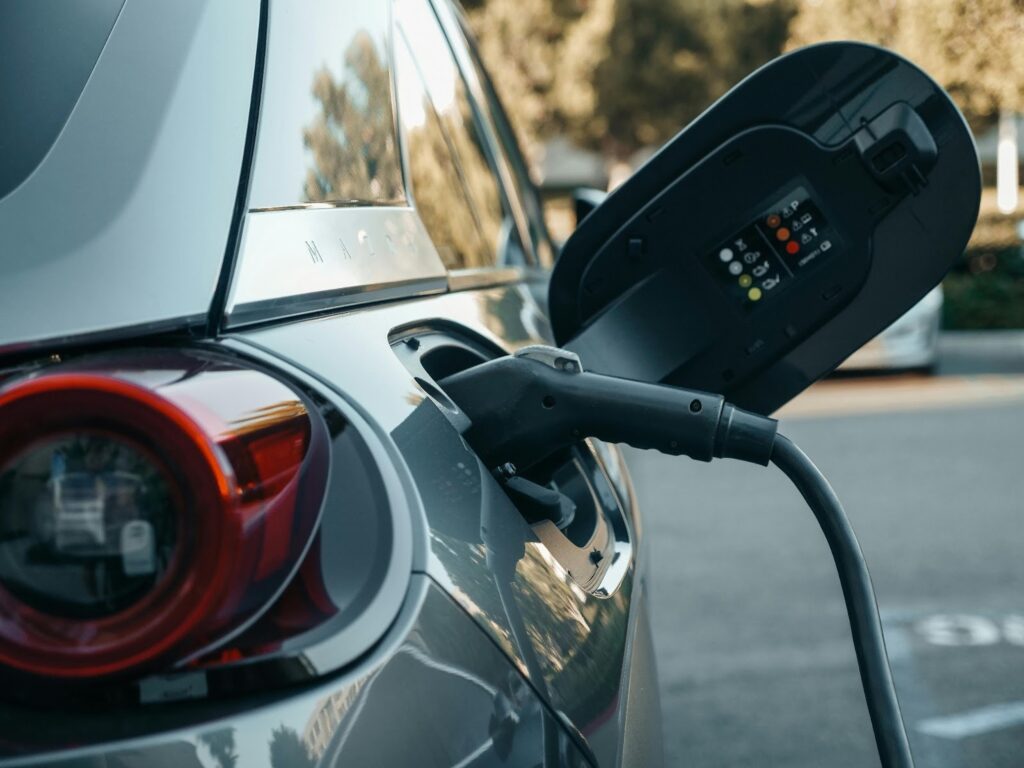
From 2026 onwards, reduced VAT will remain the national tax advantage, local aid will support certain single-family homes, and Advenir will continue to provide support for condominiums. Leasing and staggered payment solutions will become important levers for maintaining accessibility.
The aim remains clear: to ensure that home charging retains its central role in the electricity transition and remains accessible to as many people as possible.