





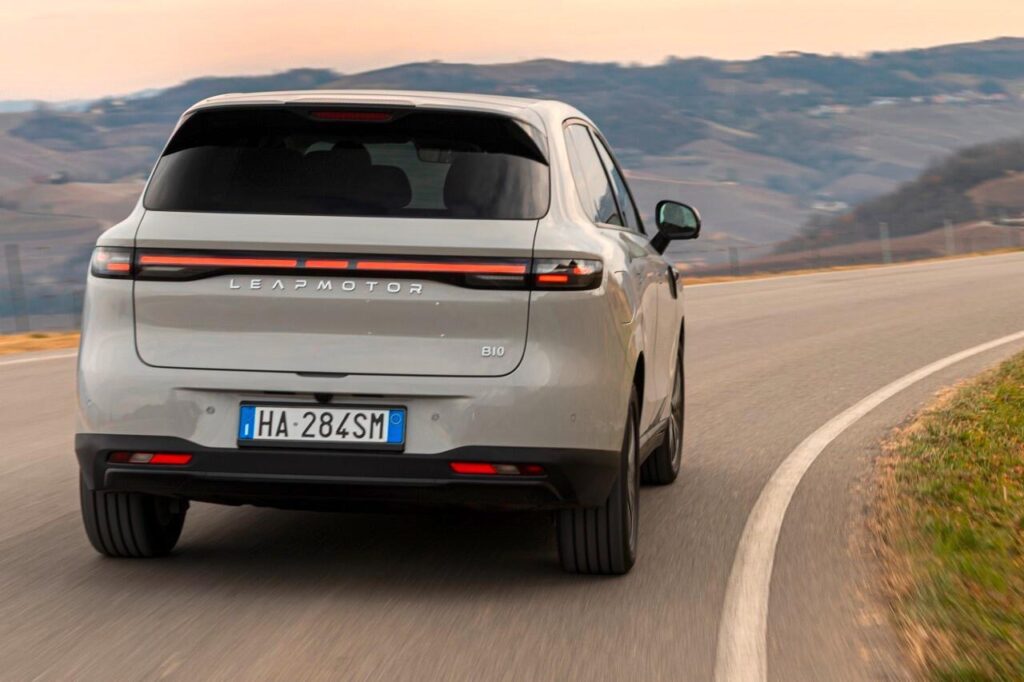
With the B10 New e-Hybrid / REEV, Leapmotor and Stellantis are reviving a technology that has long been marginal in Europe: the range-extending electric vehicle. Presented at the Brussels Motor Show 2026 and expected on the European market the same year, this compact C-segment SUV could well become the missing link between pure electric and long-distance use.

An SUV designed for Europe
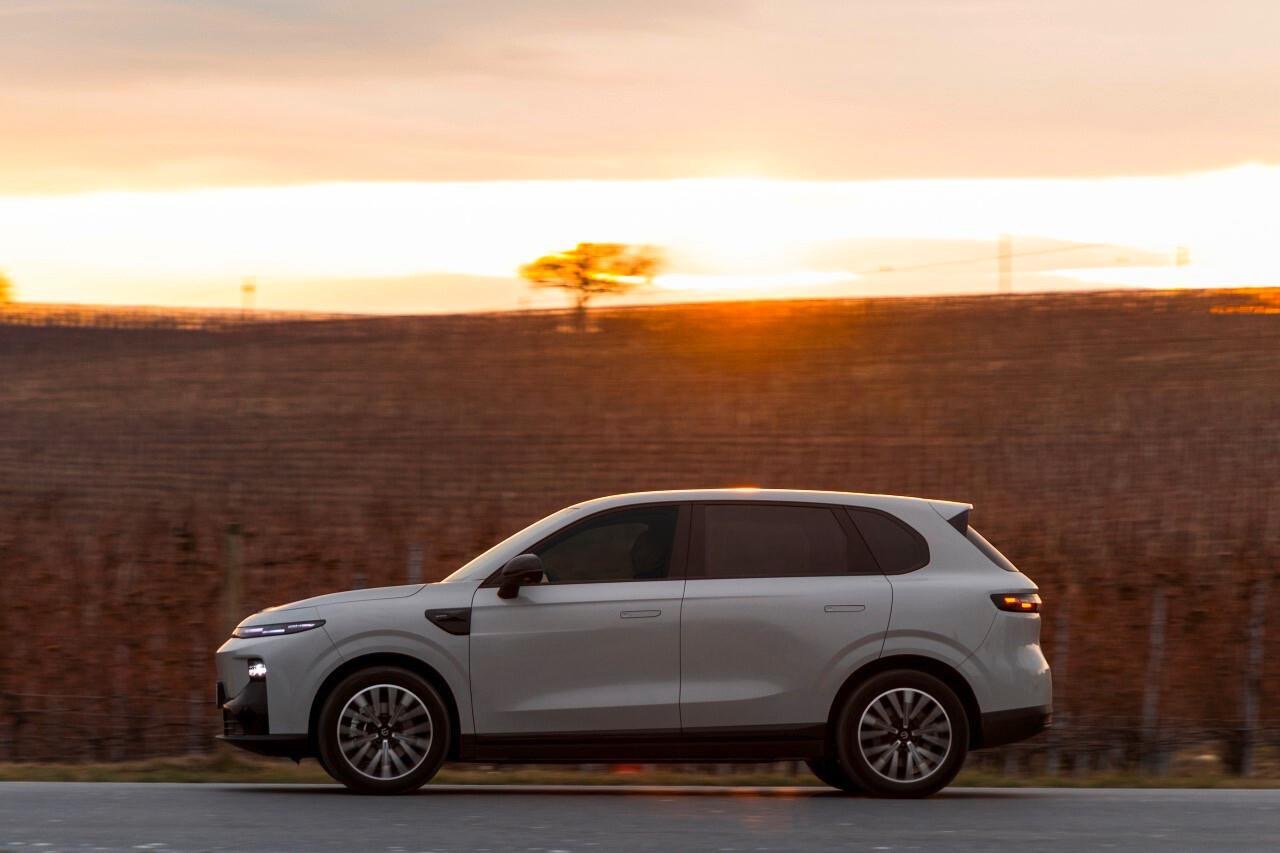
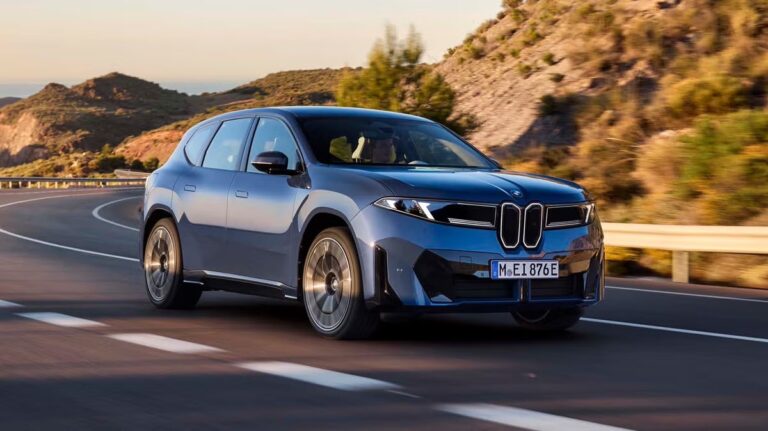
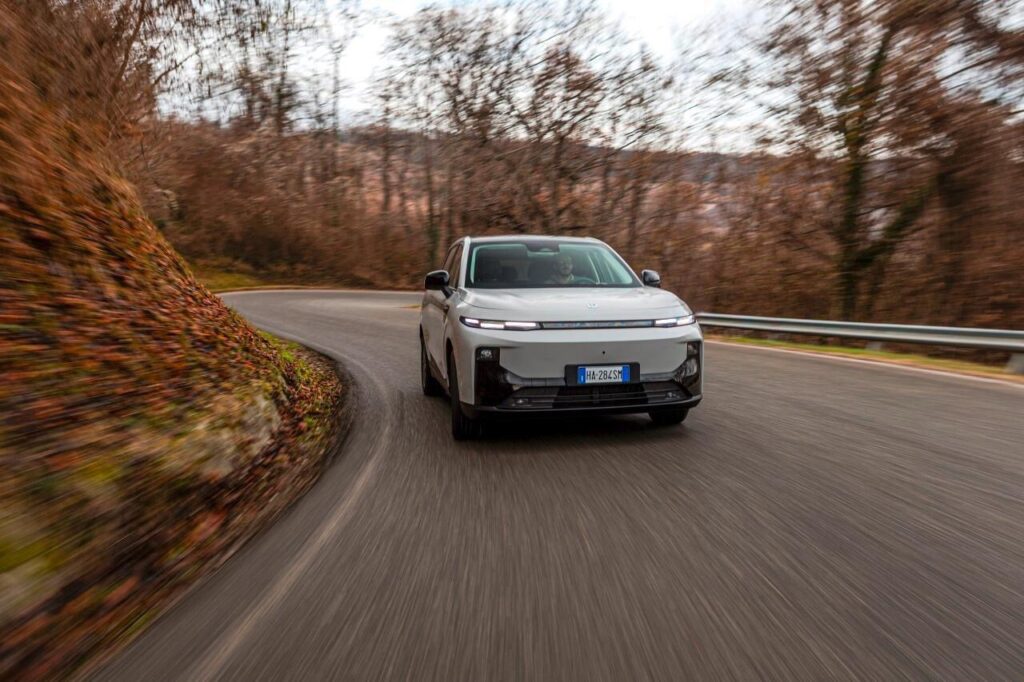
The Leapmotor B10 is strategically positioned for the European market. At around 4.52 metres long, 1.89 metres wide and 1.65 metres high, it is positioned to compete with the electrified compact SUVs that are now the mainstay of sales. Its design, sober and technological, serves above all a promise. The promise is to make electric mobility more accessible and more versatile. This model marks an important step for Leapmotor, a Chinese brand that is still new to Europe, but now firmly backed by Stellantis. The B10 will not only be imported, it will also be produced in Spain from 2026, at a plant belonging to the Franco-Italian-American group. An industrial location that changes the game in terms of costs, lead times and political acceptability.
The key feature of the B10 is its ‘REEV’ technology, which stands for Range Extended Electric Vehicle. Unlike a conventional hybrid, the combustion engine never drives the wheels. Traction is provided exclusively by the electric motor, while a three-cylinder petrol engine acts as an on-board generator when the battery reaches a low level of charge. This technical choice maintains a strictly electric driving experience, including on motorways, while removing one of the main obstacles to the adoption of electric vehicles: the fear of breakdowns on long journeys. The combustion engine is only activated as a back-up, to produce electricity, without any break in torque or change in dynamic behaviour.
A proven technical base in electrical engineering
At this stage, the detailed figures relate mainly to the 100% electric versions of the B10, which serve as the basis for the e-Hybrid variant. The LEAP 3.5 platform, combined with a Cell-to-Chassis 2.0 architecture, integrates the battery directly into the vehicle’s structure, improving rigidity and efficiency at the same time. There are two power levels: a 132 kW (around 179 bhp) engine and a more powerful 160 kW (218 bhp) version, capable of accelerating from 0 to 100 km/h in less than 7 seconds. The LFP batteries were chosen for their durability and cost. Their capacities range from 56 to almost 70 kWh, depending on the version. These figures, taken from Chinese CLTC cycles, will have to be adjusted to WLTP for Europe. But they already give a clear indication: the B10 is at the top end of the range in its segment, even before the addition of the petrol extender.
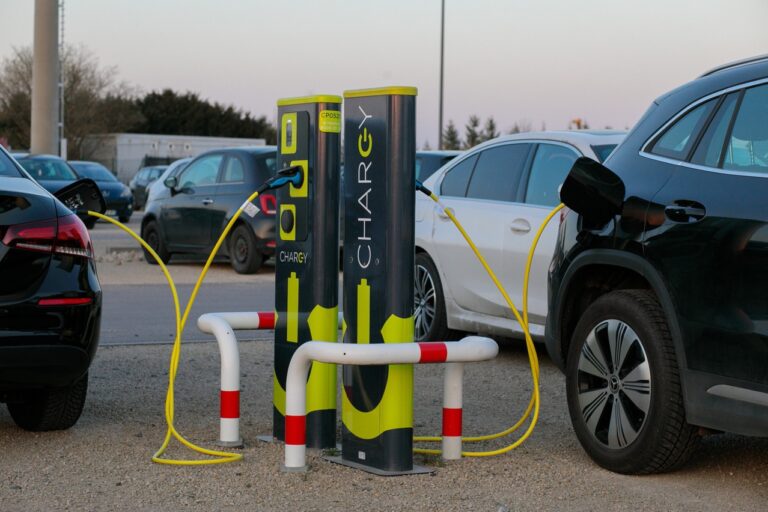
As for the e-Hybrid, Leapmotor and Stellantis are remaining deliberately cautious. The exact power of the thermal generator, the capacity of the fuel tank and the accumulated range have not yet been made official. This is no doubt a strategic decision, in order to maintain a margin of adjustment before European approval. Nevertheless, the principle is clear: in everyday use, the B10 will operate like a conventional electric car, recharging from the mains. On long journeys, the petrol engine will take over to maintain the battery’s charge, reducing dependence on fast-charging infrastructures, which are still unevenly distributed across Europe.
Stellantis, a pragmatic offensive
The B10 e-Hybrid is also a symbol of Stellantis’ new approach to the energy transition. While the European objective remains an all-electric range by 2030, the B10 REEV is a credible transition solution. It is aimed at motorists who are still hesitant, those for whom pure electric power is still a constraint, without giving up the environmental benefits of driving predominantly electric. Long confined to niche models such as the Opel Ampera and Chevrolet Volt, and more recently the Mazda MX-30 R-EV, range-extender technology is making a comeback. But this time, with large-scale production and a price positioning that Leapmotor promises will be competitive. The B10 e-Hybrid could thus embody a pragmatic and realistic middle way in an electric landscape that is still under construction. If its technical and economic promises are confirmed, it could well become one of the key models in Europe’s energy transition.
Sources : Stellantis – Beev