
Stellantis has announced a major strategic change in its industrial organisation: the future replacement for the Citroën C4, currently produced at Madrid-Villaverde, will be assembled at the Kénitra plant in Morocco. This decision reflects the growing importance of the Moroccan site within the Group’s global ecosystem, and illustrates a rationale for optimising production costs while consolidating Stellantis’ offering in the popular compact SUV segments.
Kénitra: a factory reinventing itself as a major industrial hub
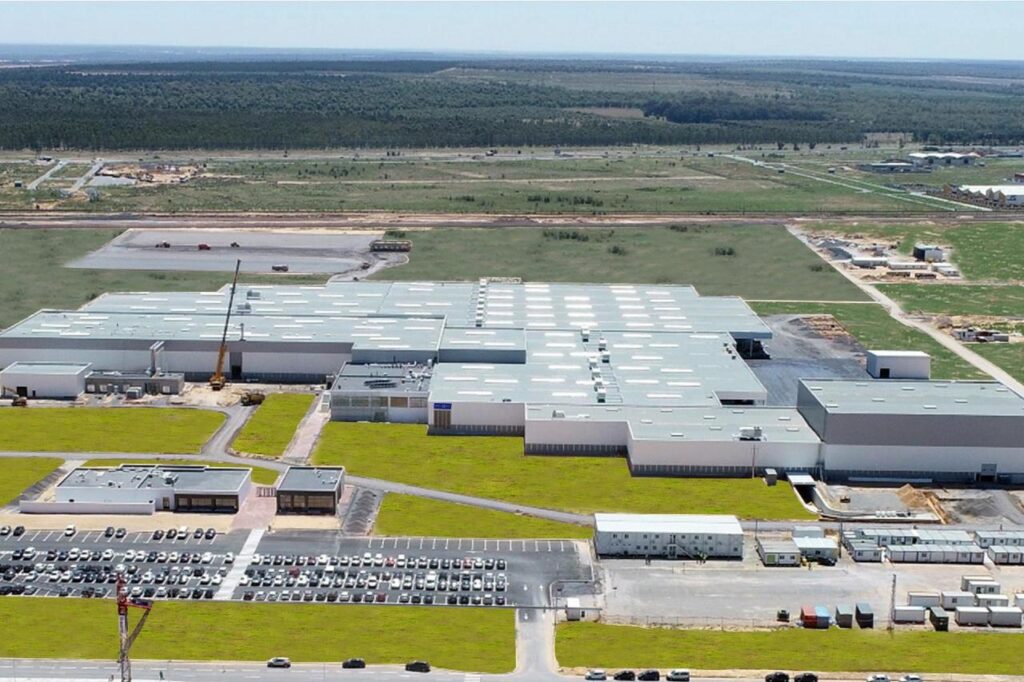
The Stellantis plant in Kénitra, inaugurated in 2019, reached a new milestone in July 2025 with the inauguration of its extension, in the presence of the Moroccan authorities. This major project is part of an industrial partnership initiated in 2016 between the Kingdom and Stellantis.
Key figures and industrial scope
The extension will double the site’s production capacity from 200,000 to 400,000 vehicles a year, bringing it to 535,000 units a year across all categories (including electric micromobility).
The total investment amounts to 1.2 billion euros, a significant part of which is dedicated to developing local suppliers, thereby strengthening the national industrial base.
The gradual ramp-up aims to achieve a local integration rate of 75% by 2030, a strong indicator of skills transfer and local value creation.
The expansion is expected to generate more than 3,100 additional direct jobs, on top of the thousands already on site.
More broadly, the expansion of Kénitra is helping to position Morocco as a competitive automotive hub on a continental and global scale, with a total annual production capacity (all sites combined) of over one million vehicles by 2030. Ryad Mezzour, Minister of Industry and Trade, who was present at the inauguration last July, had this to say about the extension of the Kénitra plant: « This is a historic day for the Kingdom. This complex is now one of the most efficient in the world, and we are proud of what is being achieved in Morocco ».

From 2025 to 2026: what’s been done and what’s on the way
Since its inauguration last summer, the extension has already seen a number of industrial projects implemented at the Kénitra site come to fruition:
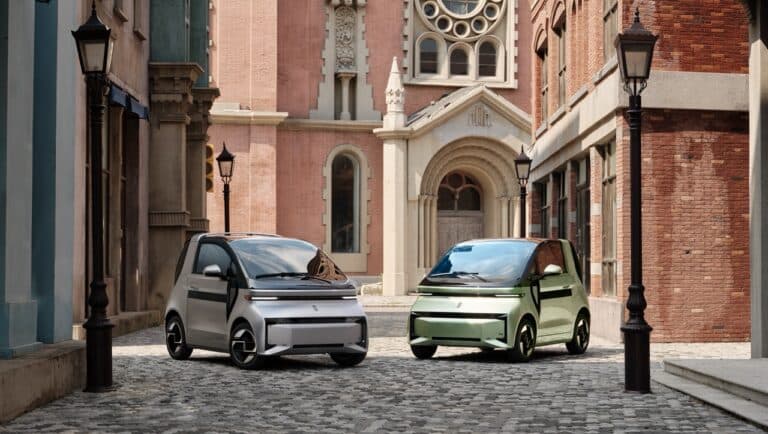
Increased production of electric micromobility. Models such as the Citroën Ami, Opel Rocks-e and Fiat Topolino are now being produced on a larger scale, with capacity almost trebling to around 70,000 units a year.
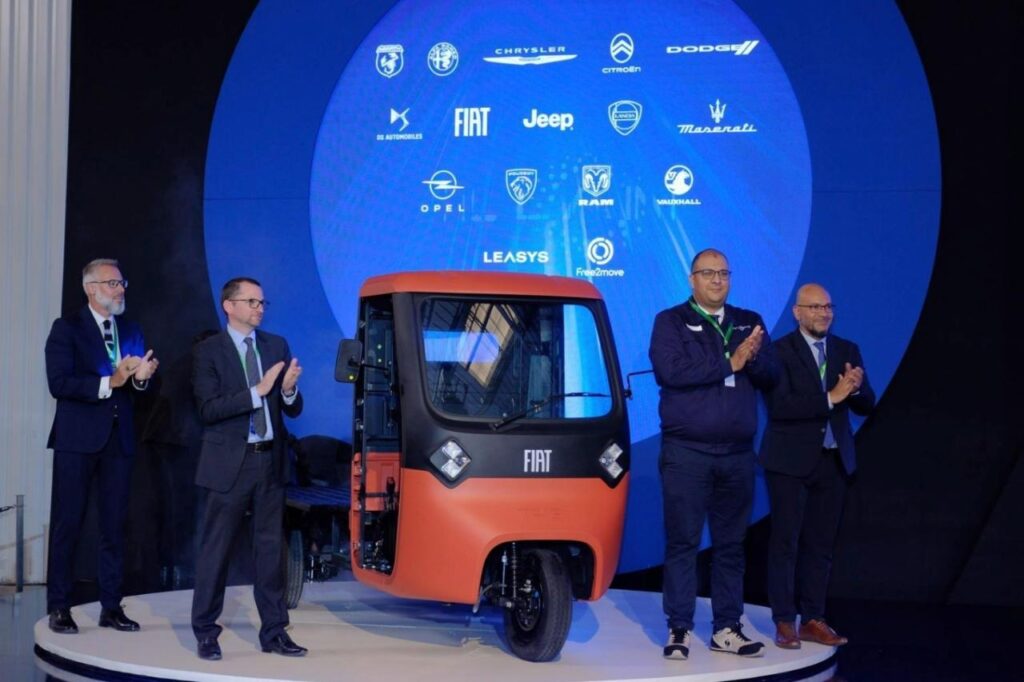
Light three-wheeled electric vehicles: a new production line dedicated to these vehicles, designed by the Moroccan technical centre Stellantis (ATC), started up in July 2025, with around 65,000 units planned annually.
Production of electric charging stations. The Kenitra line now includes the manufacture of charging stations, with a projected annual capacity of 204,000 units, consolidating the site’s role in the electric mobility ecosystem.
Hybrid engine assembly (MHEV): a new generation of Mild Hybrid engines began to be assembled in May 2025, and Stellantis plans to add a machining phase from November 2026.
What happens in 2026 and beyond
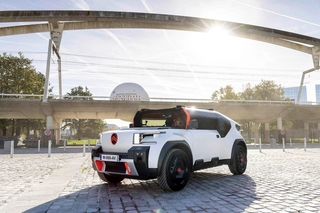
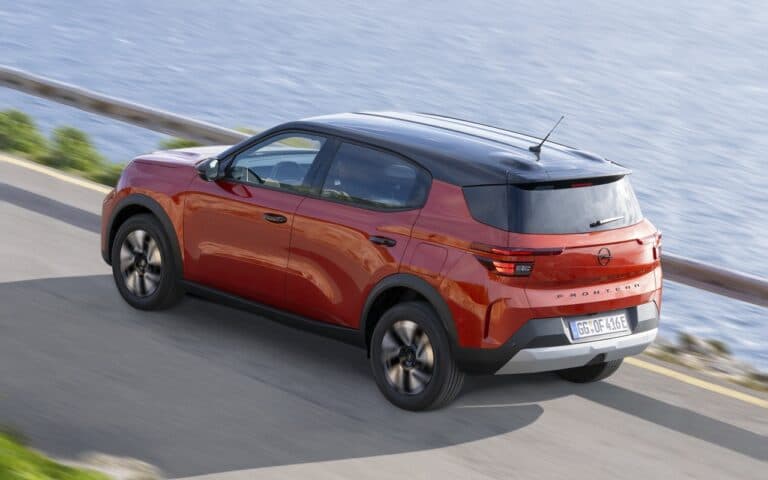
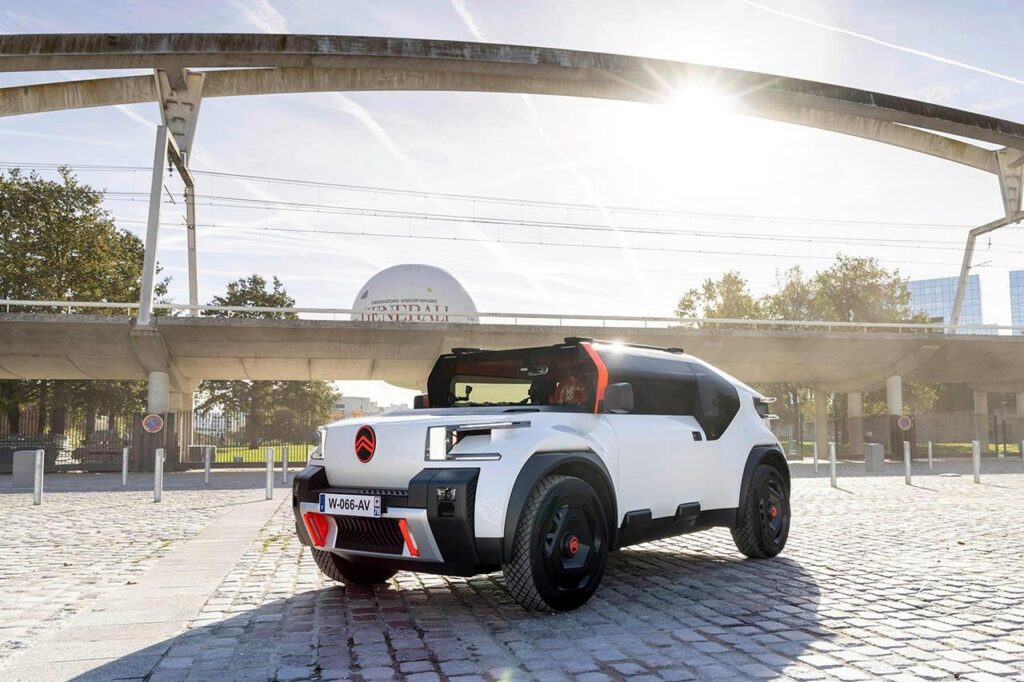
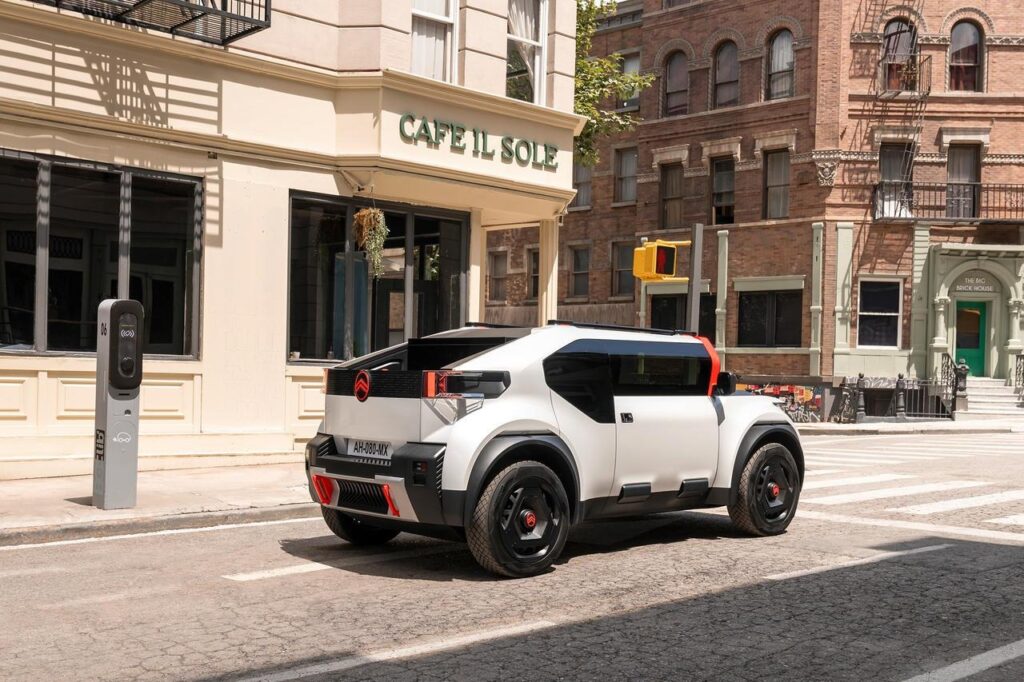
Launch of new vehicles on the Smart Car platform in February 2026: this step is essential for the large-scale production of future Stellantis models, in particular the C4’s replacement, which will benefit from this modular architecture. It will be taller and bolder than the current model, 70% inspired by the OLI concept unveiled in 2022, and will compete with the Dacia Duster, which is the leader in the affordable SUV segment in Morocco and Europe.
Growing production capacity: thanks to the Smart Car platform, the site will be able to produce up to 400,000 passenger cars a year, reinforcing its strategic role within the Group.
Strengthening the local ecosystem: the increase in local integration should attract more automotive-related suppliers and services, creating a knock-on effect for the entire Moroccan industrial fabric.
A site at the heart of the Stellantis strategy and electromobility
The development of the Kénitra site is more than just an assembly plant: it is part of a global industrial strategy combining the production of alternative energy vehicles, hybrid engines, recharging solutions and electric mobility devices.
The planned transfer of production of the future Citroën C4 illustrates the extent to which Morocco has become a centre of industrial attraction, capable of supporting large volumes while contributing to the Group’s competitiveness in European and African markets.