
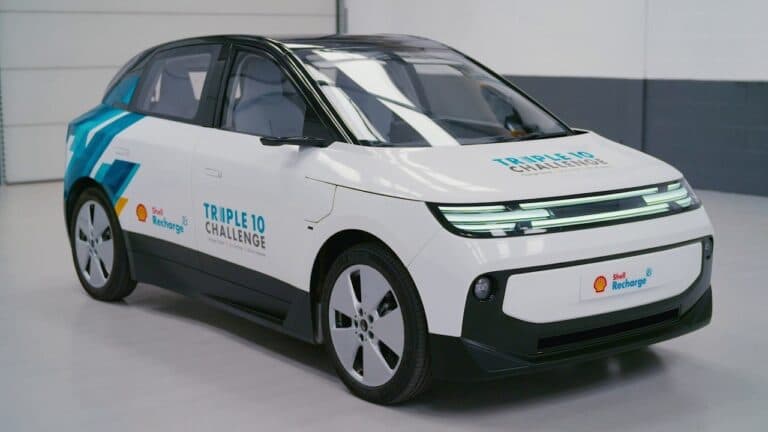



In Aachen, researchers at the PEM (Power Electronics and Machines) laboratory at RWTH Aachen, one of Germany’s leading technical universities, are developing a new generation of electric motors capable of operating without rare earths. Called NAFTech, the aim of the project is to design a compact, high-performance traction motor that can be industrialised, completely eliminating the need for neodymium- or dysprosium-based magnets. The project has a number of objectives: to reduce production costs, secure supplies of critical materials and reduce environmental impact.

Why do we want to do away with rare earths?
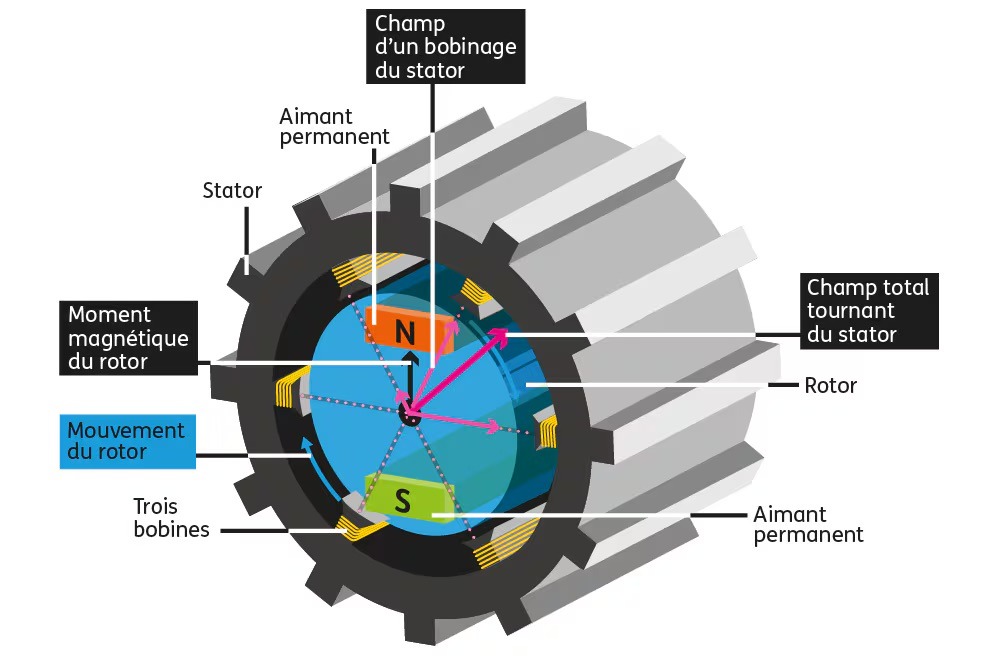
Today, the majority of electric vehicles use so-called « permanent magnet » motors. The problem is that these magnets are made from rare earths, magnets that enable the motor to achieve excellent power in a reduced volume.
This technological choice poses a number of problems:
- Rare earths are expensive, and their price can fluctuate wildly depending on geopolitical tensions and global demand. Neodymium and dysprosium, used in electric motor magnets, have seen spectacular price rises in recent years.
- Oil extraction is concentrated in a few regions of the world, creating a strong geopolitical dependence. Today, it is mainly located in China, which accounts for almost 70% of global production and controls the vast majority of refining capacity.
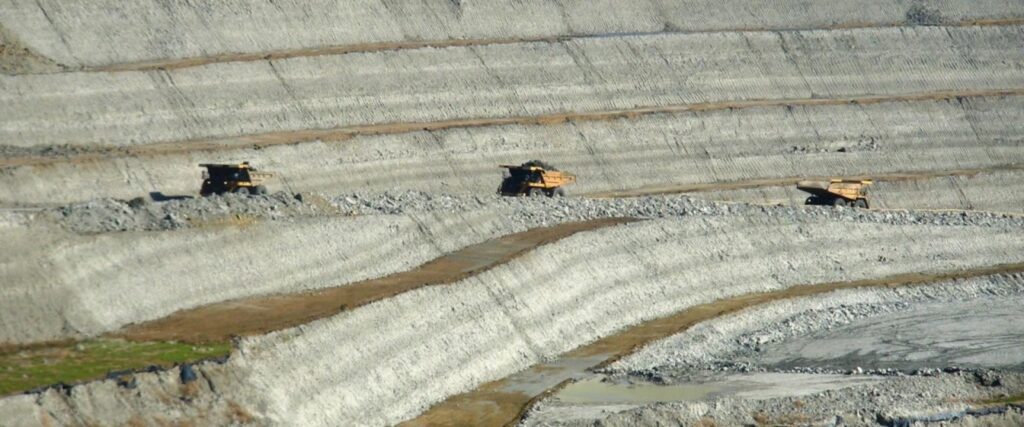
- The production of rare earths requires the extraction of large quantities of ore and complex chemical refining. These processes can generate toxic waste and polluting residues if they are not strictly controlled.
For manufacturers and equipment suppliers, this represents an industrial risk. This is precisely what the NAFTech project seeks to avoid.
As far as funding is concerned, we learn that the project is being financed over two years by the German Federal Ministry for Economic Affairs, an investment that seems appropriate given that the programme aims to offer a credible alternative suitable for mass production.
A different motor, without magnets
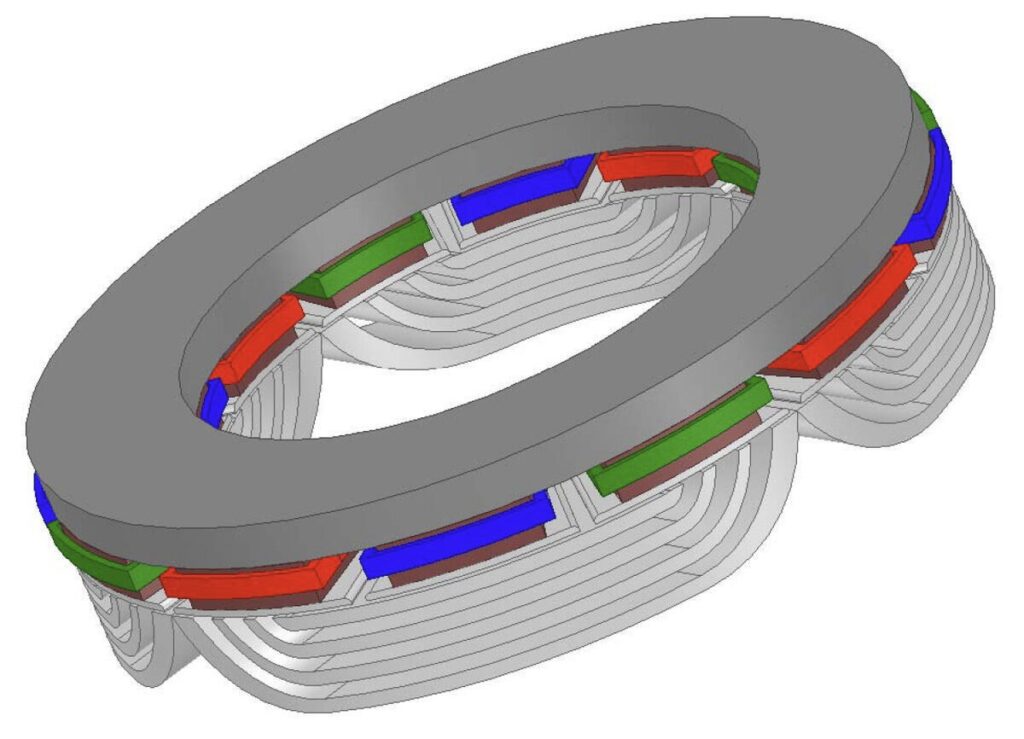
Instead of using permanent magnets, the team at RWTH Aachen is working on an architecture known as an axial flux reluctance synchronous machine. A complex name, but what does it change in practice?
In a conventional magnet motor, the magnetic field is generated by magnets integrated into the rotor. In the solution developed by NAFTech, the rotor contains neither magnets nor windings. The torque (the rotational force) is generated by the very shape of the rotor and the way in which the magnetic field circulates inside the motor. So it’s the geometry and control electronics that replace the magnets.
There are many advantages:
- Less dependence on critical materials.
- Lower raw materials costs.
- Better long-term industrial stability.
According to estimates by German researchers, this approach could reduce material costs by up to 50% compared with a magnet motor.
An industrial challenge first and foremost
As well as the technology, NAFTech is focusing on one key point: mass production. Axial-flow motors are still not widely used in the automotive industry, because their production remains complex. The aim of the project is therefore to integrate industrial constraints from the outset: simplifying the architecture, controlling manufacturing tolerances and developing processes compatible with high volumes.
The idea is to offer a solution that can be used not only by major groups, but also by smaller SMEs and equipment manufacturers, who are often more sensitive to variations in raw material prices.
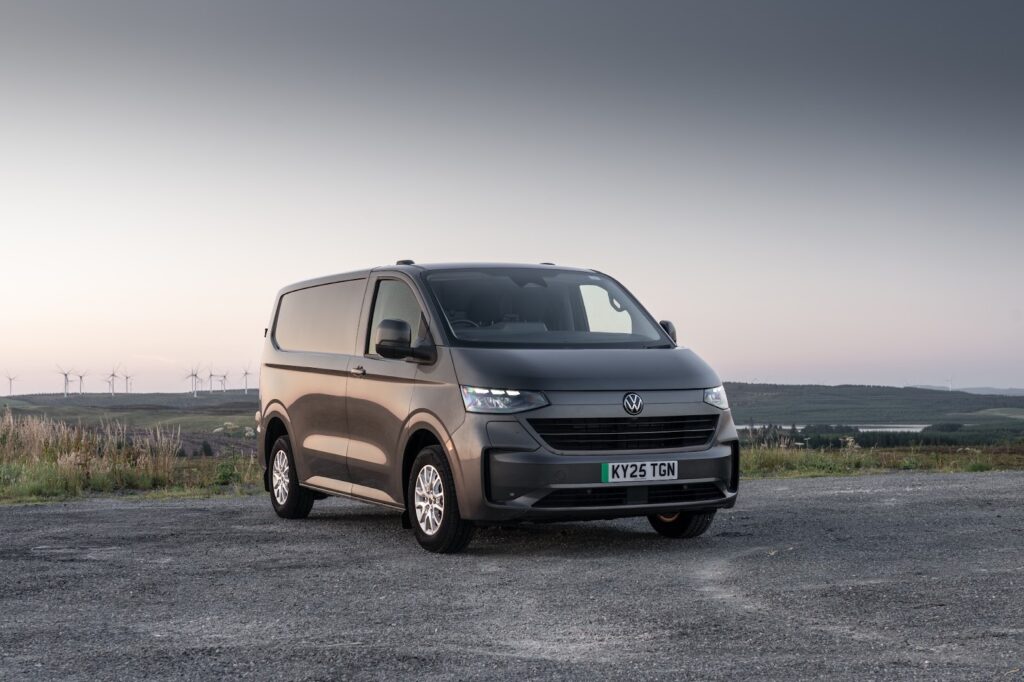
But when we talk about vehicle engines, we are thinking mainly of passenger cars. For this project, the PEM laboratory is already working on the electrification of commercial vehicles and heavy goods vehicles. A motor without magnets, which is robust and less dependent on international markets, could represent a relevant solution for these segments.
NAFTech, a key step for the European electrical industry
RWTH Aachen is more than just a laboratory exercise. The project is part of a wider strategy already underway with FEV to develop high-performance, modular ‘rare-earth-free’ powertrains.
The stakes are many: reducing material costs and securing supplies in the face of the volatility of rare earths, ensuring performance comparable to that of permanent magnet motors for light vehicles, commercial vehicles and heavy goods vehicles, preparing the industry for mass production accessible to both large groups and European SMEs, and reducing the ecological impact by limiting the need to extract and refine rare metals.
If NAFTech achieves its objectives, it could become a serious alternative to current motors, helping to make the e-motor value chain greener, more stable and more strategic for Europe.