



Norway has just made a major shift in world motoring history. The Nordic country now has more electric cars than diesel models on its roads. This revolution comes against a backdrop of record sales and decisive tax changes.
The figures published confirm a spectacular advance. The authorities and specialist associations are hailing a turning point that has been years in coming. However, this success is also based on a paradox linked to the country’s large hydrocarbon production.
A world first that marks a turning point for the automotive industry
Norway has become the first country in the world where electric cars outnumber diesel models. TheNorwegian Electric Vehicle Association counts 918,000 electric cars on the road, slightly more than diesel-powered vehicles. This symbolic milestone comes on top of another major one, as petrol models had already been overtaken by electric cars in mid-September. According to Christina Bu, General Secretary of the association, this development confirms the effectiveness of the policy pursued for several years. She also points out that the complete absence of VAT on electric vehicles will be maintained until 2027, thanks to a hard-fought political compromise.
This progress is based on a powerful policy of incentives, which has become a pillar of the national strategy. Electric vehicles benefit from a VAT exemption of 25% up to €42,500, which greatly reduces their purchase cost. The government wanted to abolish these benefits more quickly, but a political agreement has pushed back the deadline to 2028, with an intermediate stage in 2027. The prospect of tougher tax rules is providing a major boost to car purchases. Sales of electric cars have rocketed in recent weeks, confirming a trend that is already well established in the country.
An almost totally electrified car market
Norway has been recording almost 100% electric vehicle registrations for several months now. In November 2025, the country even reached a near-perfect level, with 97.6% electric vehicles out of 19,899 registrations. This figure represents an all-time record in terms of both volume and proportion. The contrast is striking, given that petrol, diesel and hybrid vehicles now account for only a marginal share of the market. This performance reflects a combination of factors, including end-of-year promotions and concerns about tax reform in 2026.
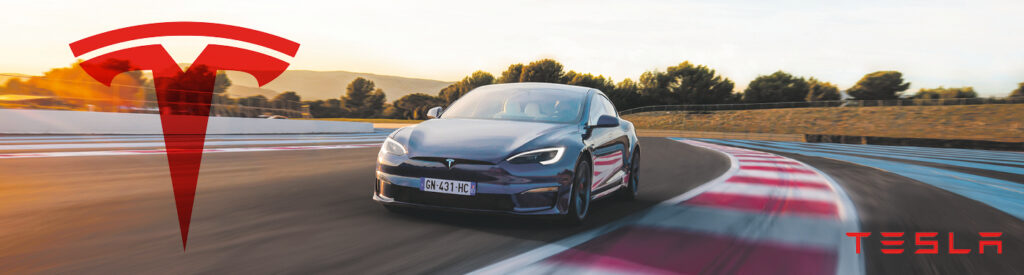
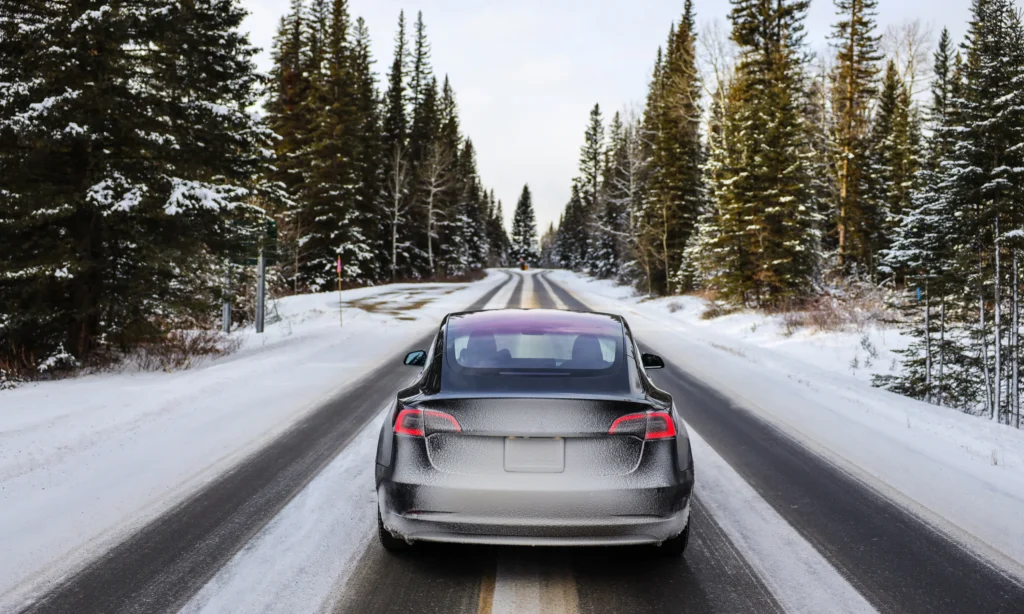
Tesla occupies a dominant position in this very dynamic market. The American manufacturer sold 6,215 vehicles in November, accounting for more than 31% of the month’s sales. It is ahead of Volkswagen, Volvo and BMW, who complete a podium largely dominated by electric models. Tesla also retained its top spot for the year as a whole, with more than 28,600 units sold. Despite the difficulties encountered in several European countries, the brand is enjoying considerable brand loyalty in Norway, and demand remains buoyant.
A transition made possible by oil revenues
Yet the Norwegian paradox remains visible. The country remains Europe’s leading producer of oil and natural gas, excluding Russia. This wealth of energy largely finances ambitious policies to support electric mobility. The immense revenues from hydrocarbons make it possible to offer tax incentives that are difficult to replicate elsewhere. However, this situation raises a number of questions. Norway is seeking to reconcile its role as a major producer of fossil fuels with a national strategy focused on reducing emissions.
This contrast also reflects the limits of a model based on the redistribution of oil revenues. The country is moving towards complete electrification of its car fleet, but continues to export hydrocarbons that are responsible for global warming. This contradiction regularly fuels political debate. However, the results achieved in the automotive sector demonstrate the country’s determination to reduce domestic emissions. The authorities have stated their ambition to become a world model for sustainable mobility.
An acceleration before a stricter fiscal future
The VAT reform debate is having a major impact on recent purchases. Many Norwegians are anticipating the tax changes expected in 2026. According to Geir Inge Stokke, head of the Norwegian Road Information Council, there is considerable concern about the planned increase in VAT. Motorists prefer to buy now to take advantage of current benefits. Carmakers are also benefiting from this trend. End-of-year promotions and a favourable economic climate are boosting demand.
The coming months will be closely scrutinised. Analysts are wondering whether the country can break the records already set. December sales could confirm this exceptional trend, or mark the beginning of a stabilisation. The deadline of 2028, when VAT exemptions are due to be abolished once and for all, will be a decisive step for the market. How consumers react to these changes will probably define the sector’s new trajectory.
A transformation that inspires but remains unique
Norway’s success is attracting international attention, but it is difficult to replicate. Few countries have the same financial resources or such a solid political consensus on the ecological transition. Norway benefits from a dense network of terminals, a powerful fiscal framework and a population that is highly aware of climate issues. The combination of these factors has produced exceptional results. Other nations are watching this development with interest, but have to deal with different economic realities.
Norway continues to lead the way in sustainable mobility. With electric vehicles now in the majority and sales almost entirely electrified, the country has confirmed its status as a world pioneer. This spectacular trajectory underlines the importance of public policy in the adoption of new technologies. It also shows that a massive transition remains possible when all the players are moving in the same direction.