

Renault is stepping up its transition to electric vehicles with a well-structured product offensive for 2026, in line with a strategy initiated several years ago. The French brand, with its strong European heritage, intends to reconfirm its legitimacy on the EV scene while responding to the growing pressure from global and Chinese players.
A year 2026 structured around two key areas
The year 2026, which has just begun, is synonymous for Renault with the launch of several new 100% electric vehicles covering both the urban segment and commercial vehicles:
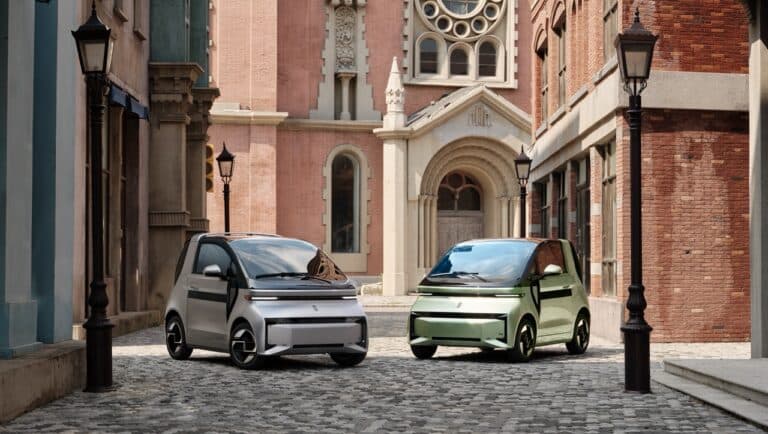
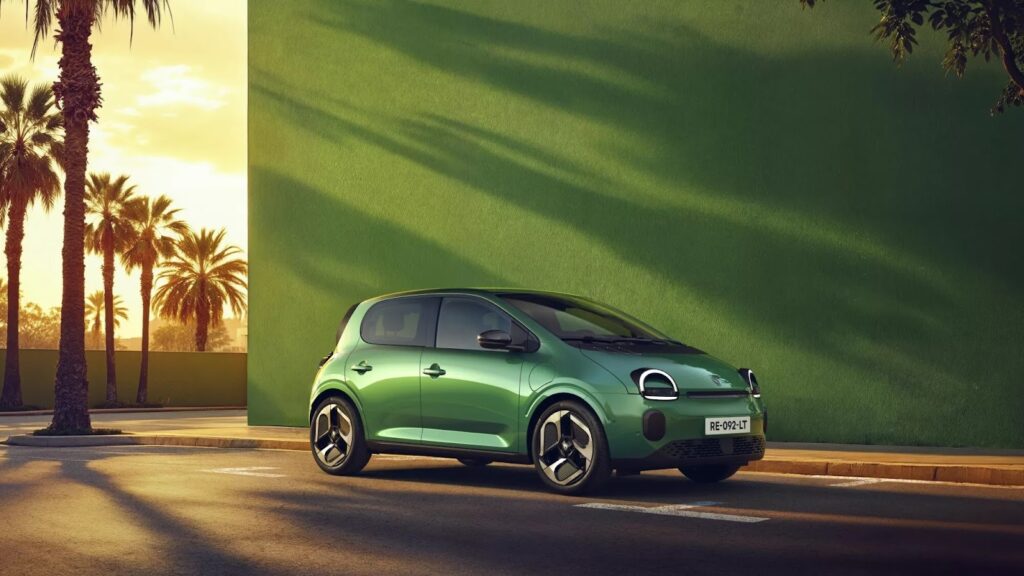
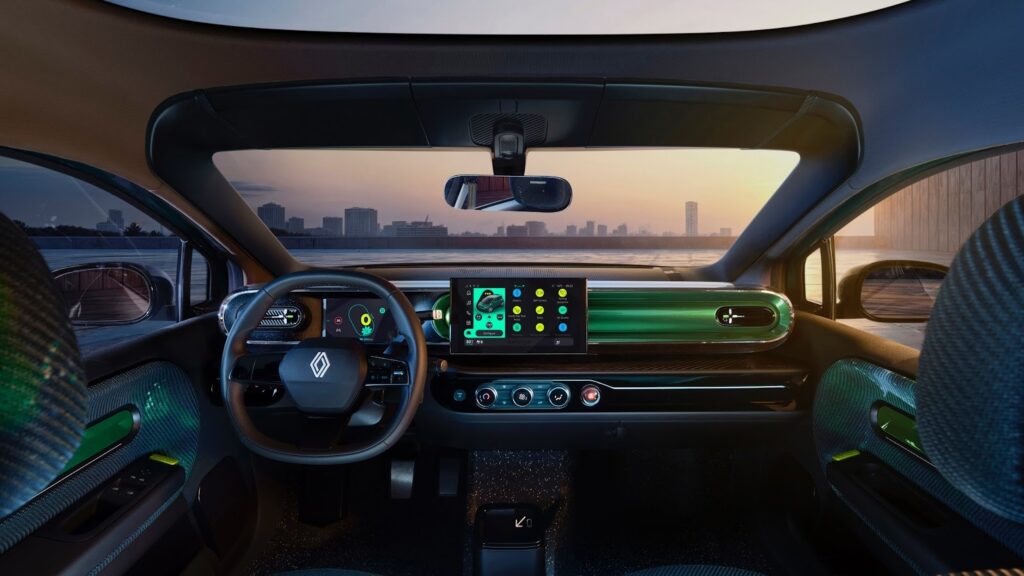
The return of the iconic Twingo E-Tech electric. The small city car is being reborn in a 100% electric version with a clear ambition: to offer an EV that is affordable at under €20,000 before subsidies, a rarity in the A segment in Europe. The city car will be produced from early 2026 at the Novo Mesto plant in Slovenia, with a WLTP range of around 260 km and modern features (connectivity, fast charging, driver assistance functions). The idea behind the French brand is to meet everyday urban needs.
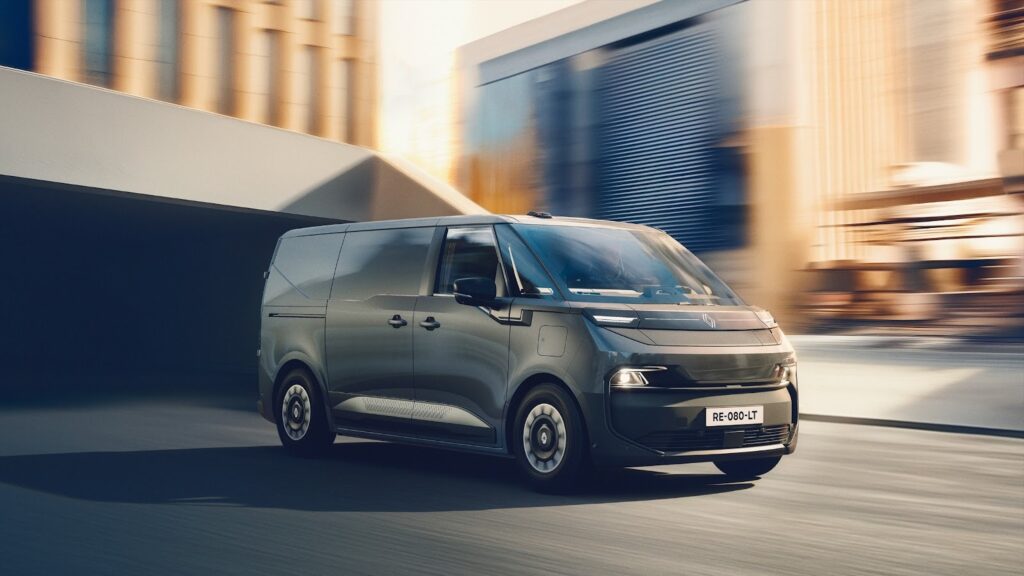
The other Renault vehicle to see the light of day is the Trafic E-Tech / FlexEVan on the electric LCV front. With this innovation, Renault is extending its range with 100% electric vans scheduled for 2026, designed for professional fleets and urban use. Based on the group’s latest EV platforms, these vans will incorporate advanced technologies and a software-defined vehicle configuration to optimise fleet management and day-to-day operations.
Market access facilitated by increased aid
Renault isn’t just betting on its vehicles: it’s also focusing on affordability. In 2026, the French government has renewed the enhanced CEE scheme. Thanks to the entry price of the Twingo E-Tech electric combined with various « Classic » and « Helping Hand » bonuses, the price of the latter will be reduced to around €13,750 for households on the lowest incomes. The brand’s commercial vehicles will also be eligible for various incentives from the start of the year.
A long-term electricity strategy
The products 2026 offensive is part of a longer-term strategic roadmap, supported by the Renaulution plan, which aims to give Renault a strong position in European and global electromobility.
- ElectriCity & batteries in Europe
Renault has consolidated its industrial capacity around the ElectriCity cluster in northern France, bringing together plants in Douai, Maubeuge and Ruitz to optimise EV production. Nearby, an AESC gigafactory in Douai produces competitive low-carbon batteries, with the aim of achieving a capacity of up to 24 GWh by 2030. A second Verkor site is planned to produce around 10 GWh of batteries from 2026, strengthening the Group’s industrial autonomy.
- In-house technologies and platforms
Renault is also pushing ahead with the development of proprietary electric motors, integrated power electronics solutions and dedicated platform architectures such as CMF-BEV to reduce production costs and improve the efficiency and competitiveness of its EV models. - Electric vehicle mix targets
The Group’s ambition is to have a sales mix with more than 65% electric and electrified vehicles by 2025, with a progression towards a predominant BEV mix by 2030, in line with European emission reduction standards.
A European perspective: Renault and the competition
In Europe, Renault’s efforts must be seen in the context of its main competitors:
Volkswagen Group, with a vast ID range and projects such as the ID.Polo, scheduled for 2026, remains a heavyweight in the European EV market. VW is counting on high volumes and a strong presence in all consumer segments.
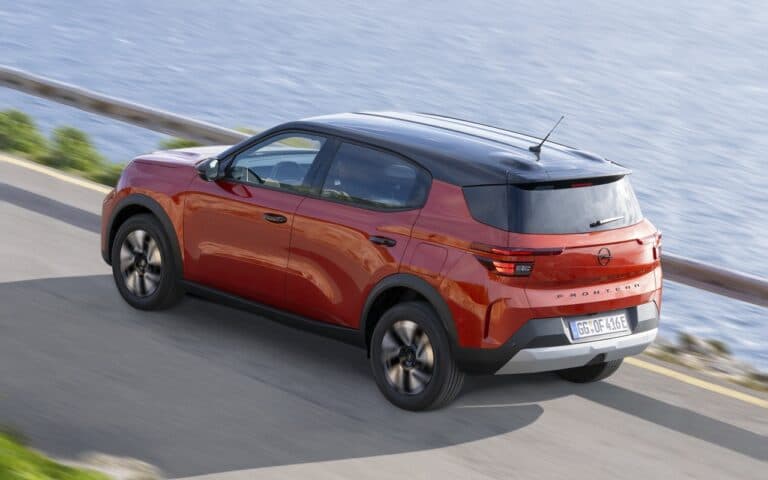
Stellantis (Peugeot, Citroën, Opel, etc.) is pursuing a more ‘mixed’ strategy, combining electric and hybrid technologies while targeting affordable light commercial vehicles and city cars.
Chinese players such as BYD are pushing European players to review their pricing and innovation strategies, particularly in the urban/very affordable segments, while at the same time creating partnerships (e.g. Renault-Ford alliance announced to develop small EVs from 2028).
Renault stands out for its product strategy covering city cars, SUVs and electric light commercial vehicles, and for its strong industrial integration in Europe, which gives it an advantage in the race for electrification on the Old Continent.
Conclusion
With 2026 as its pivotal year, Renault is setting its EV strategy on a clear course: a structured product offensive, easier economic access, strengthened industrial capacities and assertive European ambitions. With the Twingo E-Tech electric city car designed to make electromobility accessible to all, and LCVs to meet the needs of professionals, Renault is positioning itself as a major European player, ready to take on its rivals while continuing the profound transformation that has already been underway for several years.