






As 2025 draws to a close, French road safety continues to face a number of challenges. With the number of deaths on the rise in November and legislation tightened to an all-time high since 29 December 2025, the authorities are stepping up measures to reduce the number of road accidents. The question is: can EVs help to reduce the risks?
November 2025: a worrying upturn in road deaths
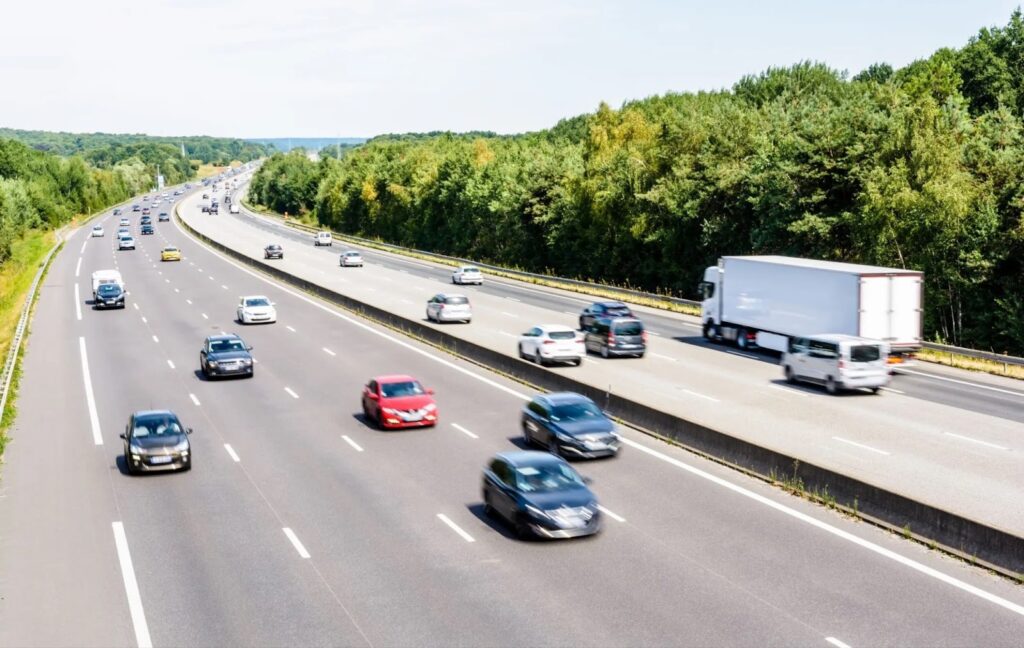
According to the latest figures from the Observatoire national interministériel de la sécurité routière (ONISR), 270 people were killed on the roads of mainland France in November 2025, compared with 266 in November 2024, an increase of around 2% over one year. In addition to these figures, there were 13 deaths in the French overseas departments and territories, bringing the national total for November to 283.
This increase puts an end to the fall in fatalities observed in October, and confirms worrying trends for several categories of road user. Young people under the age of 24 are particularly hard hit, with an increase in the number of deaths in this age group. Pedestrian fatalities were also up over the month, while those aged over 65 were down on the previous year. Geographically, fatalities fell in built-up areas but rose on roads outside built-up areas and on motorways.
In addition, over a 12-month rolling trend, road deaths are still on the rise, driven in particular by an increase in deaths among users of motorised personal mobility devices (PMDs), such as scooters.
In terms of serious injuries, November saw a slight fall, with an estimated 1,213 cases in mainland France, compared with 1,242 in November 2024, again according to the ONISR.
Speeding too fast becomes an offence
Faced with this situation, the authorities have decided to significantly tighten the legal framework. Since 29 December 2025, any speeding of at least 50 km/h over the authorised limit has been classified as an offence, rather than a simple fifth-class fine.

According to the press release from the French road safety authority, this measure has come into force following the publication of a decree in application of the law of 9 July 2025 creating road homicide and aimed at combating road violence and reinforcing the judicial response to the most dangerous driving behaviours.
From now on, offenders will face stiffer penalties:
- a penalty of up to three months’ imprisonment ;
- a maximum fine of €3,750;
- a criminal record ;
- suspension of driving licence for up to three years;
- possible confiscation of the vehicle;
- and the obligation to complete a road safety awareness course.
Until now, very excessive speeding was only punished by a fine, except in the case of a repeat offence.
The EV is a safety asset
In this context of the fight against road accidents, electric vehicles (EVs) have safety features that deserve to be highlighted. Several international studies confirm that driving an EV is safer overall than driving a combustion engine vehicle.
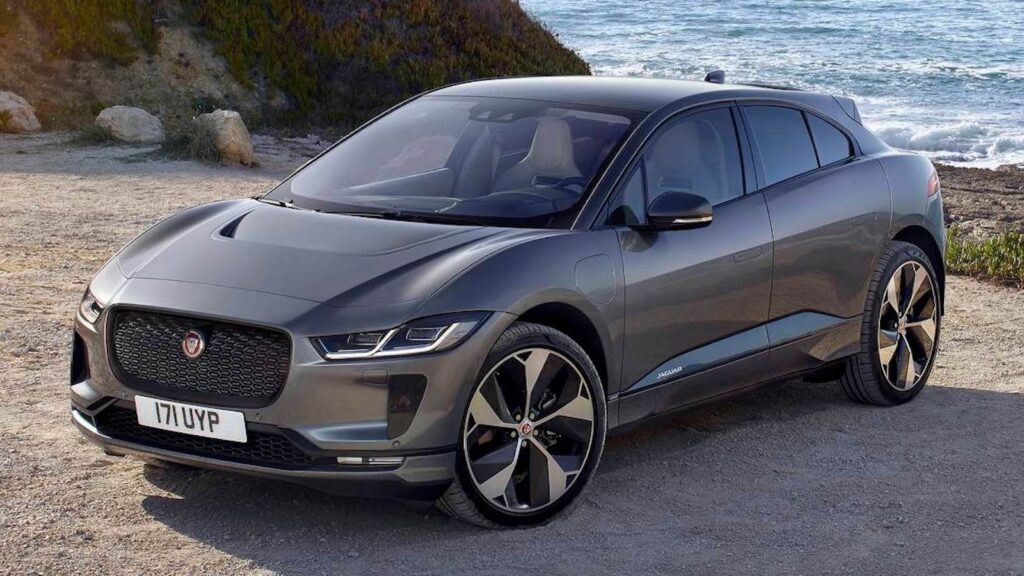
- Better impact protection
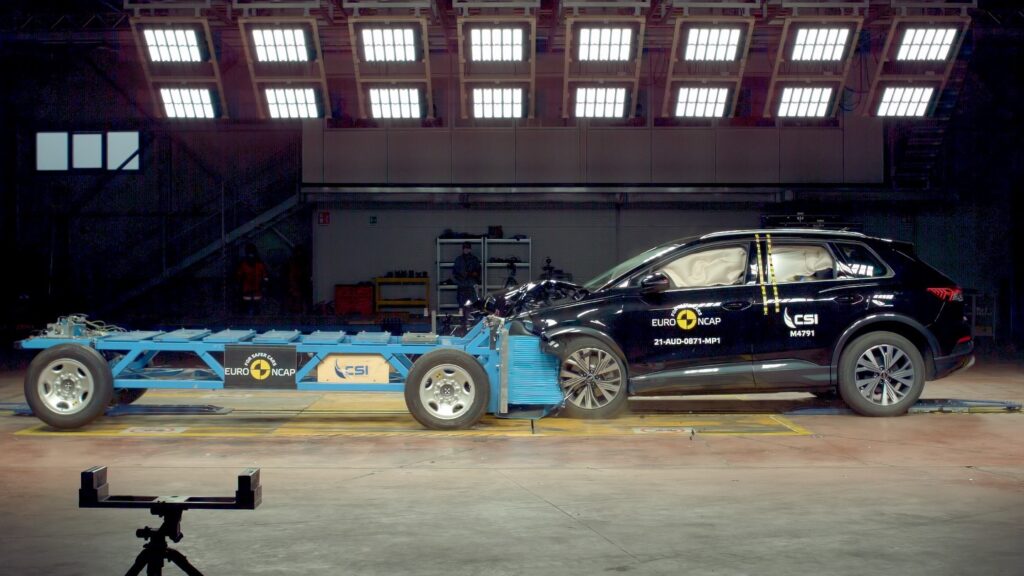
- EVs benefit from major structural advantages in terms of crashworthiness. Their lower centre of gravity reduces the risk of rollover, according to data from the National Highway Traffic Safety Administration (NHTSA) and the Insurance Institute for Highway Safety (IIHS). The absence of an internal combustion engine at the front of the vehicle means that deformation zones can be optimised to dissipate energy in the event of an impact, resulting in excellent crash-test performance. Many electric vehicles have been awarded a 5-star rating in euro NCAP safety tests.
- A Norwegian study of more than 500,000 vehicles shows that EVs are associated with 20-30% fewer fatalities in the event of a collision, a performance attributed in part to the standard integration of advanced driving aids such as automatic emergency braking (AEB).
- A much lower risk of fire
- Fires are much rarer in electric vehicles than in combustion vehicles. In the United States, the National Transportation Safety Board reports 25 EV fires for every 100,000 vehicles sold, compared with 1,529 for internal combustion vehicles. Specialist sources such as EV FireSafe estimate that the risk of fire is up to 80 times lower for EVs, thanks to the absence of flammable liquid fuel and sophisticated battery management systems (BMS).
A few nuances to consider
Some studies, such as a Dutch study of over 14,000 vehicles, note a slight increase in minor accidents for EVs (3.2% more), possibly linked to instant acceleration or more frequent urban use. However, the same data also showed a reduction in serious head-on collisions involving EVs.
Overall, the IIHS data for 2024 confirms that EVs have fewer injuries per kilometre travelled than combustion vehicles. This trend is set to strengthen as electromobility becomes more widespread and safety technologies continue to improve.
Conclusion: using technology to enhance safety
Faced with a rise in road deaths in November 2025 and tougher legislation, the electrification of the car fleet could help to improve safety on our roads. The intrinsic characteristics of electrified vehicles make them objectively safer than internal combustion engines.
While technology will never replace the individual responsibility of drivers or the need to comply with speed limits, it can nevertheless offer valuable additional protection. Road safety remains a major challenge requiring mobilisation on all fronts.