



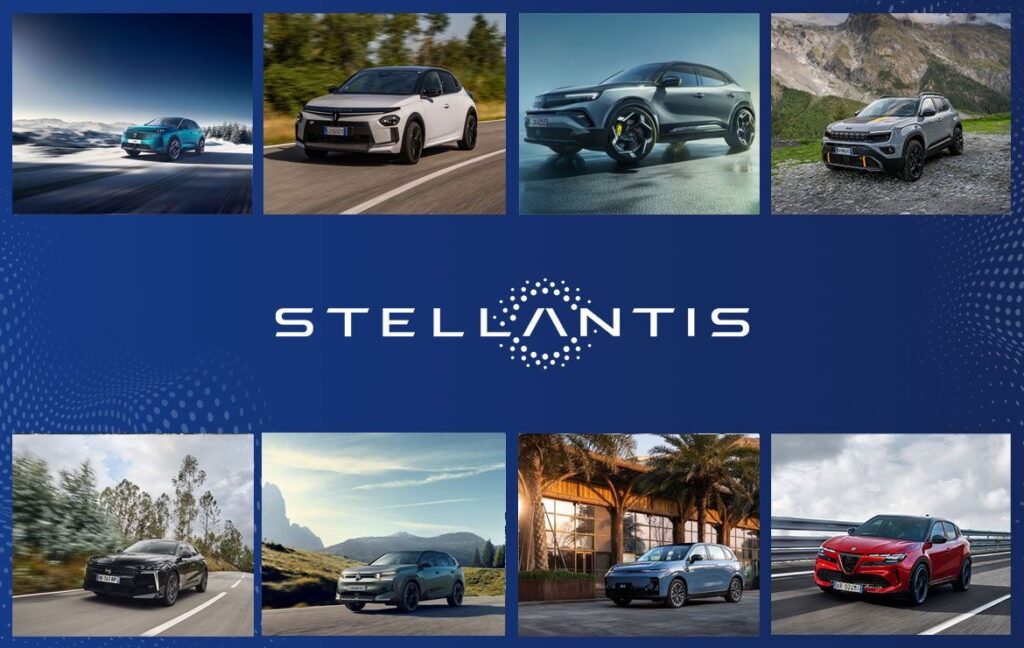
Whilst the car market remains fragile at the start of the year, one player is cementing its dominance. In a press release issued on 1 April 2026, Stellantis announced that it had taken the lead in the French market for the first three months of the year, across all segments: passenger cars, light commercial vehicles (LCVs) and the combined passenger car and LCV market.
In total, the group claims a market share of nearly 31% for the quarter, a level that allows it to maintain a solid lead in an environment that remains uncertain.
A proven leader despite a challenging market
The key takeaway from the start of this year is that Stellantis has maintained its leading position in France, with a balanced mix of passenger cars and commercial vehicles.
More specifically, the group boasts a market share of 29.4% in passenger cars and around 36% in light commercial vehicles, confirming its strong foothold in the commercial vehicle sector.
This performance should be viewed against the backdrop of an overall decline. The French market remains on a downward trend, continuing the pattern seen in recent months. Indeed, the French car market has fallen by a further 2.1% compared with 2025, despite a slight rebound in March (+12.9%).
In this context, Stellantis emphasises the strength of its market position. “Stellantis has confirmed its leadership with a market share of nearly 31% in the first three months of the year. We are the market leader in transition
energy technologies, with a dominant position in hybrid powertrains, and we hold the top spot in the 100% electric passenger car market,” says Xavier Duchemin, Managing Director of Stellantis France.

Electrification and hybrid vehicles as drivers of growth
Beyond the figures, the press release highlights a key point: the group’s positioning in the field of electrified powertrains.
Indeed, Stellantis claims to be a leader in hybrid vehicles, as well as the market leader in fully electric passenger cars. The figures clearly illustrate this, as Stellantis holds a 24% market share in this segment.
A dual strategic approach, at a time when the market remains divided between a gradual transition (hybrid) and a shift towards all-electric vehicles.
Key models that remain well-positioned
And the reason the group continues to perform at this high level is that it relies on a broad range of models that enjoy a strong presence in the French market. Indeed, several of the group’s vehicles regularly feature in the top 10 best-sellers, namely:
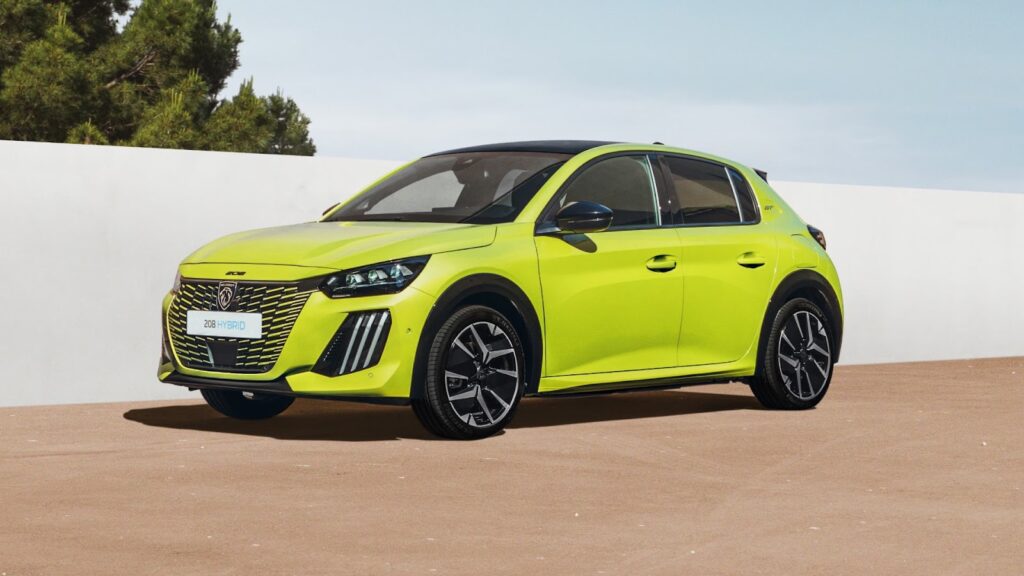
- Peugeot 208
- Peugeot 2008
- Peugeot 3008
- Peugeot 308
- Citroën C3
Models that enable the group to remain highly competitive in the retail market, which is obviously a key strategic focus in the race for sales.
Brands that drive performance
This momentum is largely driven by the performance of the group’s various brands, which are generally on an upward trajectory. The press release provides detailed statistics on these manufacturers.
As for Peugeot, the brand has reaffirmed its position as a mainstay. It leads the hybrid powertrain market across all segments (passenger cars, light commercial vehicles and a combined total of both) and dominates the SUV market, with the 2008, 3008 and 5008 topping their respective categories. It also has several models in the top 10, including three in the overall market and four in the B2B segment.
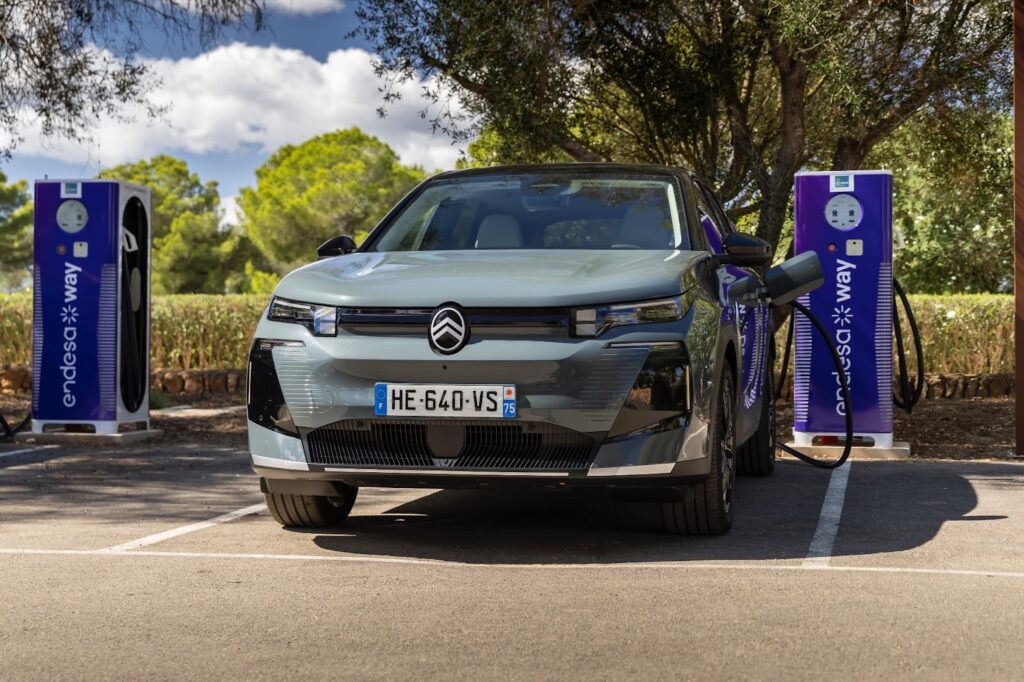
Citroën, for its part, continues to make headway. In March 2026, the brand ranked third in the French market, with sales volumes up by 20% and a particularly sharp rise in electric vehicle sales (+68%). Over the quarter, it consolidated its third-place position with a 9.2% market share, driven in particular by the growing popularity of the C3 Aircross and C5 Aircross.
At Fiat, momentum remains strong, with growth of 44% since the start of the year. City cars are performing particularly well (up 45% in passenger cars), whilst the brand has achieved a 7.2% market share in light commercial vehicles, up 1.2 percentage points.
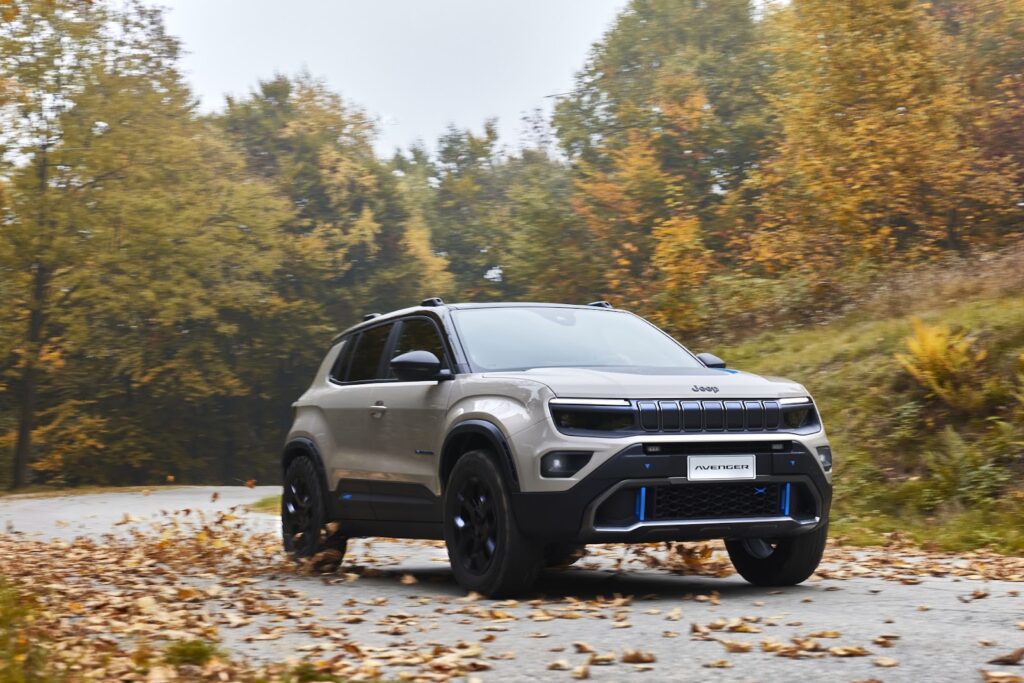
Jeep has also seen growth, with registrations up 4.5% in March. The rise of its electric range is continuing, with a 49% increase in sales of fully electric models, driven in particular by the electric Compass and the Avenger.
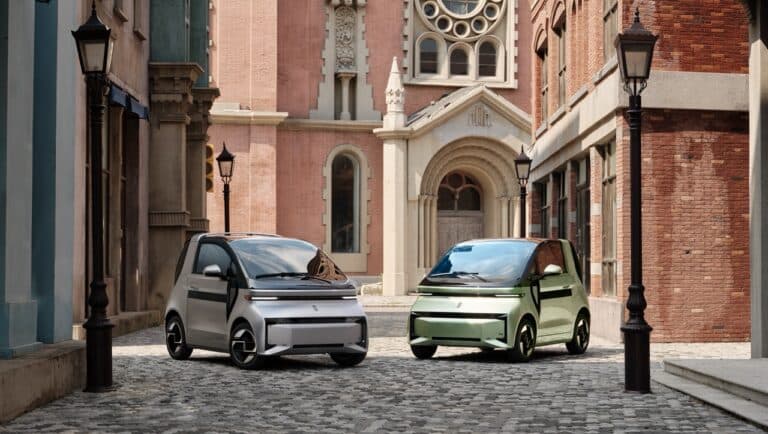
Finally, Leapmotor is significantly stepping up its expansion. The brand recorded 594 registrations in March, an increase of 88.5% year-on-year, and achieved a 1.1% share of the electric vehicle market.
Commercial vehicles: still a strategic pillar
Another key strength highlighted by the group is its dominance in the commercial vehicle sector.
“Stellantis Pro One has once again established itself as the leader in commercial vehicles,” says Xavier Duchemin.
With a market share of nearly 36%, the group is cementing its key role in the commercial vehicle sector, a strategic segment at a time when fleets need to accelerate their transition to electric powertrains, particularly in response to Low Emission Zones (LEZs).

A trend to be confirmed
The start of 2026 thus confirms Stellantis’s strong position in the French market, with a strategy based on the diversity of its brands, its focus on hybrid and electric vehicles, and its dominance in the commercial vehicle sector.
It now remains to be seen whether this momentum can be sustained in a market that remains unstable, amid pressure on prices, the energy transition and changing consumer habits.