





On 22 December 2025, the Union Française de l’Électricité (UFE) officially published its « Plan d’électrification des usages », a strategic roadmap containing more than 50 measures aimed at making electricity the linchpin of France’s energy transition. A significant number of these measures relate directly to electromobility, from driver training and the adoption of electric vehicles to recharging infrastructure and the second-hand market.

Who is UFE and why this plan?
UFE is the trade association that brings together the players in the electricity sector in France, including producers, grid operators, electricity suppliers and energy service providers. Its mission is clear: to promote electricity as the low-carbon power solution to meet the country’s energy, economic and climate challenges.
This plan is part of the very serious reflection on the Pluriannual Energy Programme (PPE3) and the National Low-Carbon Strategy (SNBC3), which are strategic documents designed to guide French energy policy up to 2030 and beyond. The PPE3 and SNBC3 were due to be adopted in 2025, but at this stage the strategic framework has not yet been finalised.
UFE would like to see the electrification of uses, including transport, placed at the heart of public decisions and national investments.
A turning point for electromobility?
Electromobility is a key vector in the energy transition, but it still faces structural obstacles in France: access costs for low-income families, fragmented support, lack of clarity when it comes to installing charging stations, and a second-hand market that is still unstructured.
UFE intends to respond to these challenges with a proposal for measures that outline a coherent vision for accelerating the adoption of electric vehicles. Here are those that directly concern this subject.
1. Electric driving licence: a gateway to EV
UFE is proposing the widespread introduction of an « electric driving licence », a concept that may seem harmless but has a well-thought-out logic behind it. The idea is to incorporate specific modules on electromobility (driving, recharging, efficiency) into the driving licence course, while reducing costs for the instructor thanks to the savings made by using an EV rather than a combustion vehicle, which is more expensive and polluting.

Specifically, the association recommends :
- require driving schools to offer driving licences for electric vehicles;
- to link this licence to subsidised vehicles (for example via a zero-interest loan);
- extend support to include the leasing of a first EV, thereby reducing the outlay for low-income households.
This measure is intended to be both an incentive and an educational tool: it aims to standardise the use of electric vehicles from the moment drivers learn to drive, creating a generation of drivers who are more familiar with these technologies.
2. Creating an accessible market for social leasing of electric vehicles
In the publication of its plan for the electrification of uses, UFE calls for the introduction of a multi-year trajectory for social leasing for EVs from 2026. In practical terms, this measure is proposed to give visibility to players in the sector and encourage the financing of electric mobility solutions accessible to the most modest households.
The aim is twofold:
- Encourage access to zero-emission vehicles without relying on immediate purchase, which is often costly;
- Create a socially inclusive operational leasing market, which could become a powerful lever for accelerating the penetration of EVs in both urban and rural areas.
3. Supporting the second-hand market
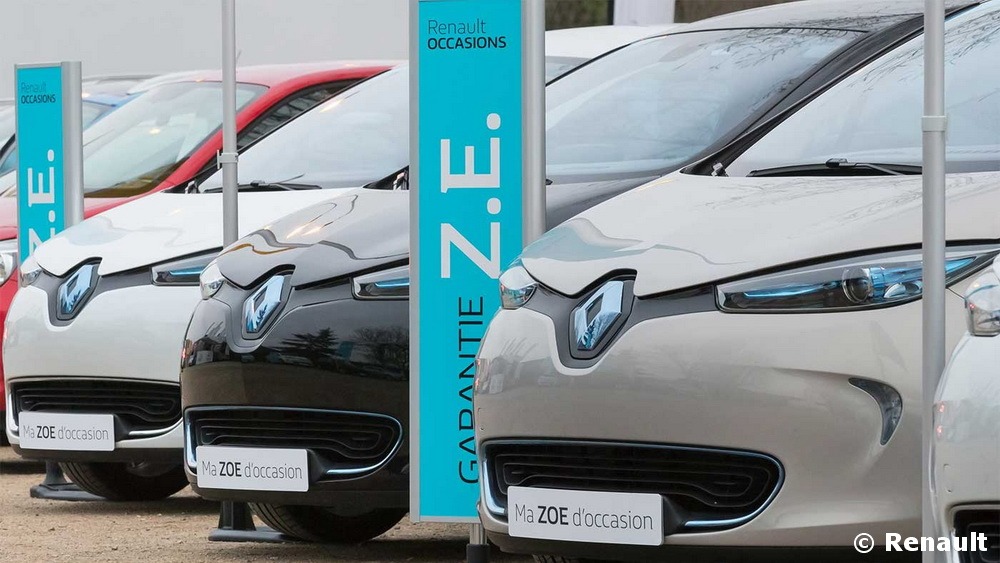
UFE points out that 85% of cars sold in France are sold on the second-hand market, a segment that is often neglected by public policy. As part of the drive for greater electrification, the association is proposing to launch working groups dedicated to structuring the second-hand market for EVs, with a particular focus on educating people about the condition of the battery.
This could reduce uncertainty for potential buyers and develop standardised valuation mechanisms, making the purchase of a second-hand electric car more attractive and less risky.
4. Extended sustainable mobility package
Yes, the sustainable mobility package, a tax scheme introduced by the French government to encourage less polluting modes of transport for home-to-work journeys, already exists to encourage cleaner behaviour (cycling, car-pooling, public transport).
But UFE wants to go further by extending the scheme to include journeys made in individual electric vehicles. With the democratisation of charging points in company car parks, this is an appropriate solution for democratising low-carbon vehicles.
5. Charging stations
Obviously, as we at ECO MOTORS NEWS reiterate, if an electromobility revolution is to succeed, it must be accompanied by an appropriate recharging network. On this point, UFE proposes several avenues:
- Support the installation of home-controlled terminals;
- Linking the purchase of an EV to information on the support available for the installation of a charging point;
- Accelerate the deployment of charging points in condominiums, in particular by making a feasibility study mandatory for every general meeting of condominium owners;
- Train co-ownership associations in the management of recharging infrastructure.
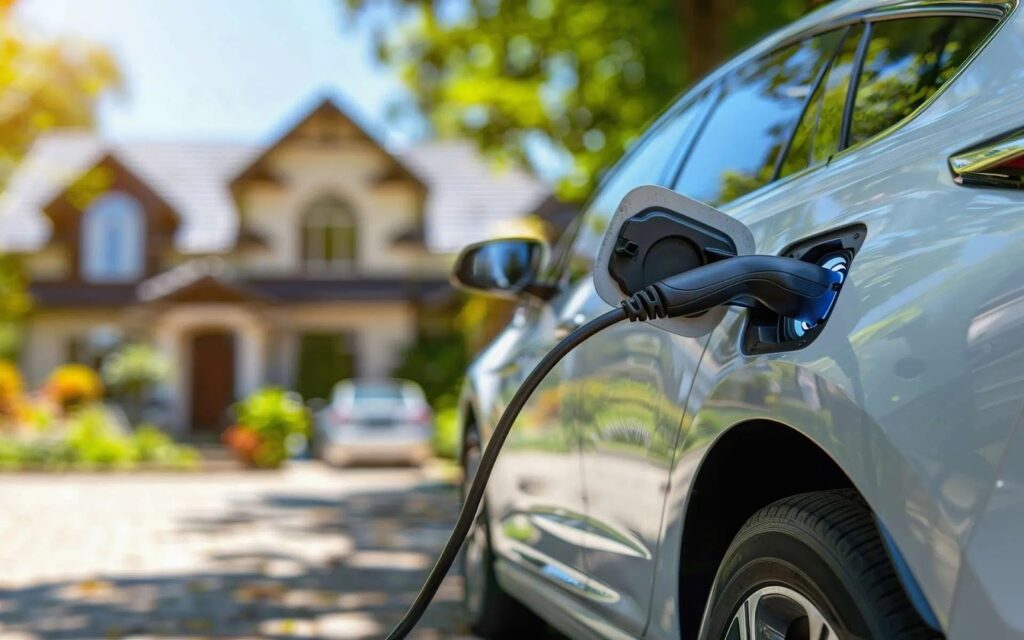
It’s a direct response to the administrative and technical obstacles that continue to slow down the uptake of home equipment, the main place where the French recharge their batteries.
A logical plan, but still consultative
UFE’s electrification plan is strategic and ambitious on paper, incorporating a global vision that goes beyond simple financial incentives to address education and market structuring.
However, the plan remains a contribution and a technical and political proposal that is simply subject to government arbitration and integration into the texts of the EPP3 and the SNBC3.
It remains to be seen whether the government will follow this roadmap, as its practical impact will depend on how these proposals are translated, or not, into operational public policies, particularly in the face of budgetary constraints and competing priorities (housing, industry, networks).