


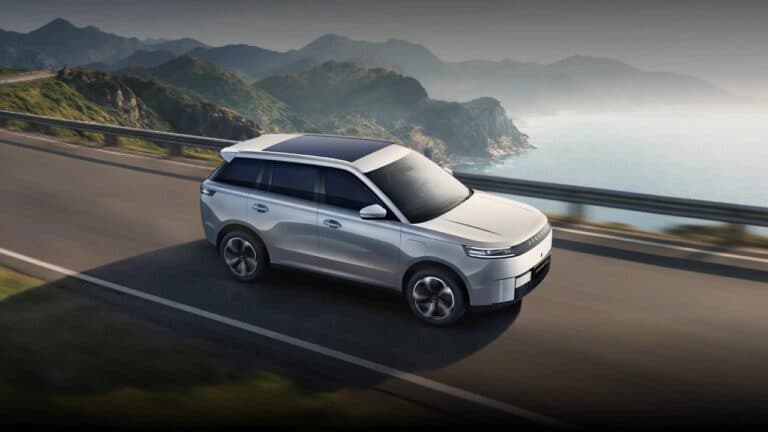


In the UK, sales of electric vehicles continue to rise, supported by the ZEV Mandate quotas, but the roll-out of public charging points is struggling to keep pace. While the total number of charging points is growing every year, the slower pace of installation and regional disparities raise questions about the network’s ability to keep pace with the growth in EV use, particularly for private customers and long-distance journeys.
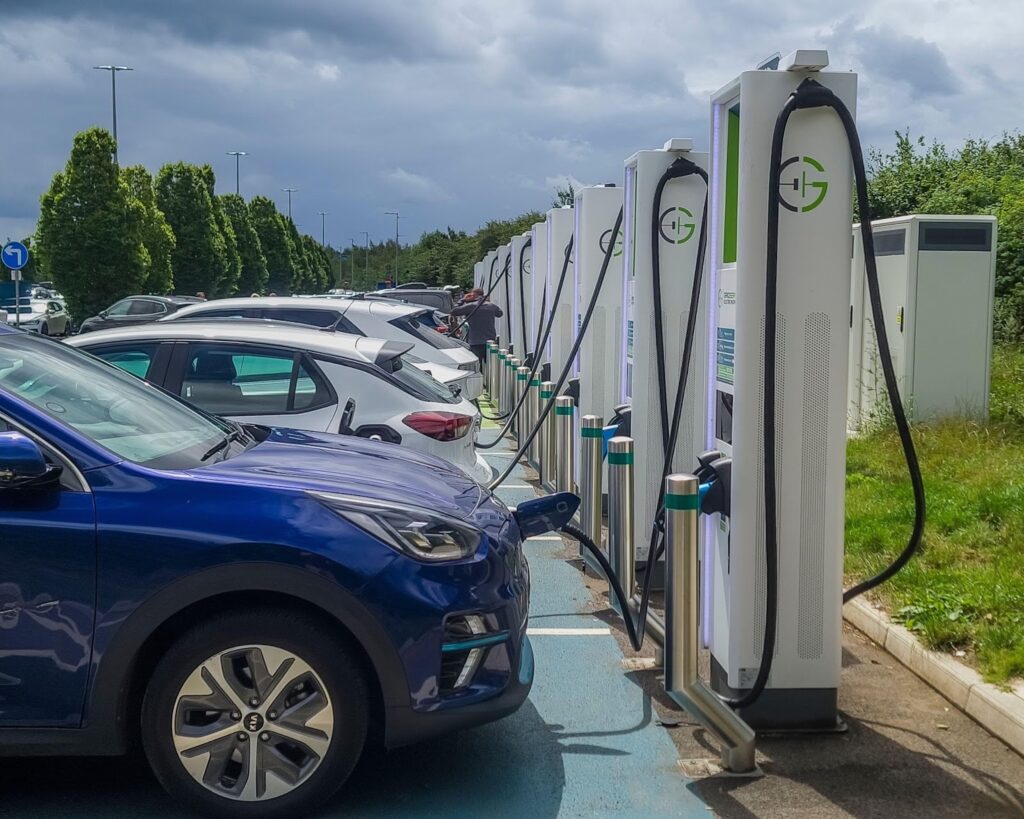
A network that continues to grow… but at a slower pace
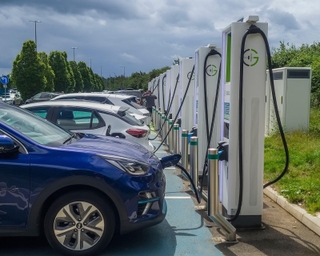
In the UK, the roll-out of electric vehicle (EV) charging points is still progressing in 2025, but at a slower rate than the adoption of vehicles themselves. According to the latest data from The Guardian, the pace of installation has slowed markedly this year, with just 13,500 new public chargers installed between the end of 2024 and the end of November 2025, compared with stronger growth in previous years. This brings the total public network to around 87,200 charging points by the end of November 2025, an annual increase of around 18%, the lowest since 2022.
Strong growth in EV sales
In the UK, electric vehicles account for a growing share of the market. In fact, according to registration statistics, EVs accounted for almost 23% of new car sales in the first 11 months of 2025, compared with around 19% in the same period the previous year. A fine progression, then, for this emerging market, which is becoming increasingly important.
European manufacturers are leading the charge: BMW has 34.4% of BEV sales, Mercedes-Benz 36.6%. The Tesla Model Y (18,310 units) and Model 3 (16,605) dominate the sales rankings for the first nine months.

Fast infrastructure still inadequate
It’s true that the roll-out of charging points is slowing down. But the market is growing. According to Zapmap, there were already more than 87,200 charging points on the network at the end of October 2025, an increase of around 23% over one year. While there has been an increase in the number of so-called fast and ultra-fast chargepoints, which are essential for long-distance journeys, they remain a fraction of the total, still limiting the ability to make long electric journeys, and so British drivers are still not completely convinced about adopting an EV.
According to the latest data from The Guardian, the pace of installation has slowed markedly this year, with just 13,500 new public chargers installed between the end of 2024 and the end of November 2025, compared with stronger growth in previous years. This brings the total public network to around 87,200 charging points by the end of November 2025, an annual increase of less than 20%, the lowest since 2022.
Major regional disparities
The geographical disparities are still glaring: some urban areas, such as London, are home to 22,211 public pay stations (250 per 100,000 inhabitants), 2.3 times the national average of 108 per 100,000.
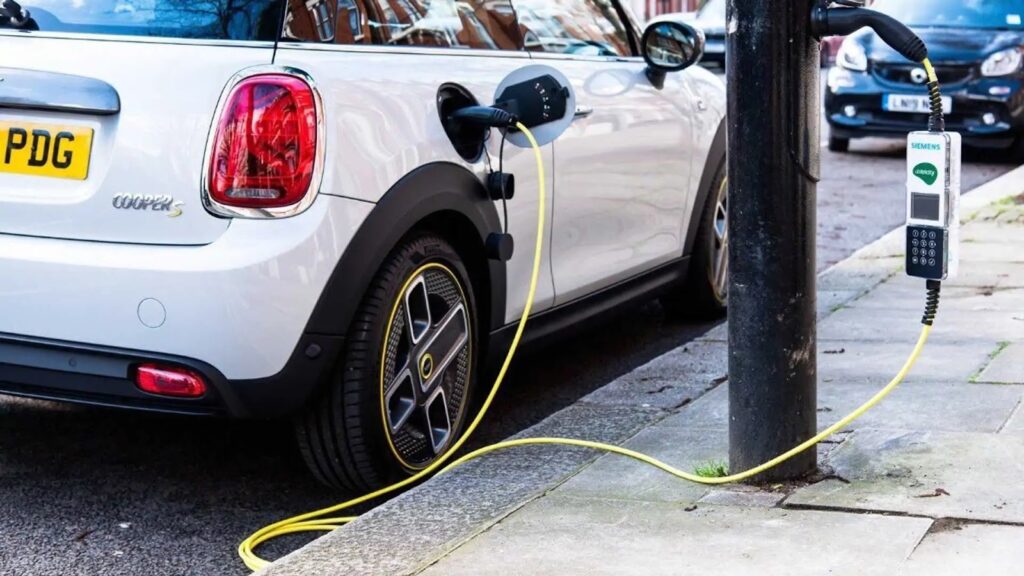
Conversely, regions such as Northern Ireland have a ceiling of 36 charging points per 100,000 inhabitants. On motorways, only a third of service areas have at least six ultra-fast chargers.
These differences may influence consumer confidence and limit the adoption of EVs outside major cities.
The role of the ZEV Mandate
In this context, public policy plays a key role. The Zero Emission Vehicle (ZEV) Mandate, designed to push manufacturers to sell more zero-emission vehicles, continues to support the growth of EV sales in the UK, although the implementation and political signals around this policy may create some uncertainty for infrastructure investors.
The introduction in July 2025 of theElectric Car Grant, offering up to £3,750 cashback on new cars under £37,000, has undeniably boosted the market. More than 40 models are now eligible, considerably widening the choice for buyers.
A crossroads for electric mobility
The UK is at a pivotal point in its transition: EV sales continue to grow, but the public network needs to keep pace to ensure continued uptake, particularly for consumers and in rural areas. The next few months will be crucial in determining whether the roll-out of charging points can accelerate and sustainably support the rise of electric cars.