





The UK is approaching the end of 2025 as one of Europe’s most advanced markets for electromobility, with a high share of the electric market, an ever-growing recharging infrastructure and a policy framework now structured around the ZEV mandate, but still with real obstacles in terms of purchase costs, future taxation and regional disparities.

Market and sales volumes
For once, the UK market accelerated in 2025. Between January and the end of November 2025, no fewer than 426,000 100% electric cars (BEVs) were registered in the UK. This significant figure represents an increase of 26% compared with 2024, giving EVs a 22.7% share of the new car market. Number of cars on the road: around 1.75 million 100% electric cars, or 5.2% of the 34 million cars on the road in the UK.
In terms of hybrid technology, 208,000 PHEVs were sold over the same period last year, for a market share of just over 11%. As for HEVs, 260,000 new vehicles were registered, representing a market share of 14.0%.
For electric light commercial vehicles (LCVs), although public data remains patchy for the year 2025 as a whole, monthly statistics from the SMMT (Society of Motor Manufacturers and Traders) show a sharp rise in sales of electric vans, with around 27,000 registrations to the end of November, representing an increase of almost 45% over one year.
Number of charging points and recharging network
Charging infrastructure has grown significantly since 2020, with a clear political target of 300,000 public charging points by 2030. It’s an ambitious target, but one that still seems a long way from being achieved. In fact, at the end of November 2025, the UK had more than 87,000 public charging points, with a dense but still very uneven network between regions. These solutions are spread over 44,326 separate sites and offer a total of 121,364 connectors. The average density is 127.3 chargepoints per 100,000 inhabitants, but there are wide variations, reflecting the fact that access is still very patchy. In London, for example, there are 300.8 terminals per 100,000 inhabitants, compared with 38.6 in Northern Ireland.
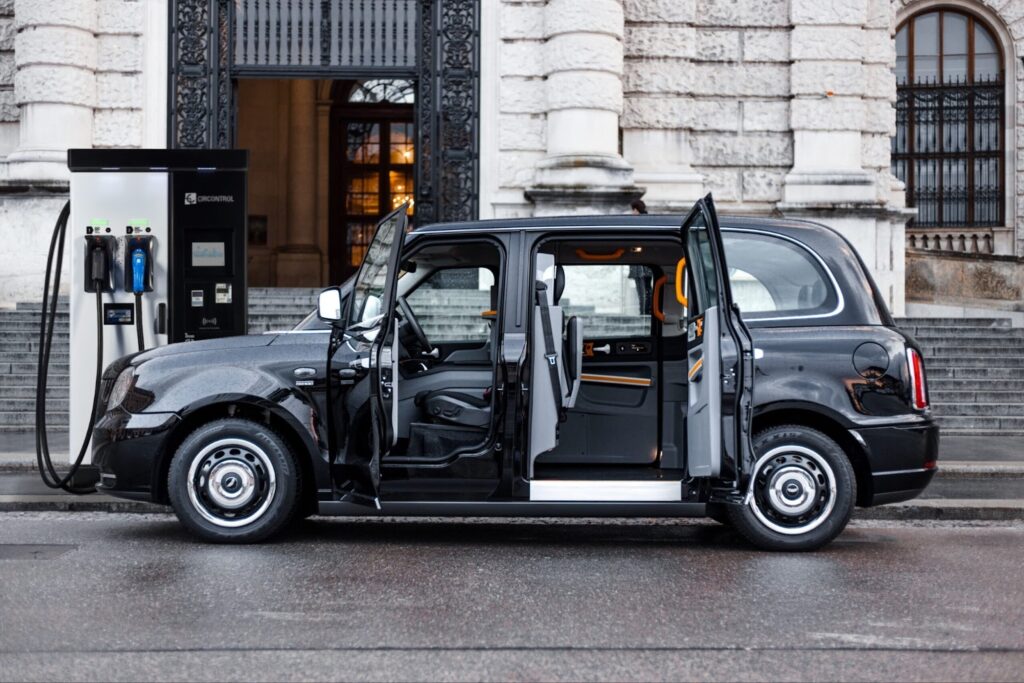
In 2025, 13,469 chargepoints were added across the country, including 6,220 slow chargepoints and 3,358 fast or ultra-fast chargepoints. Although this figure is significant and represents an annual increase of around 18%, it is the smallest increase since 2022.
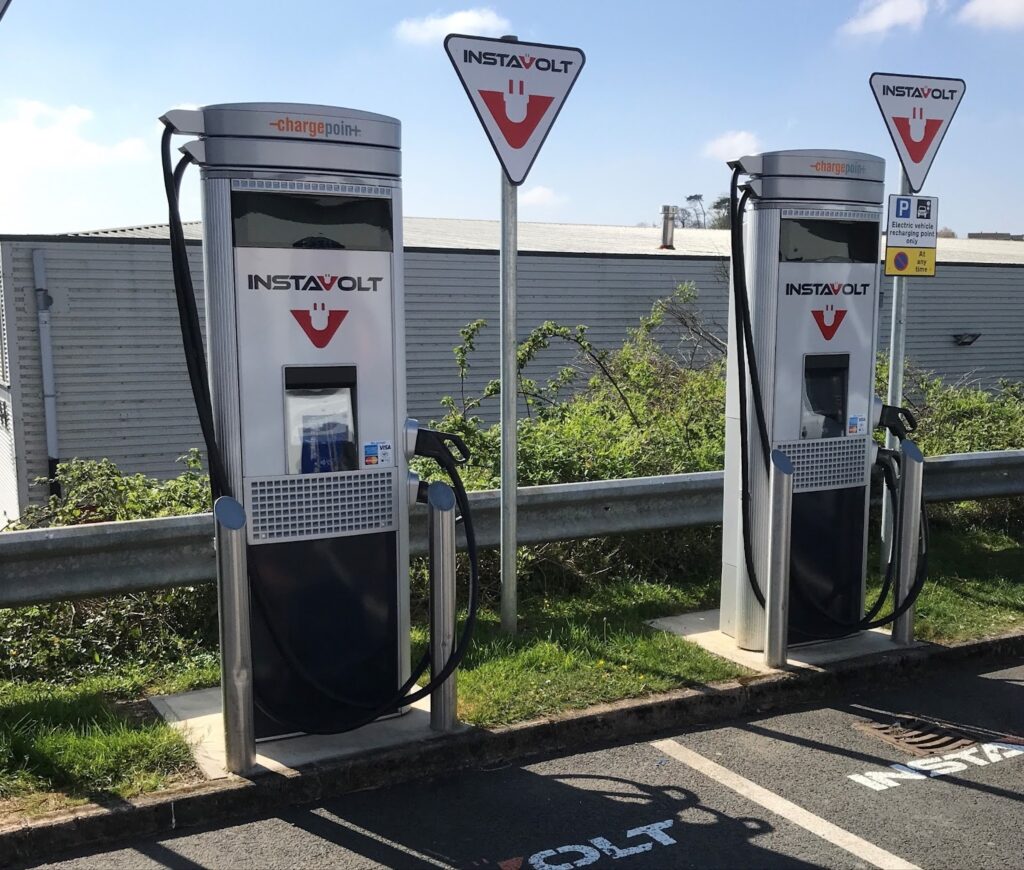
The major private operators now dominate the fast-grid landscape: InstaVolt (2,169 fast/ultrarapid kiosks), Tesla (2,026) and Osprey (1,351) make up the top three by the end of 2025.
Public policy, aid and taxation
With the aim of developing this market as effectively as possible and enabling EVs to become more widely available, legislation and incentives have been introduced. The UK framework is based on two pillars: a tight regulatory mandate for manufacturers (ZEV mandate) and targeted subsidies, notably relaunched in 2025 with a new « plug-in grant ».
- ZEV mandate: the regulatory framework imposes on manufacturers a target of 28% sales of 100% electric vehicles by 2025, with a gradual trajectory leading to the end of sales of new combustion engine cars within the decade. By autumn 2025, the market share of BEVs was around 26%, slightly below this overall target, even though the scheme provides flexibility mechanisms for manufacturers.
- Plug-in Grant 2025: a new purchase aid for electric cars was relaunched in the summer of 2025, with a twelve-month extension announced as part of the budget presented by Chancellor Rachel Reeves. The grant is deducted directly from the purchase price at the dealership.
- Additional support: the scheme is complemented by OZEV grants for the installation of home and business charging points, as well as funding programmes dedicated to local authorities, in particular the LEVI fund for the local deployment of infrastructure.
- Taxation: the planned end of the exemption from Vehicle Excise Duty (VED) for electric vehicles is fuelling questions about the economic attractiveness of electric vehicles in the medium term, particularly for households.
Top-selling models and industry players
In terms of sales and best-selling models, the market is still dominated by the major global generalists rather than by national manufacturers, but the UK ecosystem has specialised in recharging and services.
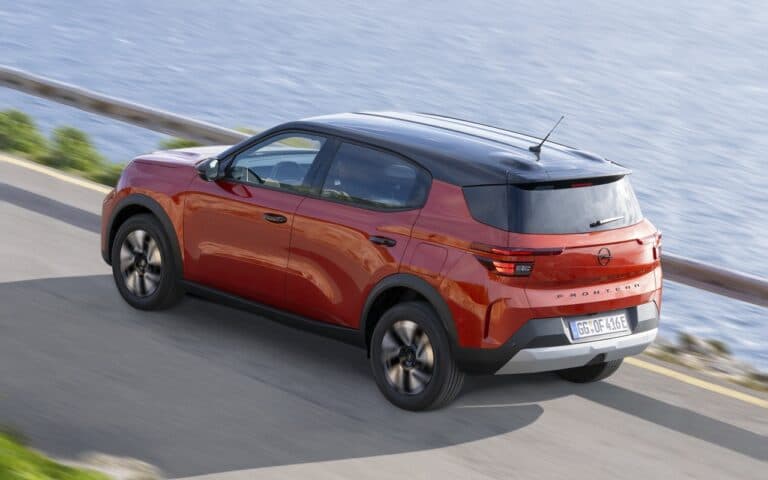
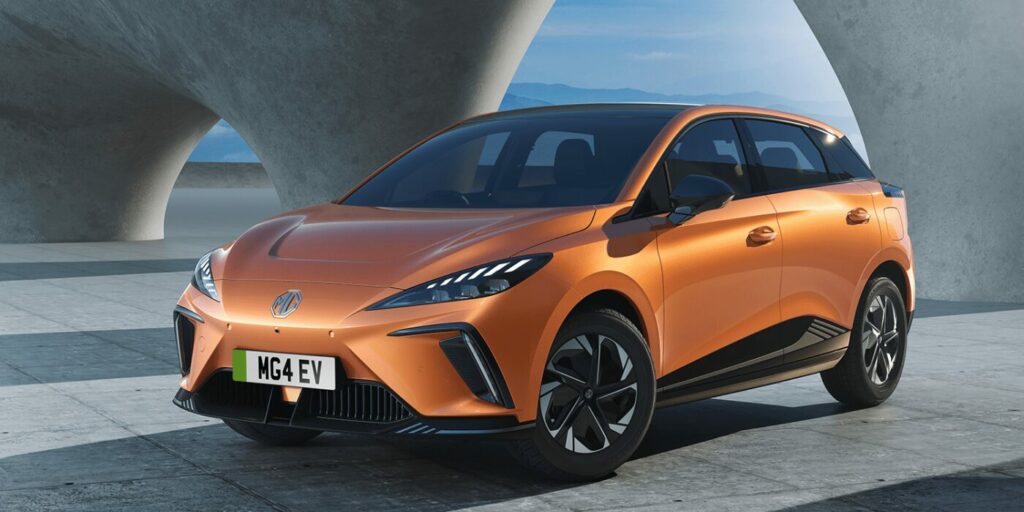
Best-selling vehicles: in 2025, the UK electric car market continues to be dominated by the Tesla Model Y, which remains the most popular BEV model, closely followed by the MG4 EV and other electric SUVs and saloons such as the Tesla Model 3, Volkswagen ID.4 or Volvo EX30.
Plug-in hybrids (PHEVs) are making rapid progress, with models such as the BYD Seal U DM-i among the most popular in this segment, which is particularly popular with fleets and commuters.
Conventional hybrids (HEV) continue to have a strong presence in the general market, notably with the Toyota Corolla Hybrid and the Ford Puma Hybrid, which combine affordability with low fuel consumption.
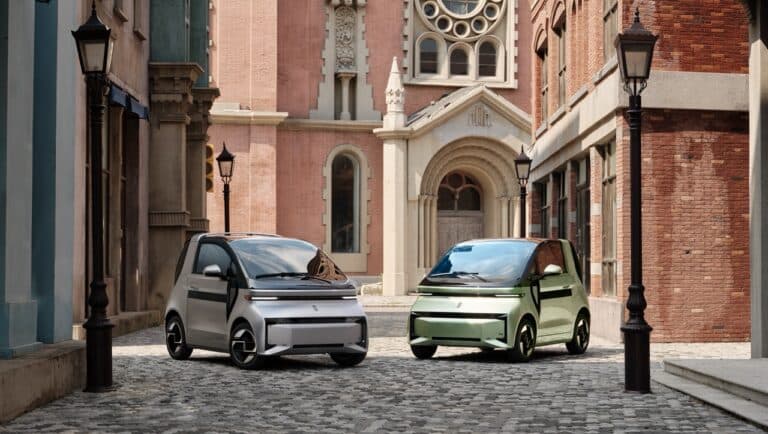
The range of electric and hybrid cars available in the UK now exceeds 150 models, with an average price of around £46,000, while the entry-level segment is expanding rapidly, with vehicles available for under £30,000, led by the Dacia Spring.
The UK has a fast-growing ecosystem of companies involved in electric mobility.
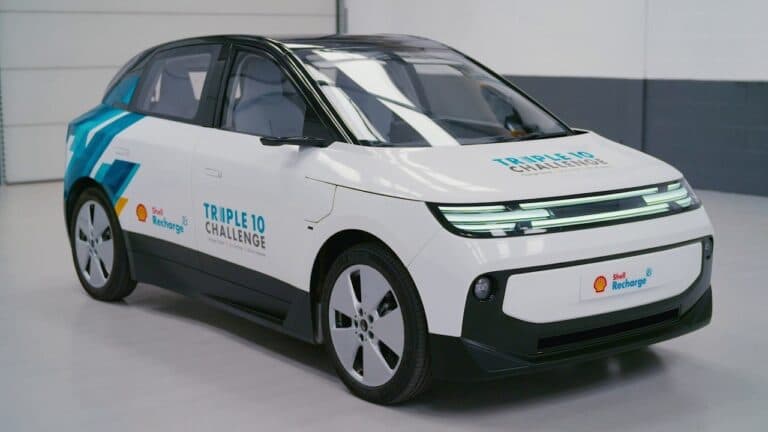
- Charging operators: InstaVolt, Osprey, BP Pulse (BP), Shell Recharge UK and others are developing networks of fast charging points and high-power hubs throughout the country, with a particularly dense network in the south and around London.
- Services and leasing: many local players – rental companies, brokers and leasing platforms – specialise in electric fleet management and recharging solutions for individuals and businesses.
- Production and R&D: the UK is home to several battery and electrified vehicle production sites operated by foreign groups, as well as gigafactory projects, although the sector remains less integrated than in Germany or China.
Brakes and friction points
Despite solid figures, the transition to electromobility in the UK remains gradual, with a number of structural obstacles:
- Purchase cost: the average price of a new electric vehicle is around £46,000, driven in part by premium models such as Tesla and Audi. The entry-level range is growing, with models under £30,000 (MG4, BYD Dolphin, Citroën ë-C3), but is still a minority in terms of volume. Public subsidies, such as the Plug-in Grant and OZEV subsidies, partially reduce the additional cost compared with combustion vehicles.
- Uneven infrastructure: the major conurbations in the south and London benefit from a well-developed network of charging stations, but there are still « white zones » in the north, in Northern Ireland and in certain rural areas, particularly for fast and ultra-fast charging stations.
- Tax uncertainties: the gradual end of the exemption from VED (road tax) for EVs and the prospect of a kilometre tax by 2028 are fuelling a degree of caution among households.
- Car culture and usage: many drivers remain attached to combustion-powered vehicles for long journeys. Concerns remain about the real range, residual value and long-term reliability of batteries, sometimes putting the brakes on the decision to buy.
To sum up, the UK now ticks most of the boxes for a mature EV market: high market share, fleet in excess of 5%, dense recharging network and ambitious policy framework. But the next step, that of mass adoption beyond the ‘early adopters’, will depend on the ability to reduce the entry ticket, fill the infrastructure gaps and stabilise the fiscal framework.