



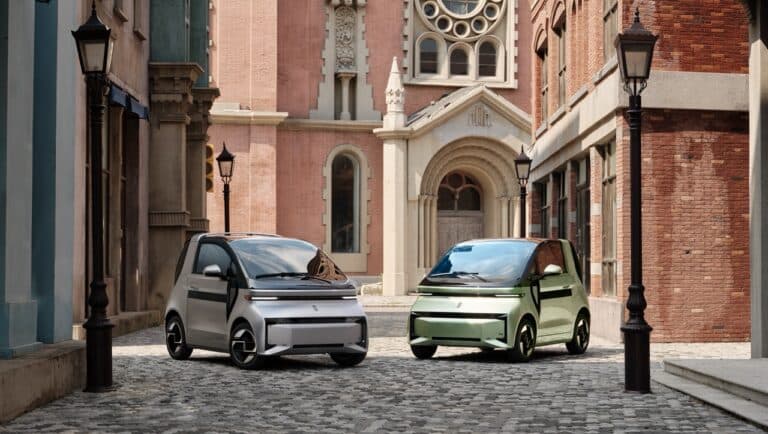
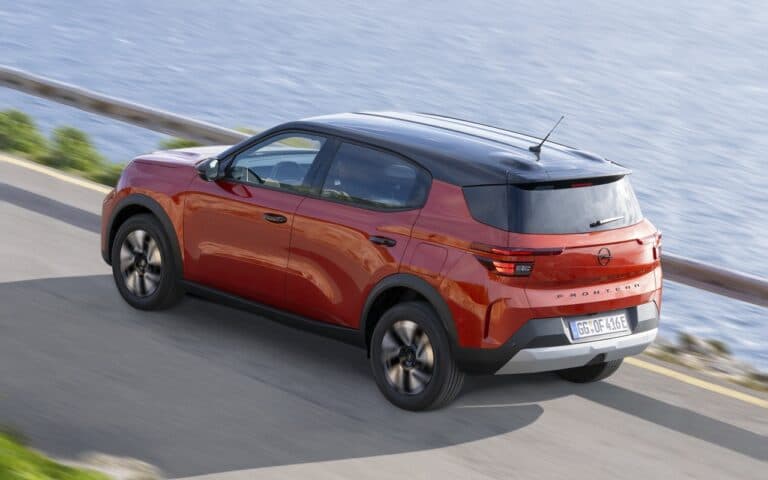




It is well known that, at first glance, EVs make no noise at all. No roaring engine, no vibrations when starting up, no revving. Electric cars have long been associated with a single concept: silence. But this is no longer really the case, because behind this quiet exterior lies a very different way of operating… and European regulations that require manufacturers to ‘recreate’ noise.
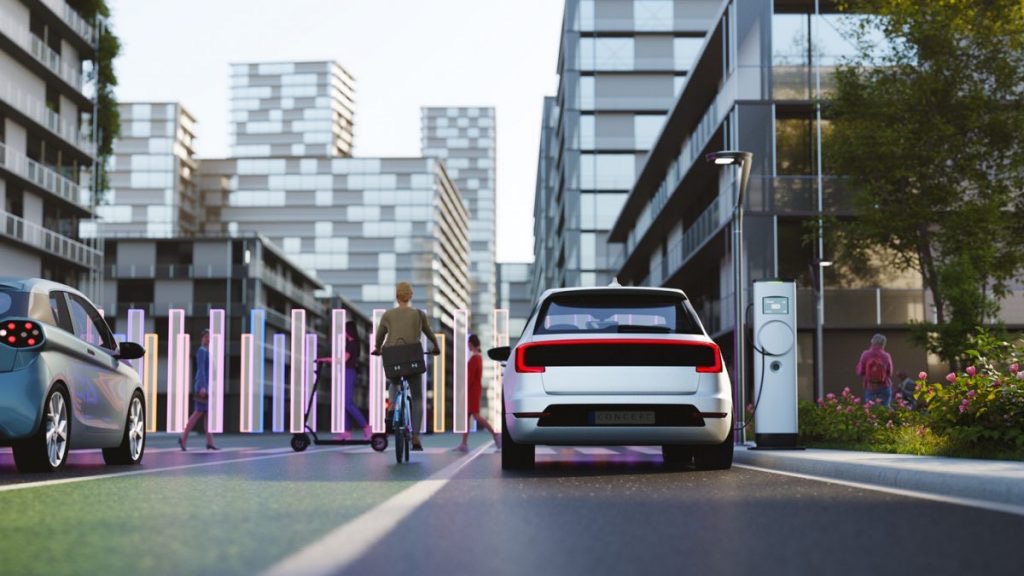
A radically different operating principle from that of a combustion engine
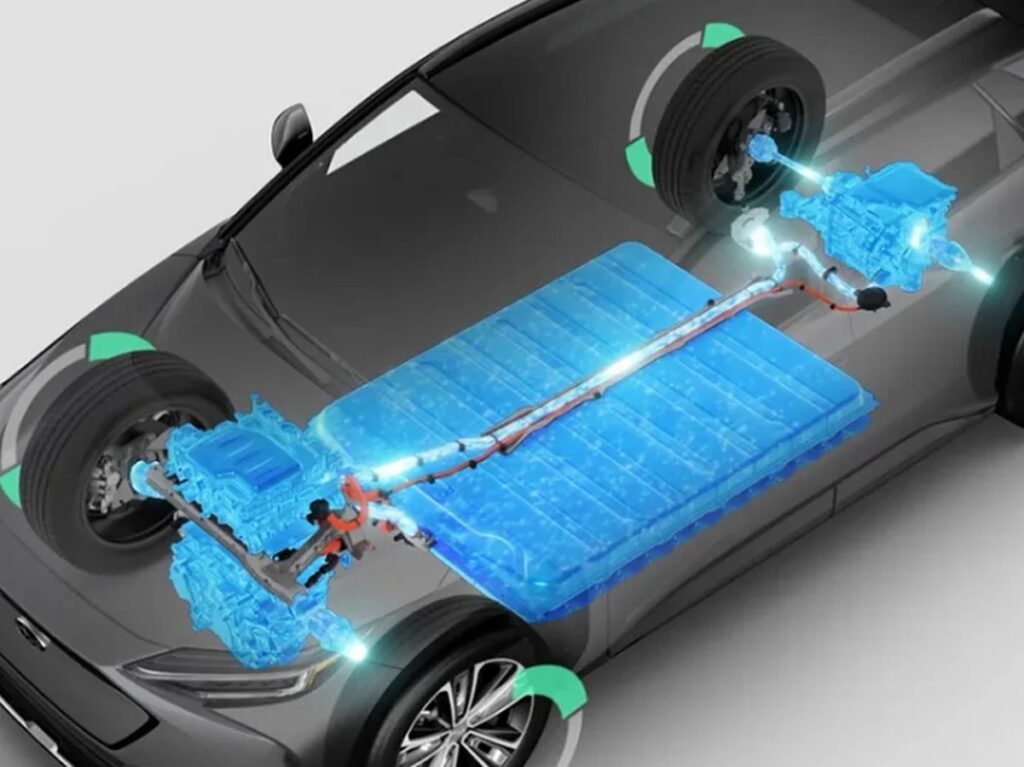
To understand this silence, we need to go back to basics. Unlike internal combustion engines, an electric motor does not operate by combustion.
No combustion in the cylinders, no exhaust, and, above all, far fewer moving parts. Whereas a petrol or diesel engine generates noise through its mechanical and thermodynamic cycles, an electric motor operates on the principle of electromagnetism and is virtually silent.
The result is that at low speeds – below 20 to 30 km/h – an electric car produces almost no mechanical noise. All that remains is a faint electronic hum, the sound of the air conditioning, or the tyres touching the road. But this silence soon becomes a problem.
A real danger in urban areas
Very quickly, this quietness raised safety concerns, particularly in urban areas. Indeed, at low speeds – where interactions with pedestrians are most frequent (pedestrian crossings, junctions, densely populated urban areas) – an electric car can take people by surprise. Even before any regulations were introduced, several organisations, including the French Federation of the Blind and Visually Impaired, were already warning of an increased risk of accidents.
It was against this backdrop that Europe decided to take action.

AVAS: when Europe imposes noise limits on electric cars
Since 1 July 2019, European legislation under Regulation (EU) No 540/2014 has required all new electric and hybrid vehicles to be fitted with an acoustic warning system: the AVAS (Acoustic Vehicle Alerting System).
In practical terms, every vehicle must emit an artificial sound:
- Active from start-up up to 20 km/h, as well as when reversing
- Noise level between 56 and 75 decibels
- Variation in sound as a function of acceleration
- Automatic switch-off at speeds above 20 km/h, when tyre noise becomes sufficiently loud
Without this system, a vehicle simply cannot be type-approved in Europe. In other words, the complete silence of electric cars is now prohibited.

Distinctive sounds that have become a defining feature
Whilst the law imposes a strict framework, it nevertheless allows manufacturers a degree of freedom. As a result, each brand develops its own distinctive sound.
Some models have become instantly recognisable to the ear:
- The Renault Zoe offers a futuristic experience designed in collaboration with IRCAM and Jean-Michel Jarre
- The BMW i4 and BMW iX feature an orchestral soundscape composed by Hans Zimmer
- The Porsche Taycan stands out with a higher-pitched sound, reminiscent of a turbine
Conversely, some models, such as the Tesla Model 3 or the Tesla Model Y, remain much more understated, featuring simple, minimalist design cues. This diversity is gradually transforming sound into a design element in its own right.

How can you tell if a car is electric when you see it on the street?
Even without being an expert, there are now a few tell-tale signs that can help you spot an electric vehicle nearby.
Firstly, the sound: unlike a combustion engine, the noise is continuous, smooth and seamless. It changes gradually with speed, often taking on more electronic or ethereal tones.
Next, the context: these vehicles are hardest to spot when travelling at low speeds. High-risk areas therefore include pedestrian crossings, town centres and when reversing, where a specific audible warning is always active.
Finally, above 30 km/h, the difference becomes almost imperceptible. At this speed, it is mainly the tyres and the wind that generate noise, regardless of the type of engine.
Progress… though still imperfect
Whilst AVAS represents a major step forward, particularly for people with visual impairments, it does not solve every problem. The minimum sound level remains relatively low (56 dB) and can be drowned out by ambient noise in urban areas. For deaf people, however, this system makes no difference.
Complementary solutions are therefore beginning to emerge: vibration systems, connected apps and research into new types of sound, such as ‘pink noise’, which is easier to detect.
Silence: a myth that has long since been debunked
Ultimately, electric cars were only completely silent for a short while. Today, due to regulatory constraints and safety concerns, noise is making a comeback… but in a completely new form, carefully controlled and designed from the outset.
A development that perfectly illustrates the transition currently underway: even the silence of electric vehicles now needs to be managed and harnessed.