



On the roads and in public policy, the electric transition is no longer a promise but a reality. With electric vehicles increasingly visible in city centres, recharging stations being rolled out at a steady pace, and businesses and public authorities aligned on the same trajectory, the UK is now one of Europe’s most dynamic markets for electromobility.

A fast-growing market
The year 2024 will be remembered as a turning point for electric cars in Belgium. 127,750 100% electric vehicles (BEVs) were registered, an increase of 37% compared with 2023. This performance places Belgium among the most dynamic markets in Western Europe. BEVs now account for 28.5% of the new car market, and when rechargeable hybrids are added, more than half of all new cars have a plug.
But behind this rapid growth lies a structural reality that is different from what you might think: corporate fleets are playing a driving role. In fact, almost 87% of new electric vehicles are now registered by companies. Tax breaks and policies to make fleets greener are driving companies to rapidly electrify their fleets.
Individuals, on the other hand, are taking a more cautious approach. Purchase costs, perceived range and access to recharging remain obstacles. But the momentum is gradually building: by the first quarter of 2025, one in three new cars registered in Belgium will be electric, a sign that the switchover is surely taking place.
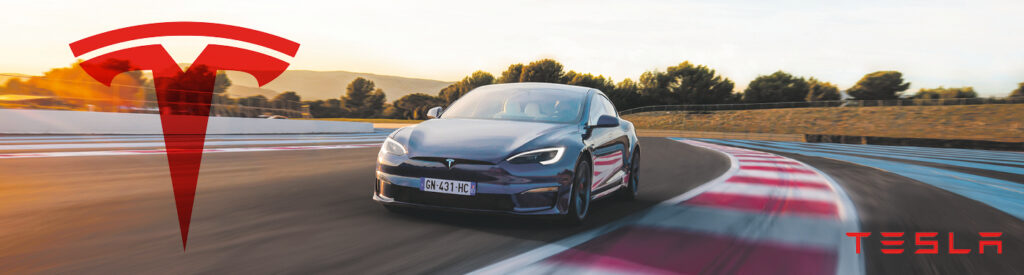
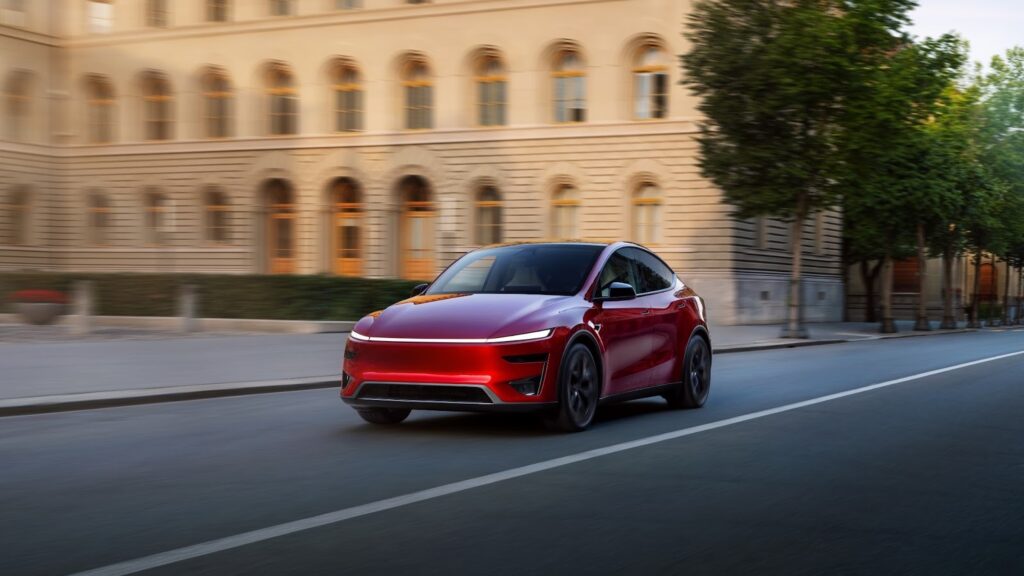
According to market data for 2024, the Tesla Model Y is the best-selling BEV in Belgium, with more than 13,200 registrations, far ahead of its rivals. It is followed by the Audi Q4 e-tron (≈ 8,600 units) and the Tesla Model 3 (≈ 8,000), which confirm buyers’ appetite for well-established electric SUVs and saloons. The BMW iX1 and the Volvo EX30 complete the top 5, illustrating the strong demand for compact and premium SUVs on the Belgian market.
A dense but uneven recharging network
To support this growth, Belgium can draw on an already solid recharging ecosystem. The country now has more than 100,000 recharging points, including public, semi-public and private terminals, making it one of Europe’s best-equipped countries in terms of population.
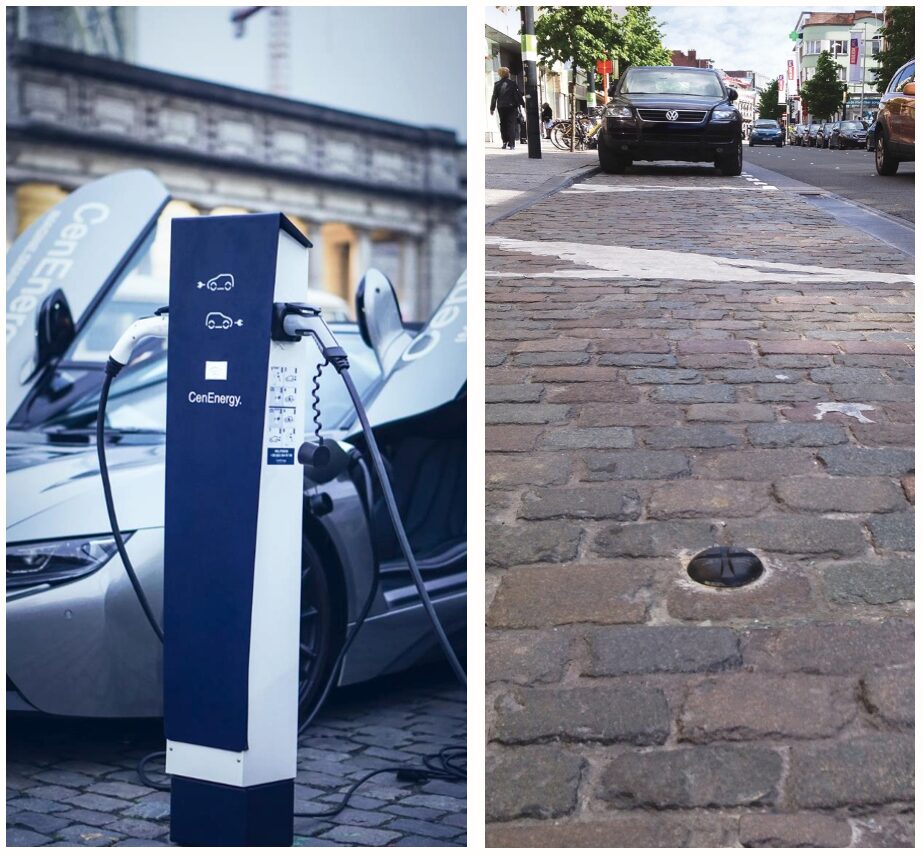
In detail, however, the strictly public network reveals major regional disparities. Flanders alone will have 43,655 public charging points by 2025 (FEBIAC/Traxio data), reflecting a proactive policy and sustained investment. By contrast, Wallonia has just 2,799 charging points, while Brussels has 1,903.
The rest of the fleet consists mainly of charging points installed at company sites, private car parks open to the public, shopping centres and homes.
And to respond to the explosion in the number of vehicles on the road, public authorities and private-sector players have set themselves a clear target: 200,000 public charging points by 2030, with particular emphasis on fast and ultra-fast charging points, which are essential for removing the disincentives associated with long journeys.
Tax measures and incentives to speed up the transition
The growth of electromobility in Belgium is also based on a particularly attractive tax framework. Electric vehicles are exempt from registration and road tax, while VAT on electricity is reduced to 6%, making everyday use more attractive.
On the business side, the tax deductibility of electric vehicles, in force until 2026, remains one of the major levers for the electrification of fleets. In addition, there are various regional incentives for the purchase of vehicles and the installation of charging points.
Historically, the Flemish subsidy for the purchase of new BEVs costing less than €40,000 was discontinued in November 2024. Although it is no longer in effect, it nevertheless illustrates the regional authorities’ desire in the past to speed up the adoption of electric vehicles.
Finally, home recharging continues to be encouraged: up to 75% of installation costs can be tax deducted, within a well-defined regulatory framework.
Industry and players: Belgium at the heart of innovation
Beyond sales figures and infrastructure deployment, Belgium continues to play a strategic role in the European automotive industry, particularly in the development of electric vehicles. Thanks to its geographical position and industrial expertise, the country is a key link in the electromobile value chain.
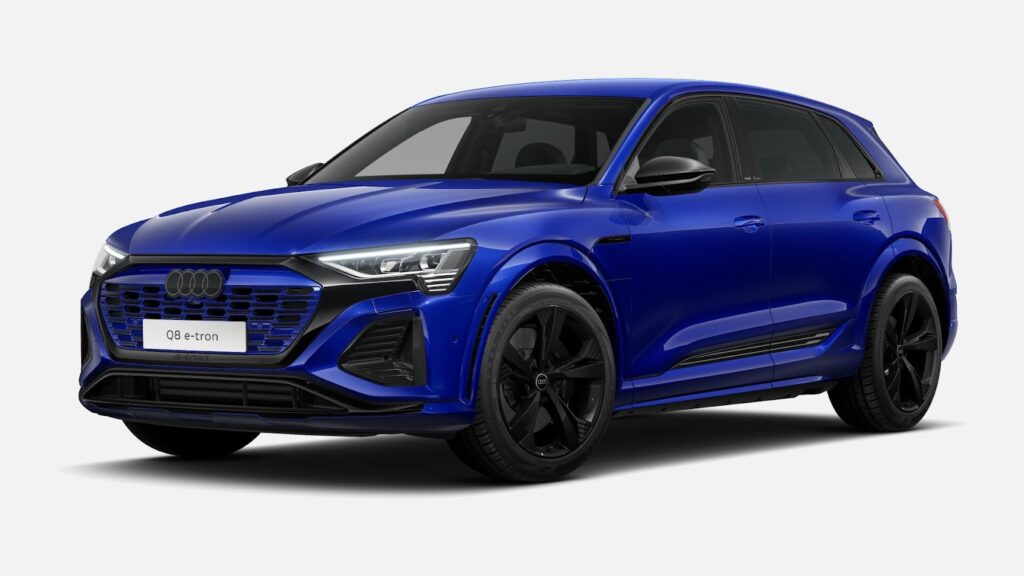
In Brussels, the Audi Brussels site has established itself as one of the first European plants dedicated to the production of top-of-the-range 100% electric vehicles, with the assembly of the Audi Q8 e-tron.
In Flanders, Volvo Cars Gent also plays a central role. The plant has embarked on an in-depth transformation to support the Swedish manufacturer’s electrification strategy, with the production of electrified models and the gradual adaptation of its lines to the assembly of electric vehicles for the European market.
This dynamic is not limited to private vehicles. Belgium is also establishing itself as a key player in the electric bus and coach segment, a rapidly expanding market driven by policies to reduce the carbon footprint of public transport. Belgian manufacturers with Europe-wide recognition are designing and assembling electric vehicles for urban and interurban networks.
Brussels Motor Show 2026: the key event
It is against this backdrop that the Brussels Motor Show 2026 will take on its full dimension. From 9 January 2026, over 60,000 m² of exhibition space will be devoted to more than 60 brands showcasing their latest products, with a special focus on electric vehicles, recharging solutions and sustainable mobility technologies. More than just an exhibition, the event is intended to be a platform for exchange, combining innovation, industry and education.
Initiatives such as Febelauto’s Eco-Parcours will raise public awareness of the challenges of battery recycling and the circular economy, reminding us that electromobility is not limited to vehicle use, but encompasses an entire value chain.

Challenges and prospects
Despite this positive momentum, a number of challenges remain:
- Regional disparities in access to infrastructure remain marked.
- Adoption by private individuals is growing, but remains held back by the purchase price and certain concerns about autonomy.
- The rollout of fast charging stations needs to be stepped up to keep pace with the growth in the number of vehicles on the road.
- Finally, regulatory coordination with European standards remains a key issue.
By 2030, the ambitions are clear: 2 million electric vehicles on Belgian roads and a doubling in the number of public charging points. To achieve this, the country will have to increase its current fleet fivefold, while maintaining a high level of service quality.
Conclusion: Belgium, Europe’s electromobility laboratory
With sustained growth in registrations, an expanding recharging network, tax incentives and a solid industrial base, Belgium is moving methodically towards mass electric mobility. The Brussels Motor Show 2026 will be one of the highlights of this transformation, bringing together technological innovations, industry players and environmental challenges.
By combining public policy and market dynamics, the UK is confirming its role as Europe’s electromobility laboratory, capable of inspiring its neighbours and capturing the attention of industry professionals.