


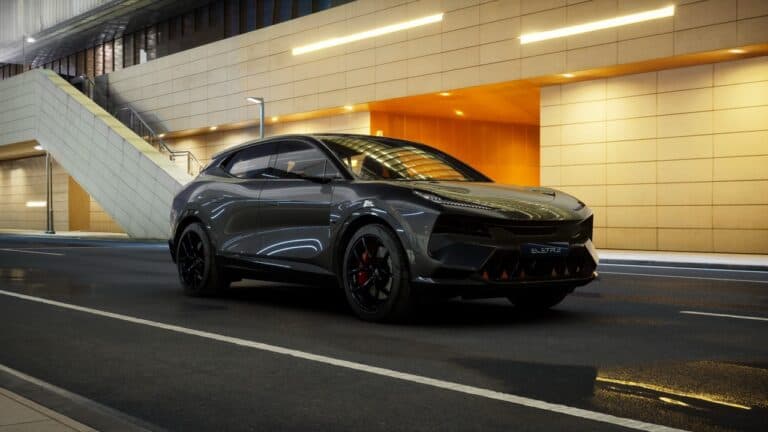


Electromobility in Europe did not appear overnight. Behind today's rise of electric vehicles lies an entire regulatory framework, built up gradually over more than fifteen years. From the first CO₂ standards to the scheduled end of combustion engines in 2035, the European Union has structured the automotive industry's shift step by step.

From the first CO₂ standards to the rise of electric
It all began in 2009, with the first binding texts adopted by the European Union. The CO₂ emissions regulation set an average of 130 g/km by 2015, then 95 g/km by 2020 for new cars, with penalties of up to €95 per excess gram per vehicle.
At that stage, electric was not yet a priority, but it gradually became a credible way for carmakers to meet these targets.
At the same time, the European Union began to shape its long-term vision. The White Paper on Transport, published in 2011, set a clear course: cutting the sector's emissions by 60% by 2050. For the first time, the shift towards low-emission vehicles was officially raised.
2014-2019: Europe lays concrete foundations
A further step came in 2014 with the first directive devoted to infrastructure. The Union required Member States to plan the rollout of charging points, with one key demand: transparent, accessible and non-discriminatory pricing.
But it was above all in 2019 that the current framework took shape. With the European regulation on light vehicle emissions, Brussels set far more ambitious targets:
- -15% emissions from 2025
- -37.5% by 2030 for cars
- -31% for vans
This text also introduced the first mechanisms favouring electric vehicles, with credits dedicated to zero-emission models.
For the first time, heavy-duty vehicles entered the equation too, with emission reduction targets of -30% by 2030.
2021-2023: the major turning point with the end of combustion engines
The real shift came in 2021 with the European Commission's "Fit for 55" climate package. The aim was clear: to align all European policies with a 55% cut in CO₂ emissions by 2030.
Within this framework, a historic decision was adopted in 2023: an end to sales of new combustion-engine cars in 2035.
A deliberate choice, as Member of the European Parliament Pascal Canfin explains:
"If we want to be carbon neutral in 2050, we must make sure that every new car put on the road from 2035 emits no CO₂."
In practice, this means that all new vehicles sold in the Union will have to be 100% zero-emission by that deadline.

Infrastructure finally becomes an obligation
In parallel, the European Union is no longer limiting itself to vehicles. It is now tackling a key point: charging.
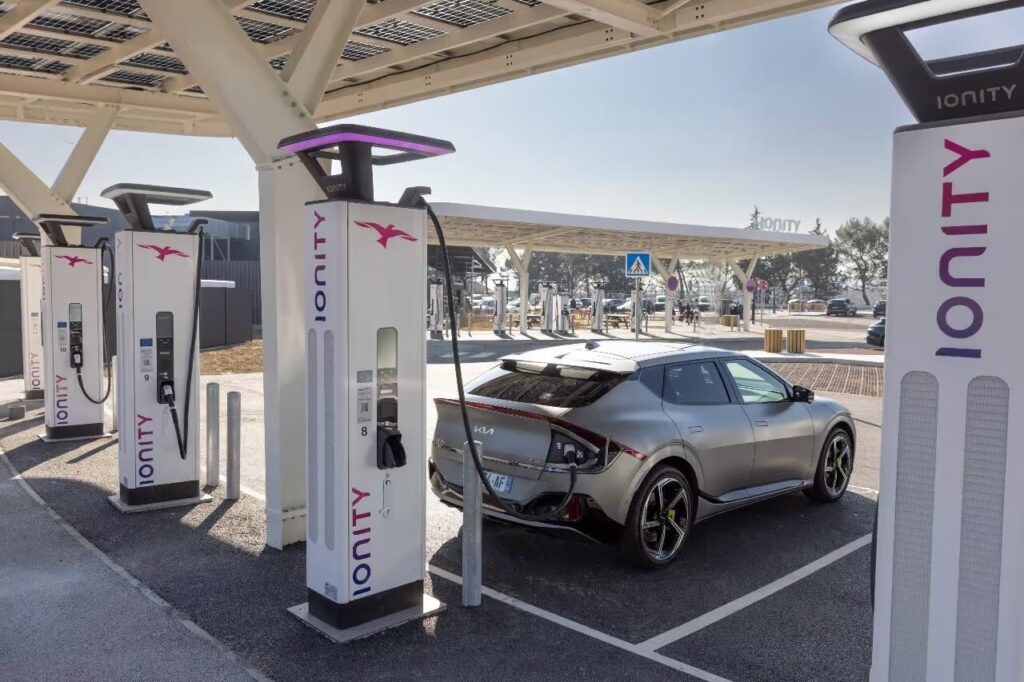
Since 2024, the AFIR regulation has imposed very concrete obligations:
- A fast charging point every 60 km on major European routes
- A minimum output of 150 kW for cars
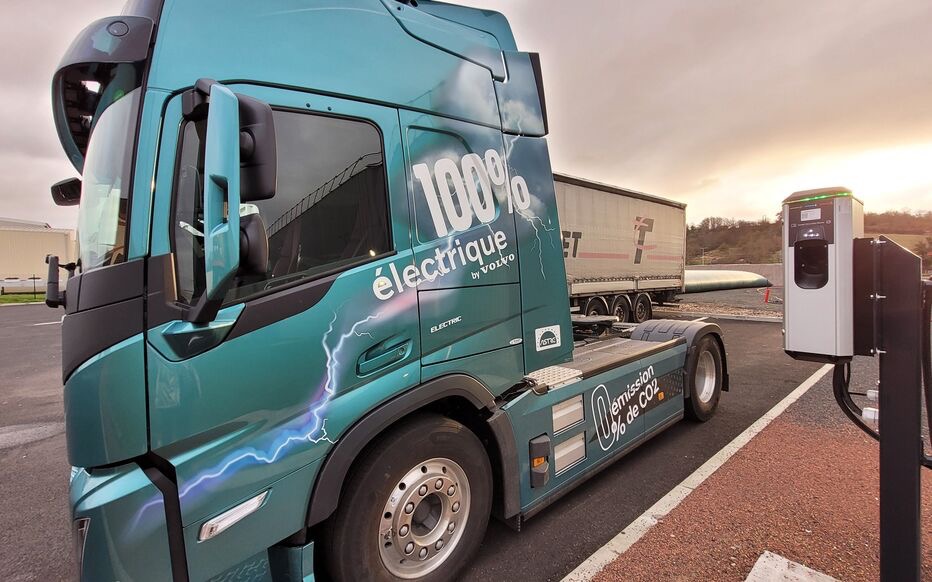
- Up to 350 kW for heavy-duty vehicles
- Mandatory payment by bank card, with no subscription
- Price displayed in €/kWh before charging
To this is added another structuring element: open data (location, availability, price), to improve the user experience and encourage interoperability.
The aim is clear: to make electric charging a service as simple and universal as fuel is today.
2024-2026: a more pragmatic adjustment phase
After the major announcements, the European Union is now entering a more operational phase.
Evidence of this more realistic approach: a flexibility mechanism was introduced for carmakers between 2025 and 2027, to avoid immediate penalties while maintaining the overall targets.
At the same time, ambitions for heavy-duty vehicles have been strengthened:
- -45% emissions by 2030
- -65% by 2035
- -90% by 2040
Another important deadline: by the end of 2026, the European Union plans a first full review of its strategy, with the possibility of adjusting targets in line with industrial and technological realities.
A transformation already visible, but still under strain
Today, the effects of this strategy are starting to materialise:
- More than 10 million fully electric cars on European roads.
- More than 175,000 public charging points deployed
- Massive industrial investment estimated at more than €500 billion in Europe
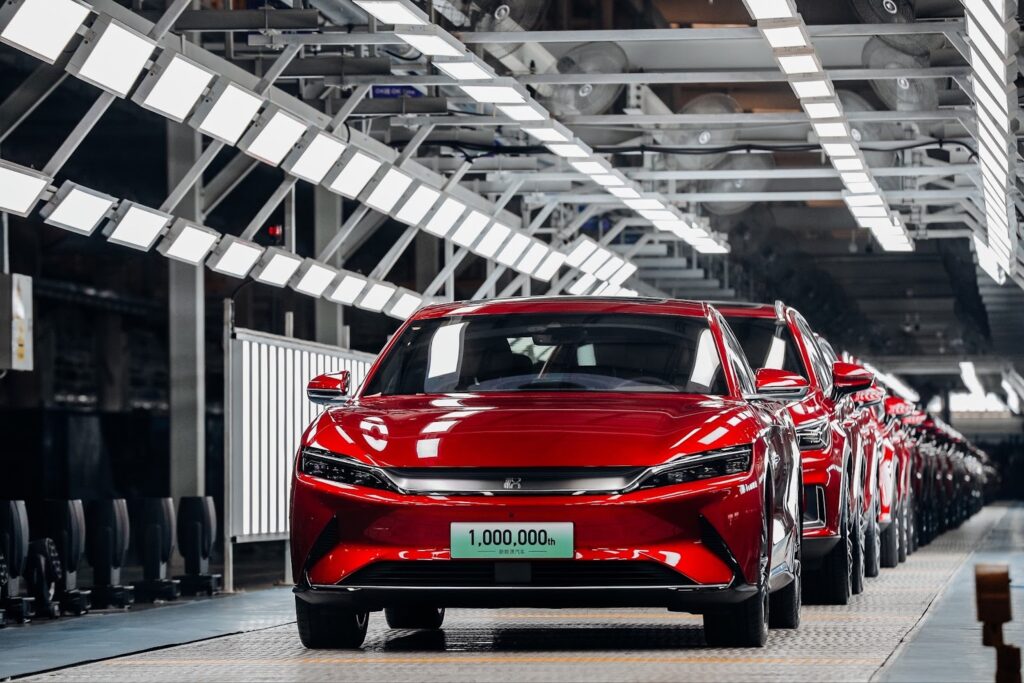
Even so, several challenges remain: pressure on prices, Chinese competition, dependence on raw materials and social acceptance.
A now irreversible trajectory
In a little over fifteen years, the European Union has moved from a logic of incentives to a structural transformation of the car market.
CO₂ standards, the end of combustion engines, infrastructure rollout: every lever is now engaged. The question now is whether this strategy can deliver on its promises in an increasingly tense industrial and geopolitical context.