


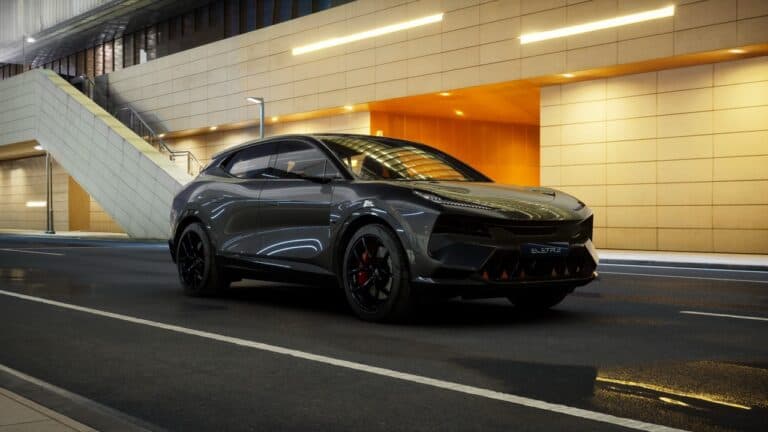


Electric mobility in Europe did not take hold overnight. Behind the current boom in electric vehicles lies a comprehensive regulatory framework that has been gradually put in place over the last fifteen years. From the initial CO₂ standards to the planned phase-out of internal combustion engines by 2035, the European Union has, step by step, shaped the transition of the automotive sector.

From the first CO₂ standards to the rise of electric vehicles
It all began in 2009, with the first binding legislation adopted by the European Union. The CO₂ emissions regulation set a target of an average of 130 g/km by 2015, rising to 95 g/km by 2020 for new cars, with penalties of up to €95 per gramme over the limit per vehicle.
At this stage, electric vehicles are not yet a priority, but they are gradually becoming a viable option for manufacturers looking to meet these targets.
At the same time, the European Union is beginning to shape its long-term vision. The White Paper on Transport published in 2011 sets a clear target: to reduce emissions from the sector by 60% by 2050. For the first time, the transition to low-emission vehicles is officially mentioned.$
2014–2019: Europe lays the groundwork
A new milestone was reached in 2014 with the first directive specifically dedicated to infrastructure. The EU requires Member States to plan the roll-out of charging points, with one key requirement: transparent, accessible and non-discriminatory pricing.
But it was in 2019, above all, that the current framework took shape. With the European regulation on light-duty vehicle emissions, Brussels has set much more ambitious targets:
- -15% reduction in emissions from 2025
- -37.5% by 2030 for cars
- -31% for commercial vehicles
This text also introduces the first measures to promote electric vehicles, with tax credits specifically for zero-emission models.
For the first time, heavy goods vehicles are also being included in the equation, with a target of a 30% reduction in emissions by 2030.
2021–2023: a major turning point with the end of the combustion engine era
The real turning point came in 2021 with the European Commission’s “Fit for 55” climate package. The aim is clear: to align all European policies with a 55% reduction in CO₂ emissions by 2030.
In this context, a landmark decision was taken in 2023: to end the sale of new petrol and diesel cars by 2035.
A conscious choice, as MEP Pascal Canfin explains:
“If we want to be carbon neutral by 2050, we must ensure that no new cars put on the road from 2035 onwards emit CO₂.”
In practical terms, this means that all new vehicles sold in the EU must be 100% zero-emission by that deadline.

Infrastructure is finally becoming a necessity
At the same time, the European Union is no longer focusing solely on vehicles. It is now turning its attention to a key issue: charging.
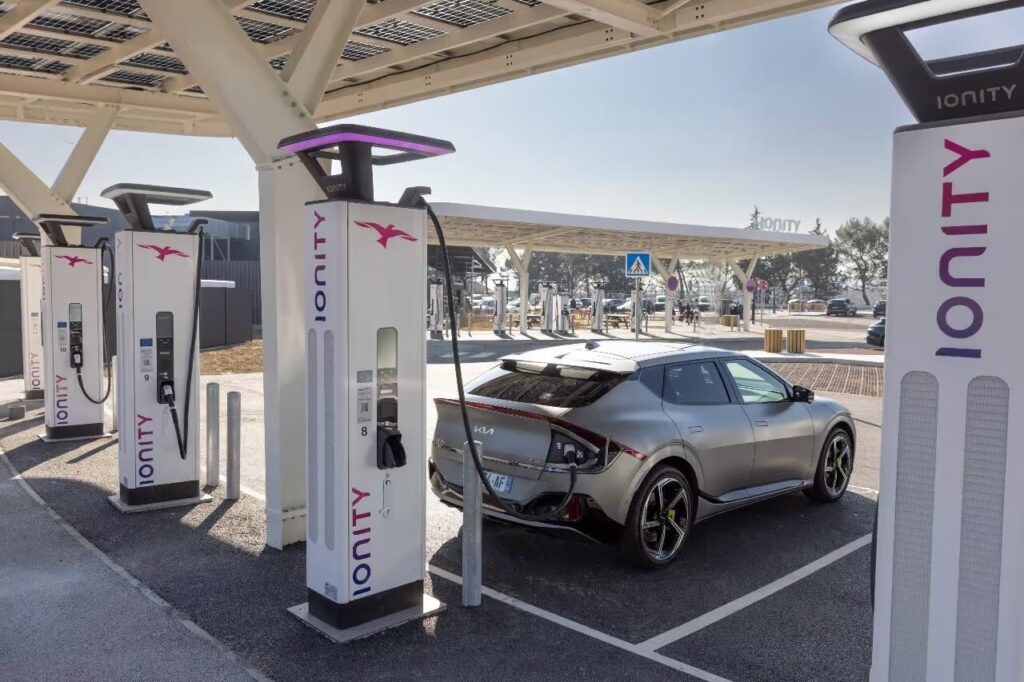
Since 2024, the AFIR regulations have imposed very specific obligations:
- A fast-charging station every 60 km along major European routes
- A minimum power output of 150 kW for cars
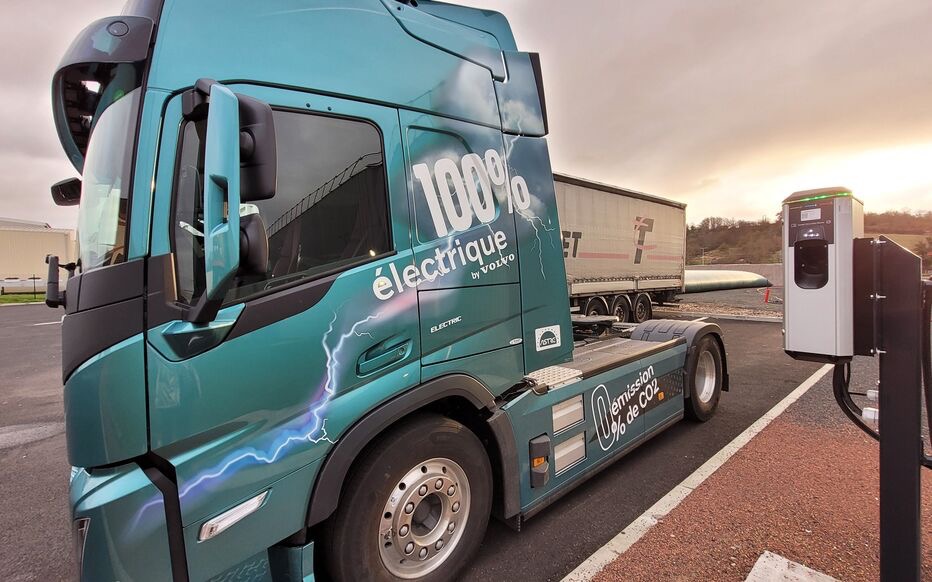
- Up to 350 kW for heavy goods vehicles
- Payment by credit card is required; no subscription is needed
- Price displayed in €/kWh before charging
Added to this is another key element: open data (location, availability, price), to enhance the user experience and promote interoperability.
The aim is clear: to make electric charging as simple and widespread a service as petrol is today.
2024–2026: a more pragmatic adjustment phase
Following the major announcements, the European Union is now entering a more operational phase.
As evidence of this more realistic approach, a flexibility mechanism has been introduced for manufacturers between 2025 and 2027, to avoid immediate penalties whilst maintaining the overall targets.
At the same time, ambitions in the heavyweight division have been stepped up:
- -45% emissions by 2030
- -65% by 2035
- -90% by 2040
Another key milestone: by the end of 2026, the European Union plans to carry out an initial comprehensive review of its strategy, with the possibility of adjusting its objectives in line with industrial and technological realities.
A transformation that is already visible, but still under strain
Today, the effects of this strategy are beginning to bear fruit:
- There are now over 10 million fully electric cars on the roads across Europe.
- Over 175,000 public charging points installed
- Massive industrial investment estimated at over €500 billion in Europe
Nevertheless, a number of challenges remain: price pressure, competition from China, dependence on raw materials and social acceptance.
A path that is now irreversible
In just over fifteen years, the European Union has moved from a policy of incentives to a structural transformation of the car market.
CO₂ standards, the phase-out of fossil fuels, and the roll-out of infrastructure: all the levers are now in motion. The question now is whether this strategy will be able to deliver on its promises against an increasingly tense industrial and geopolitical backdrop.