



Whilst 2023 and 2024 were defined by the boom in electric vehicles, and 2025 has become the year when EVs became a reality, 2026 looks set to be the year of genuine competition in the electric vehicle market in the United States.
The US EV market did not collapse once the initial euphoria had subsided. On the contrary, it has matured. Buyers have become more selective, focusing on affordability, access to charging, reliability and long-term running costs. Brands that offered real value, rather than just ambitious promises, have continued to dominate sales.
Industry data from Cox Automotive and Kelley Blue Book show that the strong momentum seen in the EV market in 2025 continued into 2026, confirming that electric vehicles are no longer a niche segment of the US car market.
The uptake of EVs has settled into a phase of steady growth rather than the explosive surge seen in the early years. The market is no longer driven by speculation; it is driven by competition.
Here is the story of who led EV sales during the most recent cycle, what these figures reveal about the industry, and what they suggest for the future of electric mobility in America.
The big picture: EV sales in the US on the cusp of 2026
By the end of 2025, the US EV market had reached one of its strongest periods on record. Several major trends were shaping the industry as 2026 began:
- Sales of electric vehicles reached record quarterly levels in 2025.
- Electric vehicles have captured a double-digit market share nationwide.
- SUVs and crossovers have dominated EV sales.
- Competition between manufacturers has intensified dramatically.
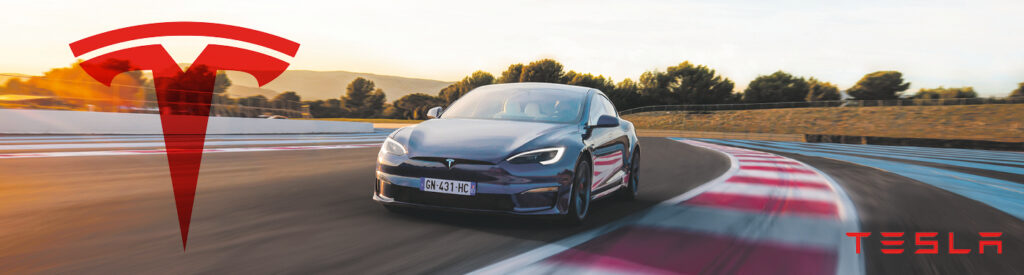
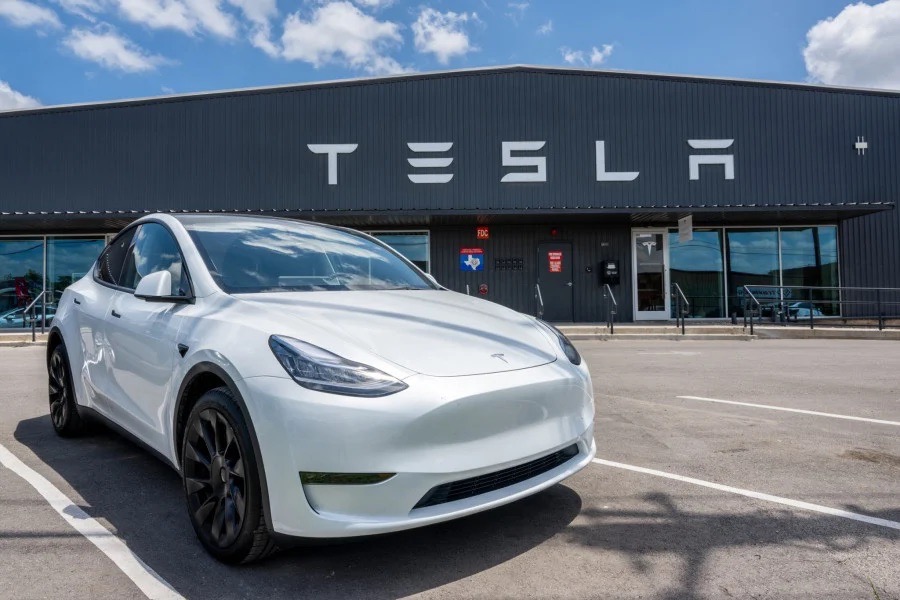
Tesla remained the number one EV brand in the United States, but its market share declined as traditional manufacturers and international brands launched competitive models.
Tesla’s share of the US EV market has fallen to around 38%, a significant shift from its previous dominance of over 70% at the start of the decade.
This decline did not mean that Tesla was selling fewer cars. It meant that the rest of the industry had finally caught up.
EV sales by brand: who led the market
One of the clearest snapshots of competition in the EV market emerged in late 2025, when sales soared ahead of changes to federal incentive schemes.
Representative monthly sales figures showed the following performance by brand:
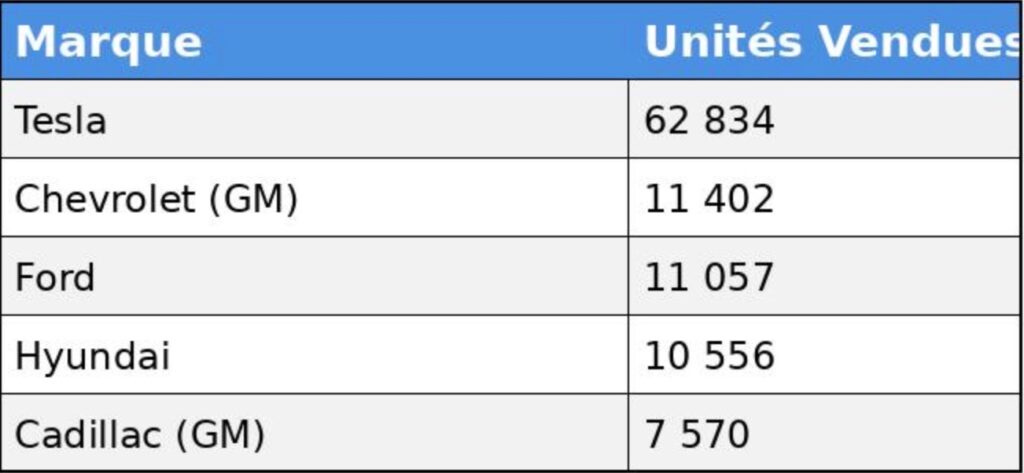
These figures reveal a major structural shift in the industry: Tesla remains in the lead, but the established manufacturers are now collectively rivalling Tesla’s scale.
TESLA: still the king, but no longer alone
Tesla began 2025 as the undisputed leader in the EV market and has maintained that position as we enter 2026.
The company’s dominance rests largely on two factors:
- Tesla Model Y
- Tesla Model 3
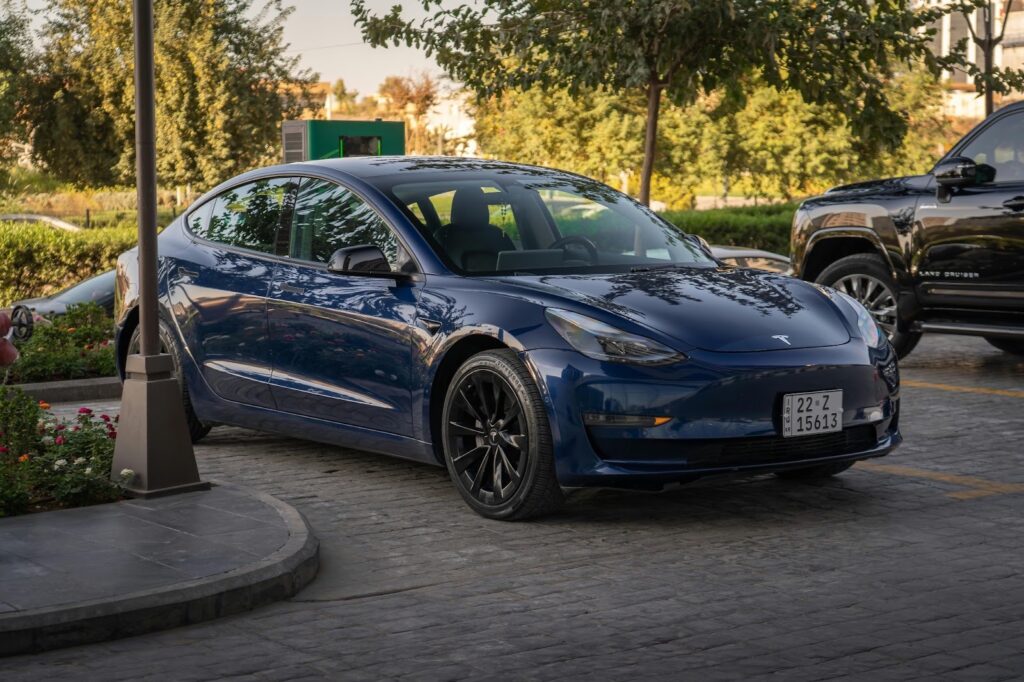
The Model Y remained the best-selling electric vehicle in the United States and one of the best-selling vehicles overall.
Preliminary sales figures for the third quarter of 2025 showed:
- Model Y: approximately 114,897 units
- Model 3: approximately 53,857 units
But Tesla’s leadership is no longer unchallenged.
The company has faced increasing pressure from:
- Aggressive price competition.
- Traditional car manufacturers are expanding their ranges of electric vehicles.
- Changes to eligibility for the federal tax credit.
- A slowdown in demand growth compared with previous boom years.
Tesla responded with price cuts designed to maintain sales volumes, a strategy reflecting a more competitive market environment.
GENERAL MOTORS: the surprising return of EVs
If any traditional car manufacturer has emerged as a major success story in the EV sector, it is General Motors.
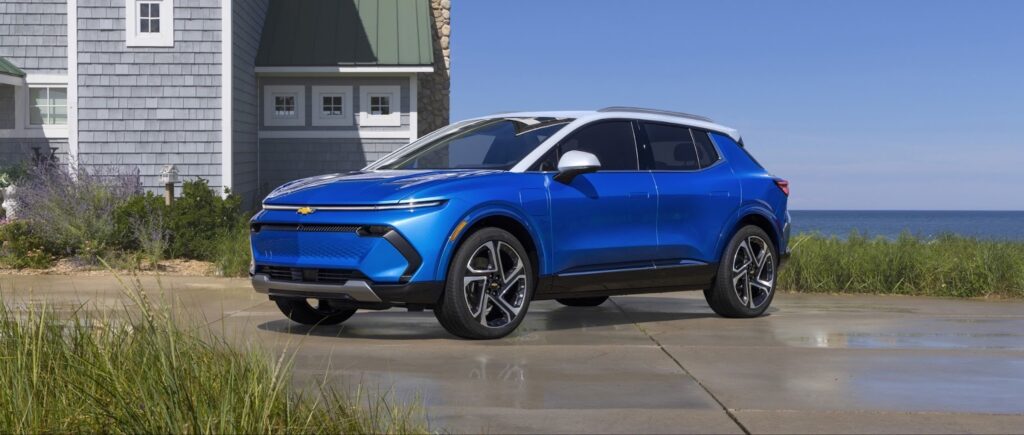
Chevrolet has become Tesla’s closest direct competitor, largely thanks to one vehicle: the Chevrolet Equinox EV.
Sales of the Equinox EV reached around 25,085 units in the third quarter of 2025, making it one of the best-selling non-Tesla EVs in the United States.
Chevrolet has been successful in targeting mainstream buyers with:
- A recognisable brand.
- Competitive prices.
- A practical battery life.
- Strong support from the dealer network.
The result marked a turning point for the established manufacturers, who had previously been left far behind by Tesla.
FORD: pick-up trucks, performance and power from the brand
Ford has maintained a strong presence in the EV market at the start of 2026, underpinned by two flagship models:
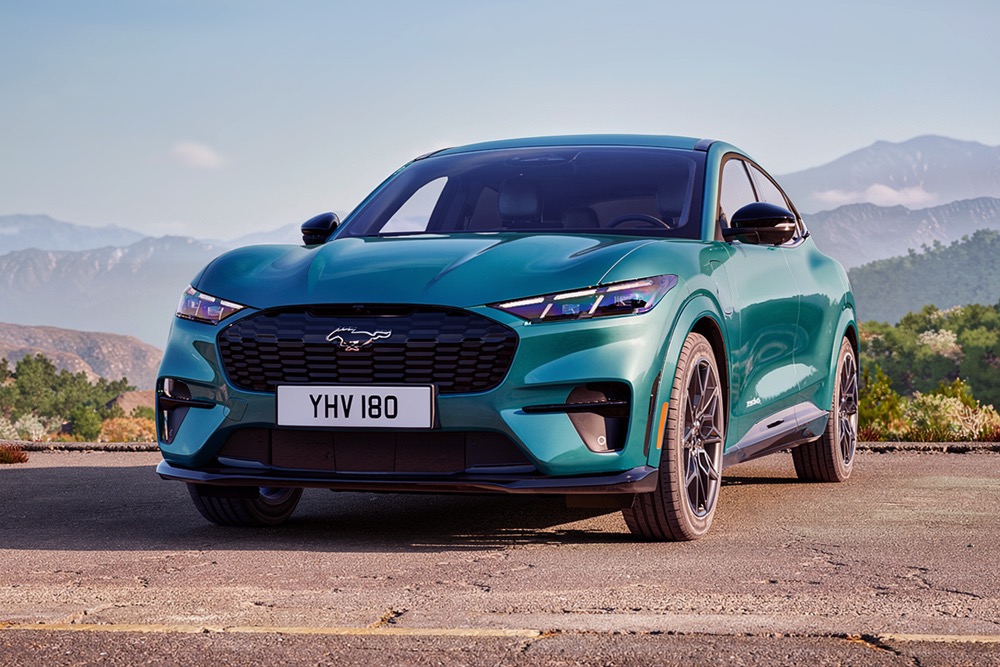
- Mustang Mach-E
- F-150 Lightning
Sales of the Mach-E reached approximately 20,177 units in the third quarter of 2025, reflecting strong brand loyalty and the strength of Ford’s nationwide dealer network.
Rather than competing directly in the smaller EV segments, Ford has focused on high-performance SUVs and electric pick-up trucks, closely aligning itself with traditional American vehicle preferences.
HYUNDAI AND KIA: the leaders in value
Hyundai and Kia have quietly continued to gain market share.
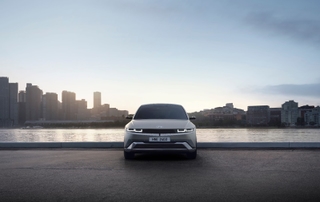
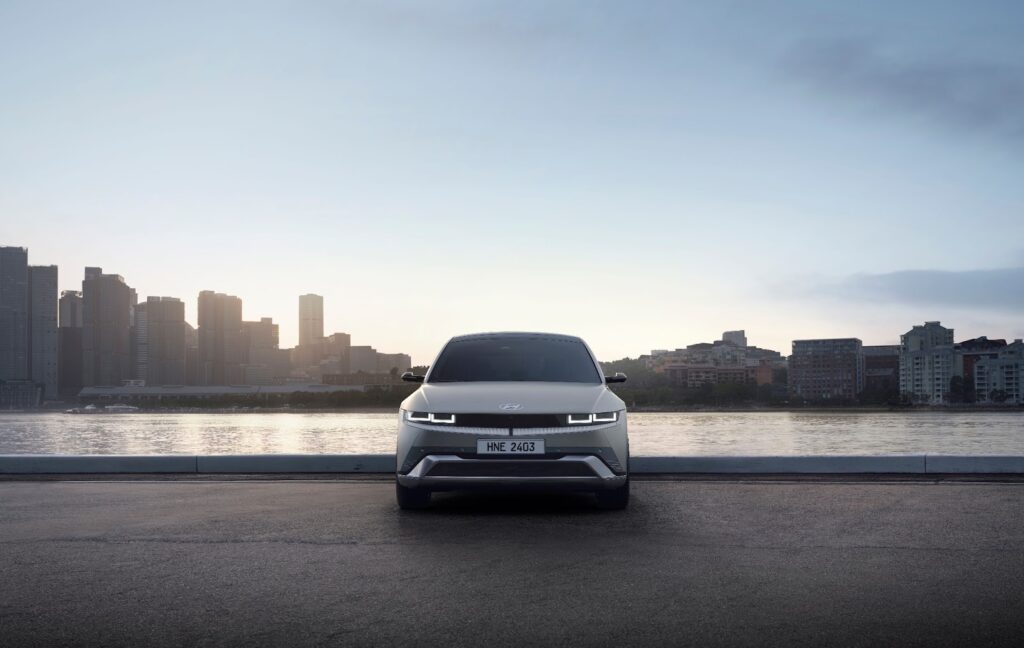
Hyundai’s range of electric vehicles – particularly the Ioniq 5 – has received high praise from consumers for its value, range and reliability.
Sales of the Ioniq 5 reached around 21,999 units in the third quarter of 2025, making it one of the most successful non-Tesla EVs.
Analysts have frequently cited Hyundai and Kia as leaders in the design and engineering of affordable EVs, helping to broaden the uptake of EVs beyond luxury car buyers.
Emerging players: the new competition
In addition to the traditional brands, several new players have helped to diversify the EV market.
Notable models included:
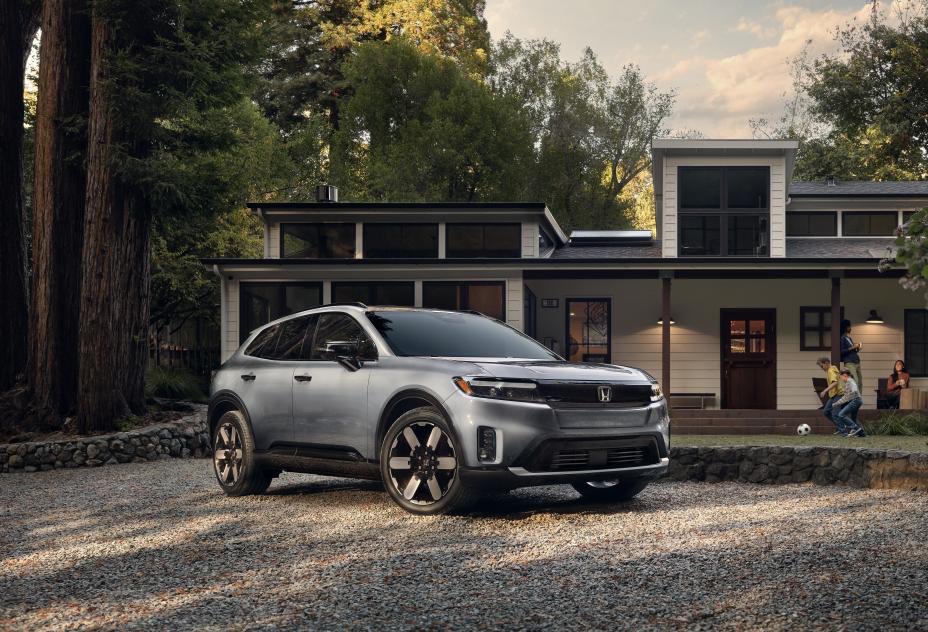
- Honda Prologue — approximately 20,236 units sold in the third quarter of 2025.
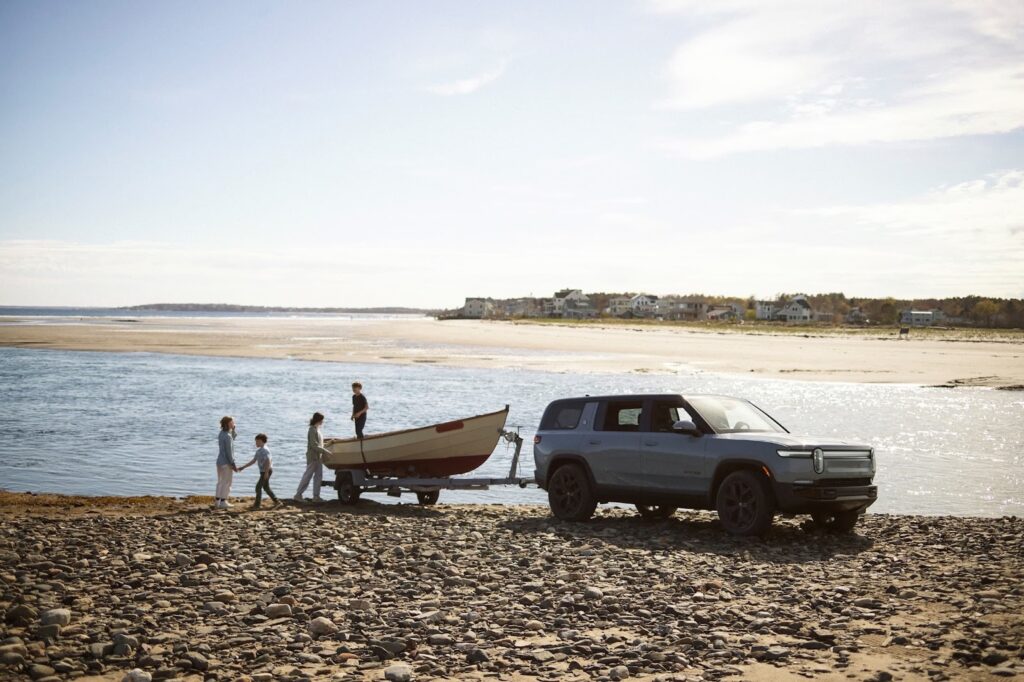
- Rivian R1S — nearly 19,687 units in 2025.
- Volkswagen ID.4 — steady sales as a European alternative.
These vehicles demonstrate that the EV market is no longer dominated by a single company or strategy.
Instead, it becomes a fully-fledged ecosystem of competing brands and technologies.
The best-selling EV models
The best EV models on the US market included:
- Tesla Model Y
- Tesla Model 3
- Chevrolet Equinox EV
- Hyundai Ioniq 5
- Honda Prologue
- Ford Mustang Mach-E
- Kia EV6 / Chevrolet Blazer EV
- Rivian R1S
- Volkswagen ID.4
- Ford F-150 Lightning
SUVs and crossovers topped the rankings, reflecting the preferences of American consumers.
Incentives and economic reality
Government policy has remained a major factor influencing demand for EVs.
Changes to the $7,500 federal tax credit for EVs sparked a surge in consumer purchases throughout 2025, as buyers rushed to secure the incentives before eligibility rules were tightened.
At the same time, higher interest rates have made affordability a key factor.
Brands that offered competitive prices or aggressive financing gained an advantage.
Charging infrastructure: still the big question
Access to charging remains one of the biggest barriers to the wider adoption of EVs.
States that have invested heavily in infrastructure, particularly California, have continued to lead the country in terms of EV adoption rates.
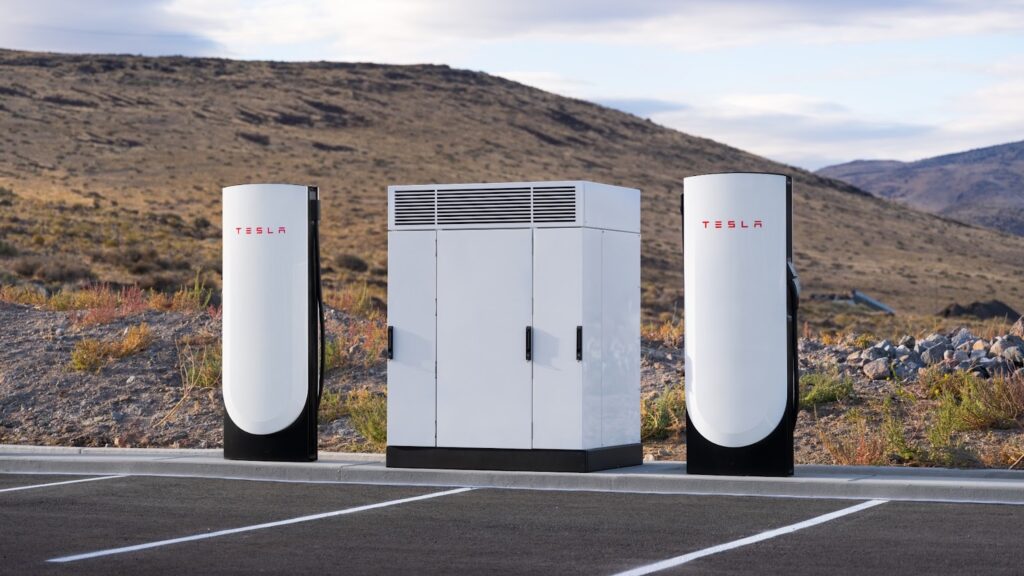
Tesla’s charging network remains a major strategic advantage, although partnerships between manufacturers are expanding access to charging facilities nationwide.
What 2026 means for the future of EVs
The outlook for EVs at the start of 2026 is clear.
Electric vehicles are no longer an experimental technology or the subject of over-the-top speculation. They are now a permanent fixture on the American automotive scene.
But the industry is entering a new phase in which success will depend on:
- Affordability.
- The expansion of infrastructure.
- Trust in brands.
- Usability in the real world.
Tesla remains the market leader, but the era of unchallenged dominance is over. The EV revolution did not stall after the initial wave of enthusiasm; it has simply matured, and the real competition is only just beginning.