


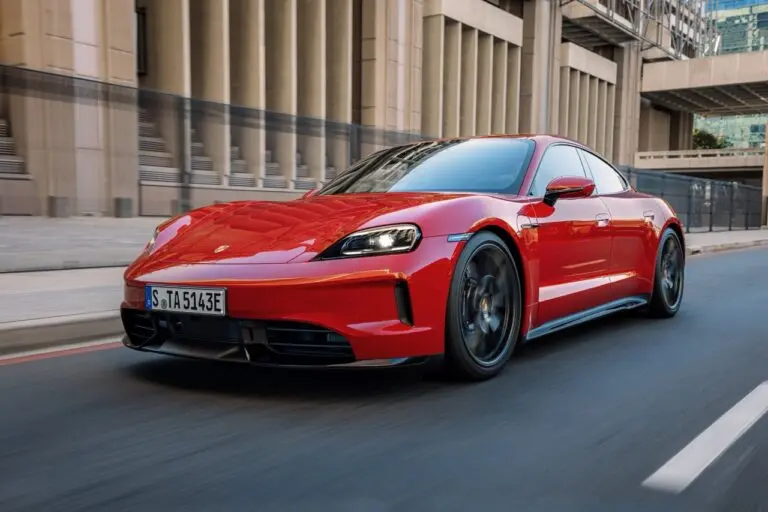


Against an international backdrop where the price of a barrel of Brent crude has reached $110, the new car market is beginning to see significant gains for electric models. Their market share stood at 28% in March, the highest level ever recorded in France. Whilst it is too early to gauge the effects of the war in the Middle East, leasing schemes and corporate tax policies are bearing fruit and serving as a catalyst for an acceleration in EV registrations. Not to mention the ongoing development of charging infrastructure and the easing of psychological barriers among motorists. 2026: the tipping point for electric vehicles?
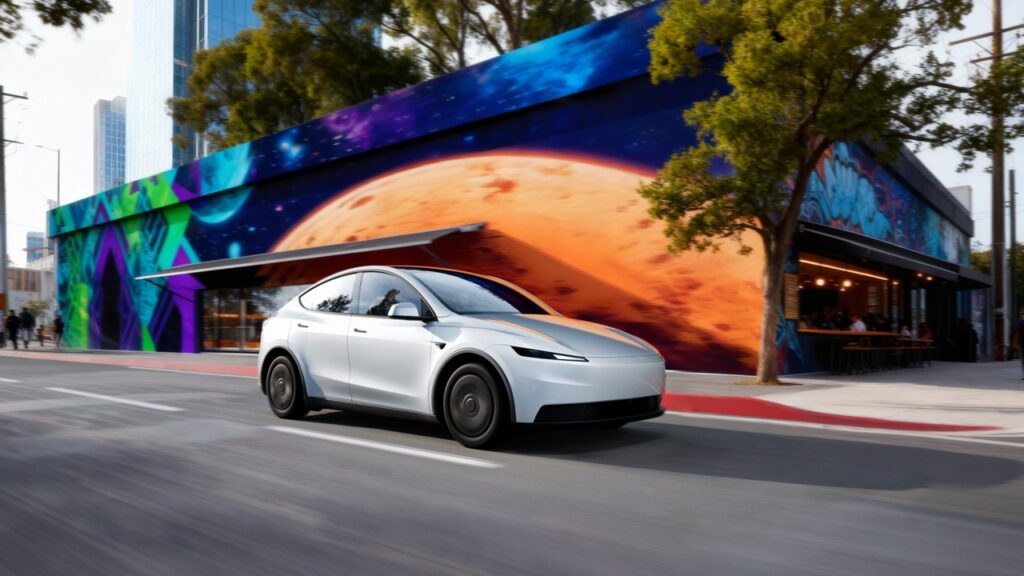
Electric vehicle sales hit a record high in the first quarter, with Tesla performing strongly
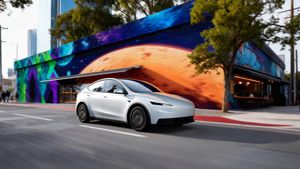
In the first quarter of 2026, the market share of electrified vehicles (electric + hybrid, including plug-in hybrids) stood at 80%. This proportion has never been higher in France for passenger cars. More specifically, fully electric vehicles accounted for 28% of new registrations during this period: a record! More than 112,000 electric cars have already been put on the road in 2026. Looking at the details, it is worth noting that Tesla is back on form: 9,570 vehicles sold, representing a 200% increase compared to March 2025. The Model Y SUV in particular has benefited from a trade-in incentive and attractive pricing. The trend towards the electrification of the vehicle fleet is therefore accelerating. Is this due to the international context and rising oil prices? It is too early to say.
Is it time to wake up to the reality?
But with petrol prices exceeding €2 per litre, many are asking themselves: is it time to switch to a different energy source? Could the crisis benefit electric cars? “Unfortunately, in this global context, the time has come for prospective buyers of electric vehicles to wake up to the reality,” predicts François Gatineau, president of Mobileese, which supports businesses in their green transition. “Switching to electric cars is no longer just an environmental issue. It has become a matter of purchasing power. Every surge in oil prices acts as an invisible tax on households.”
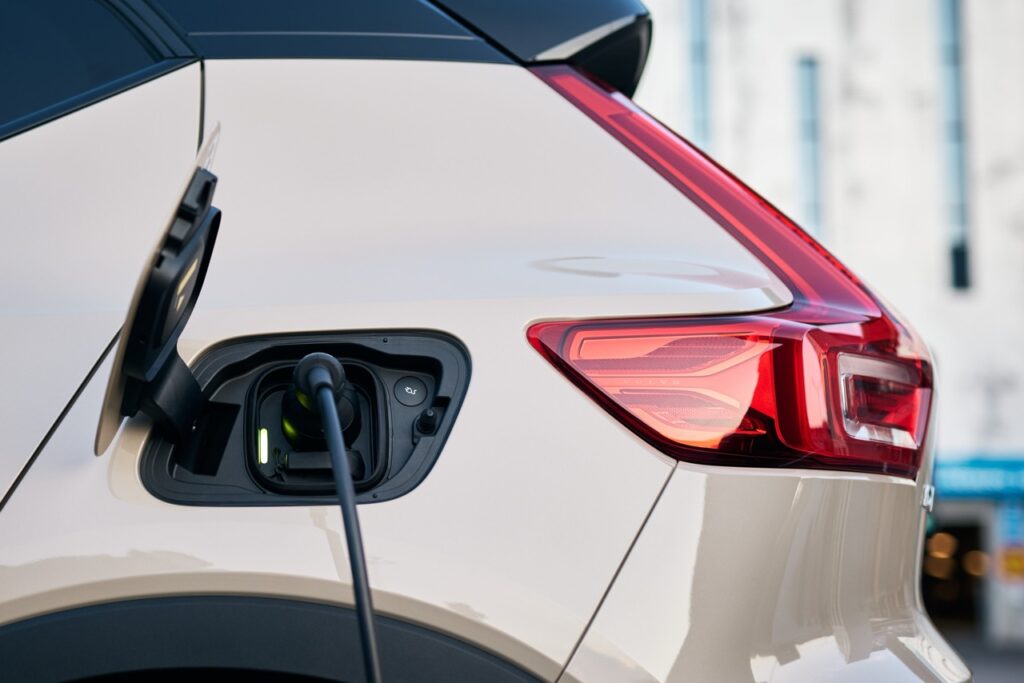
Driving a petrol car costs five times as much as driving an electric car
According to his estimates, driving a petrol car currently costs five times more than driving an electric vehicle. A household living in the countryside that travels 500 km a week has to pay €240 a month on fuel for a combustion engine vehicle *, compared with just €48 a month for an EV (provided it is charged during off-peak hours). A difference of nearly €200 every month, or almost €2,500 by the end of the year. The bill is becoming a heavy burden for petrol car users, whilst, conversely, the electric vehicle market is shifting into high gear with numerous compelling arguments in its favour.
Sales of electric vehicles are expected to pick up pace
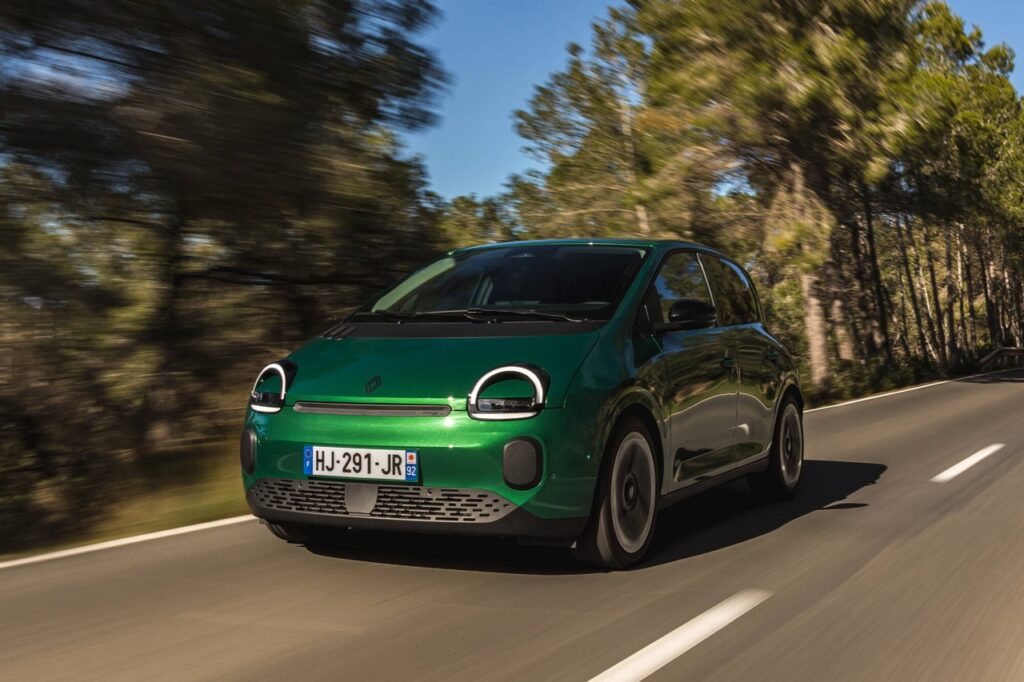
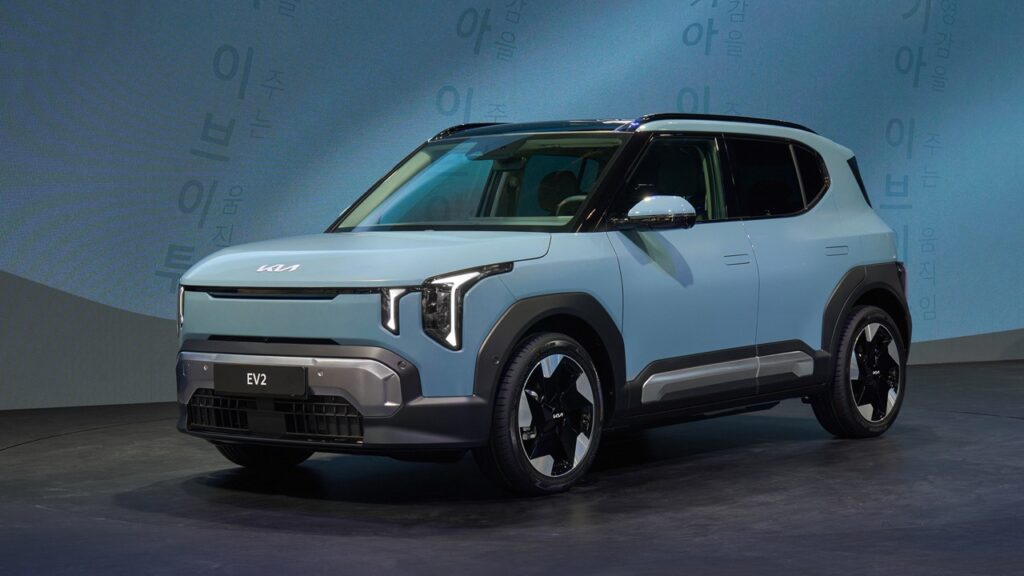
The range of options is growing ever wider and extending into lower price brackets to make electric cars more accessible. “Increasingly strict European regulations are forcing manufacturers to take action,” explains Nicolas Raffin, spokesperson for the NGO Transport & Environment. “We are therefore seeing the emergence of smaller, more affordable electric cars such as the Citroën eC3, Dacia Spring, Fiat 500e, Renault Twingo and much cheaper Chinese models. ” There is no doubt that manufacturers will step up their promotional campaigns and commercial offers in the coming weeks to attract new customers. Kia, for example, is offering its small urban SUV, the EV2, for under €20,000, provided buyers meet the requirements to qualify for government support (up to €5,700 in aid for low-income households).
Social leasing for individuals and tax incentives for businesses
Another factor that helped boost sales at the start of the year was the social leasing scheme introduced by the government last September (a maximum monthly payment of €200 for up to 12,000 km per year). Many private individuals have taken out these contracts (for three years or more). On the other hand, among businesses, the shift towards electric vehicles in company fleets is slow to materialise, despite tax incentives. The TVS (company car tax) is waived, there is a higher tax deduction on the purchase of a clean vehicle, and a 70% tax allowance on the benefit in kind for electric company cars…
“The advantage is shifting. Business leaders are primarily looking at the TCO (total cost of ownership), i.e. how much their fleet costs them each year. It has become significantly higher for combustion engines than for electric vehicles, and this is guiding their choices when renewing their fleets,” notes Nicolas Raffin of T&E. Not to mention that fleets of over 100 vehicles must currently comprise at least 15% EVs (this will rise to 48% by 2030), failing which a tax of €2,000 per missing vehicle will be levied.
Electricity and energy independence
Energy independence is also becoming a major factor in the rise of the electric car. France’s nuclear power stations generate 70% of the country’s electricity, whilst all the oil consumed is imported. “In recent years, motorists no longer wish to be dependent on global conflicts (Russia-Ukraine, the Middle East) to fill their tanks, as price fluctuations and supply difficulties have a direct impact on their professional activities and daily lives,” says François Gatineau of Mobileese. “What’s more, electric vehicles are becoming more convenient to use. There are fewer queues at charging stations; you can charge at home; you can plan ahead.”
Not to mention that the government will only provide specific subsidies in a targeted manner to offset price rises at the pump (for private nurses, road hauliers, farmers, etc.) and will soon present its Grand Electrification Plan. The aim is to reduce fossil fuel imports from 60% to 40% by 2030 and to make electric vehicles mainstream.
Charging infrastructure and charging points under development
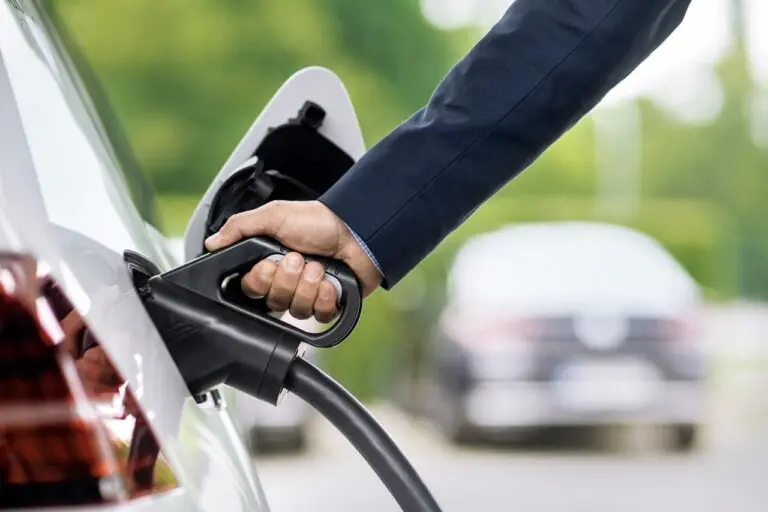
That leaves the issue of electricity supply infrastructure. AVERE currently lists 190,878 publicly accessible charging points (excluding private installations at home or in businesses), including 31,000 fast and ultra-fast chargers, which allow vehicles to be recharged in 20 to 30 minutes on the motorway. The network is expanding rapidly, with nearly 300 charging points per 100,000 inhabitants. Gradually, the fear of running out of power is fading from users’ minds, whilst efforts continue to convince potential future buyers. This was not the case five years ago.
Tipping point
The price of oil is not the main factor driving motorists to switch to electric vehicles: sales of EVs also rose last year when petrol prices were low. However, the current crisis could mark a decisive turning point, particularly as psychological barriers are being overcome one by one (improved range, faster charging, more accessible technologies).
*(For a vehicle with a fuel consumption of 6 litres per 100 km: €12 per 100 km at €2 per litre / For an electric vehicle costing €2.40 per 100 km: 15 kWh × €0.16 during off-peak hours)