
By the end of April, the Chinese firm Geely will be launching several models in France under its own brand. The aim is to conquer a major market and not fall behind its rivals BYD, SAIC (MG) and Xpeng, which are already well established. Having acquired Volvo, Lotus and Smart, Geely Auto Group presents itself as the most European of the Chinese manufacturers. With nearly 20 million cars sold since its inception, it is now aiming to be among the world’s top five by 2030, and this will be achieved through Europe.
Geely’s bold move
Although Geely Holding Group was established in 1986, the car manufacturer was founded ten years later in Hangzhou (south of Shanghai) and began by producing simple, affordable cars. The Chinese authorities soon recognised it as the country’s leading private car manufacturer, at a time when many brands were directly controlled by the state.
The brand is gradually specialising in hybrid and electric cars, but made a name for itself worldwide in 2010 by acquiring Volvo Cars, to everyone’s surprise. This unexpected acquisition proved to be a shrewd move: it enabled Geely to gain credibility, raised the calibre and quality of its models, and gave its vehicles a more European and technologically advanced image. These were significant assets for a Chinese manufacturer seeking to establish itself beyond its borders.
A quiet giant in the automotive industry
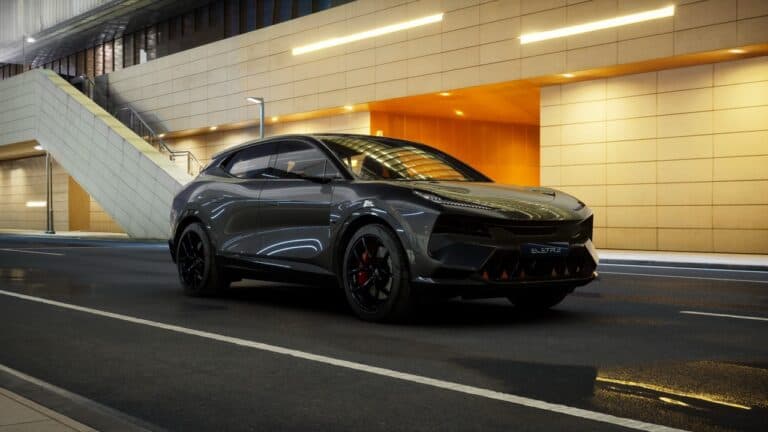
Today, the Geely Group is an automotive giant that sells over 4 million cars a year worldwide and has developed a multi-brand strategy by launching brands such as Lynk & Co (aimed at an urban, tech-savvy audience) and Zeekr (a premium EV brand), as well as acquiring Lotus and Smart, European manufacturers that were losing momentum but were well recognised by the public. The Geely Group has thus become the most ‘European’ of Chinese manufacturers, but must now succeed in establishing its products on the Old Continent.
Models tailored to the European and French markets
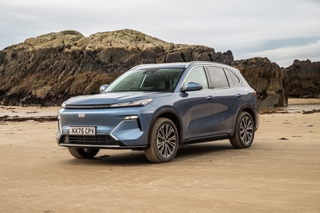
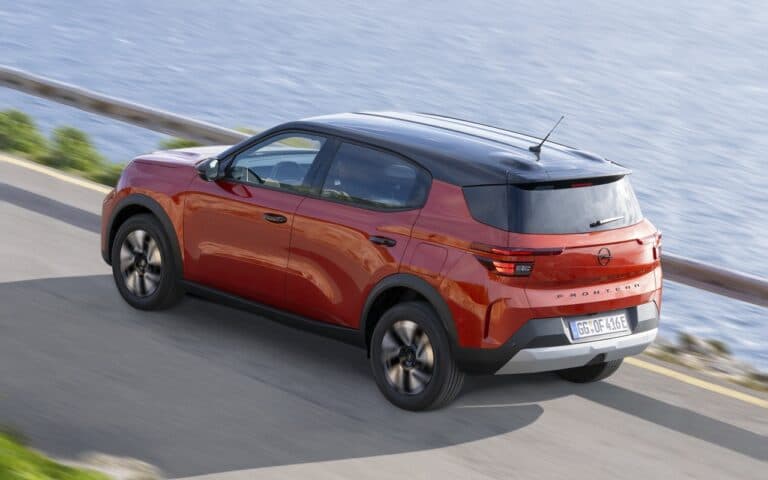
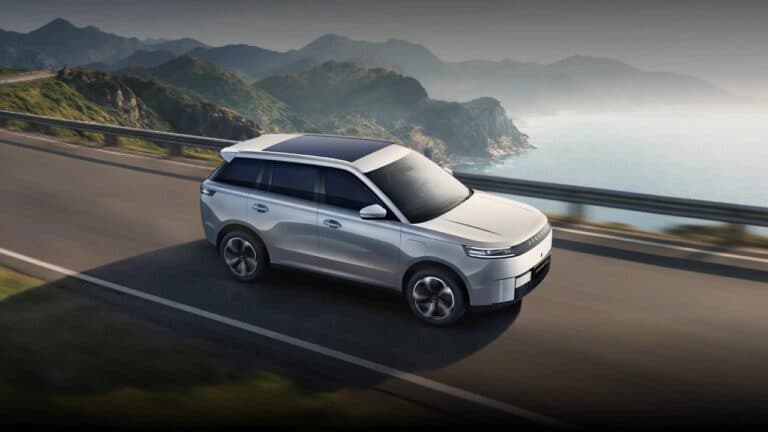
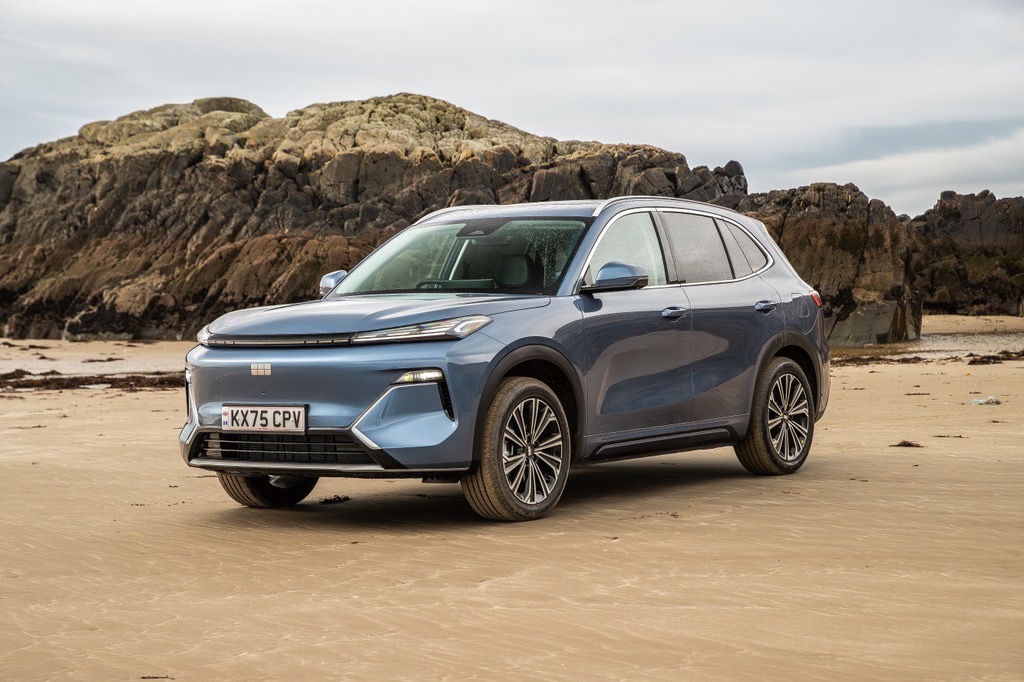
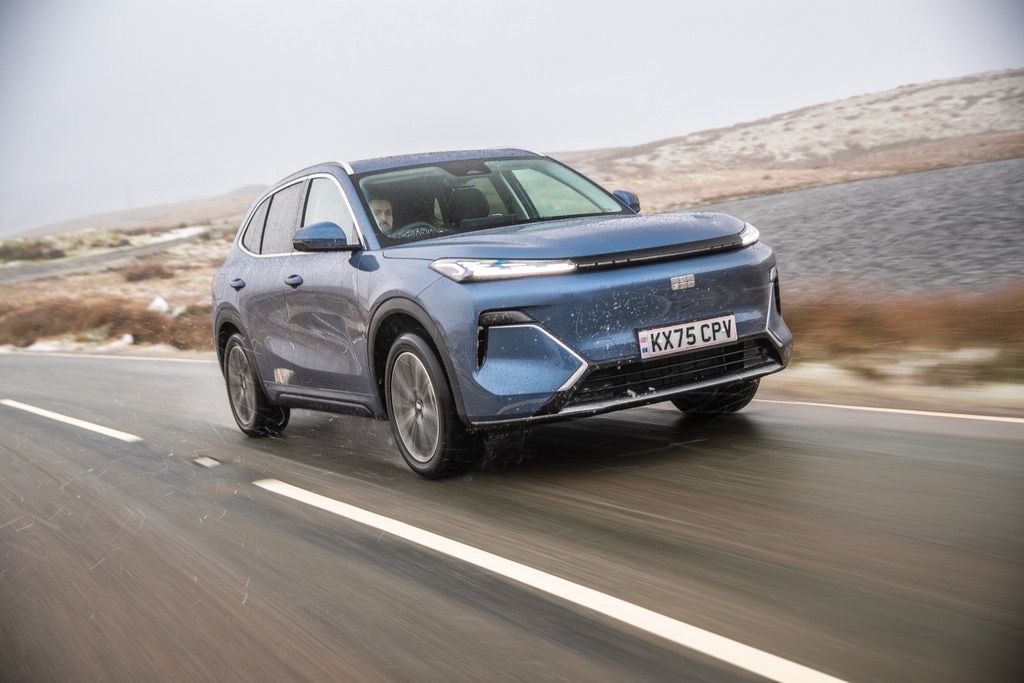
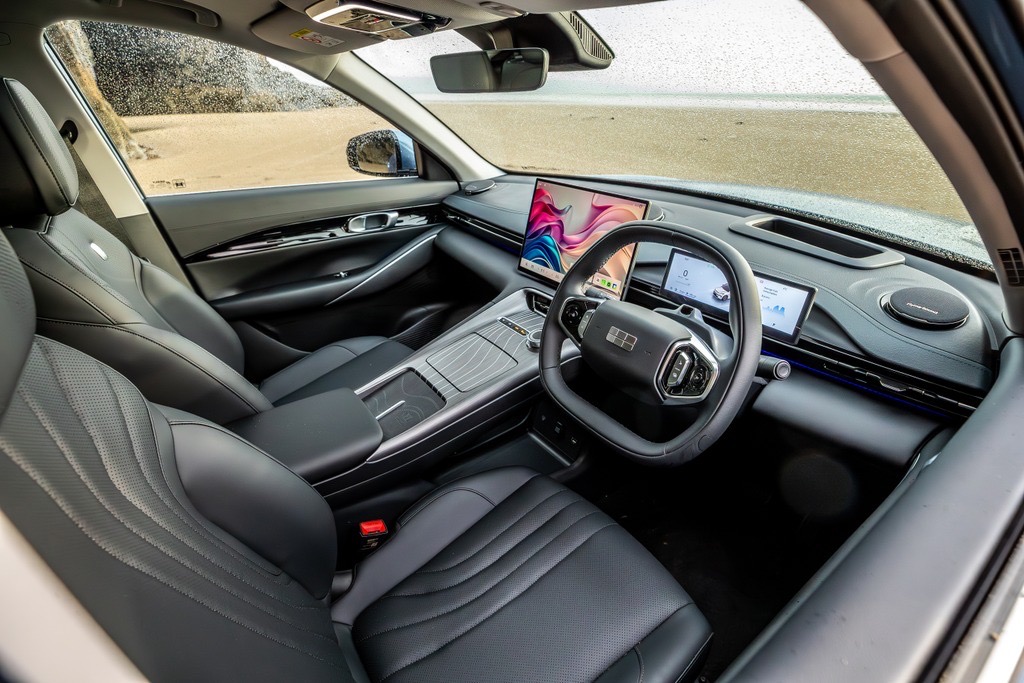
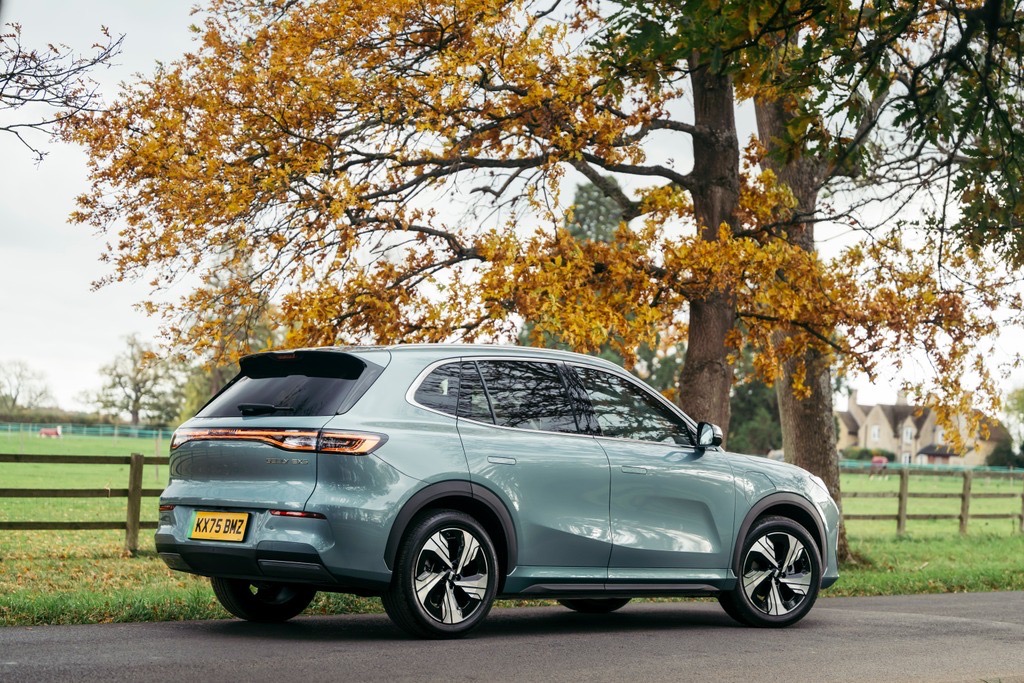
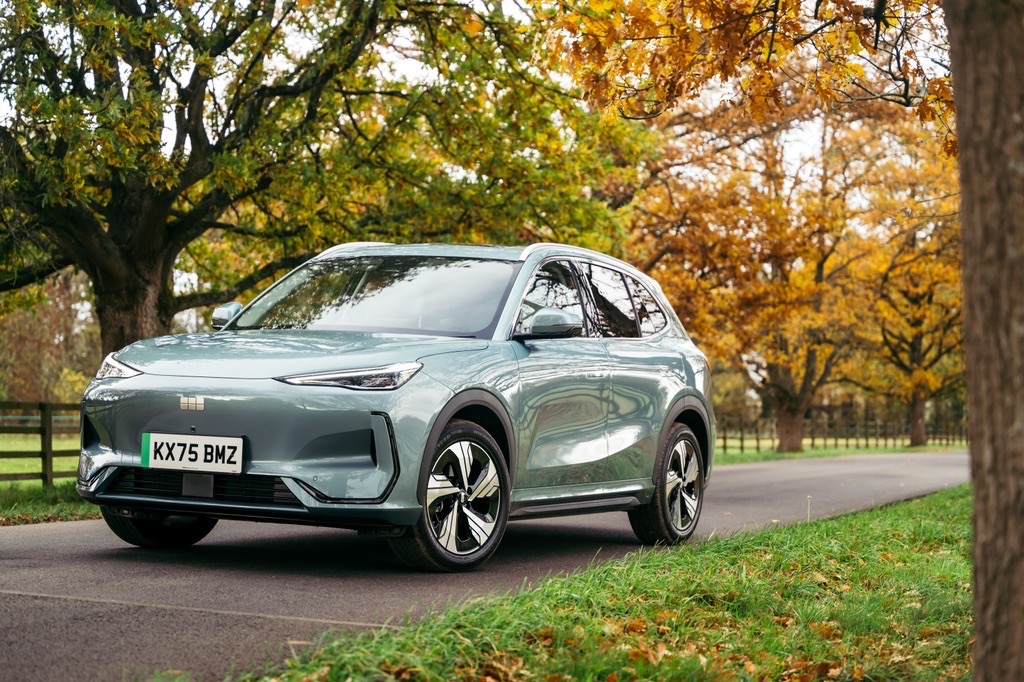
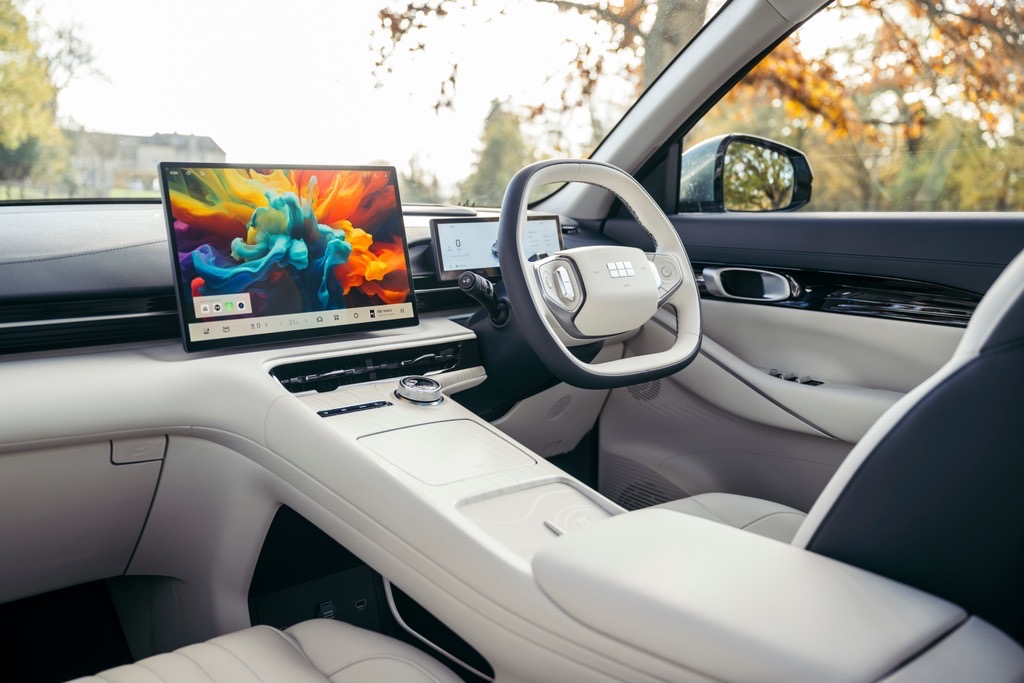
With one in ten new cars sold in Europe now being Chinese-made, the Geely Group could no longer delay establishing a presence under its own name. This is particularly true given that the brand boasts a global range comprising around ten electric and hybrid models (SUVs, saloons and compact cars). The French market is set to welcome the compact E5 SUV (4.61m) first, which boasts a highly efficient drag coefficient. With a modern interior and a sleek dashboard, the E5 is equipped with 60 or 76 kWh batteries, offering a range of up to 530 km. The entry-level 218 hp rear-wheel-drive version will be available from €32,000, a very competitive price.
The other model announced is a plug-in hybrid SUV, the Starray EM-i (4.74 m), which is set to rival the MG EHS and BYD Seal U DM-i.
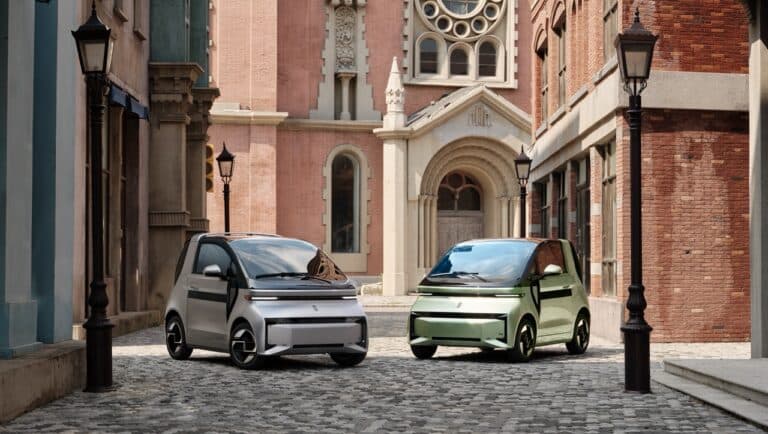
In the medium term, the EX2 electric city car (4.14 m), fitted with a 39.4 kWh LFP battery (offering a range of up to 289 km), could be launched at a price of under €20,000.
An industrial strategy to establish a leading position
These models seem tailor-made for a rather discerning French clientele. However, neither the E5 nor the Starray and EX2 are manufactured in Europe and will therefore not be eligible for any purchase subsidies or incentives. This is why Geely is in talks with Ford to have its cars manufactured at the American company’s European plants (Cologne, Valencia or Craiova), whose assembly lines are not operating at full capacity.
Ultimately, Geely will draw on its joint European R&D and design centre – which brings together Volvo’s operations in Gothenburg (Sweden), Frankfurt (Germany) and Coventry Lotus (UK) – to design future cars that are more closely aligned with the preferences of the European market. In the meantime, the Chinese manufacturer aims to export its vehicles to Europe just six months after they go on sale in China.
Geely is intensifying competition among Chinese brands
In addition to their technological lead over established European EV brands, Chinese manufacturers now find themselves competing against one another. Each with their own strengths.
Market leader BYD is making a strong push with highly competitive prices and an already comprehensive range of models, including fully electric vehicles and long-range plug-in hybrids. SAIC (through MG) can rely on its industrial strength, exporting a million cars every year. XPeng focuses more on high-tech products, autonomous and connected vehicles, and is working on energy efficiency, fast-charging solutions and even flying cars.
The Geely Group’s main strength lies in the distinct identities of its various brands: Lynk & Co targets a young, urban and tech-savvy audience; Zeekr positions itself as a premium rival to Tesla; Polestar is Volvo’s luxury sports division; whilst Lotus remains a brand with a sporting heritage. Under its own logo, Geely can therefore position itself as a mainstream offering aimed at the general public and families seeking more affordable electric mobility. It still lacks visibility and needs to build brand awareness, but its 40-year heritage makes Geely the most dangerous competitor for Chinese manufacturers setting out to conquer Europe and France.